





Folk Art Wooden Chair
These folk art wooden chair examples bring regional vernacular character into a room through carved timber, painted surfaces, and primitive construction.
Folk Art Wooden Chair
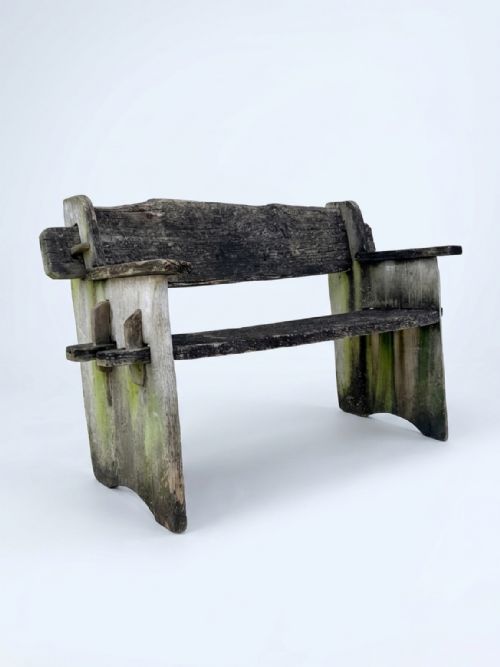
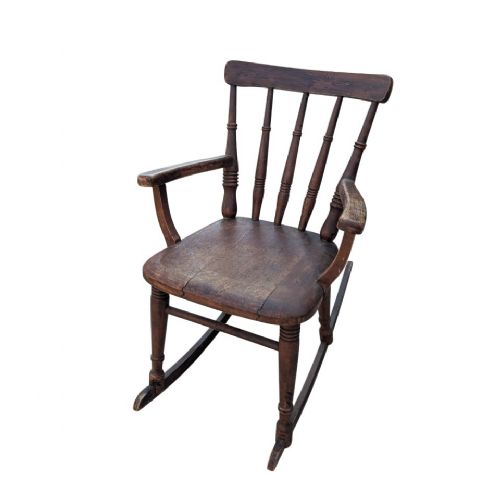
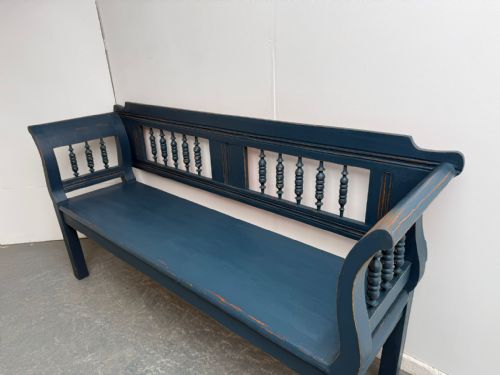
A folk art wooden chair encompasses vernacular seating from various international traditions, ranging from European country styles to British and Scandinavian regional forms. Buyers examine armchairs, side chairs, rocking chairs, benches, and children's seating that reflect local rural building methods.
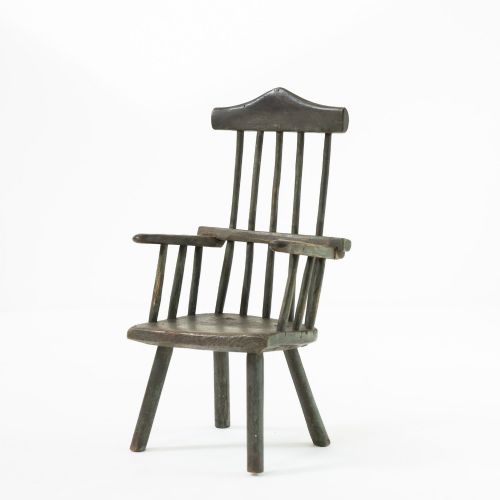
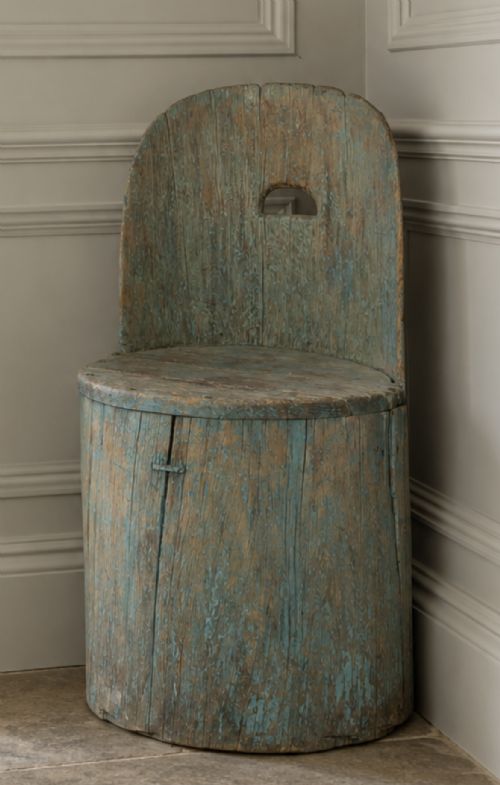
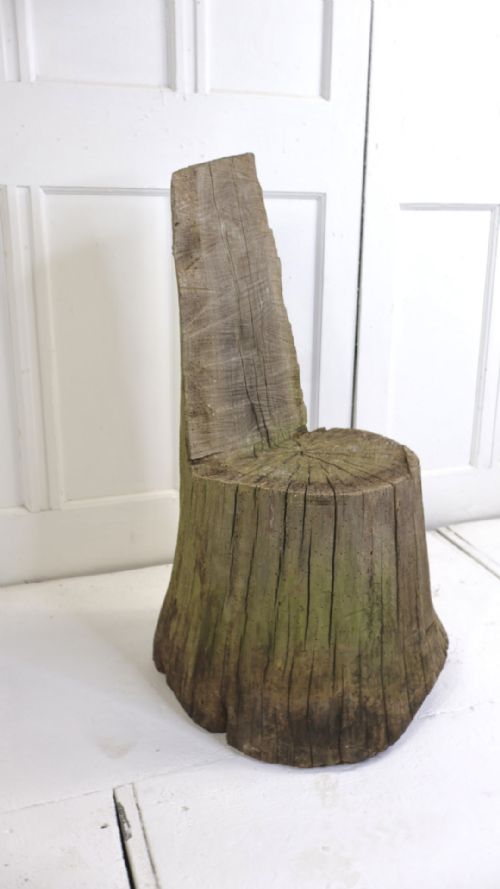
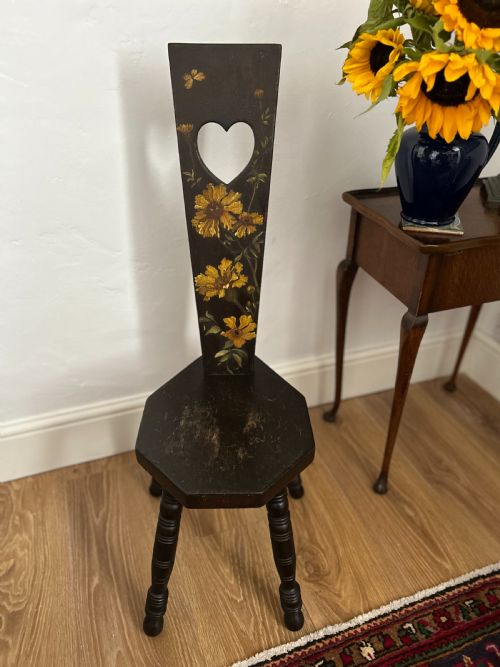
Domestic seating forms include stick back armchairs, comb backs, dug out chairs, spinning chairs, and high chairs. These functional domestic items demonstrate the resourcefulness of regional makers utilising local timber.
Materials and Construction
Makers utilised available local timbers such as pine, oak, elm, and general hardwood, often combining solid planks with turned spindles or natural branch forms. Iron fixings appear selectively where structural reinforcement was necessary for daily domestic use.
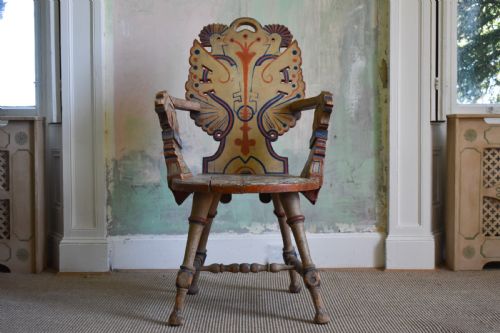
Surfaces frequently show layers of original paint or pigment applied to humble pine and hardwood bodies. Carving techniques range from simple gouge work to detailed regional motifs and sculptural elements.
Regional styles include Scandinavian folk art, Welsh vernacular, Swiss Alpine, and American primitive designs.
Judging Quality in Vernacular Seating
Quality rests upon the integrity of the original surface paint and the honesty of the primitive construction. Untouched patination on pine, oak, and elm elevates an example far above pieces stripped to bare wood or heavily restored.
Proportion and the boldness of vernacular expression distinguish superior objects from standard utilitarian seating. Maker ingenuity in handling natural timber forms or regional stick back designs defines the upper tier of this category.
The Folk Art Wooden Chair Glossary
- Stick back
- A chair construction method where turned spindles are inserted directly into a solid wooden seat. This method provides lightweight strength for regional vernacular seating.
- Dug out chair
- A primitive seat hewn and hollowed entirely from a single solid log or tree trunk. These massive pieces represent the earliest forms of domestic wooden seating.
- Vernacular
- Architecture and objects created by local craftsmen using traditional methods and regional materials without academic design training. Such items reflect the specific customs of their geographic origin.
- Escabelle
- A traditional type of European wooden chair featuring a high back and solid board construction. These pieces often display regional painted decoration or carved panels.
- Comb back
- A Windsor chair variation where the vertical spindles extend through a horizontal crest rail resembling the teeth of a comb. This regional British and American format offers robust support.
Folk Art Wooden Chair: Frequently Asked Questions
How do I date a folk art wooden chair?
Dating relies upon construction methods, tool marks, and the presence of original painted surfaces. Examining how spindles are tenoned into the seat or how legs are attached reveals the period of manufacture.
Changes in regional vernacular styles across the eighteenth and nineteenth centuries provide further chronological markers. Comparative study of known provincial forms helps narrow down the decade or century.
Are painted finishes original?
Original paint surfaces show natural wear, oxidation, and craquelure consistent with age and domestic use. Pigments often adhere directly to early pine or hardwood substrates without modern primers.
Layer analysis and examination under magnification help determine whether the coloured finish dates to the period of manufacture. Surviving original paint substantially defines the character of provincial European seating.
How were these chairs used historically?
These items served as everyday seating in rural cottages, farmhouses, and workshops. Specific forms like spinning chairs or child high chairs fulfilled dedicated domestic tasks.
Robust construction allowed them to endure generations of heavy household use. Their utilitarian origins meant comfort and practicality dictated their final design.
How do I care for antique wooden seating?
Maintain stable indoor humidity levels to prevent timber from drying out, cracking, or warping. Protect original painted or unpainted wood surfaces from direct sunlight and excessive heat.
Apply microcrystalline wax sparingly only when the timber appears dry, avoiding harsh chemical cleaners. Gentle dusting with a dry cloth preserves the fragile historic patination.