






Folk Art Sports
Folk art sports objects are handmade carvings and paintings celebrating traditional pastimes, prized for their rustic charm and direct connection to historical leisure.
Folk Art Sports
When you search for folk art sports, you encounter rural pastimes rendered by self-taught hands through the nineteenth and twentieth centuries. These works record games, shooting, racing, and domestic pastimes with an unpretentious directness that academic art rarely captures.
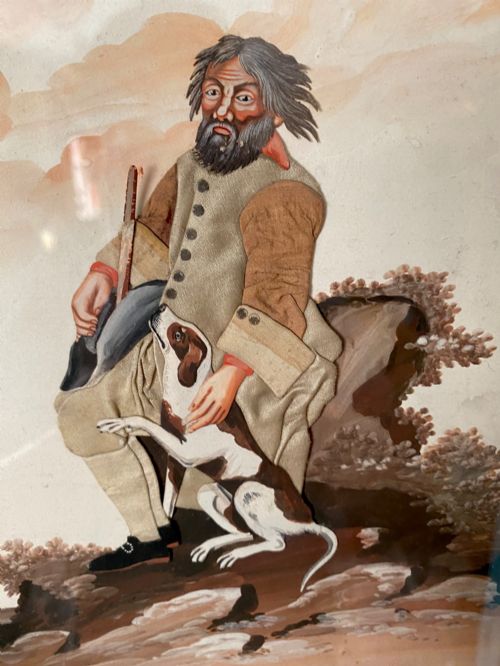
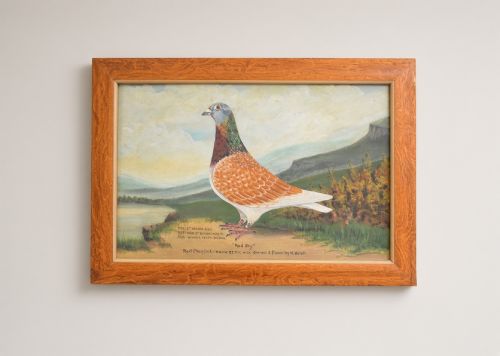
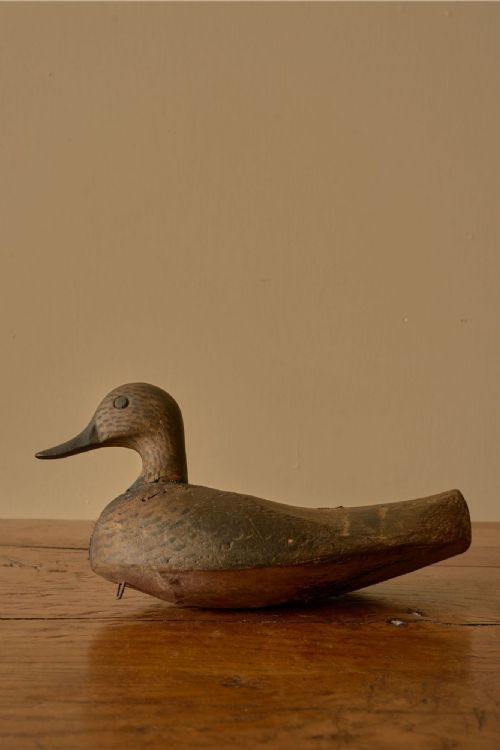
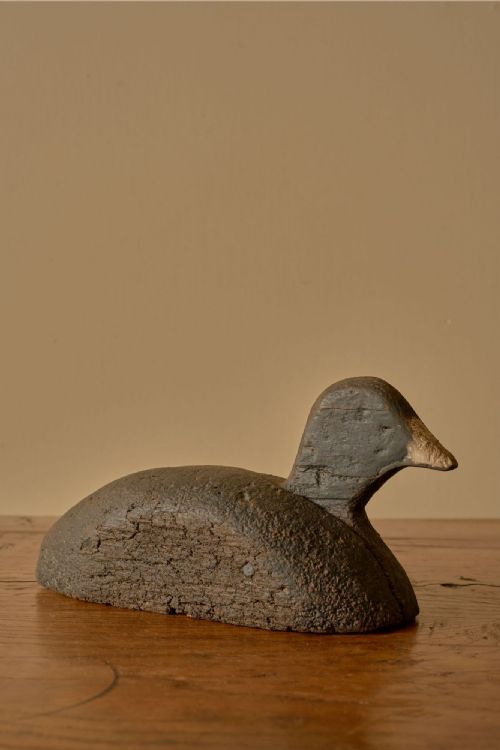
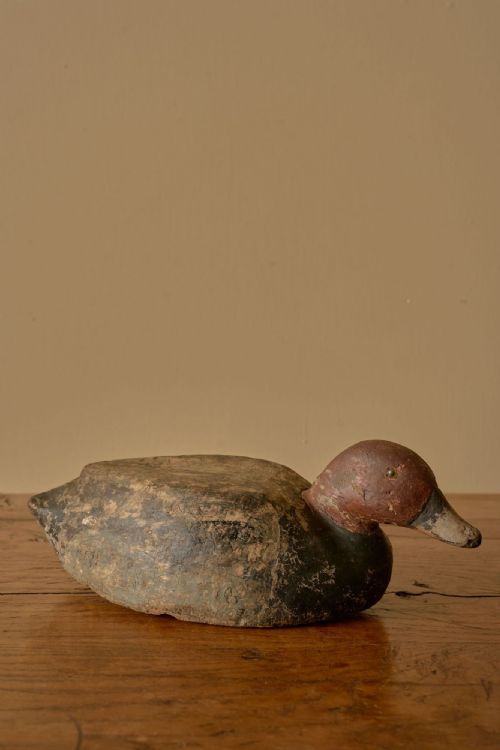
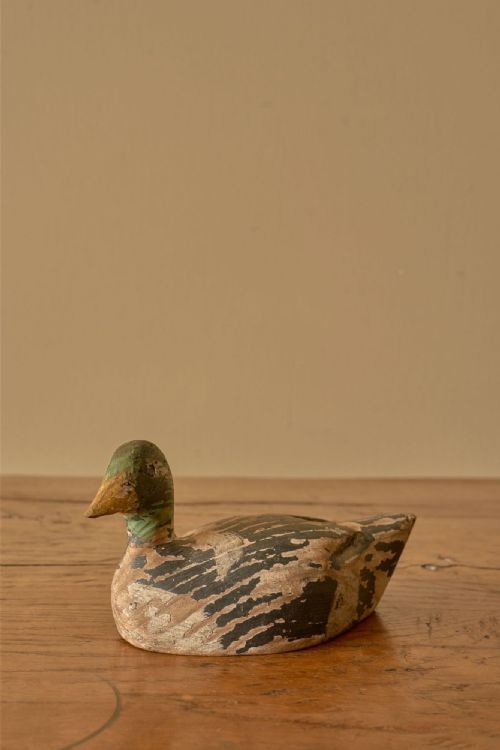
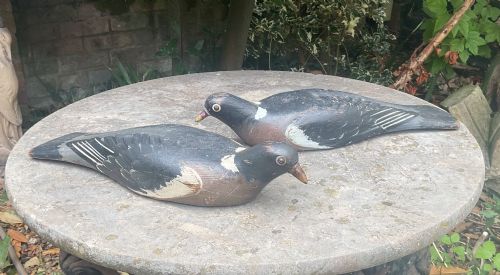
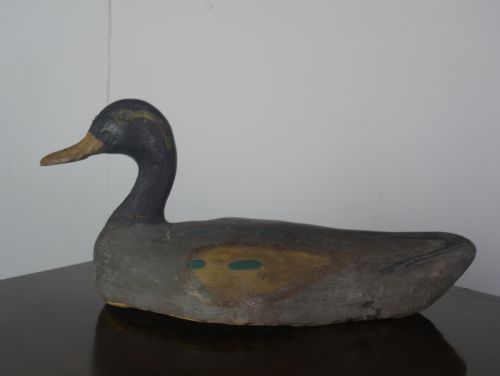
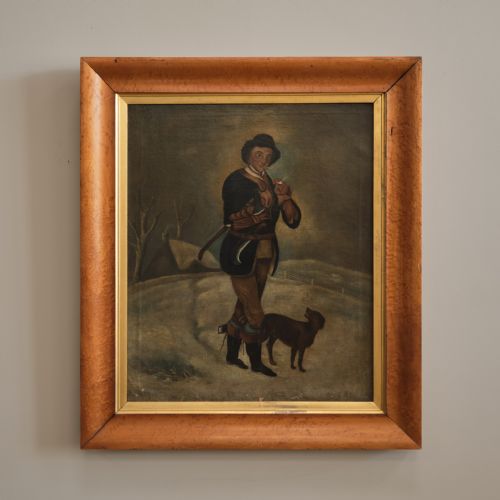
The objects most frequently met on this page include carved wooden decoy ducks and pigeons, alongside painted oils of snooker scenes, racing pigeons, and naïve figures such as cricketers. Materials span painted timber, canvas, oil, and horn, reflecting the vernacular culture of English and French country pursuits.
Such pieces bridge the gap between utility and display, having served practical purposes in the field or parlour before entering the collector's sphere. Their appeal lies precisely in this functional history combined with naive execution.
How they were made
Makers shaped these objects primarily from wood and timber using hand tools, yielding tactile surfaces with visible chisel marks and tool scars. Carvings were subsequently finished with oil paint, gesso, or gold leaf to enhance realism or decorative presence.
Painters employed oil on canvas or panel, working in naive or folk styles that prioritized character and bold composition over strict perspective. Decoys required specific attention to buoyancy and lifelike silhouettes, balancing utilitarian demands with sculptural form.
Folk Art Sports Retail Price Guide 2026
Typical asking prices for folk art sports among the pieces listed under this phrase on Sellingantiques today, from the lower quarter to the upper quarter. They describe what is for sale here now, not the wider market.
Current listings feature nineteenth-century and early twentieth-century pieces, including painted wood, canvas, oil, and stag horn.
What varies in quality
Quality rests in the vigour of the carving and the preservation of original paint surfaces, where untouched patination elevates a piece far above heavily restored examples. Stronger proportions and confident brushwork distinguish the skilled maker from the casual amateur.
The retention of surface wear tells an honest story of use in sport and field, whereas over-cleaned or repainted skins strip the object of its historical character. Proportion, stance, and the natural ageing of timber and oil paint ultimately dictate the standing of any given piece.
The Folk Art Sports Glossary
- Decoy
- A carved or moulded figure of a bird or animal used to attract wildlife during shooting or trapping. They display regional carving traits and weathered painted surfaces.
- Naïve Art
- Artwork produced by a self-taught artist lacking formal academic training, characterised by flattened perspective and bold directness. This style defines much of the visual record in vernacular sports.
- Gesso
- A plaster-like mixture applied to wood surfaces to provide a smooth base for painting or gilding. It appears frequently beneath the final layers of oil paint on older decorative objects.
- Cribbage Board
- A scoring board used in the card game cribbage, often fashioned from materials such as stag horn or timber. They represent the domestic side of traditional gaming pastimes.
- Patina
- The surface sheen and colour acquired by materials through age, handling, and exposure to light. Original patination is a primary indicator of authenticity in vernacular carvings.
Folk Art Sports: Frequently Asked Questions
What is folk art sports?
Folk art sports encompass handmade items related to games, pastimes, shooting, and rural recreations created by untrained or regional artisans. These range from carved wooden decoy ducks to painted canvas depictions of snooker and cricket.
Such objects combine functional utility in the field or home with distinct aesthetic charm. They offer a direct window into historical leisure and vernacular craftsmanship.
How were decoy ducks used?
Decoy ducks and pigeons were placed on water or fields to lure wildfowl within range of hunters. Carvers shaped them from wood to mimic the exact silhouettes and postures of real birds.
Over decades of exposure to weather and water, these working decoys developed layered paint surfaces and weathered patinas. Today, collectors value them purely as sculptural objects of art.
How do I date a wooden decoy?
Dating relies on observing tool marks, the composition of the timber, and the layering of early oil paint or gesso beneath surface wear. Stylistic traits often point towards specific periods such as the nineteenth century or the Edwardian era.
Comparing construction methods with documented examples helps narrow the decade of origin. Original unpainted or untouched surfaces provide the most reliable clues to age.
How should I display folk art?
These pieces suit rustic and contemporary interiors alike, benefiting from stable environments away from direct sunlight and damp conditions. Placing carved decoys on open shelves or tables highlights their three-dimensional forms.
Framed oil paintings and naïve boards require simple wall placement that lets the texture of canvas and paint speak for itself. Allowing room around each object emphasises its sculptural qualities.