

Antique French Games
Antique French games span timber card tables and parquetry boxes designed for parlour entertainment.
Antique French Games
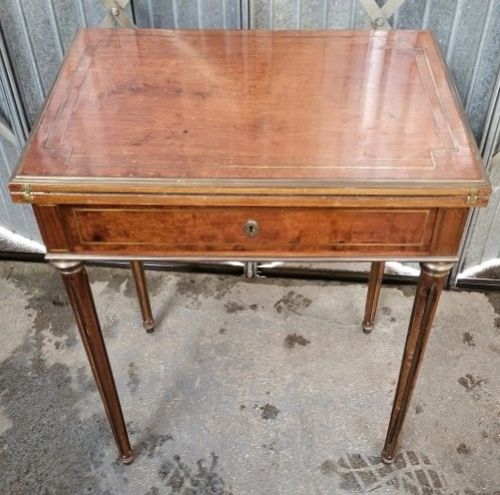
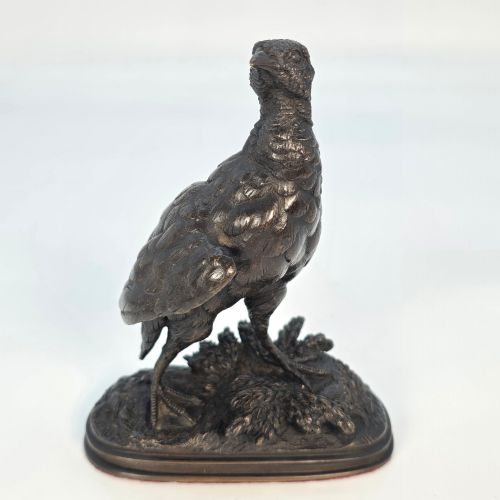
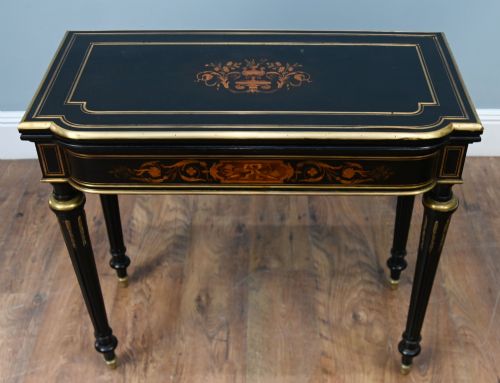
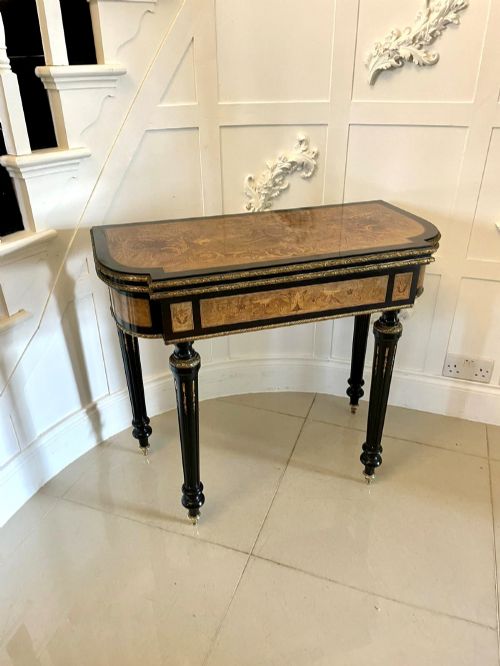
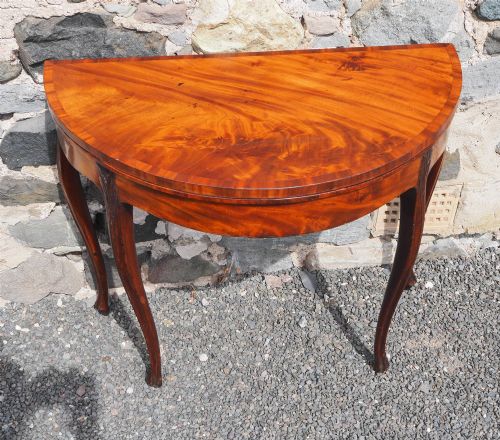
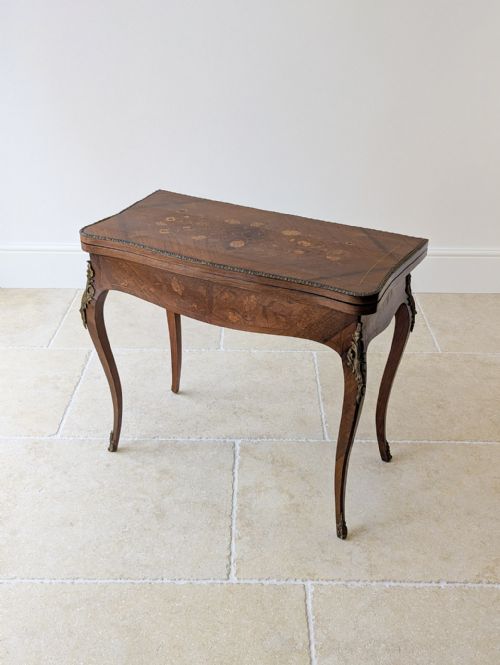
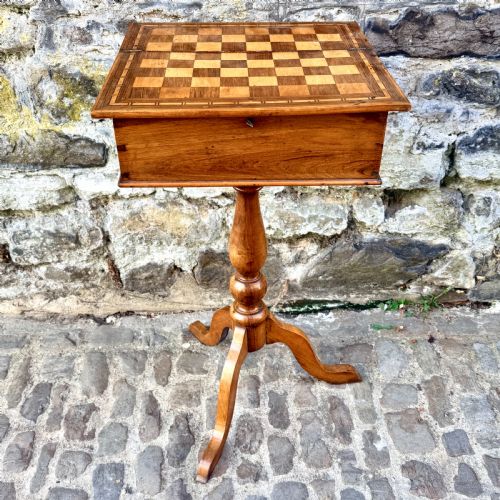
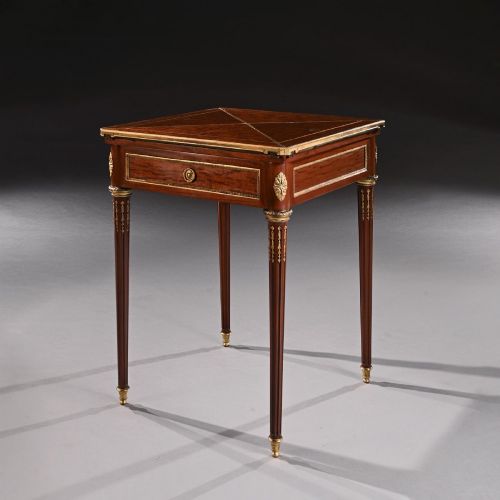
Antique french games comprise fold-over card tables, chess tables, roulette wheels, and wooden playing piece boxes originating from nineteenth-century parlours and salons. These items range from walnut and kingwood card tables with marquetry inlays to smaller treen items such as bilboquet cups and game blocks.
Materials and construction
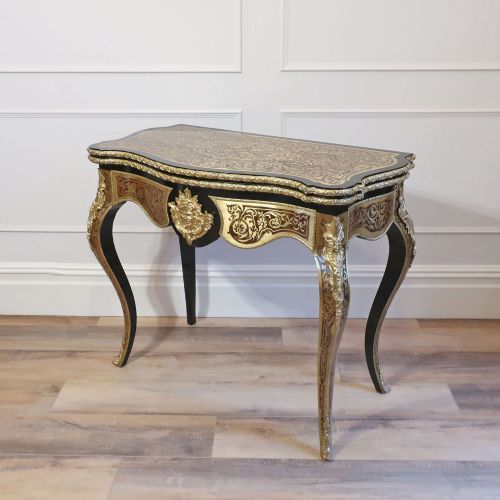
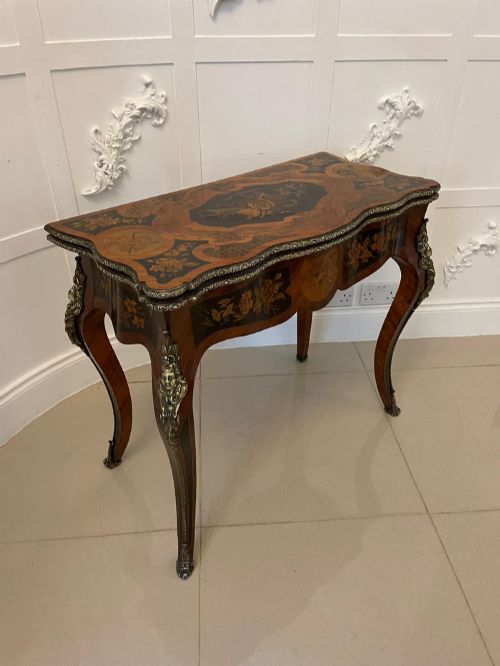
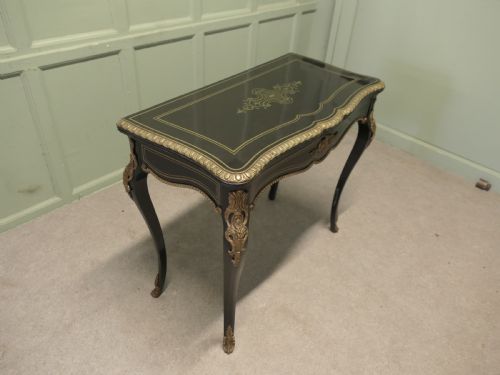
Cabinetmakers utilised dense timbers such as walnut, kingwood, mahogany, and ebonised wood as the structural foundation for tables and boxes, frequently applying intricate marquetry and parquetry patterns across the surfaces. Brass inlay and gilt bronze ormolu mounts provide decorative accents to the edges, aprons, and cabriole legs.
Many tables employ folding or metamorphic mechanisms that allow console or side tables to transform into functional green-baize lined card tables. Treen items and smaller game pieces rely on turned beech, fruitwood, and boxwood.
Antique French Games Retail Price Guide 2026
Typical asking prices for french games among the pieces listed under this phrase on Sellingantiques today, from the lower quarter to the upper quarter. They describe what is for sale here now, not the wider market.
Listings feature nineteenth-century walnut, kingwood, and mahogany card tables alongside bouillotte tables and treen game boxes.
Distinctions in quality
Quality rests upon the precision of the marquetry work, the weight and crispness of the cast ormolu mounts, and the smoothness of the folding table mechanisms. Superior examples display highly figured veneers such as kingwood and amboyna combined with complex parquetry geometric layouts.
Workshop attribution also influences standing, with pieces bearing signatures or stamps from known makers commanding greater attention than unassigned regional pieces. The choice of secondary woods and the retention of original polished marble tops further divide standard production from exhibition pieces.
Antoine Lampre·G T Morant·François Linke·Maison Mottheau·Joseph-Emmanuel Zwiener·Maison Millet·Edwards & Roberts
The Antique French Games Glossary
- Ormolu
- Gilded bronze mounted onto furniture or decorative objects. It provides bright metallic contrast against dark woods like kingwood and mahogany.
- Marquetry
- Decorative veneer patterns formed by fitting together small pieces of various coloured woods. Craftsmen use floral or geometric motifs across table tops.
- Parquetry
- Geometric wood inlay forming repetitive patterns such as cubes or chessboards. This technique decorates many nineteenth-century gaming surfaces.
- Bouillotte table
- A small round card table with a raised gallery edge and candle arms, traditionally used for the French card game bouillotte. They often feature marble tops.
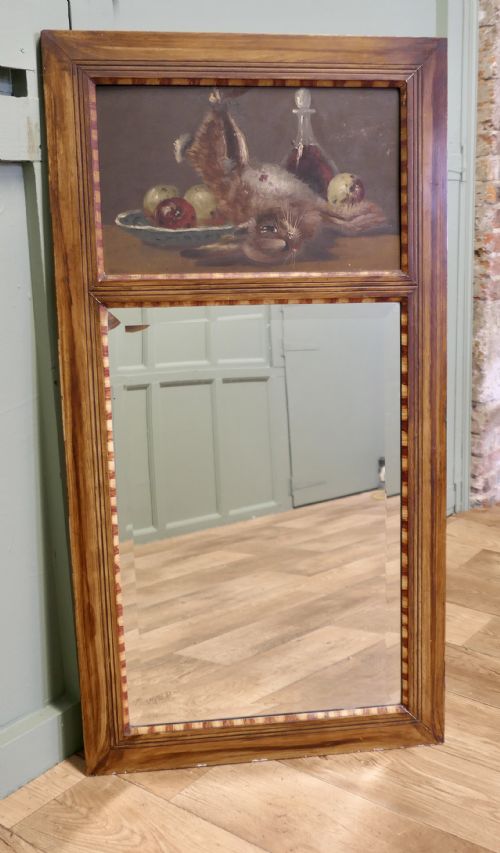
- Trumeau
- A decorative wall mirror combined with a painted panel or carving above. These pieces frequently appear alongside salon furniture.
Antique French Games: Frequently Asked Questions
What are antique french games tables used for?
These tables served primarily for parlour pastimes such as whist, bridge, chess, and roulette in nineteenth-century drawing rooms. Their fold-over or metamorphic tops allowed them to function as console or side tables when not in use for gaming.
Today, they function well as occasional tables or hallway consoles while retaining their original folding mechanisms and baize surfaces.
How do I identify a louis xv revival games table?
Louis XV Revival tables typically display characteristic curved cabriole legs, serpentine aprons, and asymmetrical floral marquetry. Ormolu mounts frequently accent the corners and feet.
Makers working in this style during the nineteenth century drew inspiration from eighteenth-century court furniture, combining kingwood veneers with gilt bronze details.
How do bouillotte tables differ from standard card tables?
Bouillotte tables are specifically circular with a raised brass gallery rim around the marble top to prevent dice or chips from rolling off. They frequently include pull-out candle slides for evening play.
Standard card tables tend to be rectangular or demi-lune with folding leaves rather than fixed circular marble tops.