




Folk Art Oil Painting
A folk art oil painting captures the unvarnished honesty of self-taught hands, offering collectors an intimate window into domestic and provincial life.
Folk Art Oil Painting
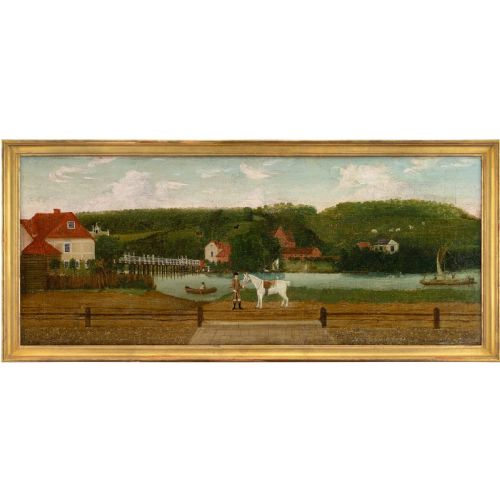
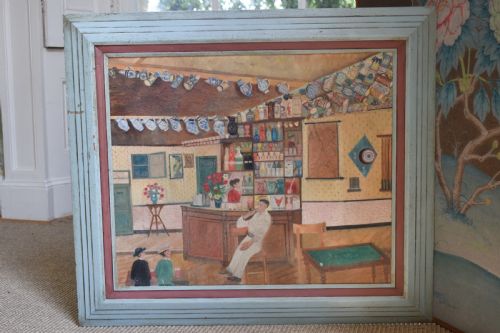
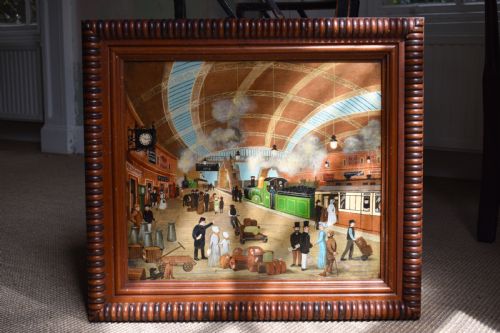
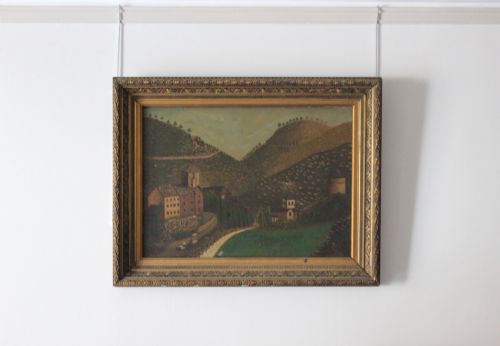
A folk art oil painting encompasses vernacular portraits, animal studies, and topographical scenes created by non-academic hands. The most common examples met in these listings date from the 19th century, though pieces span from the 18th century through to the mid-20th century.
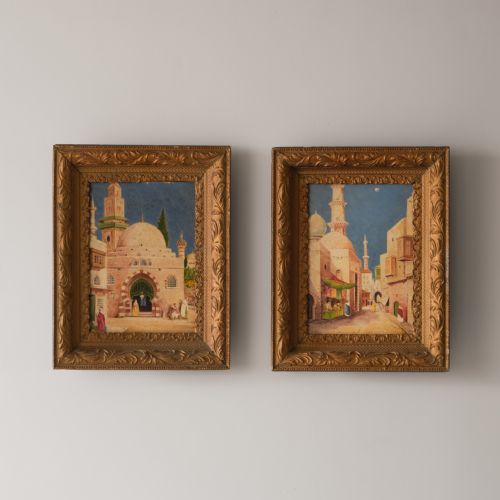
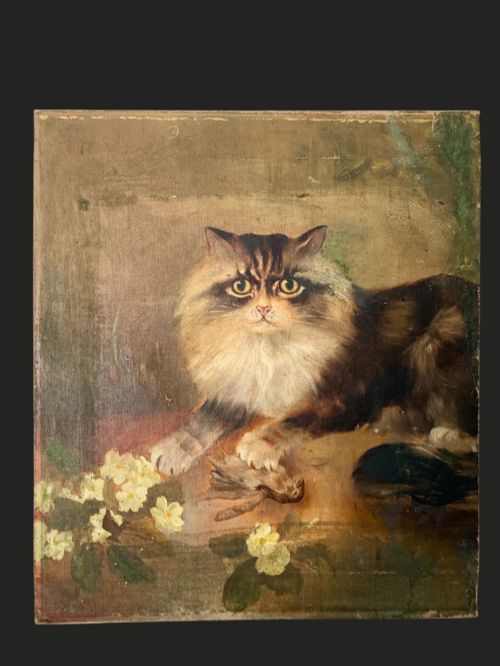
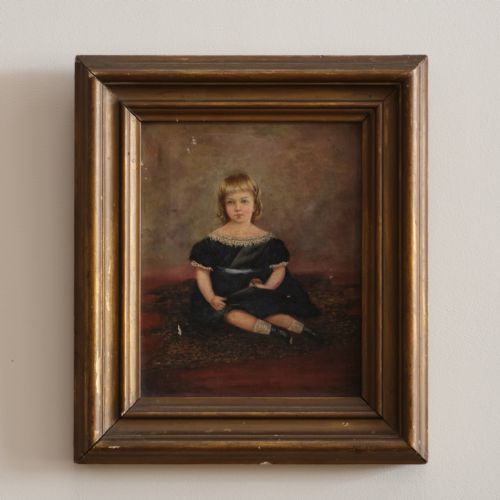
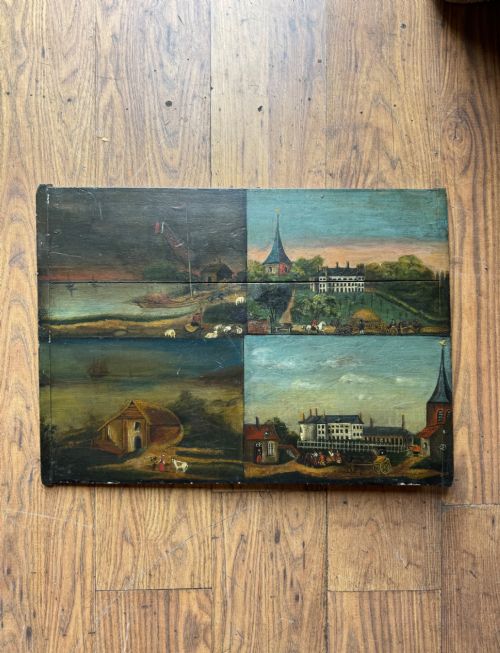
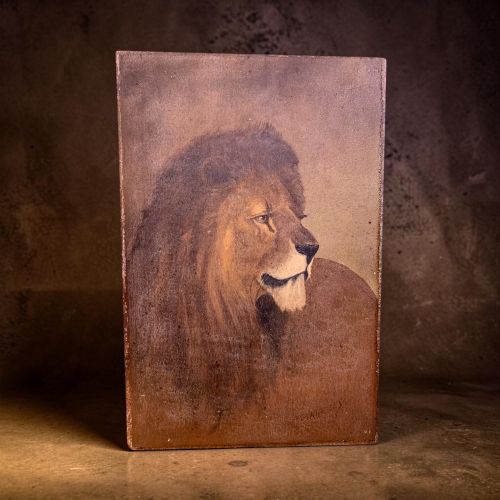
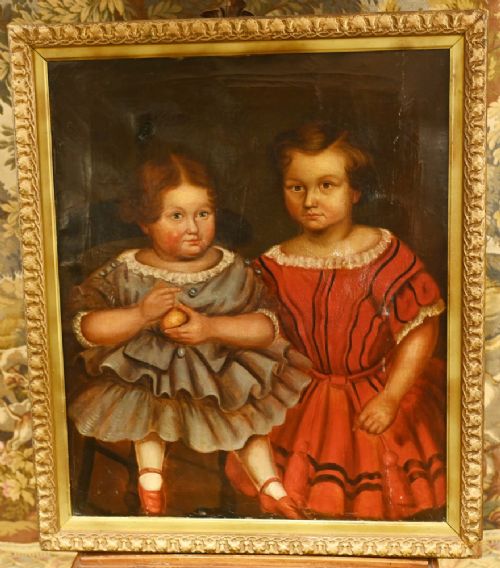
Subjects range from individual portraits of children and gentlemen to racing pigeons, farm animals, and architectural scenes. Many works originate from British, American, and European provincial traditions, prioritising direct expression over academic proportion.
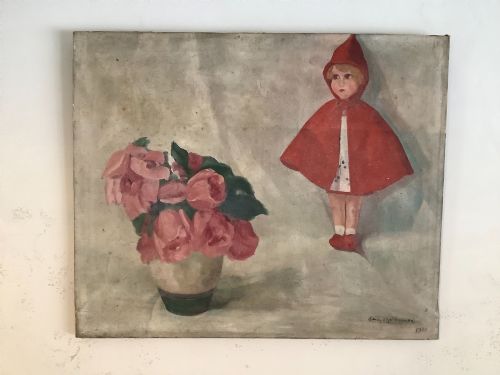
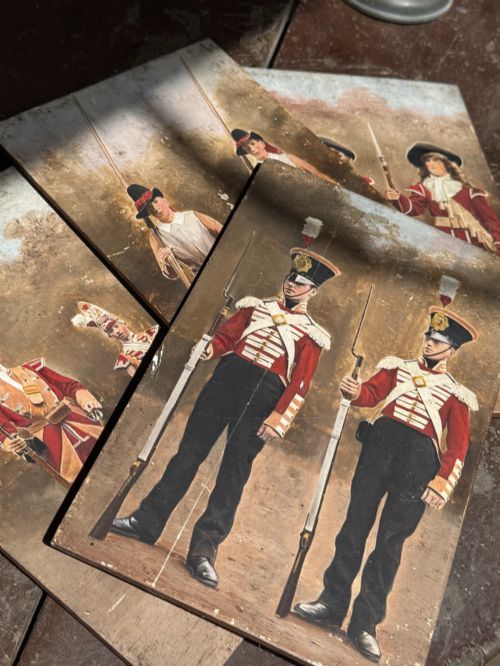
The format varies from small oil on canvas panels to works on board and wood, occasionally including decorative items such as painted tambourines and pottery vessels. These pieces record the everyday tastes of their makers without the polish of the formal academies.
How They Were Made
Makers applied oil paint to readily available substrates such as wood panel, canvas, paper-covered board, and occasionally repurposed objects. The brushwork relies on direct observation and flat planes of colour rather than layered academic glazes.
Many surviving pieces retain their original wooden frames, sometimes finished with gilt or simple painted surrounds. The physical construction often reflects domestic resourcefulness, using local materials and standard joinery of the period.
What Varies in Quality
Quality rests in the conviction of the brushwork and the strength of the composition rather than adherence to academic perspective. The most successful examples achieve a striking immediacy through bold colour choices and assured placement of figures.
The survival of the original surface condition heavily influences the standing of a piece, particularly where the pigment remains stable and unblemished by heavy restoration. Signed works or those attributed to specific provincial artists carry distinct documentation value.
J Brown·E H Windred·James Kyd·Ferruccio Vitale·W Charaton·Charles Randell·Jack Cox·Gertrude Halsband
The Folk Art Oil Painting Glossary
- Naive art
- Artwork created by a person without formal artistic training, often characterised by simplified perspective and flat colour. This approach gives the imagery its direct and unstudied appeal.
- Oil on canvas
- Pigment bound in an oil medium and applied to a woven fabric support stretched across a wooden frame. This combination provides a flexible and durable surface for the painter.
- Oil on panel
- Pigment applied directly to a wooden board or panel rather than fabric. Panels offer a rigid surface that frequently survives in stable condition over centuries.
- Provincial
- Originating from regions outside the capital or major artistic centres. Provincial pieces often reflect local materials and regional character rather than metropolitan trends.
- Primitive
- A term used by collectors to describe early or untutored works that pre-date academic refinement. These objects display an elemental approach to form and line.
Folk Art Oil Painting: Frequently Asked Questions
Are these paintings signed by artists?
Many folk art oil paintings remain unsigned because the makers operated outside professional artistic circles. When signatures or attributions do appear, they often point to local painters or provincial recorders.
Unsigned works are judged entirely on their stylistic merits, subject matter, and the integrity of the materials used.
What surfaces were used for these works?
Makers painted on stretched canvas, wooden panels, and boards, depending on what materials were locally available. Some regional pieces even appear on unexpected surfaces such as tambourines or pottery vessels.
The choice of substrate often helps in determining the period and geographical origin of the piece.
How do I hang a provincial painting?
These works suit domestic spaces where their honest scale and direct subject matter can be appreciated up close. Pair them with simple period frames that complement the age of the canvas.
Avoid placing oil paintings in direct sunlight or damp environments to protect the pigment and the wooden support over time.