





Folk Art Dower Chest
A folk art dower chest brings vibrant painted tradition and rustic storage into a room, offering enduring regional character and practical utility.
Folk Art Dower Chest
A folk art dower chest serves as a traditional marriage or blanket box, originating from various European regions including Scandinavia, Hungary, Romania, and the Alpine region. These pieces function primarily as large storage coffers and trunks designed to hold household linens and dowry items.
Buyers on this page most frequently encounter nineteenth-century painted pine examples, often dated around the mid-century or earlier Georgian periods. Forms range from flat-topped blanket boxes to dome-top marriage chests and mule chests equipped with lower drawers.
Regional styles dictate the visual appearance, spanning Scandinavian country designs alongside Hungarian and continental folk art traditions. Each chest displays distinct regional painting styles that distinguish its geographical origin.
Construction and surface decoration
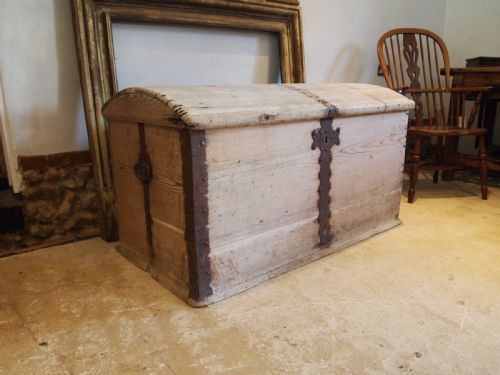
Carpenters constructed these pieces primarily from solid pine, utilising sturdy boards joined to form deep coffers and trunks. Structural reinforcement relied upon hand-wrought iron hardware, including hinges, brackets, and carrying handles.
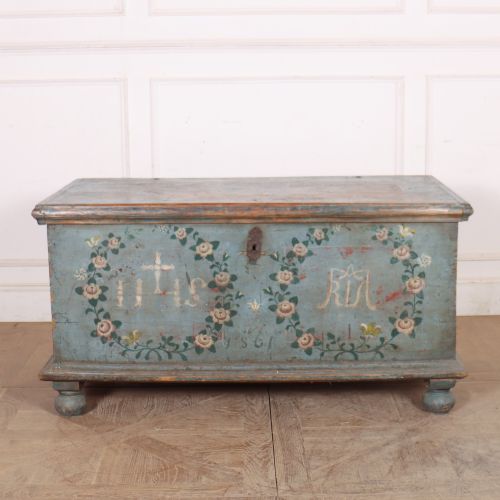
Surface decoration involved applying paint and pigment directly to the timber base, frequently featuring floral motifs and traditional regional patterns. Artisans also incorporated specific dates and inscriptions directly onto the painted pine panels.
Folk Art Dower Chest Retail Price Guide 2026
Typical asking prices for folk art dower chest among the pieces listed under this phrase on Sellingantiques today, from the lower quarter to the upper quarter. They describe what is for sale here now, not the wider market.
Marriage chests frequently preserve painted dates and floral secrets applied by rural artisans over two centuries ago.
Assessing quality in painted chests
Quality rests significantly on the preservation and authenticity of the original painted surface rather than a pristine modern finish. Surviving pigment with rich floral detail and visible brushwork elevates a piece above standard utility boxes.
The integrity of the pine construction and the retention of original wrought iron hardware define the structural standard. Well-preserved lids, dovetailed joints, and original interior compartments distinguish superior examples.
The Folk Art Dower Chest Glossary
- Dower chest
- A large box traditionally used to collect household linen and clothing in anticipation of marriage. These pieces frequently feature painted decoration specific to the region of origin.
- Mule chest
- A storage chest fitted with one or more drawers beneath the main trunk compartment. This hybrid form combines the deep storage of a coffer with the accessible drawer space of a chest.
- Dome top
- A rounded lid construction designed to shed water and increase internal capacity. This shape appears frequently on nineteenth-century marriage trunks.
- Wrought iron
- Iron beaten into shape by hand to create functional hardware such as hinges and locks. This material provides durable reinforcement for heavy pine chests.
Folk Art Dower Chest: Frequently Asked Questions
How were these chests used historically?
Historically, families used these large coffers to hold textiles, clothing, and household goods accumulated for a wedding. They often sat in the main living quarters or sleeping areas as prominent items of furniture.
The sturdy construction allowed the chests to double as benches or tables when necessary, while secure iron locks protected valuable contents.
How do I identify the period of a painted chest?
Dating relies on examining the construction methods of the pine body, the style of the hand-painted decoration, and any inscribed dates. Nineteenth-century examples often display specific regional palettes and traditional floral designs.
Hardware such as wrought iron hinges and handles also provides physical clues to the manufacturing era, alongside the specific form of the lid and base.
How do I care for a painted pine chest?
Caring for a painted pine chest involves keeping the piece away from direct sunlight and maintaining stable indoor humidity to protect the fragile pigments. Gentle dusting with a dry cloth preserves the historic surface without damaging the paint.
Harsh chemical cleaners must be avoided entirely, as they can strip away original historic layers and compromise the timber.