

Folding Room Screen
A folding room screen divides space and creates intimacy, bringing centuries of craftsmanship from diverse global traditions into the home.
Folding Room Screen
A folding room screen serves to divide interior spaces, create privacy, or alter the proportions of a room. These pieces range from small table screens and modesty screens to large multi-panel folding room screen configurations.
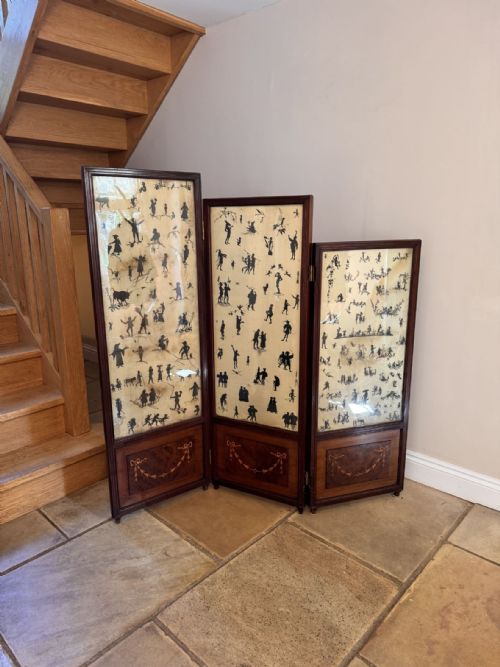
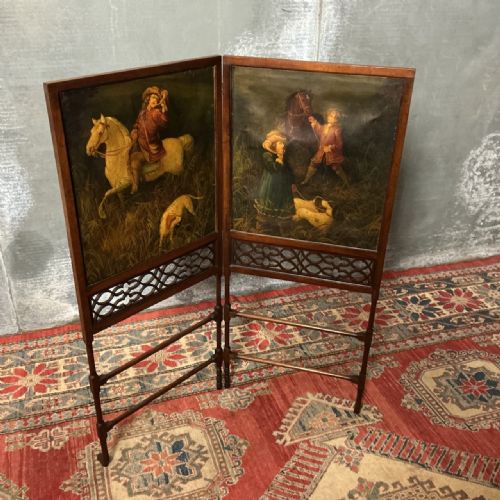
The selections span multiple eras, including the eighteenth, nineteenth, and early twentieth centuries, with Victorian examples appearing frequently. Forms include dressing screens, fire screens, and expansive multi-fold room dividers.
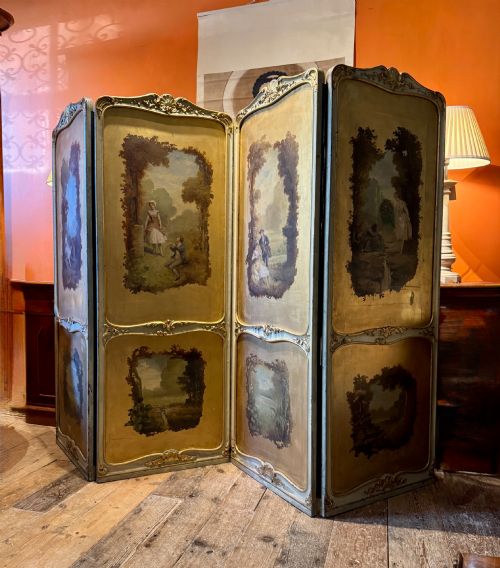
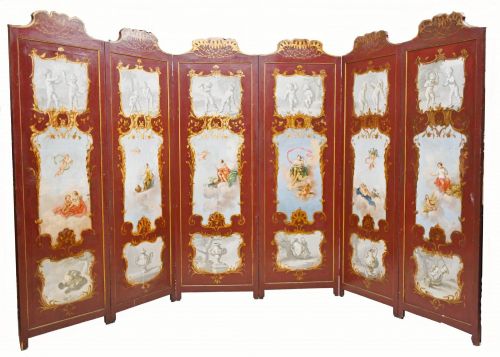
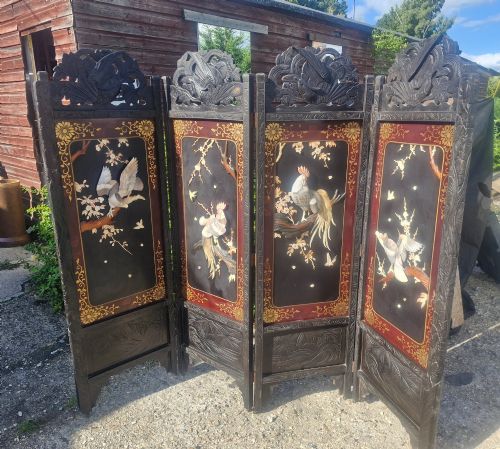
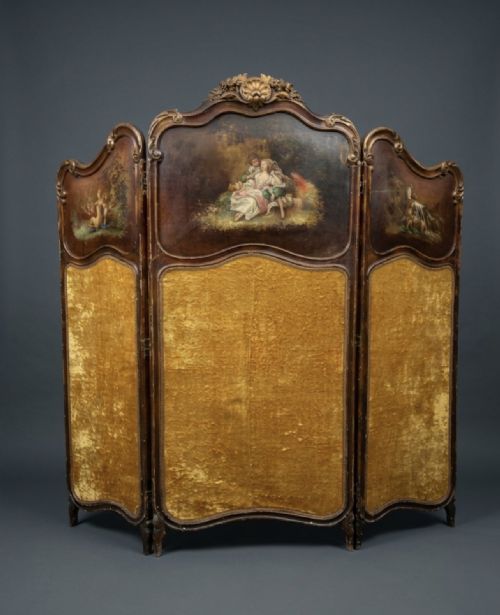
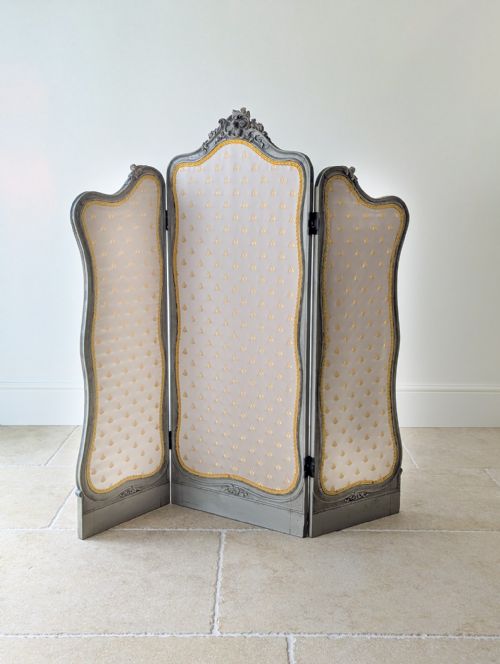
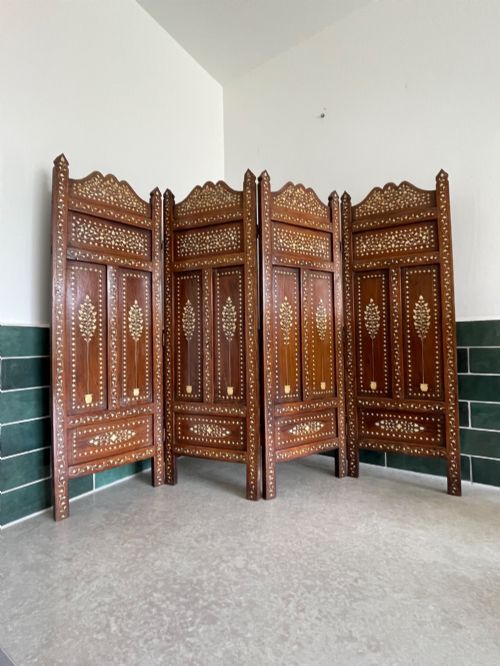
Geographic origins and stylistic influences vary widely across the inventory, encompassing French Rococo Revival, Anglo-Indian, Chinese Chinoiserie, Japanese, and Persian styles. Common structural formats utilise three, four, or six hinged panels.
Materials and construction methods
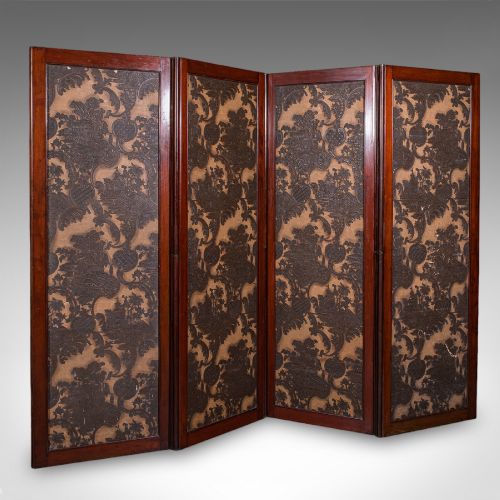
Frames are predominantly constructed from timber, utilising woods such as mahogany, walnut, oak, padauk, and assorted hardwoods. Brass fittings often provide the hinges and structural support necessary for multi-fold articulation.
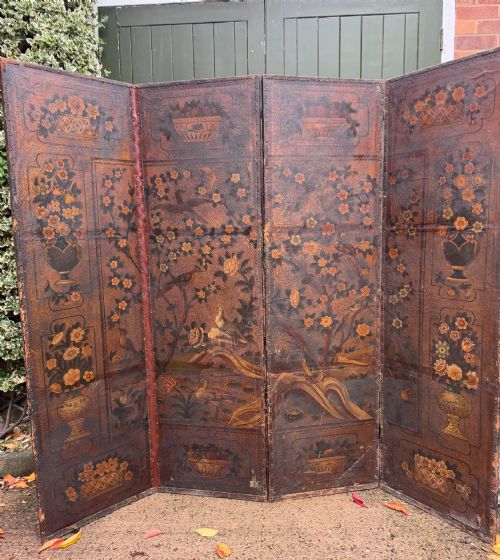
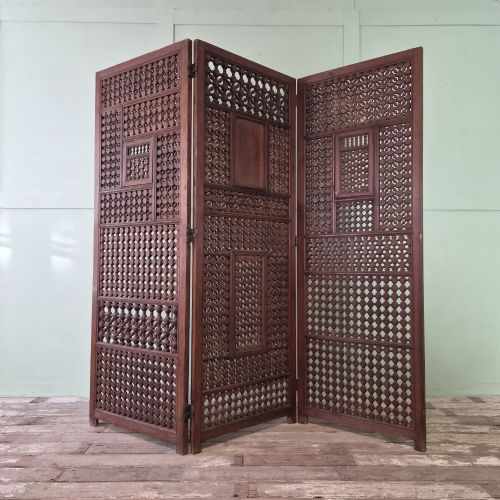
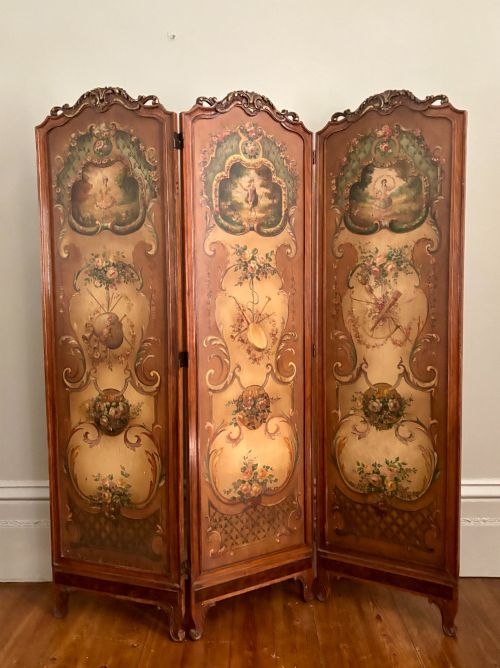
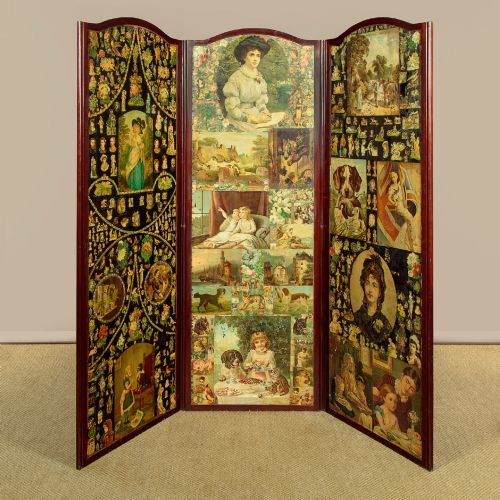
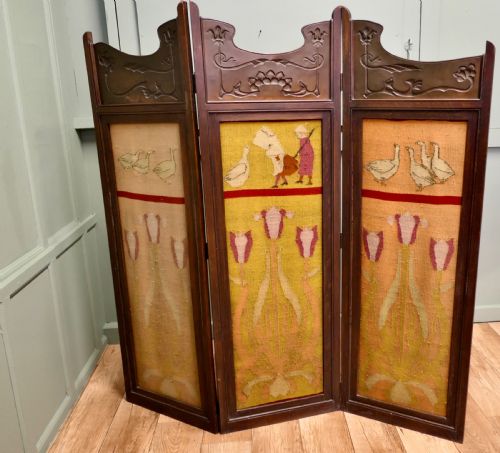
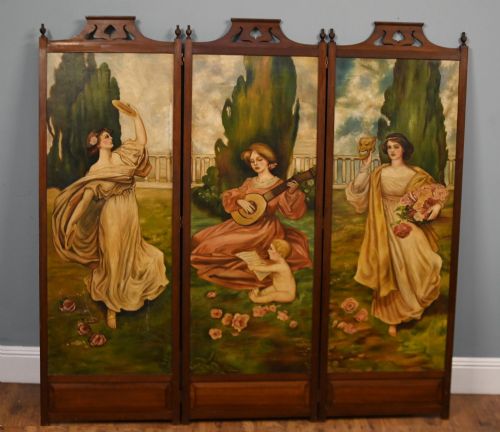
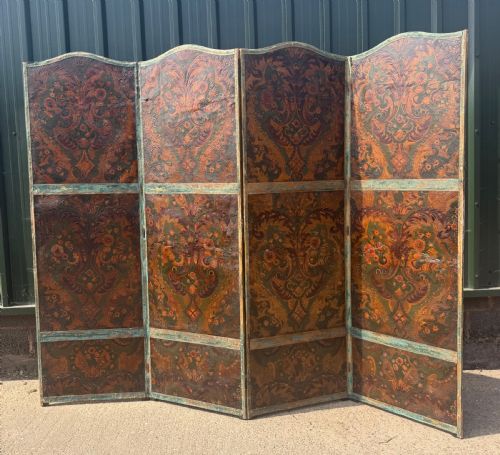
Surface ornamentation defines the visual character of these pieces, employing hand-painted oil canvases, tooled leather, lacquer, silk panels, needlepoint, and scrap work collages. Certain regional examples incorporate carved bone, hardstone mounts, or intricate mashrabiya lattice woodwork.
Folding Room Screen Retail Price Guide 2026
Typical asking prices for folding room screen among the pieces listed under this phrase on Sellingantiques today, from the lower quarter to the upper quarter. They describe what is for sale here now, not the wider market.
The inventory records diverse stylistic influences for the folding room screen, including Chinoiserie, Art Nouveau, French Rococo Revival, and Anglo-Indian designs.
Factors influencing quality
The distinction between tiers rests upon the fidelity of the craftsmanship, the complexity of the materials, and the execution of the surface decoration. Hand-painted artistry, deep carving in wood or bone, and genuine period lacquer work elevate a piece above standard decorative items.
Structural integrity and the condition of original hinges, textiles, or leather panels dictate overall merit. Pieces retaining their early painted surfaces, bevelled glass, or gilt detailing without extensive modern restoration command greater regard.
William Morris
The Folding Room Screen Glossary
- Chinoiserie
- European decorative style reflecting Chinese artistic influences, frequently seen in lacquered folding room screen panels and painted motifs.
- Cordoban leather
- Heavy, embossed, and gilded leather historically produced in Spain, often emulated in Dutch and continental folding room screen designs.
- Mashrabiya
- An architectural element featuring intricate wooden lattice turning, utilised in panels for ventilation and privacy within folding room screen construction.
- Coromandel lacquer
- Chinese incised lacquer ware where designs are carved into a dark ground and filled with colours, typical of high-status folding room screen panels.
- Modesty screen
- A small folding room screen historically used to shield individuals while dressing or dining.
Folding Room Screen: Frequently Asked Questions
How were folding room screens used historically?
These screens partitioned large draughty chambers, created private dressing areas, and shielded occupants from fireplace heat. They adapted easily to changing interior layouts.
In domestic settings, they also served as decorative backdrops for furniture or as temporary partitions for dining and entertaining.
Where should I place a folding room screen?
Position a folding room screen in corners to soften hard angles, or use multi-panel versions to divide open-plan living areas into distinct zones. They function effectively against blank walls as vertical art.
Ensure adequate clearance for the hinged panels to fold or adjust without obstructing doors or heavy furniture.
How do I distinguish between different periods?
Examine the timber species, hinge types, and decorative techniques to identify the era. Victorian examples often feature heavy mahogany, needlepoint, or black lacquer, whilst eighteenth-century pieces frequently display Dutch or Chinese gilt leather and Coromandel work.
Later twentieth-century iterations show simpler frames and different synthetic or machine-woven textile inserts.
Are these screens stable on modern floors?
Most folding room screens stand securely when the panels are arranged in a zig-zag or angled configuration, which provides natural structural support. Uneven modern flooring may require careful positioning of the hinges.
Larger multi-fold panels distribute weight evenly, but extremely tall screens benefit from careful placement away from high-traffic walkways.