


Folding Oak Drop Leaf
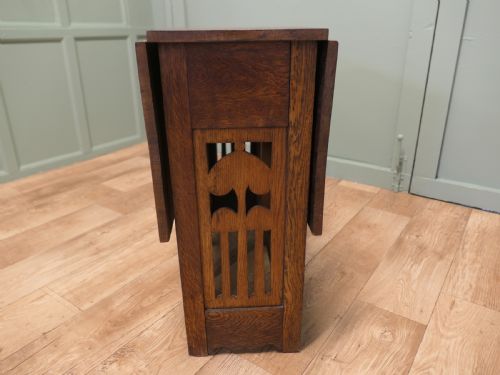
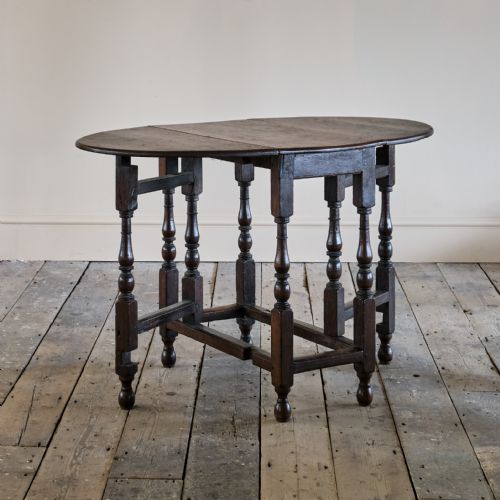
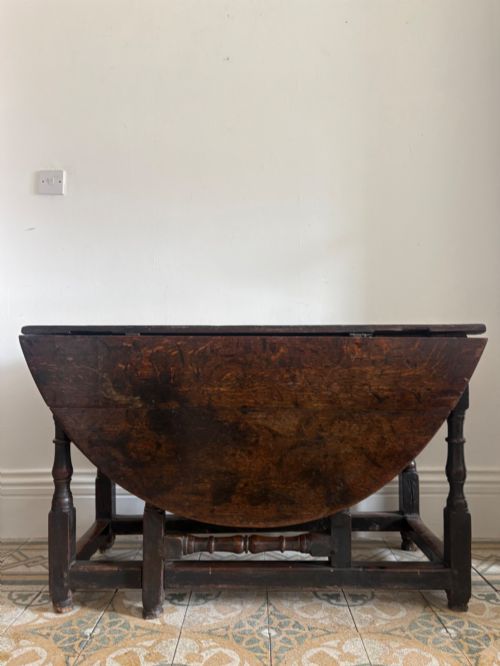
Folding oak drop leaf tables are adaptable antique surfaces designed to save space, moving easily from compact console to full family dining.
Folding Oak Drop Leaf
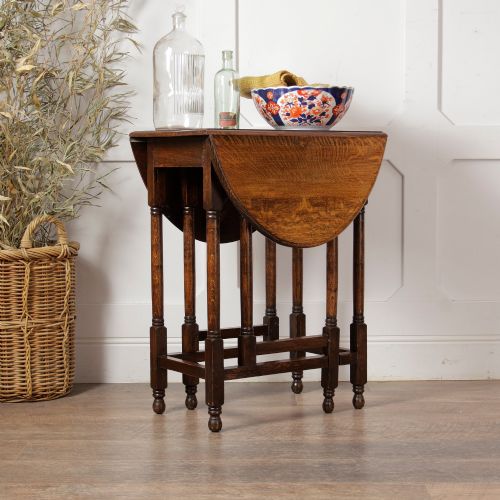
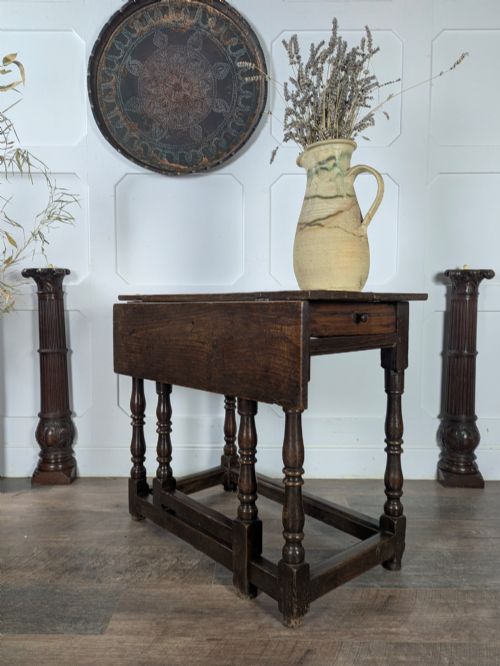
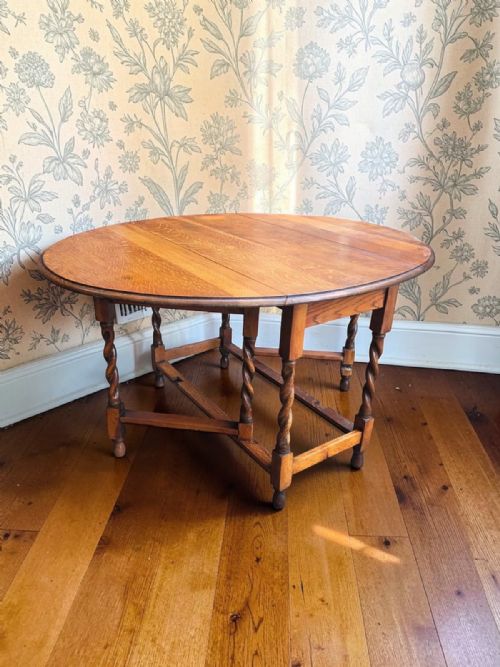
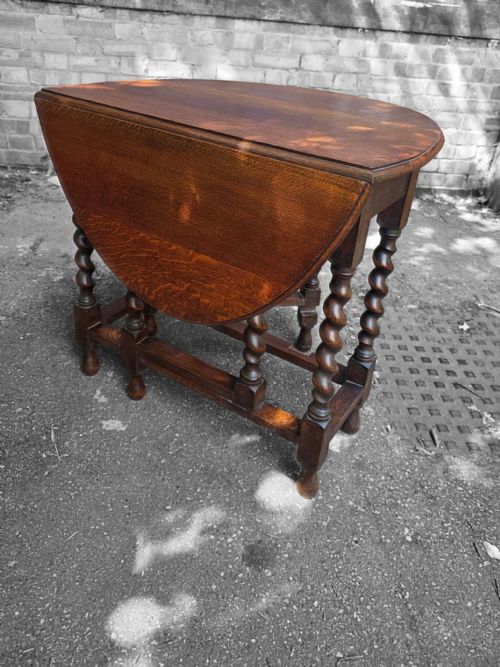
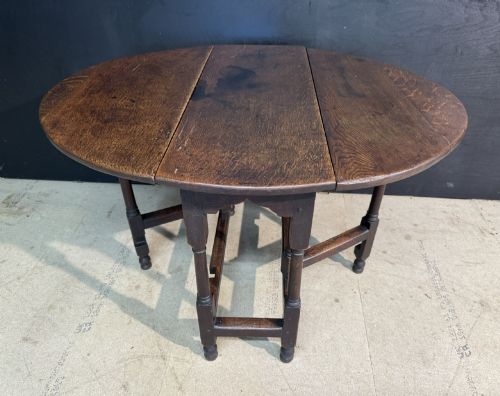
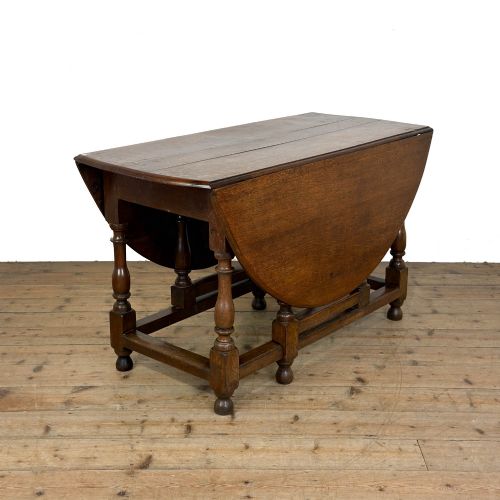
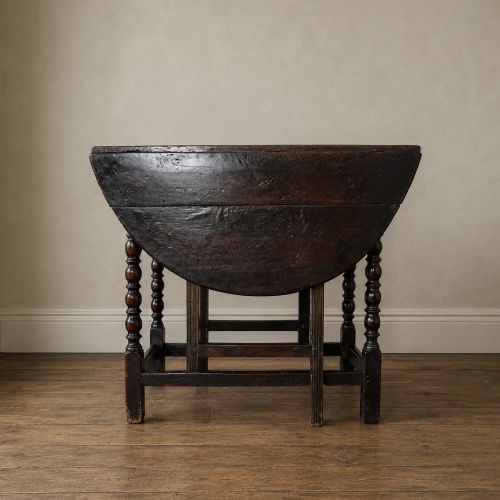
When you search for a folding oak drop leaf, you are looking at centuries of practical British table design, where timber hinges and pivoting legs turn a large dining surface into a narrow wall console. The examples you meet on this page range from late seventeenth-century country pieces with plank tops and turned baluster supports to twentieth-century revivals with barley twist legs.
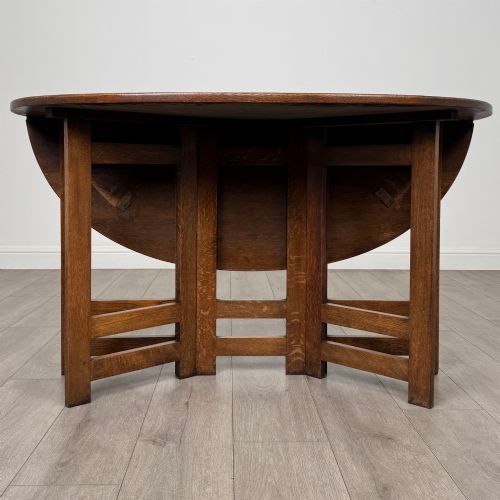
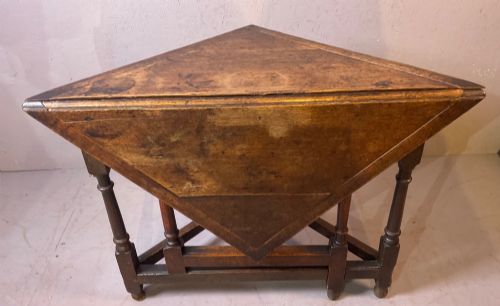
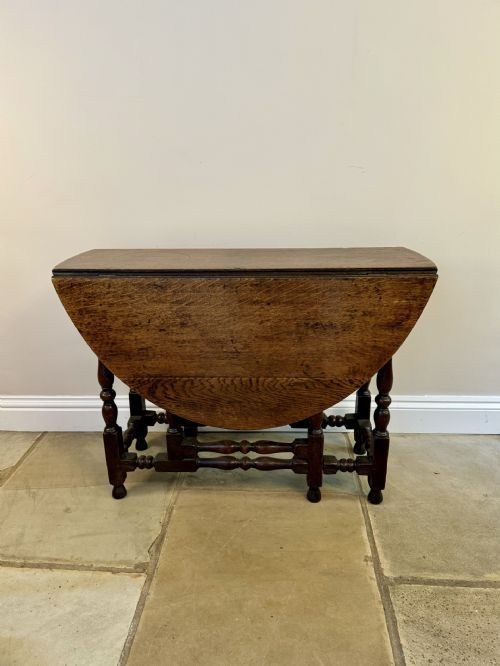
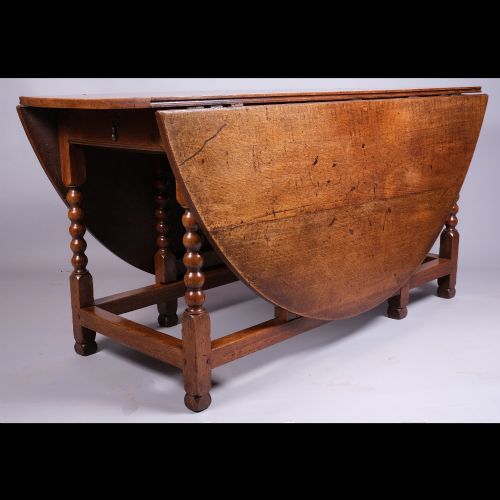
Gateleg construction dominates the selection, using swinging framework legs to support the dropping flaps when extended. You also find specialised forms such as oval wake tables, handkerchief tables with trifold leaves, and occasional side tables suitable for smaller rooms.
The periods represented stretch from the seventeen-hundreds through the Victorian era and into Edwardian revivals, showing how cabinetmakers repeatedly returned to oak for its strength. These tables served centuries of households as kitchen, supper and dining surfaces that folded away when the meal ended.
How they were made
Makers built these tables predominantly using solid oak, sometimes combining it with walnut, mahogany, ebony or fruitwood for contrast, and fitted them with brass or iron hinges to handle the movement of the leaves. Turned legs - ranging from simple bobbin and baluster shapes to elaborate barley twists - support the weight when the leaves are raised.
The joints rely on traditional pegged mortise and tenon construction for the frame, ensuring the table remains stable under daily use. Surfaces often show hand-planed top boards and patinated finishes that developed through decades of polishing and household wear.
Early makers sometimes incorporated a hidden drawer into the frame so diners could quickly stow away their cutlery after supper.
What varies in quality
Quality in these tables rests on the integrity of the timber selection and the retention of original structural elements like the swing leg pivots and hinges. Pieces retaining their early surface patination and deep colour stand apart from later replacements or heavily stripped examples.
The proportion and turning of the leg supports define the visual success of the piece, with crisp balusters or well-cut twists showing the hand of a more accomplished workshop. Balance and stability when the leaves are fully extended indicate careful initial joinery.
The Folding Oak Drop Leaf Glossary
- Gateleg table
- A table with hinged leaves supported by one or more legs that swing out like a gate. This design provides sturdy support for drop leaves while allowing the whole assembly to fold down compactly.
- Barley twist
- A type of turned leg resembling a spiral rope. This decorative carving method appeared frequently in seventeenth-century furniture and saw a major revival in the Edwardian period.
- Patina
- The deep, lustrous surface sheen developed on old wood over decades of handling, exposure to light and waxing. It serves as an indicator of age and careful maintenance.
- Plank top
- A table surface constructed from solid boards joined edge to edge rather than veneered panels. Early examples often display distinct grain patterns and tool marks from hand planing.
- Drop leaf
- A hinged section of a table top that can be raised to increase surface area or dropped down when space is limited. These leaves allow a single table to function as both a console and a dining surface.
Folding Oak Drop Leaf: Frequently Asked Questions
How do you support the leaves on a gateleg table?
A folding oak drop leaf relies on a pivoting leg frame that swings outward from the central fixed base to hold the leaf in position.
When you lower the leaf, the gate swings back inward parallel to the apron, allowing the table to rest flat against a wall.
Where were these tables used in a historic home?
These versatile tables functioned primarily in dining rooms, kitchens and parlours where floor space needed to adapt quickly.
Families used them for daily meals, supper gatherings, or folded them away as side consoles when rooms needed to stay clear.
How do I tell an 17th century table from a 1920s revival?
Early pieces show hand-cut joinery, pegged tenons, and deep timber shrinkage that creates undulations across the boards.
Revival pieces from the early twentieth century often display machine-turned consistency in elements like barley twists and cleaner, more uniform surfaces.
What is the difference between a wake table and a standard gateleg?
A wake table is an extra-large oval drop-leaf table designed to seat many people for feasts or community gatherings.
Standard gateleg tables are smaller and built for everyday household dining or domestic side use.
How should I care for an antique oak surface?
Keep the wood away from direct heat sources and sudden humidity changes to prevent the solid oak boards from splitting.
Apply a traditional beeswax polish occasionally and buff gently with a soft cloth to maintain the natural patination.