

Folded Leaf Table
These folded leaf table designs span centuries of ingenuity, offering expanding surfaces crafted to adapt to changing domestic spaces.
Folded Leaf Table
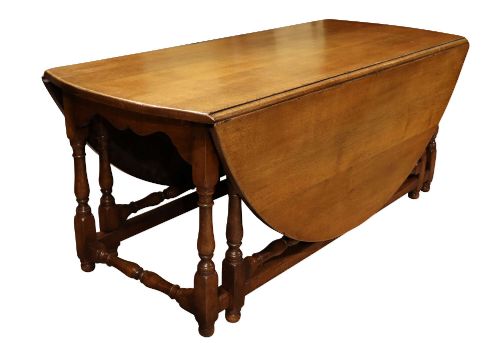
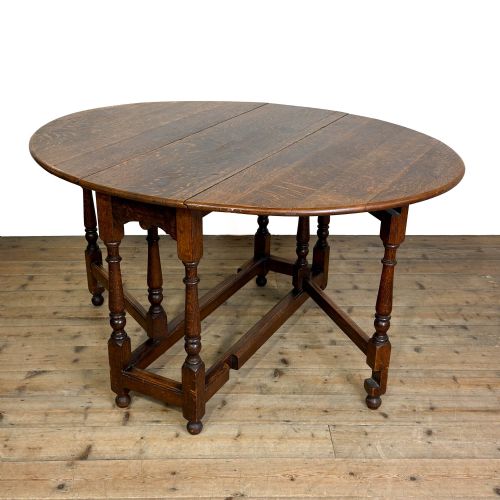
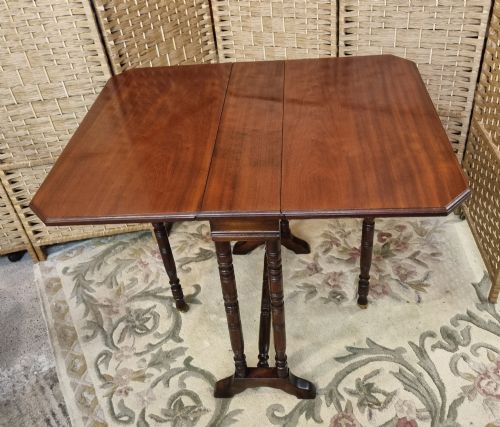
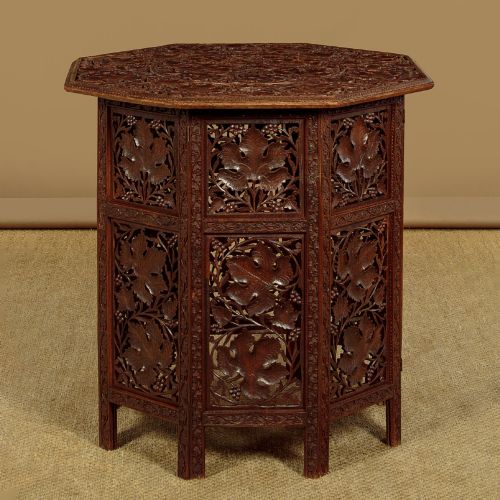
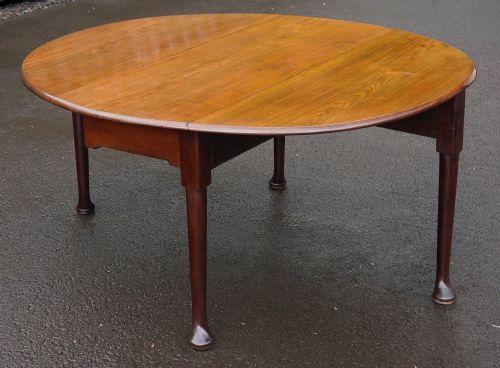
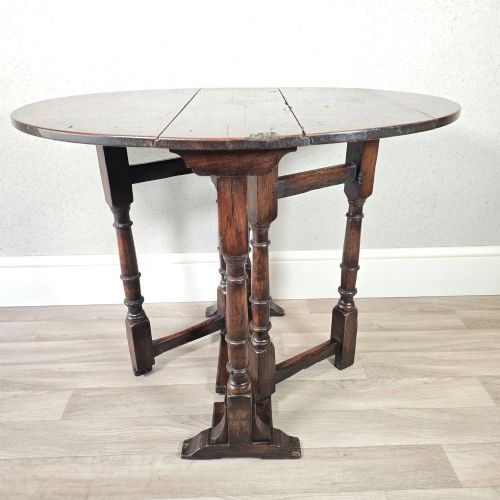
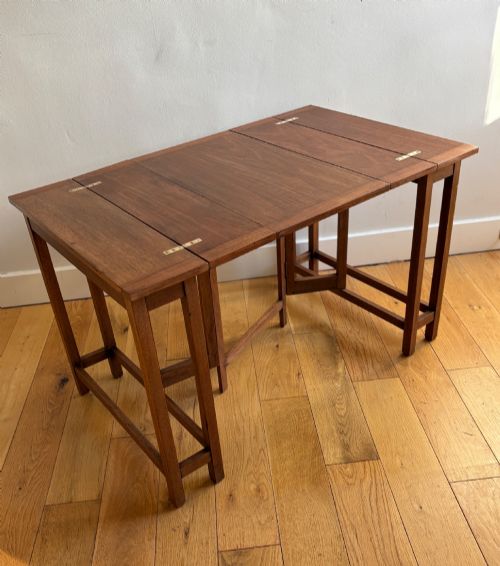
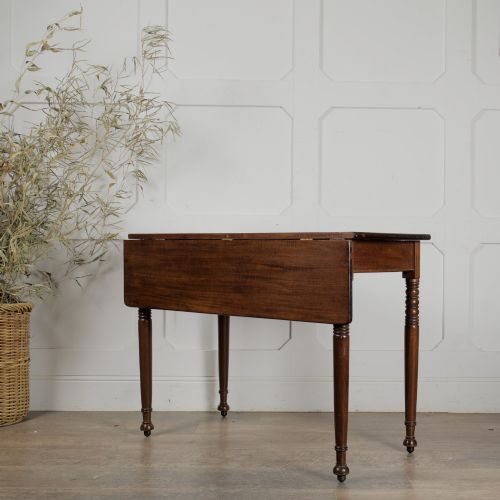
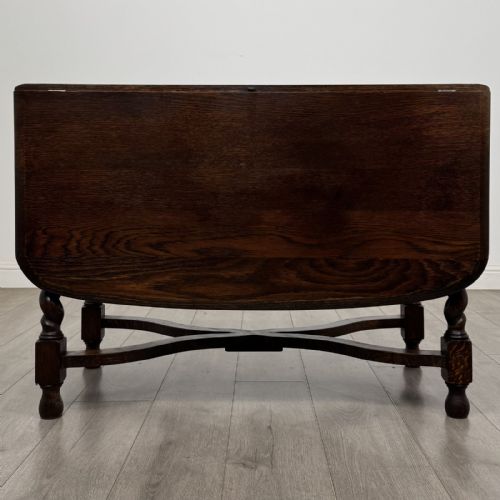
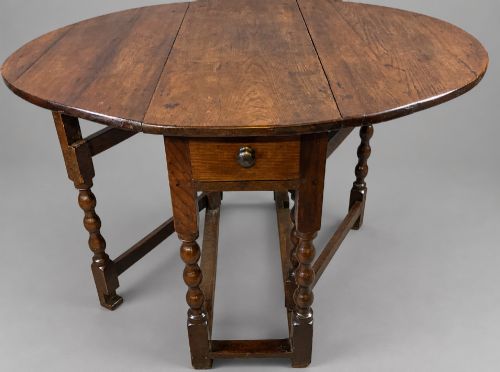
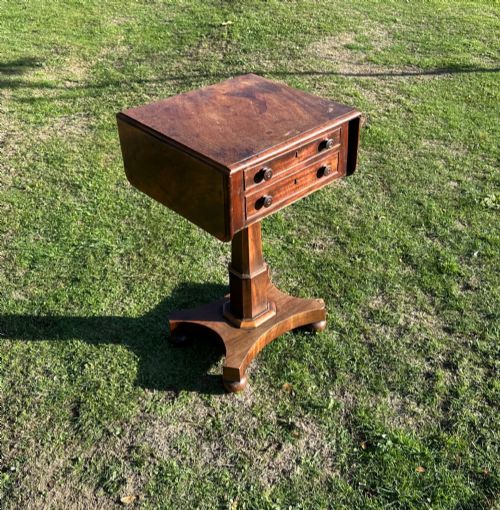
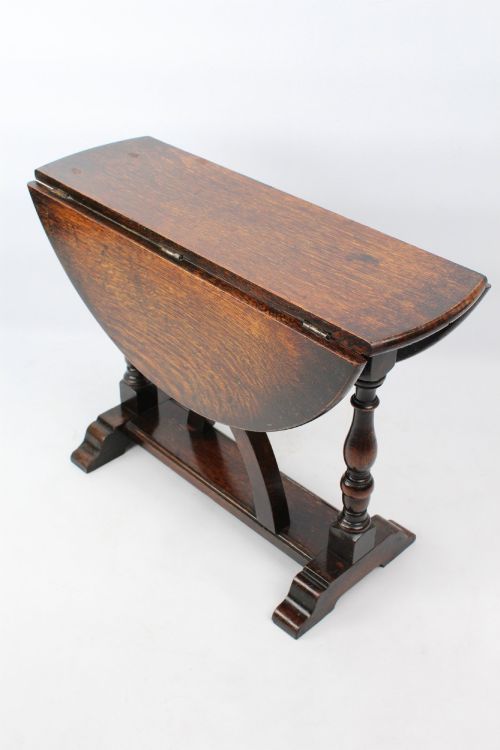
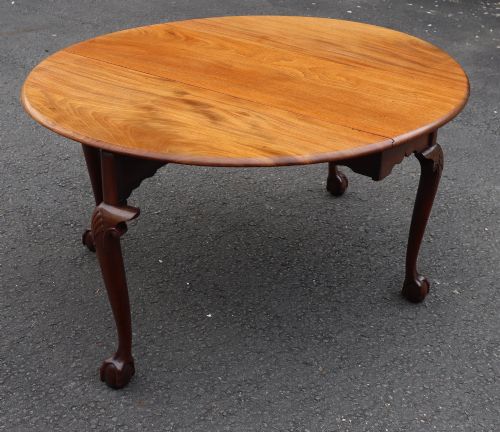
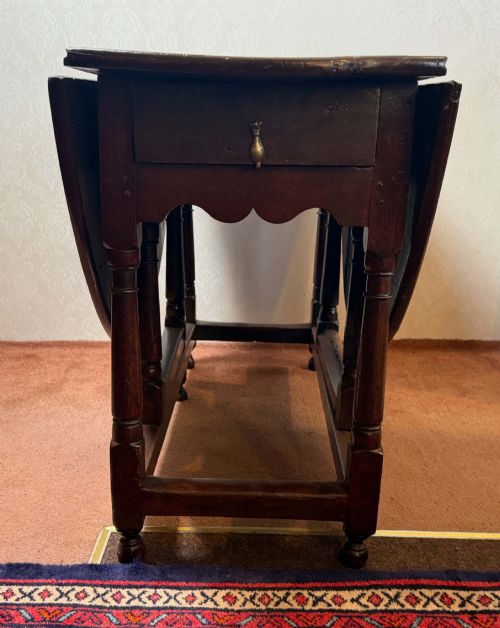
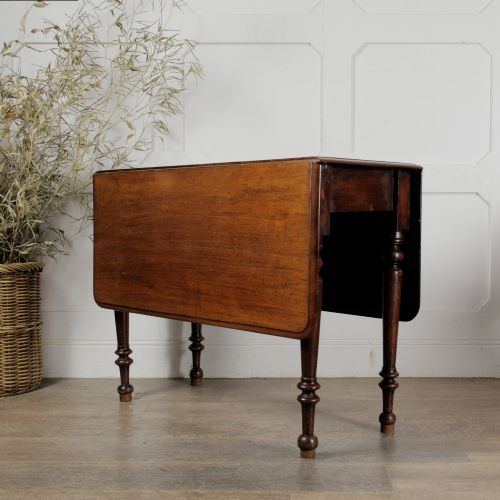
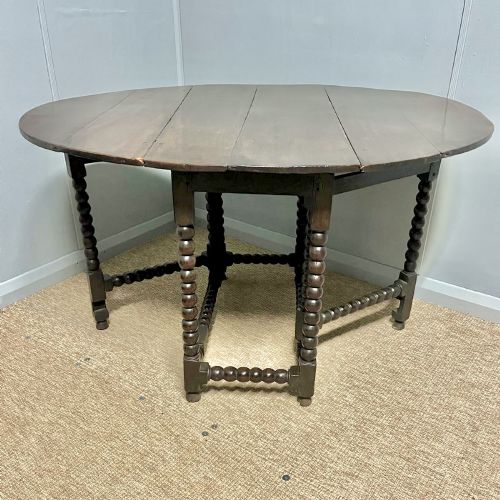
A folded leaf table encompasses versatile dining, occasional, and tea tables designed with hinged sections that extend the surface area when needed. These pieces take the form of gateleg, drop leaf, Pembroke, and Sutherland tables originating from the seventeenth century onwards.
Examples from the Edwardian period and the early twentieth century utilise lighter woods and arts and crafts influences, while earlier Georgian and Queen Anne specimens showcase robust timbers and intricate folding mechanisms.
Materials and construction methods
Cabinetmakers relied on native timbers such as oak, walnut, and mahogany, frequently selecting finely figured grain for prominent surfaces like drop leaves and tabletops. Secondary woods supported internal drawer construction and framing.
Hinged flaps required precise joinery to ensure stable support when raised, utilising swing-out legs, gateleg actions, or wooden brackets. Turned legs, barley twist supports, and brass fittings provided both structural integrity and decorative detail.
Folded Leaf Table Retail Price Guide 2026
Typical asking prices for folded leaf table among the pieces listed under this phrase on Sellingantiques today, from the lower quarter to the upper quarter. They describe what is for sale here now, not the wider market.
Listings span from the 17th century through the Edwardian era, incorporating oak, mahogany, walnut, and satinwood.
Distinctions in craftsmanship and condition
Quality rests in the selection of timber, visible in the richness of the patina and the matching of grain across the folding leaves. Superior pieces maintain tight joints in the folding mechanism and retain original brass hardware or turned wooden supports.
Proportion and scale dictate desirability, particularly in seventeenth and eighteenth-century oak and walnut examples where smaller formats command attention. Evidence of alterations or replaced hinges diminishes historical integrity compared to intact original construction.
The Folded Leaf Table Glossary
- Gateleg table
- A table with hinged leaves supported by one or more legs that swing out like a gate.
- Pembroke table
- A small rectangular or oval table with two hinged drop leaves on opposing sides and frequently a central drawer.
- Sutherland table
- A narrow table with exceptionally slender drop leaves supported by a pivoting leg system.
- Patina
- The surface sheen and mellowing developed through age, handling, and wax polishing over centuries.
- Drop leaf table
- Any table fitted with hinged flaps that drop down to reduce the overall footprint when not in use.
Folded Leaf Table: Frequently Asked Questions
How do I maintain a wooden folding table surface?
Apply quality beeswax periodically to nourish the timber and protect the finish from moisture. Avoid placing these items near direct heat sources to prevent wood splitting.
Lift leaves carefully by their designated supports rather than leaning weight on unsupported edges. Regular dusting with a soft cloth preserves the historic patina.
Were these tables used primarily for dining?
Earlier seventeenth and eighteenth-century oak gateleg versions served mainly as everyday dining furniture in modest households. Later variations adapted to multiple domestic functions.
Nineteenth-century Pembroke and Sutherland editions functioned as tea tables, writing desks, or occasional side furniture. Their flexible footprint suited multi-purpose reception rooms.
How can I distinguish an 18th-century oak gateleg from later revivals?
Examine the timber shrinkage, tool marks, and construction pegging visible beneath the tabletop and frame. Eighteenth-century examples display hand-cut joinery and authentic surface wear.
Revival pieces from the early twentieth century often utilise machine-turned components and standardised fixings. Timber colour and density also differ significantly between centuries.
What is the difference between a Pembroke and a Sutherland table?
Pembroke tables feature two relatively narrow drop leaves and typically incorporate a drawer beneath the top. They rely on hinged wooden brackets called rule joints to support the flaps.
Sutherland tables possess much wider leaves that drop almost to the floor, supported by a central folding gate structure. This design allows the entire piece to fold into a remarkably slim profile.