
Fold Over Top Table
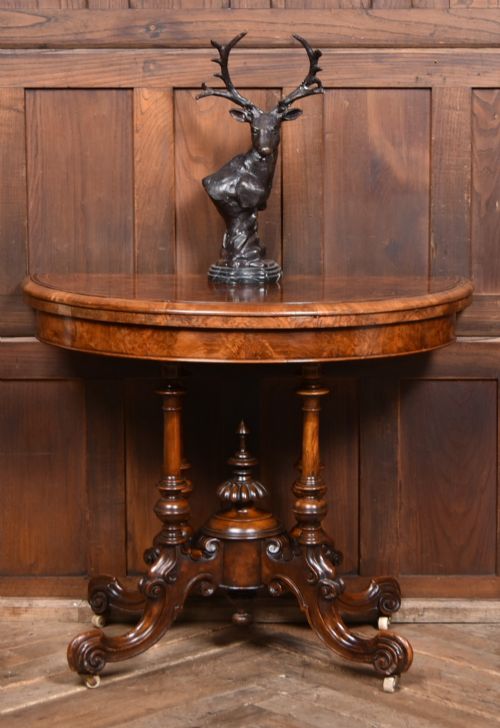
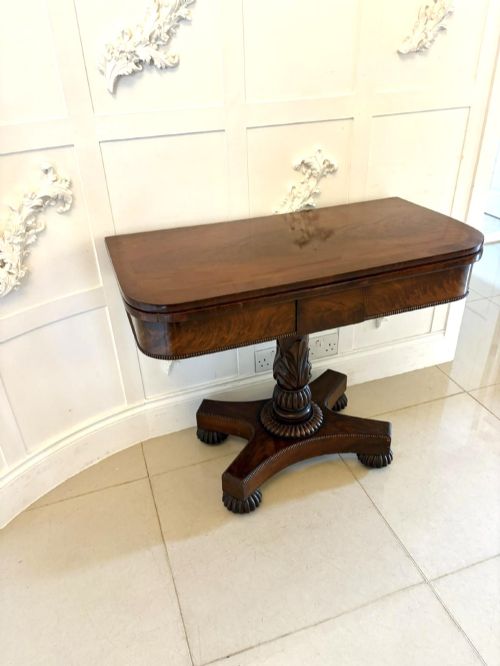
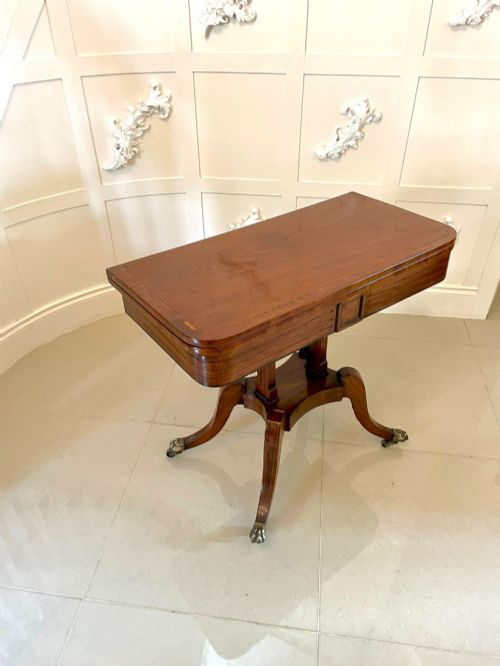
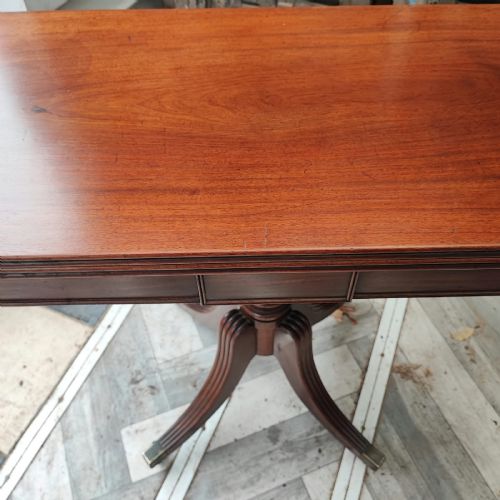
A fold over top table offers clever dual-purpose furniture that swings open to reveal a generous surface for tea or card games.
Fold Over Top Table
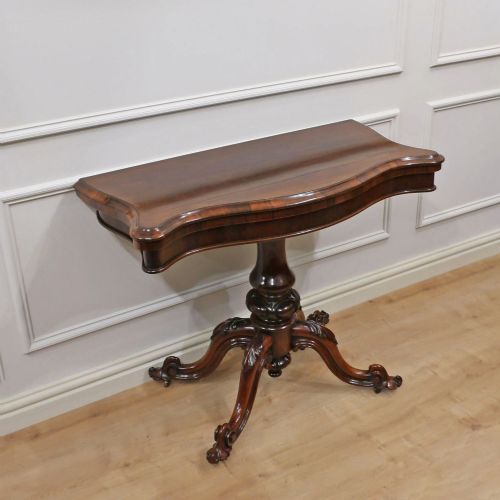
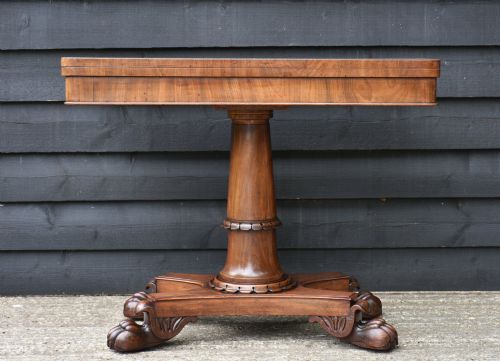
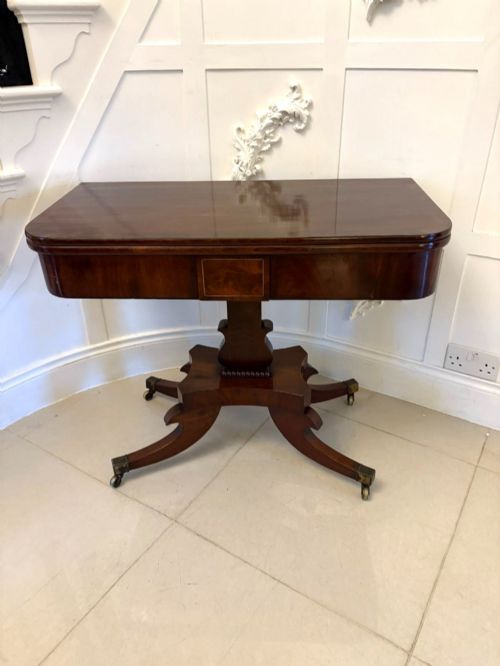
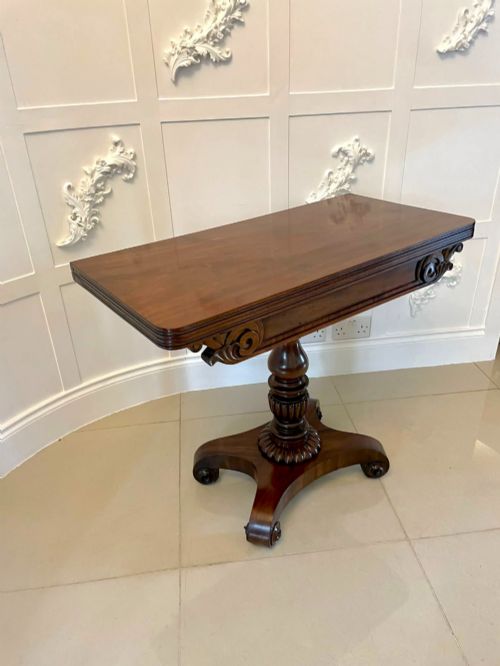
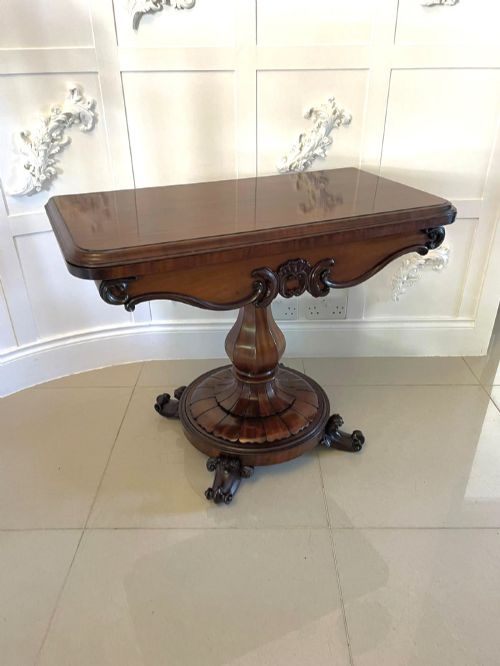
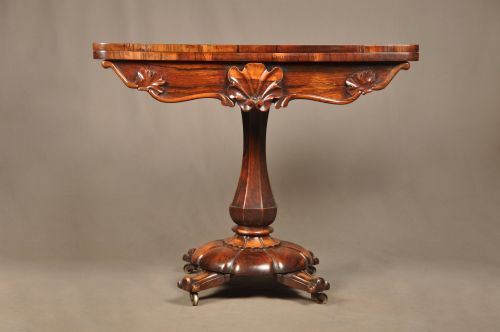
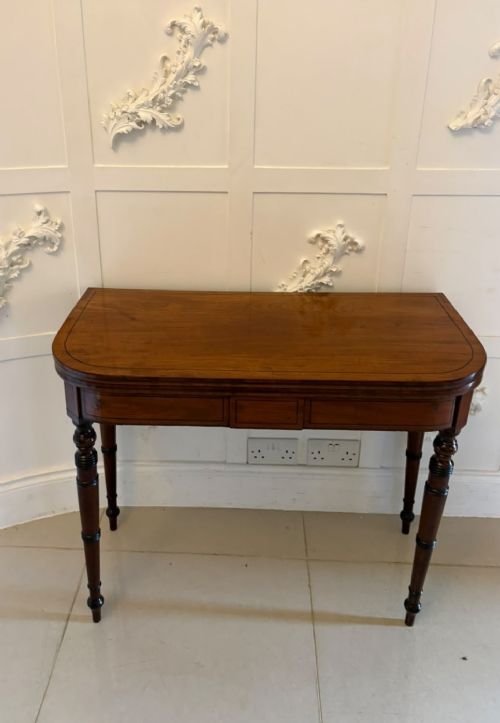
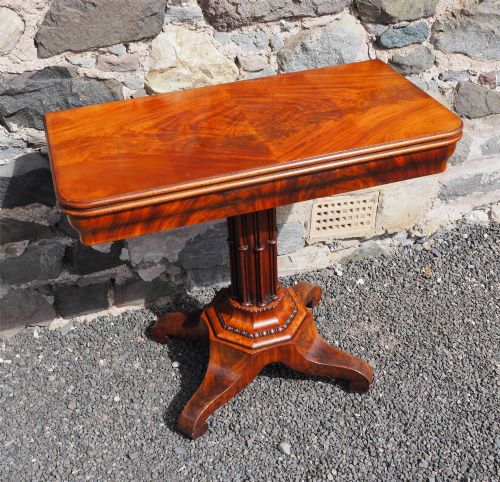
When you search for a fold over top table, you encounter adaptable furniture designed to transform from a compact console or side piece into a larger surface for dining, writing, or gaming. The pieces on this page span the Georgian, Regency, William IV, and Victorian periods, showcasing forms that served polite society as tea tables, card tables, and games tables.
You are most likely to meet mahogany examples from the 19th century, alongside rosewood and walnut variations featuring hinged leaves supported by pivoting frames, pedestals, or gatelegs. These tables bridge the gap between ornamental wall furniture and functional gathering spaces, reflecting the changing domestic habits of past centuries.
How they were made
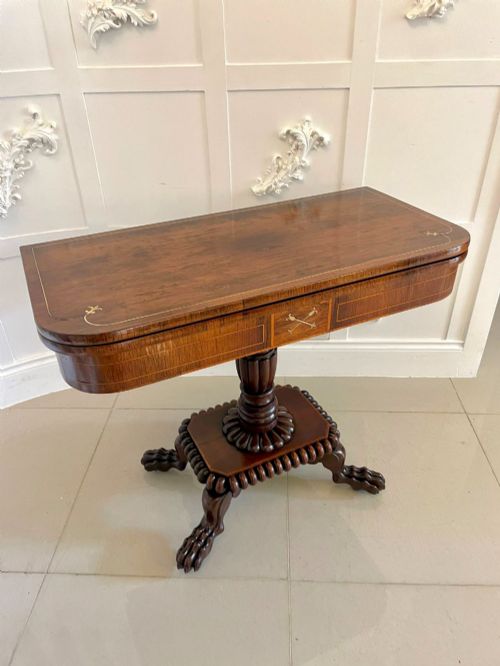
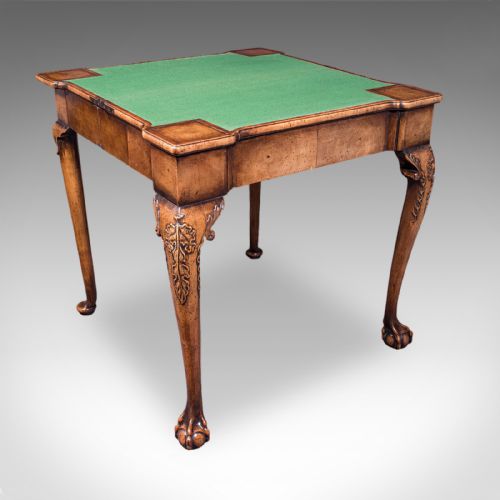
Cabinet makers utilised dense hardwoods such as mahogany, rosewood, and walnut, often selecting figured veneers and burr walnut or burr yew for striking visual grain patterns. Surfaces were frequently embellished with brass inlays, delicate stringing, or crossbanding, while interiors occasionally concealed baize-lined playing surfaces for cards.
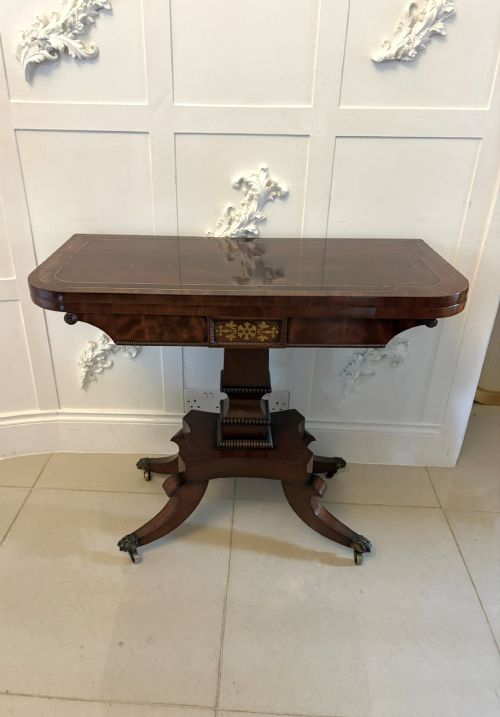
Construction relied on stable timber frames designed to support the weight of a cantilevered or pivoting leaf when opened. Pedestal bases with sabre legs, lyre supports, or tripod configurations provided the necessary balance to prevent tipping when the hinged top was deployed.
Listings feature mahogany, rosewood, and walnut across Georgian, Regency, and Victorian periods.
What varies in quality
The distinction between ordinary and exceptional examples rests in the choice of timber and the precision of the joinery. Superior pieces display continuous, highly figured grain across the fold-over leaves and tight, hand-cut joints that keep the top level in both positions.
Refinement in secondary details elevates a piece, such as crisp carving on the legs, original brass castors, and well-executed brass inlay rather than plain timber edges. The smoothness of the pivoting mechanism and the integrity of the hinging also indicate the original maker's standard of work.
Gillows
The Fold Over Top Table Glossary
- Fold-over top
- A hinged tabletop design that doubles the surface area when opened out flat. It allows a compact wall table to serve guests for tea or games.
- Crossbanding
- A narrow strip of veneer applied around the border of a tabletop with the grain running perpendicular to the centre panel. This technique creates a neat framing effect.
- Baize
- A coarse woollen felt material traditionally used to line the playing surfaces of card and games tables. It provides a soft, grippy texture for moving counters and cards.
- Sabre leg
- A concave, outwardly curving furniture leg tapering towards the foot, popular during the Regency period. It grants stability and a lighter visual profile than straight legs.
- Demilune
- A half-moon or semicircular shape common in console and side tables designed to sit flush against a wall. When folded over, these shapes often reveal a full circular or rectangular surface.
Fold Over Top Table: Frequently Asked Questions
What is a fold over top table?
A fold over top table is a piece of furniture with a hinged leaf that opens out to double its surface area. These tables were traditionally used for dining, tea, or card games.
When closed, they functioned as decorative console or side tables against a wall. This clever mechanism saved space in historic homes while accommodating guests when needed.
How can I date a mahogany table?
Dating a mahogany table involves looking at the cabinet-making techniques, timber characteristics, and overall style. Georgian and Regency pieces often feature solid mahogany frames, hand-cut dovetails, and subtle brass accents.
Victorian iterations tend to use heavier pedestals, figured walnut veneers, or bolder carved details. Examining the construction of the hinge mechanism also helps determine the era of manufacture.
What woods were used for these tables?
Cabinet makers predominantly used mahogany as the primary timber throughout the Georgian and Regency periods. Rosewood and walnut became increasingly popular during the later Regency and Victorian eras.
Finer pieces incorporated decorative veneers like burr walnut, burr yew, and flame mahogany to create striking patterns on the tops. Secondary woods like oak or pine were often used for internal framing.