



Fluted Silver Plated Bowl
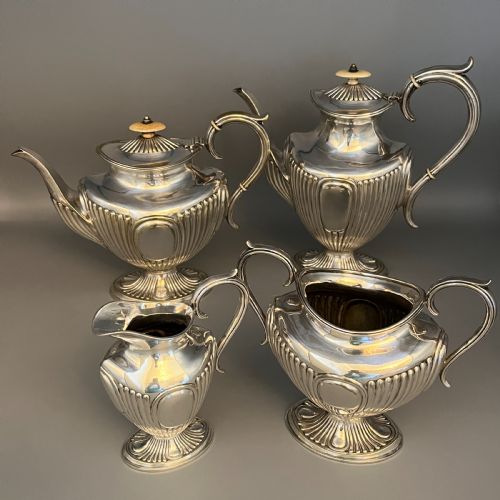
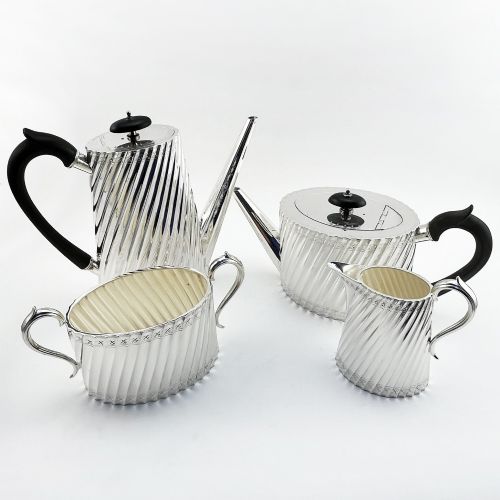
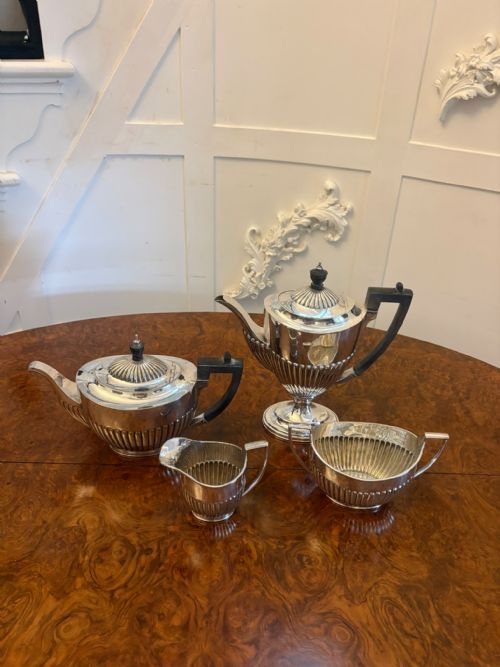
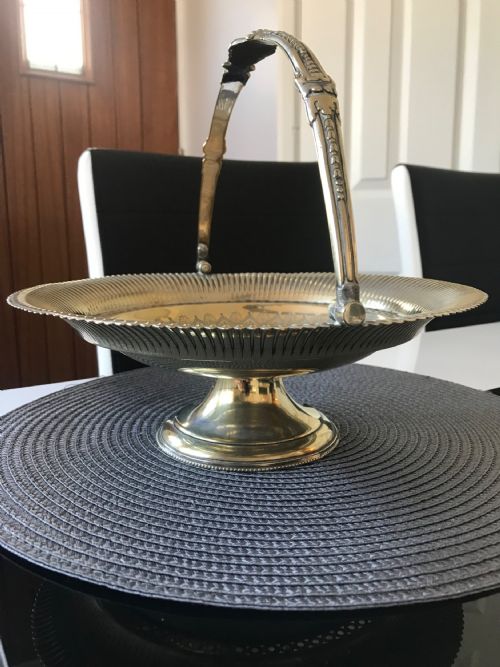
These pieces of fluted silver plated bowl offer a tactile interplay of reflected light and ribbed metal, serving as both functional vessels and striking table centrepieces.
Fluted Silver Plated Bowl
When you search for a fluted silver plated bowl, you encounter holloware items shaped with vertical or radiused grooves that catch the light across various historic periods. The pieces appearing in this category span the Victorian era, the Edwardian period, and Art Deco designs, reflecting diverse domestic uses from the nineteenth century onwards.
The forms extend beyond standalone vessels to include fruit baskets, serving dishes, wine coolers, and tazzas, alongside tea and coffee services that incorporate matching holloware components. Most items derive from British and European workshops, utilising electroplating techniques developed to offer the lustre of solid silver at a accessible scale.
While many examples date from the Edwardian years and the late nineteenth century, occasional pieces stretch back to the mid-nineteenth century or forward into the nineteen-thirties. Buyers selecting a fluted silver plated bowl engage with domestic metalwork that bridged utility and ornamental display across generations.
Assessing quality and execution
Quality rests upon the crispness of the fluted channels and the thickness of the original silver deposit over the base metal. Superior examples display balanced proportions, substantial weight, and well-executed hand-engraving rather than purely machine-stamped decoration.
Maker reputation and the integrity of the underlying metal also distinguish finer pieces, particularly where copper shows through worn plating. Well-preserved surfaces retain their original definition without excessive polishing that softens the edges of the fluting.
Fluted Silver Plated Bowl Retail Price Guide 2026
Typical asking prices for fluted silver plated bowl among the pieces listed under this phrase on Sellingantiques today, from the lower quarter to the upper quarter. They describe what is for sale here now, not the wider market.
Certain nineteenth-century wine coolers carry clan names, suggesting they once chilled bottles at spirited Scottish gatherings.
Walker and Hall·Christofle Gallia·Napier Clan
The Fluted Silver Plated Bowl Glossary
- EPNS
- Electroplated Nickel Silver. This designates a base alloy of copper, nickel, and zinc coated with a layer of pure silver.
- Tazza
- A shallow bowl or cup mounted on a stem and foot. It typically serves fruit or sweetmeats on a formal dining table.
- Holloware
- Tableware items such as bowls, teapots, and baskets that possess volume. It contrasts with flatware like spoons and forks.
- Chasing
- A metalsmithing technique where a design is hammered into the front surface of the metal. It raises the pattern without removing material.
- Base Metal
- The underlying metal substance beneath the silver plating. Common examples include copper, brass, and nickel alloys.
Fluted Silver Plated Bowl: Frequently Asked Questions
How do I clean a silver plated bowl?
Use a soft cloth and a specialised silver cream designed for plated items to preserve the thin silver layer.
Avoid abrasive cleaners or excessive rubbing that might wear through the plating to the underlying base metal.
What is the difference between EPNS and silver plate on copper?
EPNS utilises a white metal alloy of nickel, copper, and zinc as the foundation beneath the silver coating.
Silver plate on copper uses a red copper base, which may occasionally show a warm reddish hue where the silver layer thins over time.
How can I date my silver plated bowl?
Examine the style of the fluting, any associated handles, and hallmarks or maker stamps stamped into the base.
Victorian pieces often feature heavy ornamentation, while Edwardian and Art Deco items display cleaner lines or neoclassical motifs.
Can these bowls be used for serving food?
Most silver plated bowls serve dry foods, fruit, or packaged sweets safely during dining or social gatherings.
Acidic foods should not remain in contact with plated surfaces for extended periods to prevent tarnishing or corrosion.