


Silver Plated Pedestal Bowl
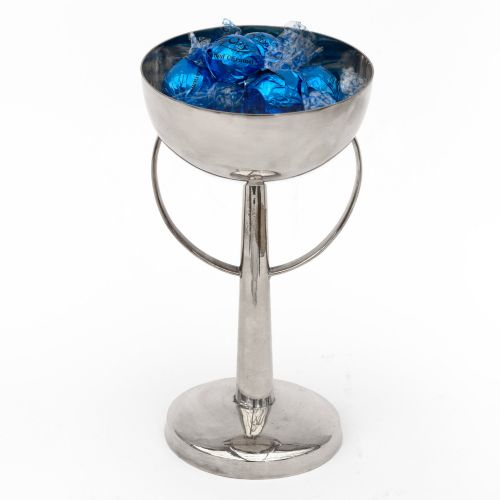
A silver plated pedestal bowl brings height and polish to a table, functioning as a centrepiece, fruit basket, or wine cooler.
Silver Plated Pedestal Bowl
When searching for a silver plated pedestal bowl, buyers encounter a diverse selection of raised vessels designed for display and service. These pieces span from the nineteenth century through the art deco era, incorporating periods such as Victorian, Edwardian, and Georgian aesthetics.
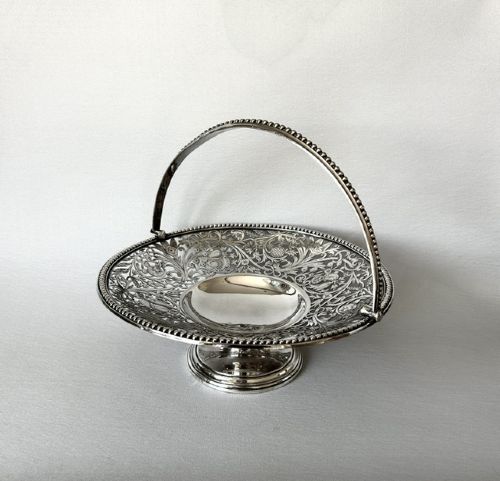
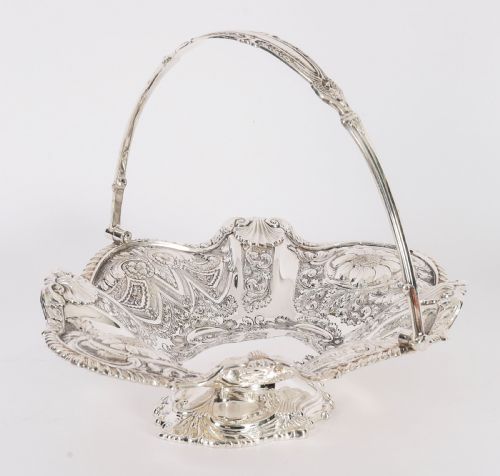
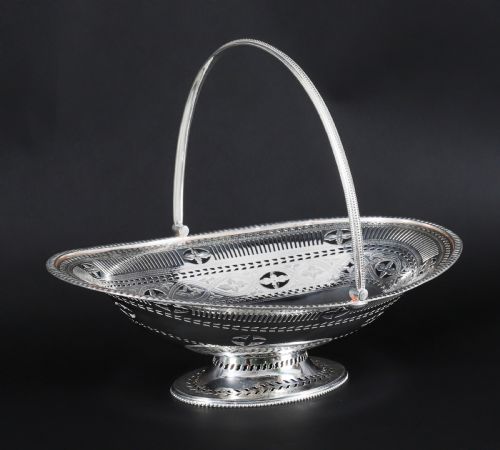
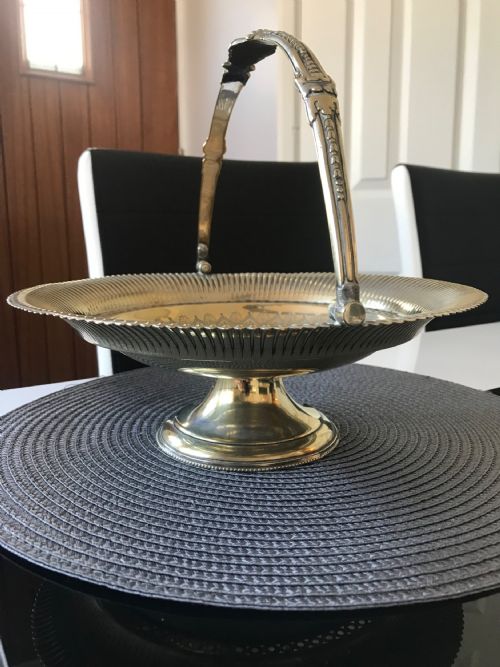
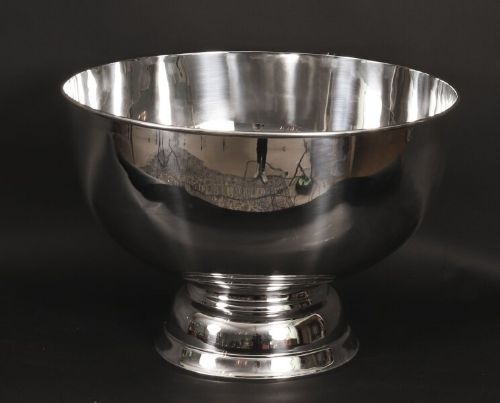
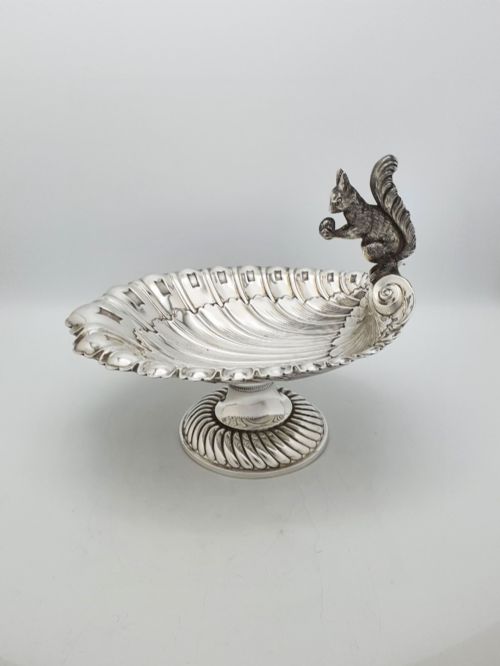
The forms extend beyond simple bowls into fruit baskets, decorative baskets, tazzas, punch bowls, champagne coolers, and wine coolers. Many examples incorporate swing handles, loop handles, or twin handles, reflecting their practical origins in domestic service.
Originating largely from British workshops and continental makers, these items utilise raised feet or columns to lift the bowl above the surface of the dining table or sideboard. The selection bridges formal dining accessories and decorative serveware.
How they were made
Makers built these vessels using a metal base of copper, brass, bronze, or electroplated nickel silver, which provided a durable foundation for the exterior coating. Old Sheffield plating fused a thin sheet of silver onto a copper core, while later nineteenth-century techniques applied silver via electroplating.
Artisans employed piercing, casting, and chasing to shape the metal bodies, often adding applied borders or openwork foliage. Certain designs integrate cut crystal or glass inserts within the metal framework, combining reflective surfaces with transparent bowls.
Listings feature vessels spanning the eighteenth century through the 1960s, constructed from silver plate, copper, brass, and cut crystal.
What varies in quality
The weight of the base metal and the thickness of the silver application determine the longevity and tactile presence of the vessel. Heavier copper or nickel silver foundations resist denting and maintain structural integrity across decades of use.
The crispness of chased ornament, the balance of the pedestal foot, and the articulation of handles separate standard production items from exceptional workshop creations. Maker signatures from established firms often indicate higher standards of design execution.
George W. Scott & Sons Ltd·Mappin & Webb·WMF·Barker Ellis·Daniel and Arter·Christofle et Cie·Walker & Hall
The Silver Plated Pedestal Bowl Glossary
- Electroplated nickel silver
- A base alloy of copper, nickel, and zinc coated with a layer of silver through an electrolytic process. This method became widespread in the nineteenth century as a substitute for older fusing techniques.
- Old Sheffield plate
- A composite material made by fusing a sheet of silver to a thicker copper ingot under heat and pressure. The resulting metal was then hammered or rolled into sheets for silversmithing.
- Tazza
- A shallow bowl or dish raised on a high foot or pedestal. These pieces were traditionally used for serving fruit, sweetmeats, or small cakes.
- Gold wash
- A thin layer of gold applied to the interior surface of a silver plated bowl. This treatment protected the base metal from corrosive food acids.
- Sweetmeat basket
- A small, often pierced or handle-equipped basket designed for holding confectioneries, nuts, or dried fruits. They frequently feature delicate swing handles.
Silver Plated Pedestal Bowl: Frequently Asked Questions
What were silver plated pedestal bowls used for?
These vessels served various functions on formal dining tables and sideboards, ranging from holding fresh fruit and bread to cooling wine and champagne.
Deopsited in the centre of the table, larger forms acted as focal points for display, while smaller dishes held sweetmeats or nuts during dessert courses.
How do I care for a silver plated bowl?
Maintenance requires gentle cleaning with non-abrasive silver polishes and soft cloths to protect the plated surface from wearing down to the base metal.
Avoiding harsh detergents and storing the piece in a dry environment prevents tarnishing and preserves the lustre of the finish.
How can I tell Victorian pieces apart from Edwardian ones?
Victorian examples often display heavier ornamentation, including ornate Rococo Revival scrolling, deep piercing, or elaborate Neoclassical swags.
Edwardian and later pieces tend toward lighter, cleaner lines, occasionally embracing the flowing botanical motifs of the Art Nouveau movement.