


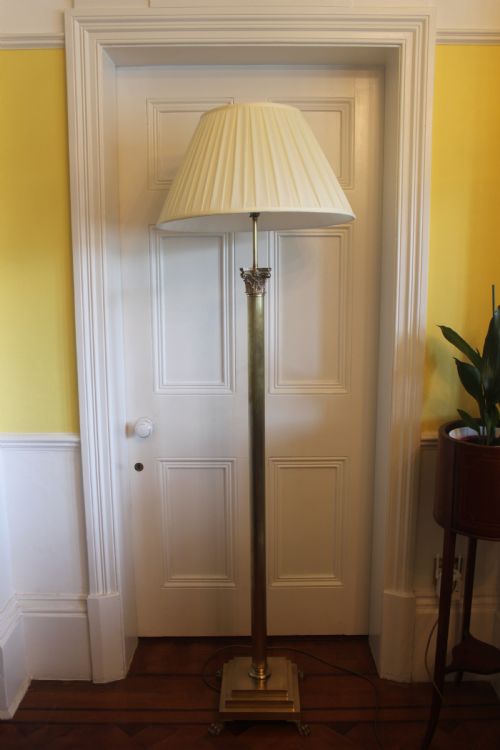
Fluted Column Standard Lamp
A fluted column standard lamp brings vertical elegance and steady light to a room, standing as both a practical fitting and a sculptural anchor.
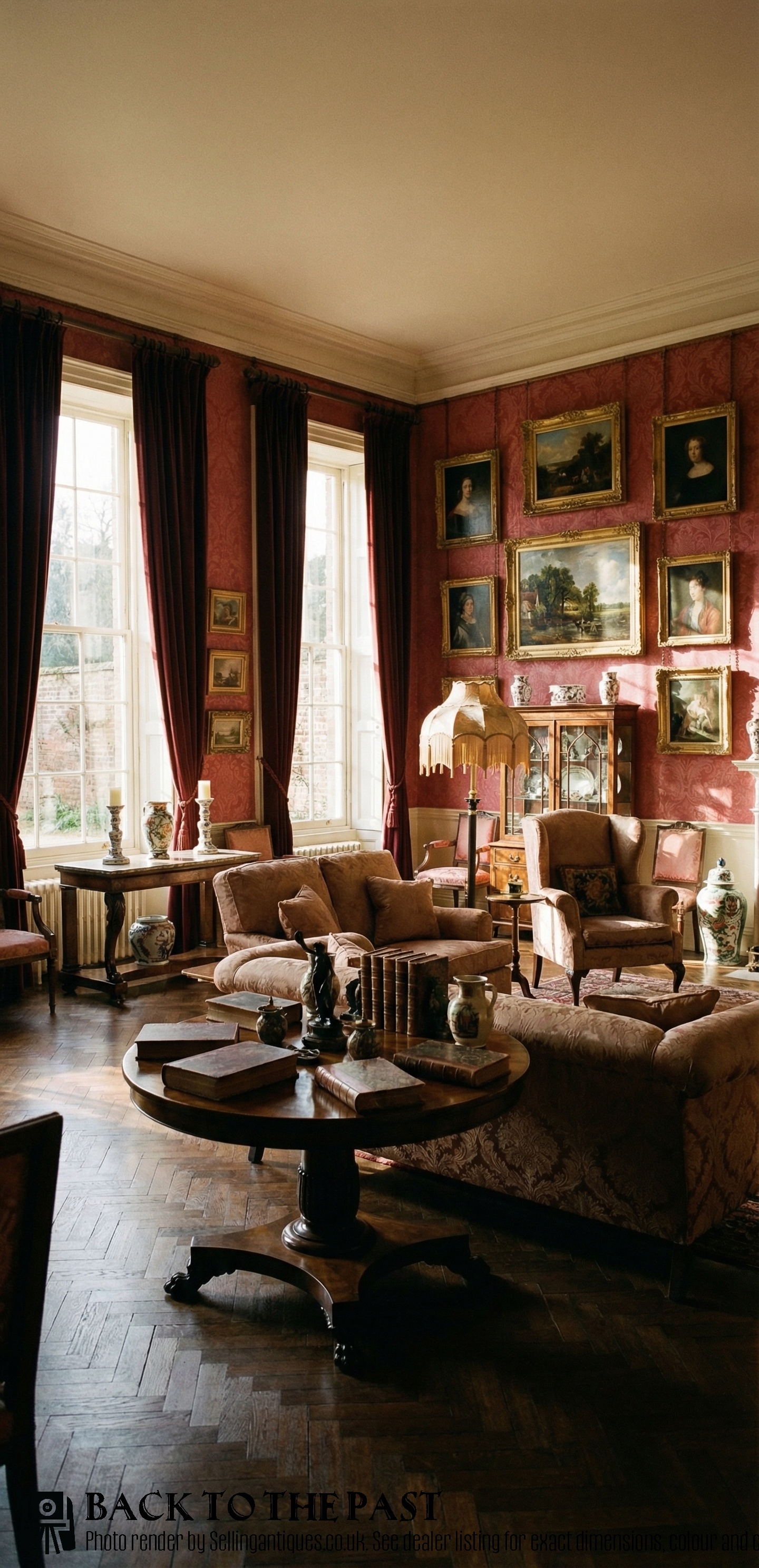
Fluted Column Standard Lamp
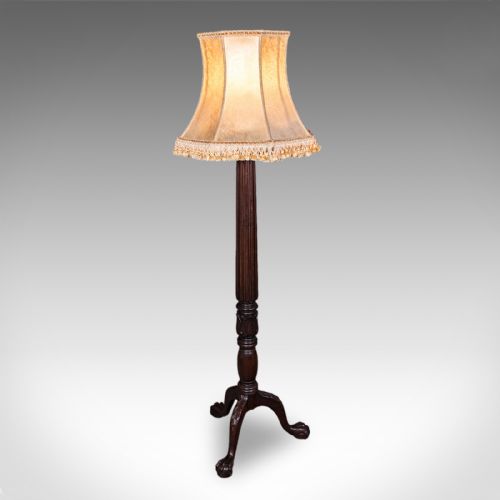
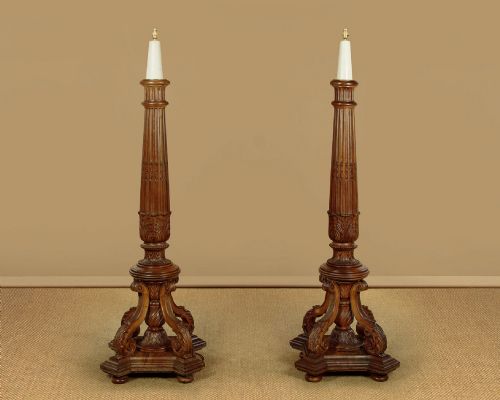
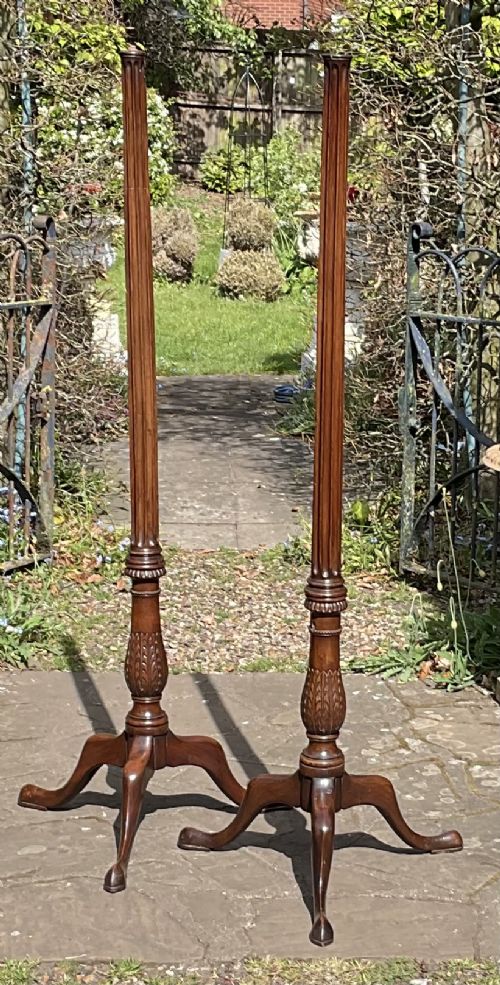
A fluted column standard lamp is a tall floor-standing lighting fixture characterised by vertical channeling carved into timber or cast into metal shafts. The designs draw heavily upon classical architecture, translating stone orders into domestic woodwork and metalwork.
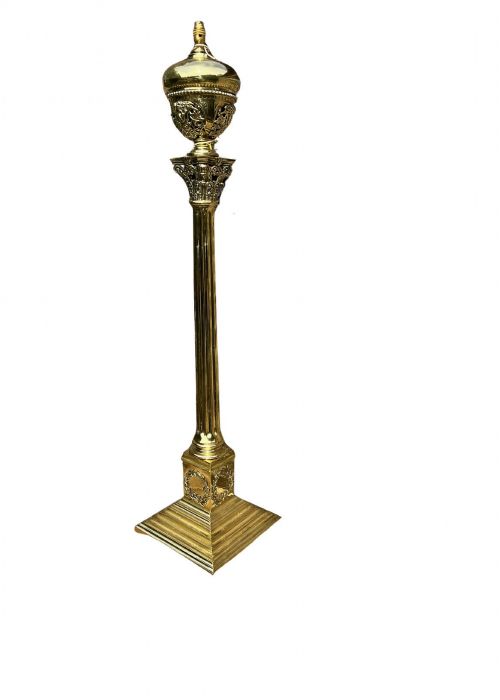
Most examples encountered here take the form of metal columns, frequently in brass with Corinthian capitals, alongside mahogany, walnut, and giltwood versions. These tall shafts rise from heavy weighted bases to support fabric shades, illuminating living spaces from a raised vantage point.
The historical spread spans from Victorian and Edwardian iterations through to pieces dated to the 1920s and 1930s, reflecting revivals of Georgian and Neoclassical tastes. Buyers frequently find telescopic brass mechanisms designed to permit height adjustment.
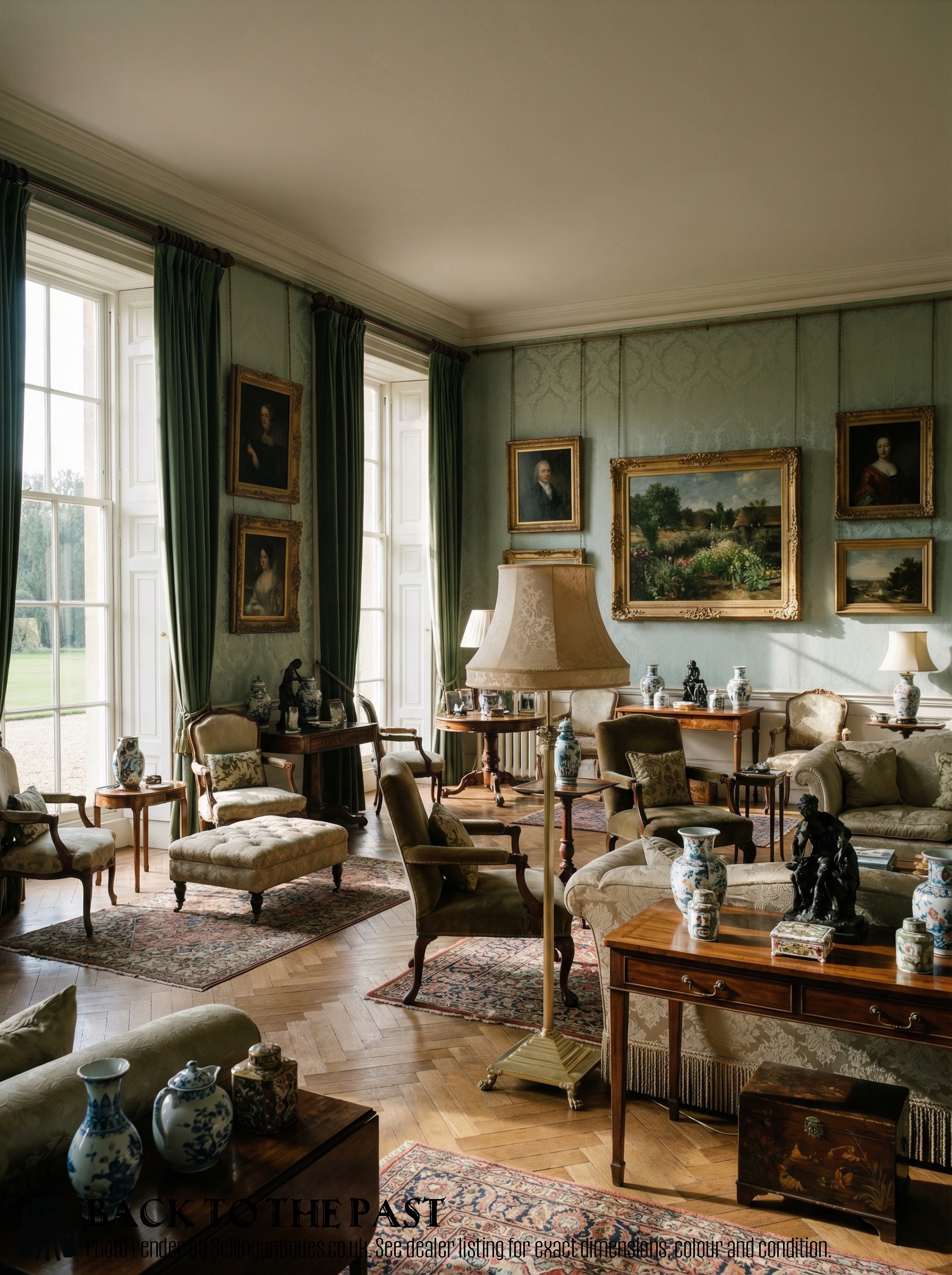
Distinctions in manufacture and form
The definition and crispness of the fluting separate standard pieces from superior examples, as sharply cut channels demonstrate greater control by the maker. Heavily cast brass components with finely detailed acanthus capitals indicate a higher grade of workshop production.
Proportion and material selection dictate the visual weight of the object, with dense hardwoods and heavy cast metals providing a sturdier presence than lighter alternatives. The presence of functional telescopic mechanisms adds complexity and mechanical execution absent in fixed-height designs.
Hinks
The Fluted Column Standard Lamp Glossary
- Fluting
- Vertical parallel grooves carved or cast into the shaft of a column. This decorative feature derives from classical architecture and creates play of light along the standard.
- Corinthian capital
- The ornate crowning feature at the top of a column, decorated with carved acanthus leaves. It is frequently found on brass standard lamps of the nineteenth and early twentieth centuries.
- Telescopic
- An adjustable mechanism allowing the central shaft to extend upward to alter the overall height of the lamp. This engineering feature is commonly paired with heavy brass columns.
- Giltwood
- Timber that has been coated with a thin layer of gold leaf. This finish provides a bright reflective surface seen on decorative standard lamps from the early twentieth century.
Fluted Column Standard Lamp: Frequently Asked Questions
How do I adjust the height of a telescopic lamp?
Telescopic standard lamps typically feature a central collar or screw key that loosens the inner shaft. Raising or lowering the upper section allows you to set the desired height before tightening the mechanism.
Care should be taken to support the weight of the fitting and shade with one hand while operating the release mechanism to prevent sudden drops.
How do I distinguish Victorian from Edwardian brass lamps?
Victorian brass standards often display heavier casting, deeper patination, and robust Corinthian capitals reflecting Victorian Neoclassical or William IV revival tastes. Edwardian iterations can appear slightly more slender and refined in their neoclassical detailing.
Both periods embraced classical column forms, making detailed examination of casting crispness and base construction the primary guide to age.
What maintenance do wood and brass columns require?
Brass columns benefit from gentle dusting and occasional cleaning with a dry microfiber cloth to preserve the metal patination without stripping historical finishes. Avoid harsh chemical polishes that remove aged character.
Walnut and mahogany standards require standard timber care, including polishing with beeswax and protection from direct sunlight to prevent timber drying.