



Fluted Brass Candlesticks
Fluted brass candlesticks bring structural rhythm and warm metallic lustre to a room, spanning Georgian elegance through to twentieth-century design.

Fluted Brass Candlesticks
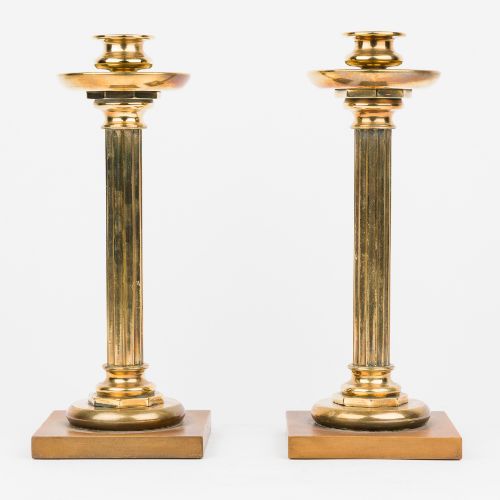
When you search for fluted brass candlesticks, you encounter a variety of lighting wares spanning the eighteenth, nineteenth, and twentieth centuries. The selection encompasses standard pairs designed for domestic tables, heavy column forms inspired by classical architecture, and occasional conversions into table lamps. Most examples adhere to traditional Georgian, Victorian, or Neoclassical aesthetic idioms.
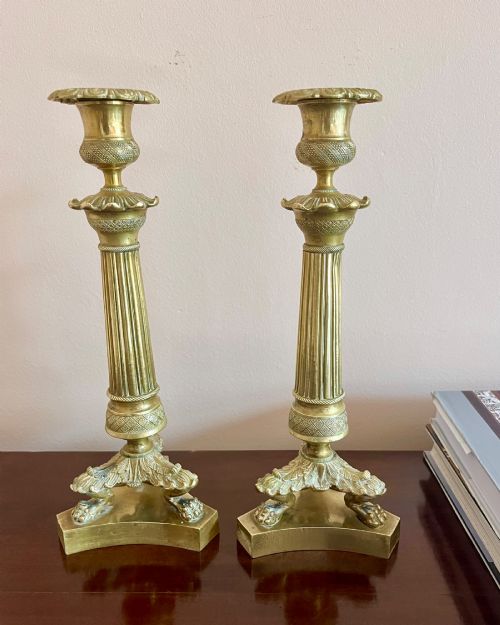
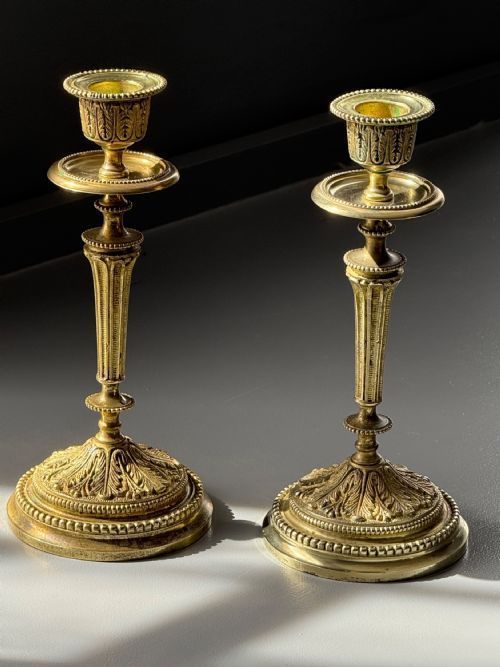
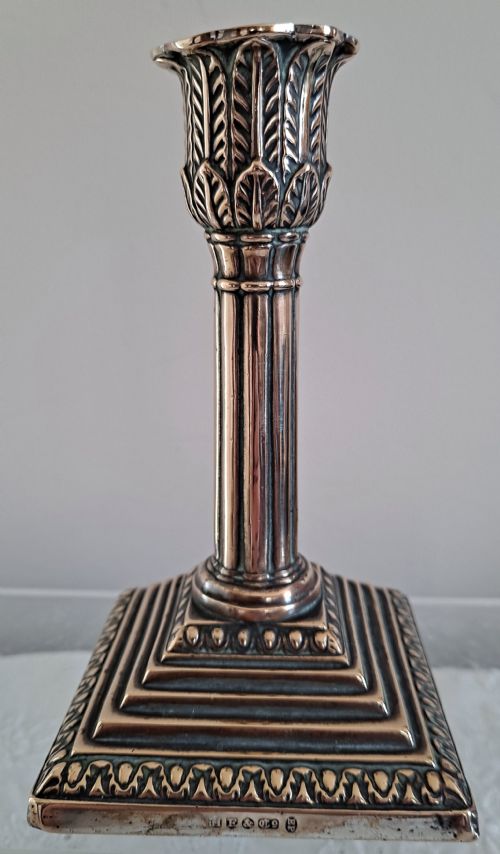
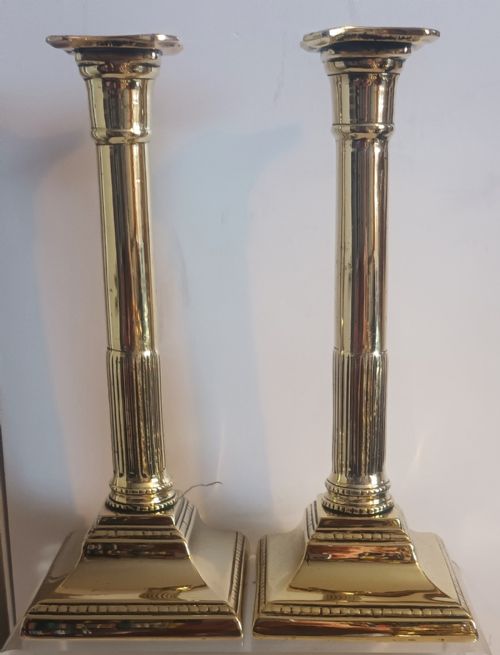
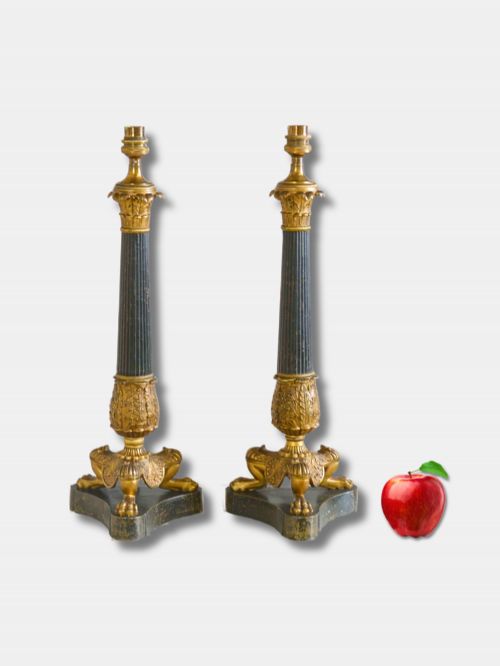
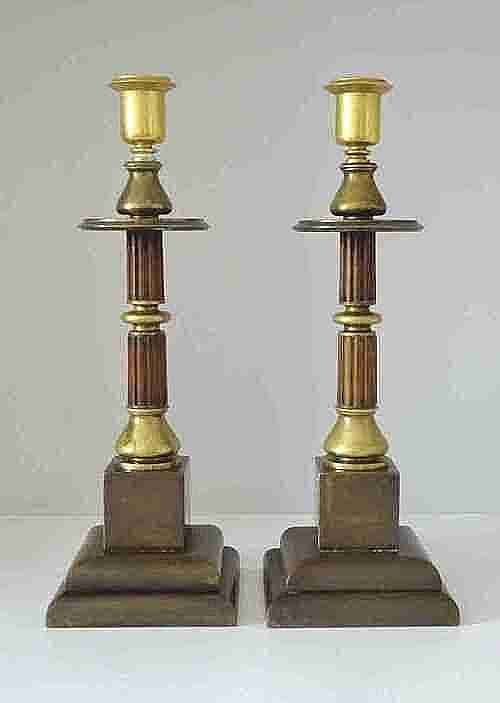
The architectural column form appears frequently, often rendered with fluted shafts that draw the eye upward toward the drip pan and nozzle. These pieces range from compact desk accessories to tall church candlesticks and heavy pairs resting on lions paw feet. Alongside standard brass, the inventory includes variations featuring mahogany combined with brass mounts, bronze, ormolu, and silver plate.
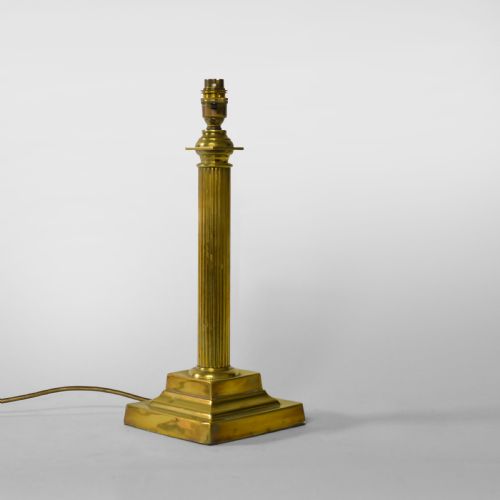
Origins stretch across English workshops as well as continental European centres, notably France and Italy, reflecting diverse manufacturing traditions. While many items retain their original candle-holding function, others have been adapted over time to carry electrical fittings. Buyers therefore navigate a mix of purely utilitarian antique lighting and functional twentieth-century lamp conversions.
Materials and construction methods
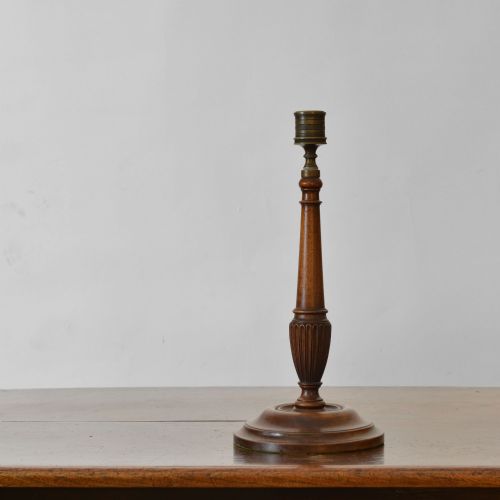
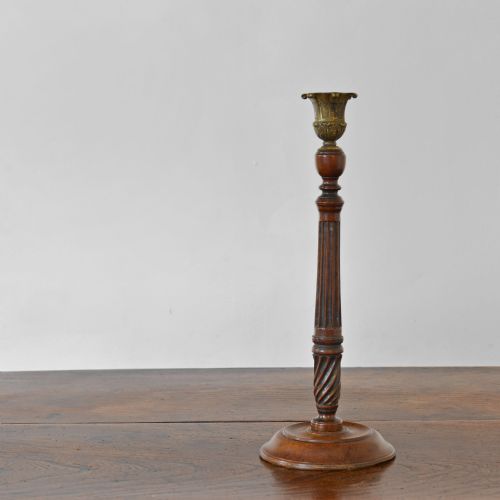
The primary material across these pieces is brass, frequently shaped through casting techniques that produced substantial, rigid columns and sturdy bases. Artisans also utilised bronze, ormolu, and gilt bronze, applying fine surface gilding to enhance decorative detail in styles like French Empire and Louis XVI. In some instances, warm mahogany wood is integrated directly with brass nozzles, stems, and collars to create textural contrast.
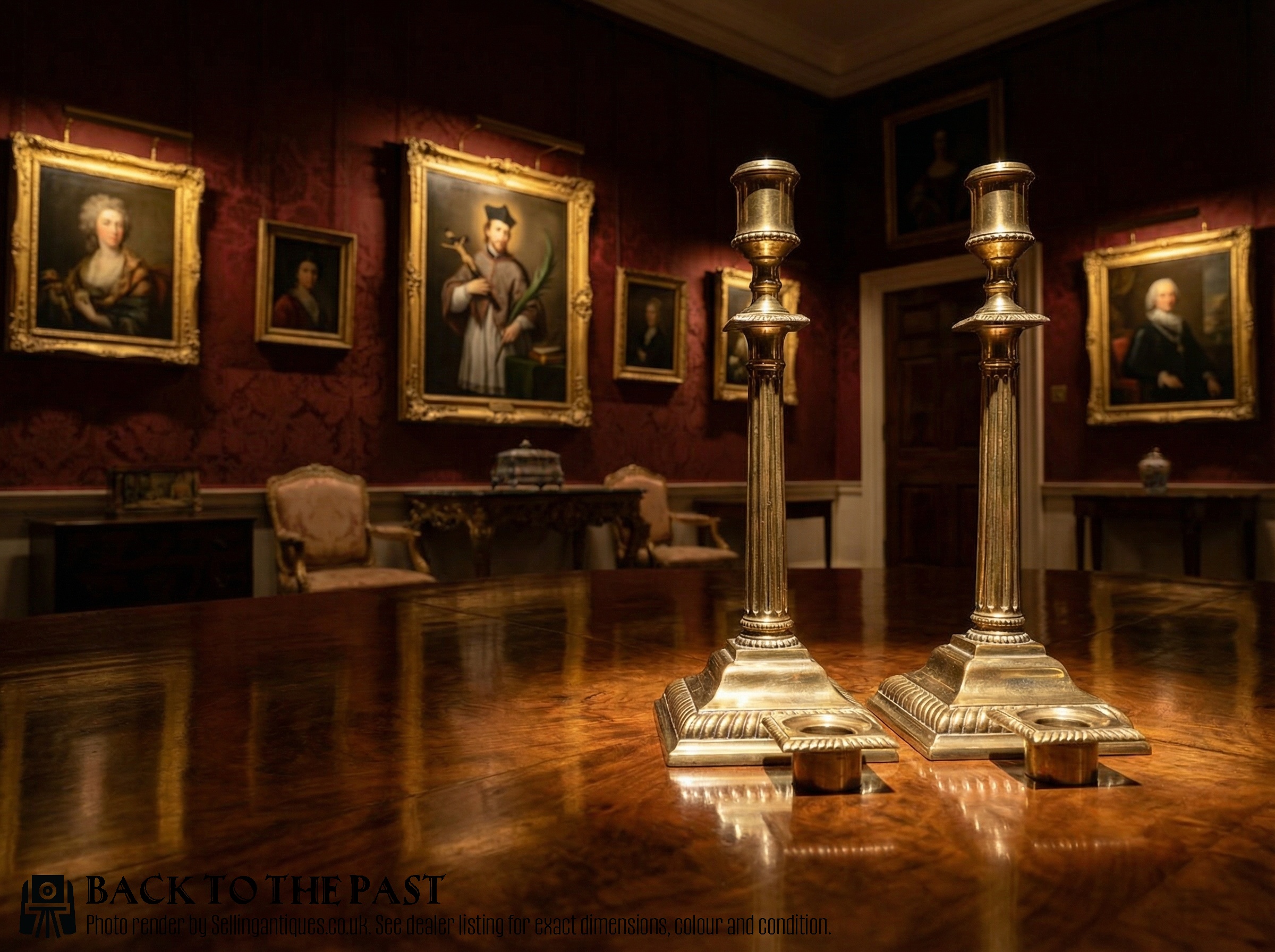
Fluting was achieved by cutting or casting vertical channels into the cylindrical shafts of the candlesticks, echoing classical stone pillars. Manufacturing methods evolved from early bell metal castings and heavy Georgian assemblies to later nineteenth-century machine-assisted production and twentieth-century electric adaptations. Components were typically threaded, turned, or pinned together to form stable domestic lighting fixtures.
Fluted Brass Candlesticks Retail Price Guide 2026
Typical asking prices for fluted brass candlesticks among the pieces listed under this phrase on Sellingantiques today, from the lower quarter to the upper quarter. They describe what is for sale here now, not the wider market.
Some nineteenth-century specimens secretly double as heavy desk companions that could double as makeshift paperweights during a drafty winter.
Distinctions in craftsmanship
Quality in these items is determined by the crispness of the casting and the precision of the vertical fluting along the shaft. Superior examples exhibit sharp architectural detailing, well-balanced proportions, and heavy, stable bases that demonstrate careful foundry work. Inferior pieces often display softened contours, uneven channels, or lightweight construction lacking the substantial heft expected of period metalwork.
The selection of secondary materials further separates standard production from finer work, particularly where gilt bronze, ormolu, or finely turned mahogany are involved. Pieces retaining their original patination, correct matching components, and uncompromised structural integrity command greater appreciation. The integration of decorative elements, such as applied classical motifs or specialised patination, marks the distinction between ordinary utility items and exceptional decorative objects.
Benhan and Froud
The Fluted Brass Candlesticks Glossary
- Fluting
- Vertical parallel grooves carved or cast into the shaft of a column or candlestick. This decorative feature derives from classical architecture and creates a play of light and shadow.
- Ormolu
- Finely ground high-carat gold-copper mercury gilding applied to bronze objects. It provides a rich, durable golden surface characteristic of fine French and English decorative arts.
- Pricket
- A sharp metal spike set in the drip pan of a candlestick to secure a large candle. This traditional format is frequently found on church or altar candlesticks.
- Boulle-work
- An elaborate form of marquetry utilising tortoiseshell and brass inlaid in contrasting patterns. It appears on decorative luxury pieces from the late nineteenth century.
- Corinthian column
- A classical architectural order featuring an ornate capital decorated with acanthus leaves. Candlesticks and lamps styled this way mimic ancient stone temples.
Fluted Brass Candlesticks: Frequently Asked Questions
How are fluted brass candlesticks dated?
Dating relies on stylistic clues, casting techniques, and the evolution of architectural proportions over the centuries. Georgian and Regency examples often feature heavier proportions and simpler classical references, whereas Victorian pieces frequently display denser ornamentation.
Material combinations also provide chronological context, as bell metal points toward earlier centuries and specific gilt finishes align with nineteenth-century revival styles. Comparing the construction methods of the base and nozzle helps confirm the era of manufacture.
Were these candlesticks converted into lamps?
Many antique candlesticks from the nineteenth and twentieth centuries have been adapted to hold electrical fittings for modern home use. This conversion process often involved running wiring through the central column while preserving the original brass or bronze exterior.
Buyers encounter both unconverted examples intended strictly for wax candles and functional table lamps sharing the same fluted column aesthetic. Such adaptations allow historical lighting forms to integrate safely into contemporary interiors.
How should brass candlesticks be cleaned?
Preserving the natural patination is generally preferred over aggressive polishing that strips away centuries of ageing. Gentle dusting with a soft cloth keeps the metal free from debris without harming the surface finish.
If cleaning is necessary, mild soap and water applied sparingly work best to remove stubborn grime. Avoid harsh chemical abrasive cleaners that can permanently damage delicate gilt, ormolu, or patinated brass surfaces.
What styles influenced these candlesticks?
Neoclassical, Georgian, and French Empire styles heavily influenced the design of these metal wares. The revival of interest in classical antiquity during the eighteenth and nineteenth centuries led directly to the popularity of fluted columns and architectural motifs.
Later Victorian and Arts and Crafts movements reinterpreted these classical forms with distinct regional characteristics. This stylistic evolution ensures that pieces span varied aesthetic preferences from restrained Georgian symmetry to ornate continental designs.