


Florentine Pendant Light
A Florentine pendant light brings opulent Italian craftsmanship into a room, offering grand illumination through carved timber and gilded metalwork.
Florentine Pendant Light
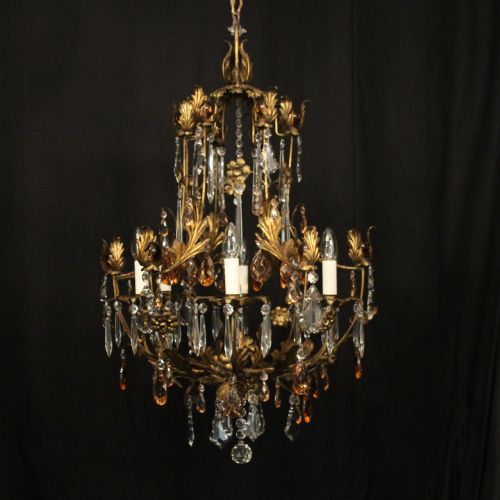
A Florentine pendant light is a grand hanging fixture originating from Italy, combining elaborate illumination with sculptural artistry. When exploring this selection, buyers encounter multi-armed chandeliers and hanging lanterns spanning from the eighteenth century through the 1930s. The common thread among these pieces is a commitment to ornate decorative forms that draw the eye upward.
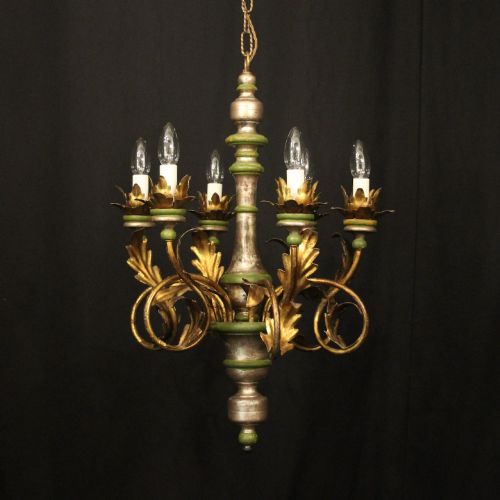
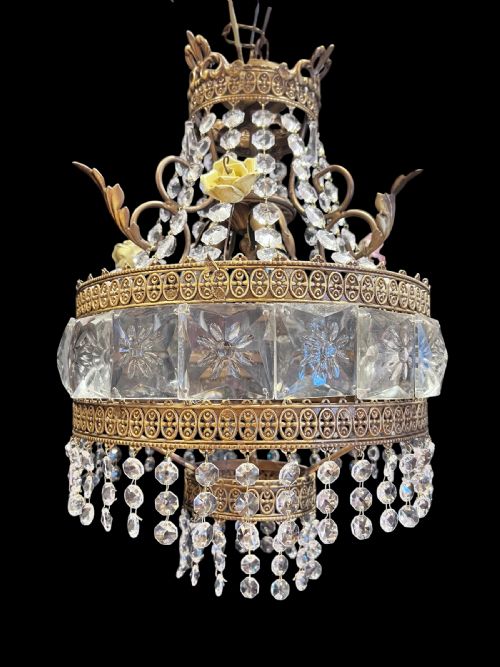
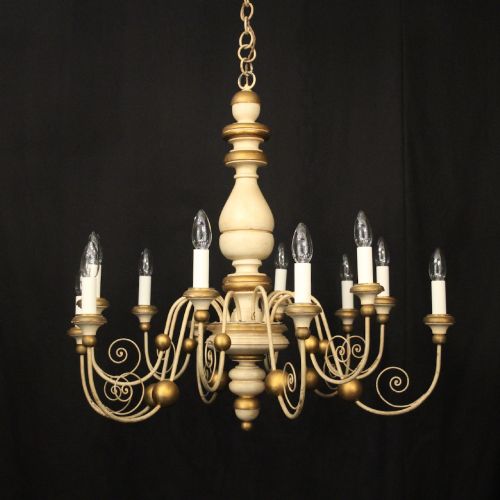
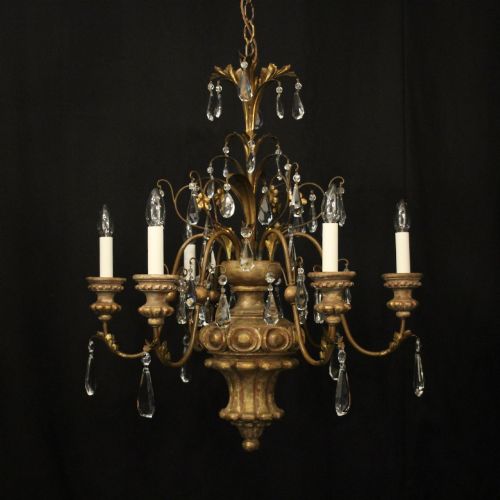
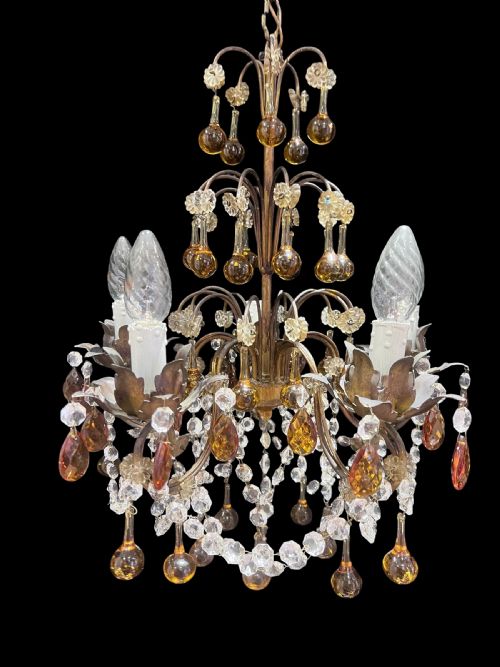
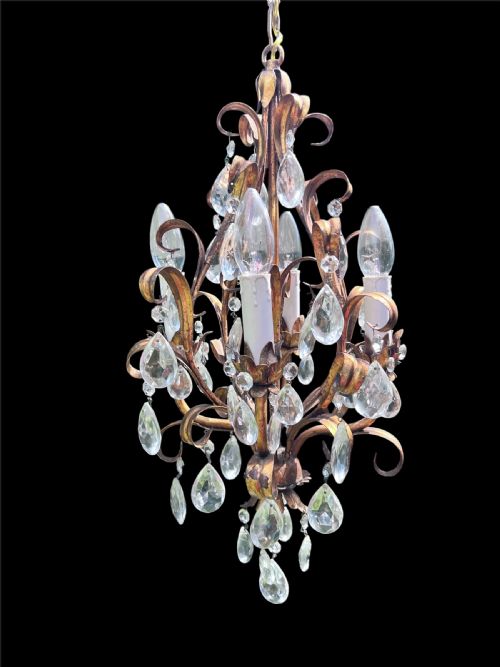
The most prevalent versions on this page are twentieth-century interpretations, particularly from the 1920s and 1930s, featuring multiple tiers of lights and cascading crystal drops. These items often display floral motifs, carved wooden arms, and elaborate polychrome gilding. Pieces range from intimate three-light lanterns to massive twenty-four-light statement fixtures.
Alongside purely Italian works, the selection includes related styles such as French Chateau and Italian Rococo Revival designs. These fixtures frequently incorporate porcelain flowers, coloured fruits, and beaded glass elements that reflect historical lighting traditions. Each piece serves as a focal point, designed to dominate a ceiling space with rich texture and warm illumination.
Materials and Construction
Makers constructed these fixtures using a foundation of carved wood, gesso, and wrought iron, building up complex three-dimensional forms. Artisans then applied gold leaf, silver gilding, or polychrome paint to the wooden frames to create a shimmering surface finish. This combination of carved giltwood and metal provided the structural strength required to support heavy arrangements of arms and decorative drops.
Crystal, glass, and porcelain form the secondary components that catch and refract the light from multiple bulbs. Workers hung coloured crystals, glass drops, and delicate porcelain flowers from the metal or wooden framework using wire and pins. This meticulous assembly ensured that each tier sparkled when illuminated, diffusing the glow throughout the interior space.
Listings feature fixtures spanning from the eighteenth century to the 1930s, constructed in giltwood, wrought iron, and crystal.
Factors That Determine Quality
The distinction between ordinary and exceptional examples lies in the depth of the carving and the finesse of the surface gilding. Superior fixtures exhibit hand-carved wooden details with crisp edges and layered leaf applications, whereas lesser pieces rely on heavy gesso over simpler timber foundations. The subtlety of the polychrome work and the richness of the metal finish dictate the visual weight of the object.
The completeness and quality of the hanging elements also separate the tiers of craftsmanship. Finer lights incorporate hand-cut crystals, intact porcelain flowers, and integrated beaded chains that complement the primary frame without cluttering its lines. Original patination and the absence of clumsy repairs preserve the integrity of the design.
The Florentine Pendant Light Glossary
- Giltwood
- Timber that has been coated with a thin layer of gold leaf. This technique provides a luminous surface that resists tarnishing over decades.
- Polychrome
- Decoration executed in multiple colours. Artisans applied various paint hues over gilded or gessoed surfaces to highlight floral and sculptural details.
- Gesso
- A plaster mixture applied to wood surfaces as a base for gilding or painting. It allows craftsmen to model fine relief details before applying gold leaf.
- Hanging lantern
- An enclosed pendant lighting fixture suspended by a chain or bar. These pieces direct light downwards while protecting the internal candles or bulbs.
- Crystal
- High-clarity glass containing lead oxide, cut and polished to refract light. It hangs from chandelier arms to scatter brilliant points of illumination across a room.
Florentine Pendant Light: Frequently Asked Questions
How do I clean a giltwood chandelier?
Dust the carved wooden frame gently using a soft, dry brush to remove surface particles without disturbing the underlying gold leaf. Avoid liquid cleaners, as moisture can damage aged gesso and gilding.
For the crystal drops, wipe each piece individually with a microfiber cloth dampened slightly with distilled water. Ensure the power remains switched off until every component dries completely.
Are these lights suitable for low ceilings?
Most of these fixtures are designed for high rooms due to their substantial drop and multi-tiered structure. Pendant lanterns and smaller three-light chandeliers require less vertical clearance than grand twenty-light arrangements.
Check the total height including the suspension chain before installation to maintain proper clearance beneath the fixture.
How can I date an antique chandelier?
Examine the construction methods, wiring channels, and materials used in the frame. Eighteenth-century examples typically feature hand-carved wooden bodies adapted originally for candles, while 1920s and 1930s pieces often incorporate integrated metal wiring channels.
Look for the quality of the gesso and the wear patterns on the gold leaf to distinguish older handcrafted surfaces from later revivals.
Can I convert an old candle chandelier to electricity?
Most antique fixtures of this type have already been wired for electricity during previous restorations. If an un-wired piece is acquired, a qualified electrician can run internal wiring through the central channel without altering the exterior giltwood or metalwork.
Care must be taken to use lightweight modern candelabra fittings that respect the historical weight distribution of the arms.