
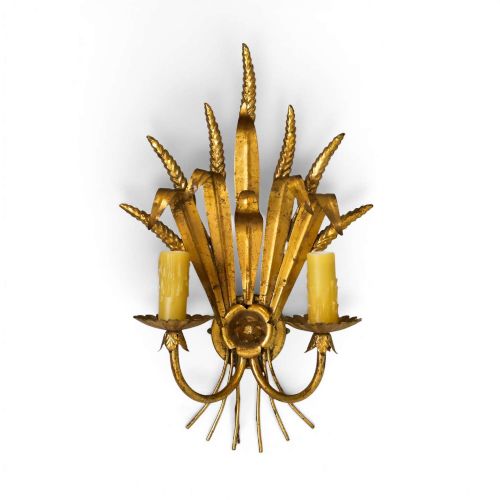


Mid Century Florentine Light
A mid century florentine light brings Italian craftsmanship and carved gilded detail into a room.
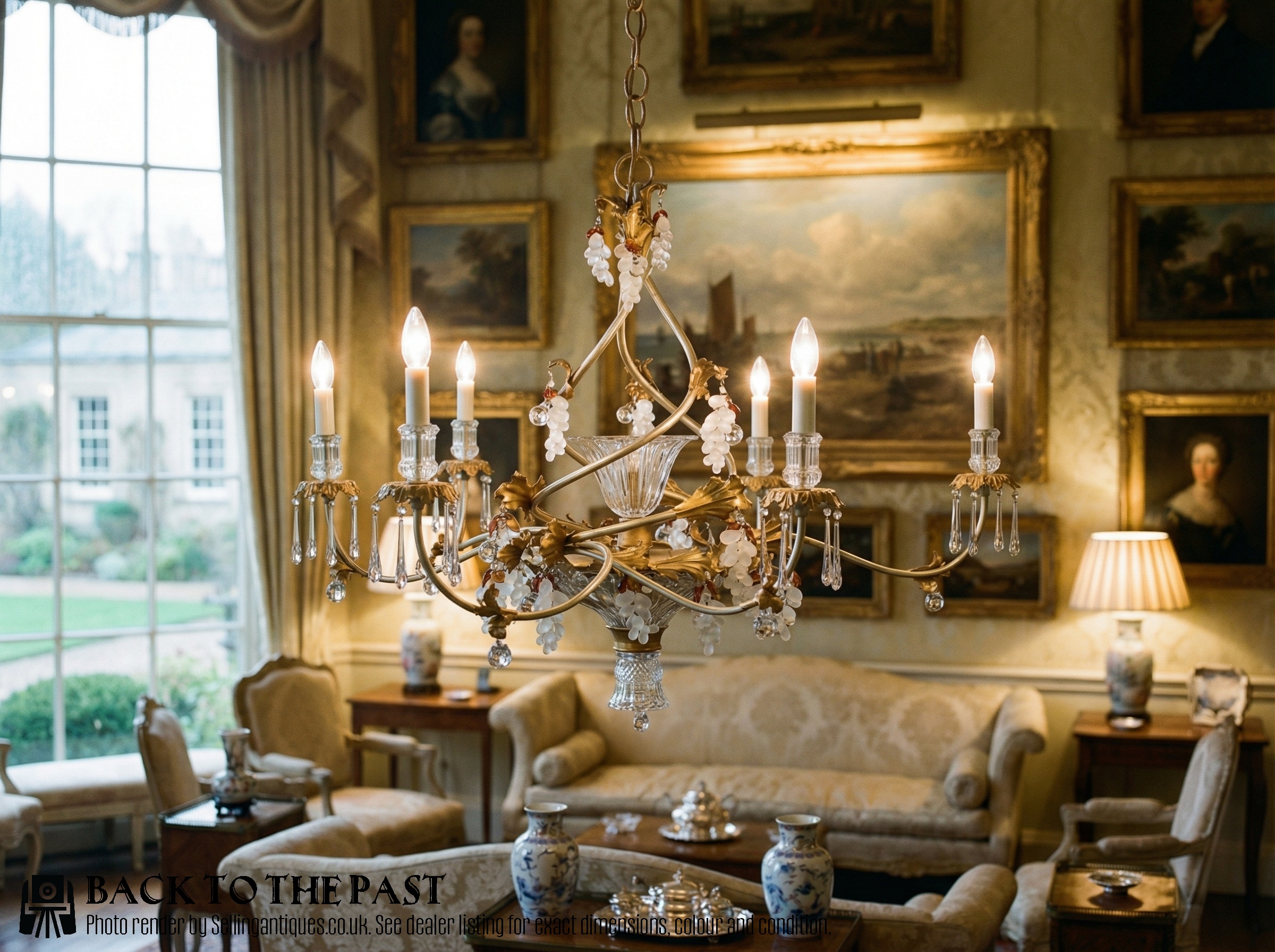
Mid Century Florentine Light
A mid century florentine light encompasses striking chandeliers and wall sconces originating from Italian workshops, drawing on historic decorative traditions. These fixtures often feature multi-light configurations designed to illuminate large spaces with warmth and elegance.
Buyers are most likely to encounter chandeliers and wall lights spanning periods from the early twentieth century through to the nineteen fifties. Italian Florentine examples sit alongside French gilded pieces and mid-century designs, offering varied aesthetic choices for an interior.
The selection ranges from smaller twin-candled wall sconces to substantial multi-light chandeliers boasting up to twelve lights. Forms frequently incorporate floral motifs, glass drops, and intricate metalwork that reflect regional artistic conventions.
How they were made
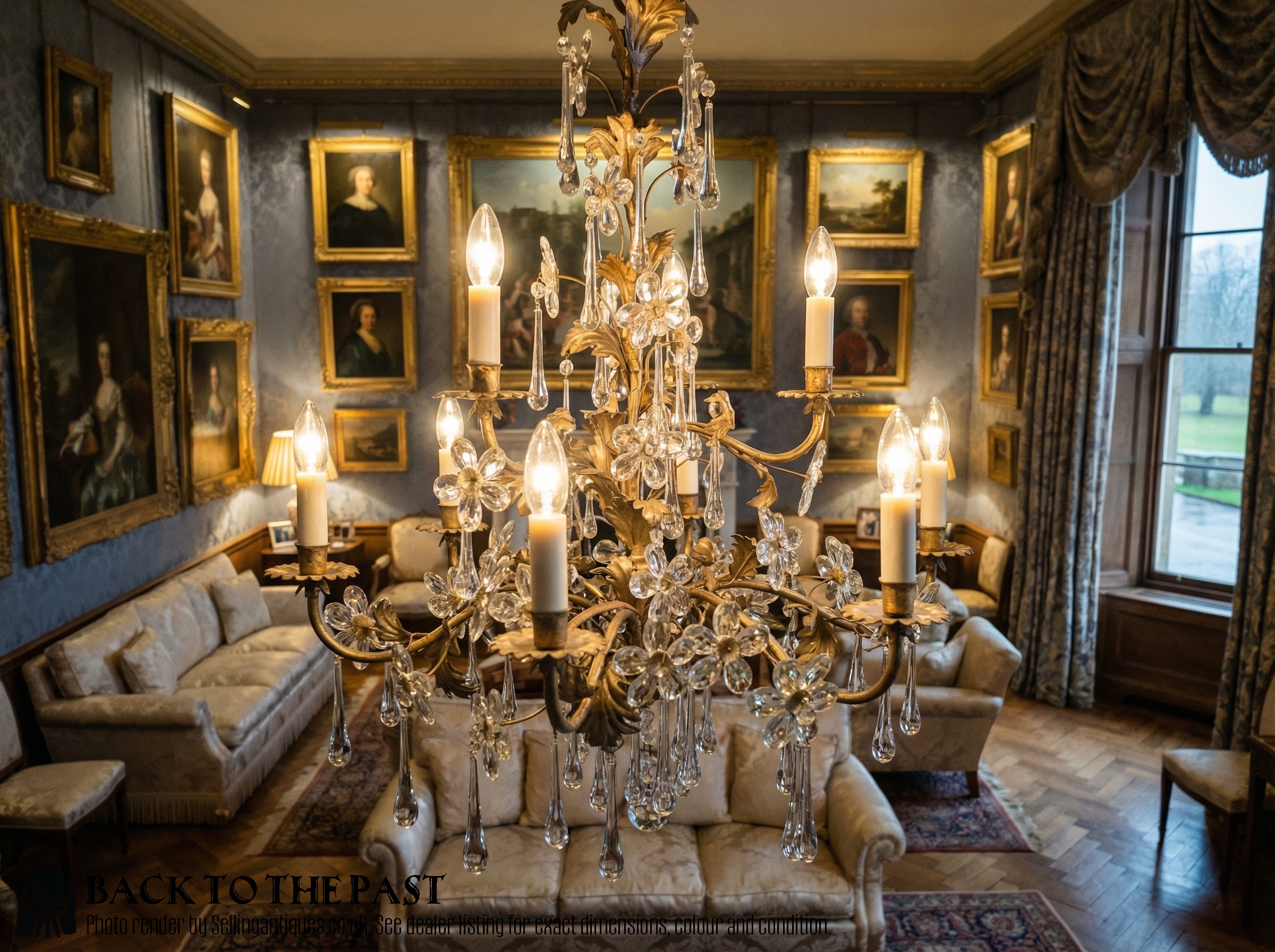
Construction relies heavily on metals such as wrought iron, gilt metal, and painted metal, often shaped into flowing floral and organic forms. Artisans applied gilt and silver leaf to wood and metal surfaces to achieve a luminous, reflective finish.
Glass and crystal components, including distinct glass drops, are integrated into frames to catch and refract light across the room. Wiring is later added to electrify these historical pieces for modern domestic use.
Listings feature items spanning the decades from nineteen ten to nineteen fifty, incorporating gilt metal, wrought iron, and crystal.
What varies in quality
The distinction between tiers rests upon the fineness of the carved woodwork and the depth of the gilding applied to the surface. Heavier metalwork and intricate floral arrangements indicate higher levels of artisanal labour.
Complexity of design also dictates the standard, with multi-light chandeliers carrying extensive crystal elements or elaborate silver-gilded finishes occupying the upper echelon of the range.
The Mid Century Florentine Light Glossary
- Chandelier
- A branched ornamental light fixture suspended from the ceiling. These pieces hold multiple bulbs or candles to illuminate grand spaces.
- Giltwood
- Wood that has been treated with a thin layer of gold leaf or gold paint. This technique gives the appearance of solid gold while keeping the weight manageable.
- Sconce
- A wall-mounted light fixture that directs illumination upwards or outwards. They complement central ceiling fittings in domestic interiors.
- Crystal
- High-clarity glass cut with precision facets to maximise light refraction. It appears frequently in drops and pendants on decorative chandeliers.
Mid Century Florentine Light: Frequently Asked Questions
How do I choose the right size?
Consider the proportions of your room and ceiling height before selecting a chandelier or wall light. Larger multi-light fixtures suit expansive spaces, while compact sconces fit narrower corridors or smaller rooms.
Measure the floor area to ensure the light fixture does not overwhelm the furniture arrangement below it.
Can these lights be wired for modern use?
Most antique and mid-century light fixtures are adapted for contemporary electrical standards during restoration. Professional installation ensures that historic metal and glass components remain secure.
Consult a qualified electrician to check compatibility with standard domestic wiring systems.
How do I clean gilt metal and crystal?
Dust surfaces gently with a soft dry cloth to protect delicate gilt finishes on metal and wood. Avoid harsh chemical cleaners that can strip away historic gilding or damage crystal drops.
Careful maintenance preserves the reflective quality and appearance of the materials over time.
What distinguishes Florentine style?
Florentine style draws on traditional Italian craftsmanship, frequently incorporating ornate floral and botanical motifs. These designs emphasise rich surface textures through gilding and carved wood.
Such aesthetics contrast with simpler mid-century modern forms by prioritizing decorative opulence.