



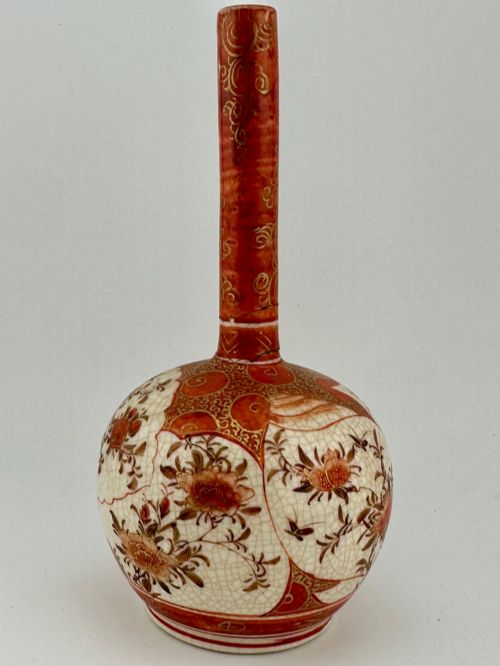
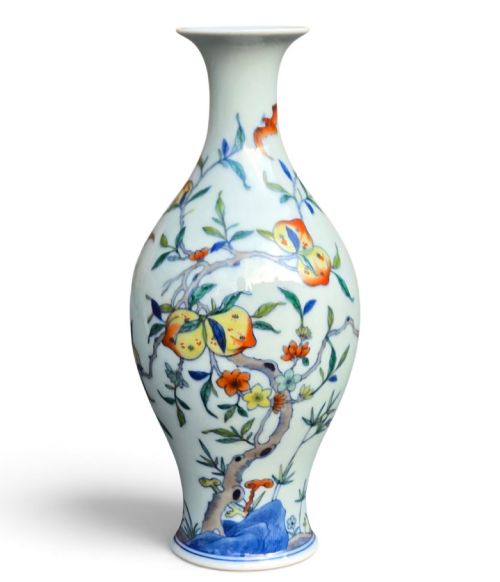
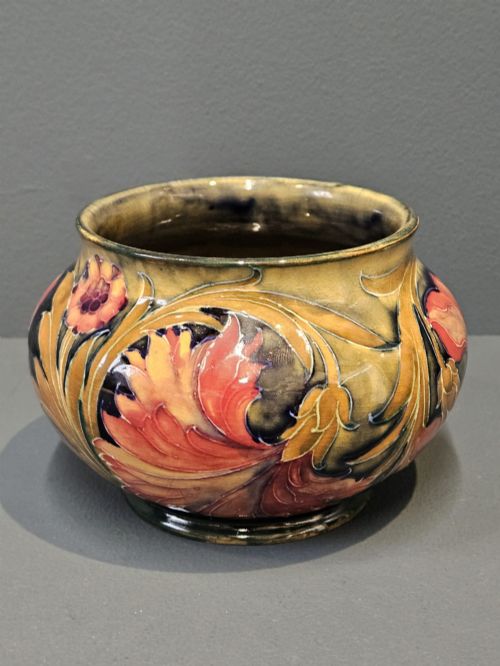
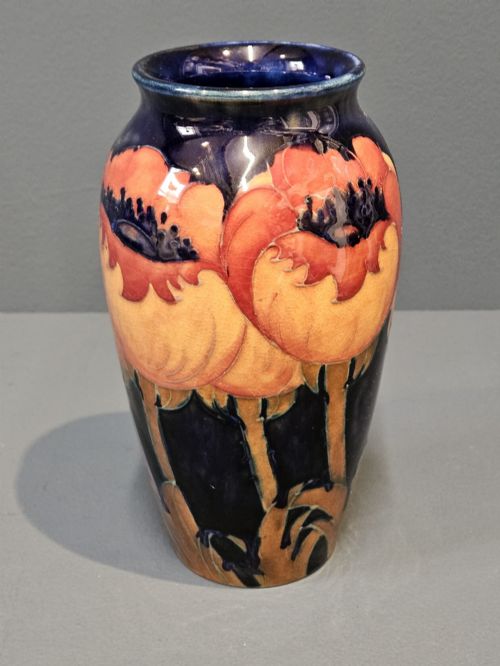
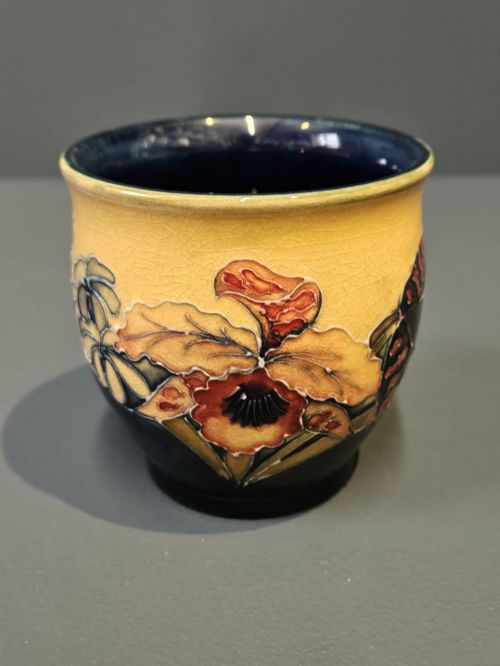
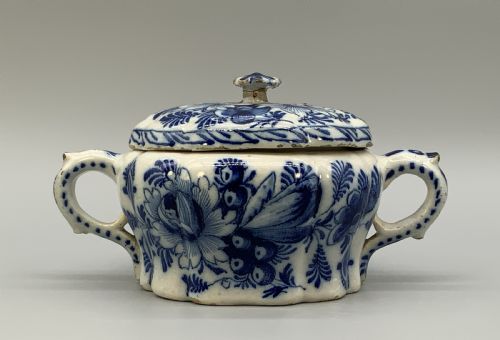
Floral Pottery Vessel
A floral pottery vessel brings painted botanical motifs and rich glazes into a room, offering both decorative presence and historical depth.
Floral Pottery Vessel
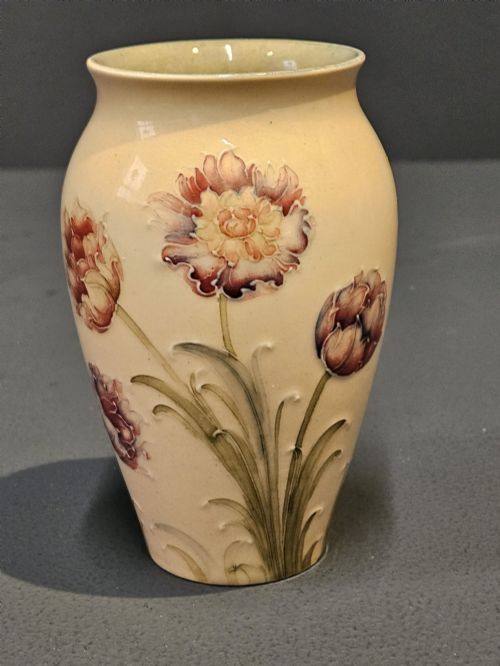
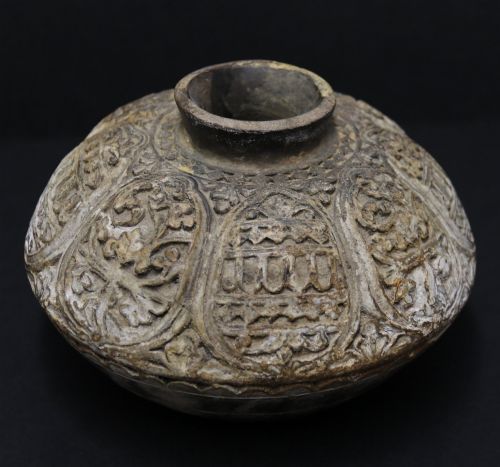
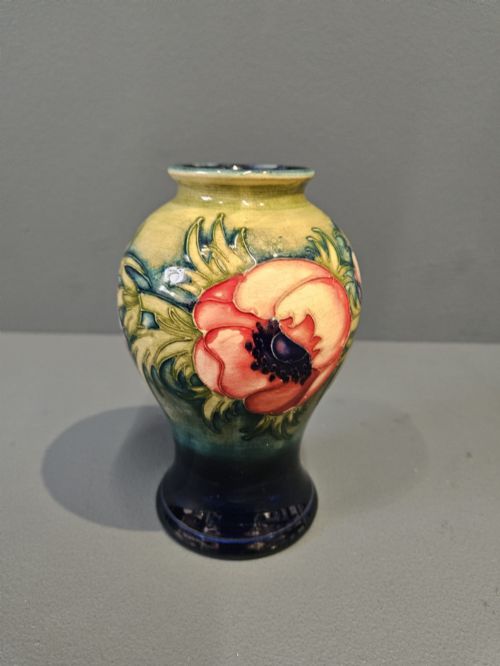
A floral pottery vessel encompasses items shaped as vases, jars, bowls, and pots decorated with plant designs, originating from periods spanning the seventeenth century through the early twentieth century.
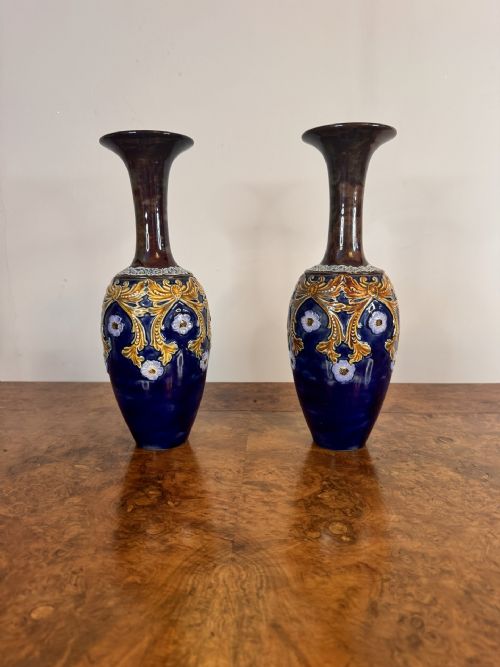
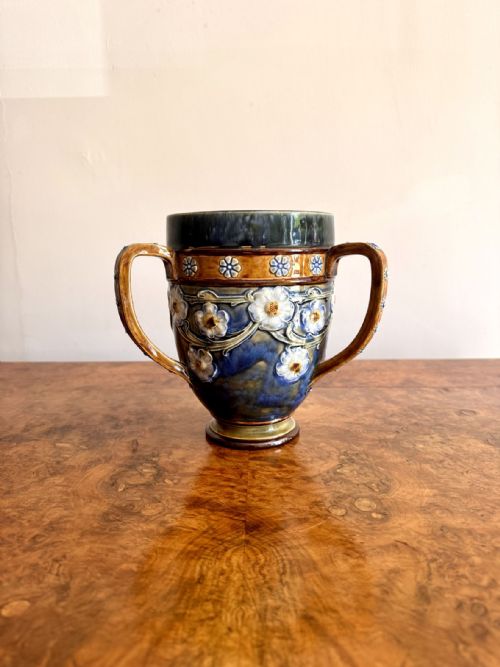
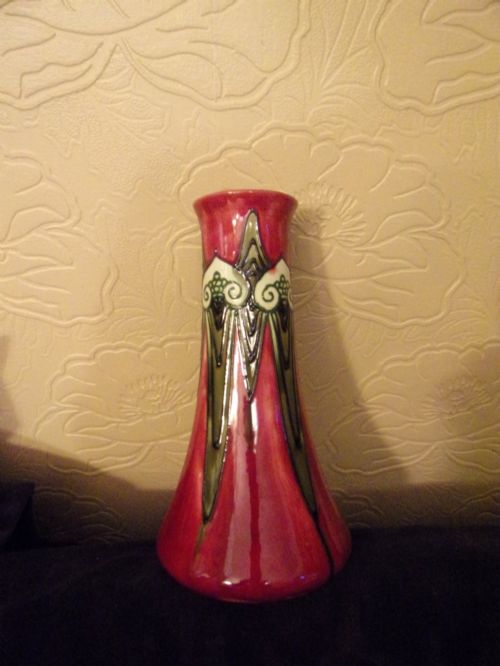
The selections most frequently met on this page include nineteenth-century stoneware baluster vases, Edwardian earthenware pieces, and porcelain examples bearing floral patterns.
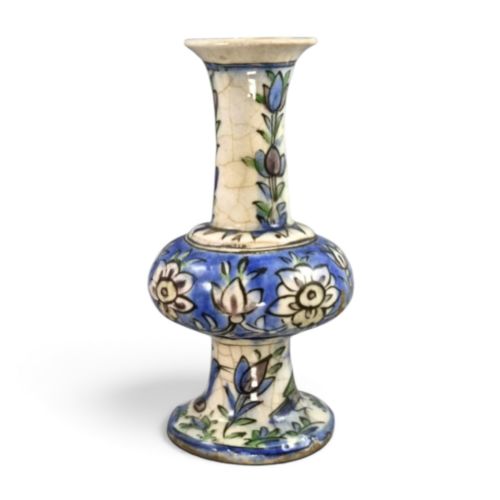
Originating across English potteries, European factories, and Japanese workshops, these objects range from utilitarian chamber pots to highly ornamental mantle pieces.
Materials and technique
Potters shaped these vessels using ceramic, earthenware, stoneware, and porcelain, applying glazes, enamel, and occasional gold leaf to the fired clay bodies.
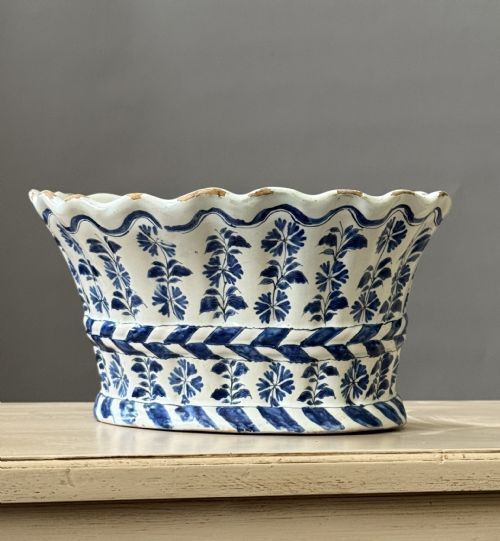
Decoration techniques recorded in the evidence involve tube-lined designs, hand-painting in polychrome pigments, and blue and white underglaze applications.
Firing took place in kilns suited to each clay body, allowing stoneware and porcelain to achieve durability while earthenware retained porous qualities.
Floral Pottery Vessel Retail Price Guide 2026
Typical asking prices for floral pottery vessel among the pieces listed under this phrase on Sellingantiques today, from the lower quarter to the upper quarter. They describe what is for sale here now, not the wider market.
Listings feature works spanning the seventeenth century to the twentieth century, encompassing both English potteries and Japanese export pieces.
Craft and execution
The distinction between ordinary production and superior work rests on the precision of the hand-painted botanical motifs and the depth of the glaze.
Makers who employed skilled artists for tube-lined designs or detailed enamelling produced items with sharper definition and more harmonious colour balances.
The weight and balance of the ceramic body, alongside the crispness of impressed or painted marks, indicate the care taken during production.
Royal Doulton·Moorcroft·Royal Crown Derby·Minton·Doulton Lambeth
The Floral Pottery Vessel Glossary
- Earthenware
- Porous pottery fired at lower temperatures, commonly coated in a glaze to hold liquids. It forms the body of many traditional household vessels.
- Stoneware
- Dense, impermeable ceramic fired at high temperatures until vitrified. This material resists chipping and supports heavy decorative glazes.
- Porcelain
- Translucent ceramic created from kaolin and petuntse fired at high heat. It offers a smooth, white surface ideal for intricate enamel painting.
- Tube-lining
- A technique where raised lines of slip are squeezed onto a clay surface from a bulb or tube. This creates compartmentalised outlines for subsequent colouring.
- Baluster
- A vertical architectural form featuring a rounded body that tapers toward the top. Many traditional vases adopt this stable silhouette.
Floral Pottery Vessel: Frequently Asked Questions
How do I date a floral pottery vessel?
Dating relies on identifying maker marks, impressed registry numbers, and stylistic cues such as Art Nouveau curves or Victorian proportions. Examining the glaze and the base foot can also reveal the era of manufacture.
Comparing the specific floral motifs against known production periods helps narrow down the decade. Written records and factory culls provide further context for older pieces.
Were these vessels used for cut flowers?
Many items functioned as display pieces rather than utility flower holders, particularly delicate porcelain vases and heavily gilded decorative bowls. Other forms, such as bough pots and jardinieres, were specifically designed for indoor horticulture.
Larger stoneware and earthenware vessels could accommodate water and stems safely. Reviewing the interior for water staining often indicates historical usage.
How should I clean my antique ceramic?
Cleaning requires gentle dusting with a soft, dry cloth to prevent accumulation in recessed glaze areas or tube-lined channels. Avoid submerging older earthenware or pieces with exposed enamel and gold leaf.
Harsh chemical detergents can strip delicate overglaze enamels. Warm water and mild soap applied sparingly should only be used when strictly necessary.
What is the difference between earthenware and stoneware?
Earthenware is fired at lower temperatures and remains slightly porous unless thoroughly glazed, making it heavier and more prone to chipping. Stoneware undergoes high-heat vitrification, resulting in a dense, stone-like body that is completely waterproof.
Stoneware generally feels heavier in the hand and rings slightly when struck. Earthenware tends to show warmer, more absorbent body colours where the glaze has worn thin.