


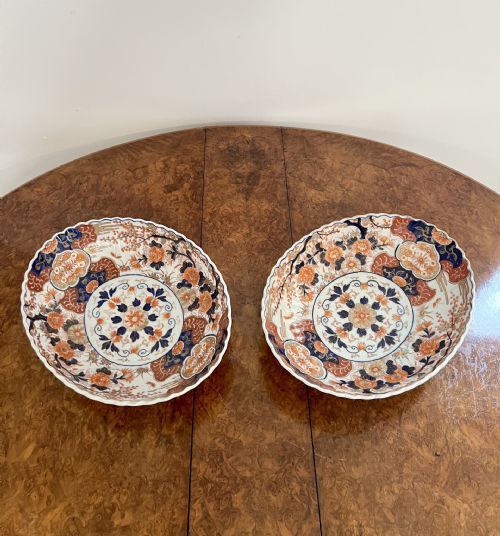

Floral Porcelain Decorative Bowl
A floral porcelain decorative bowl brings hand-painted botanical artistry and rich historical glaze work straight onto a dining table or cabinet.
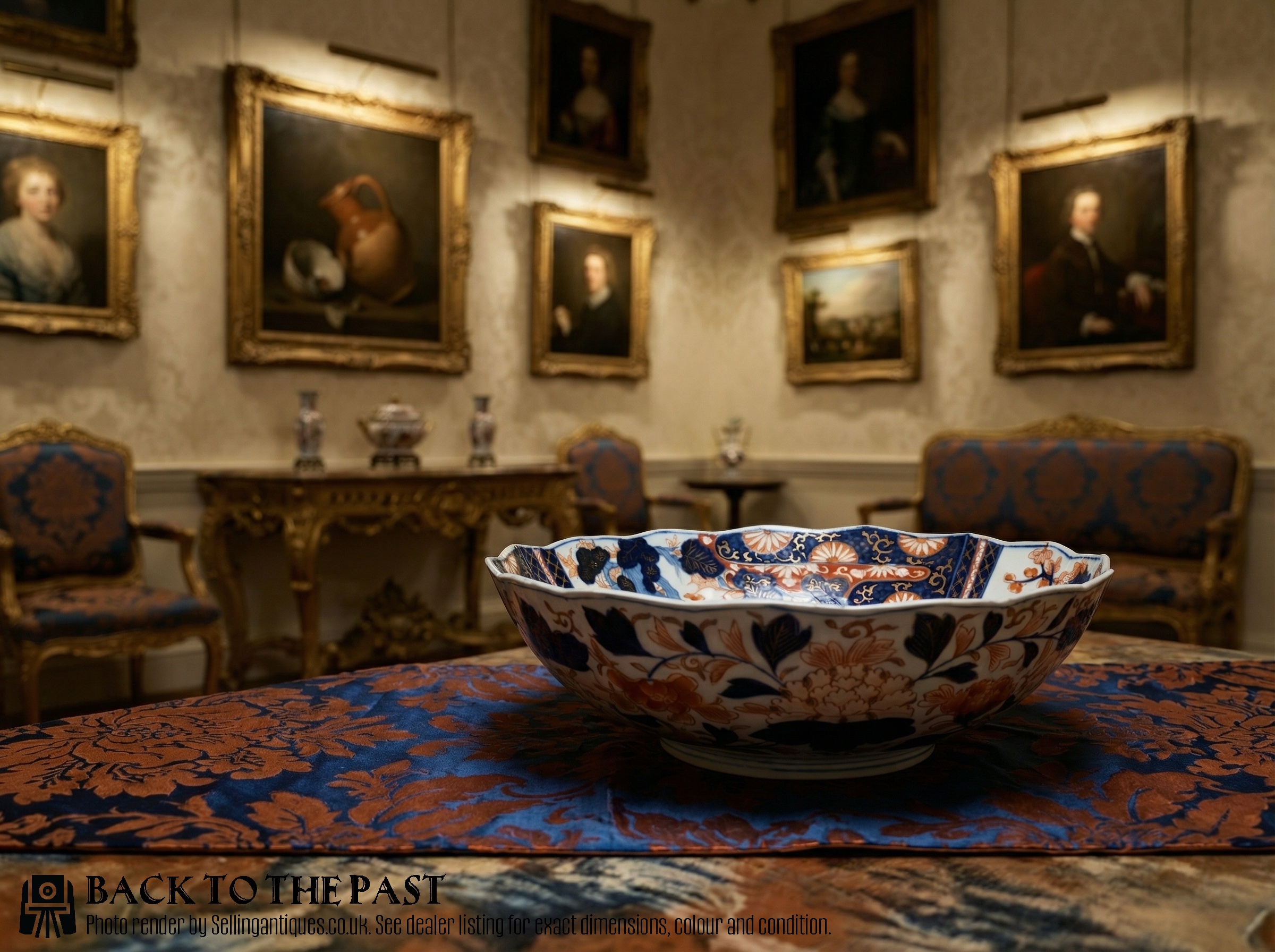
Floral Porcelain Decorative Bowl
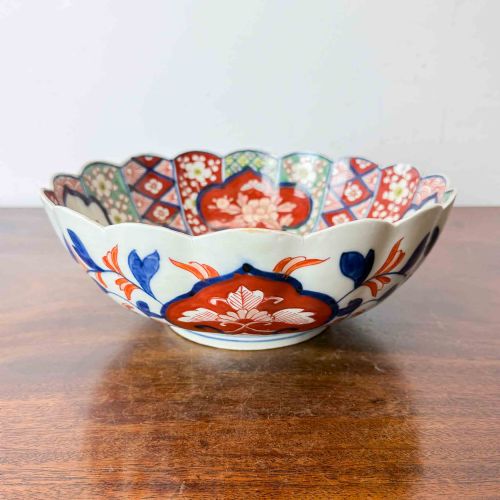
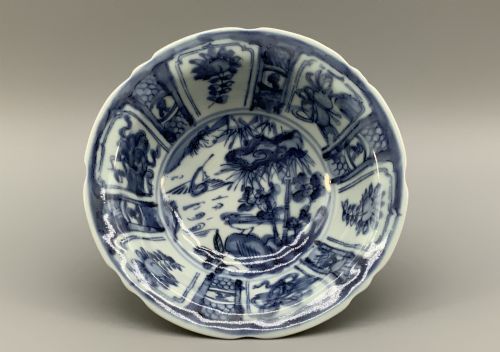
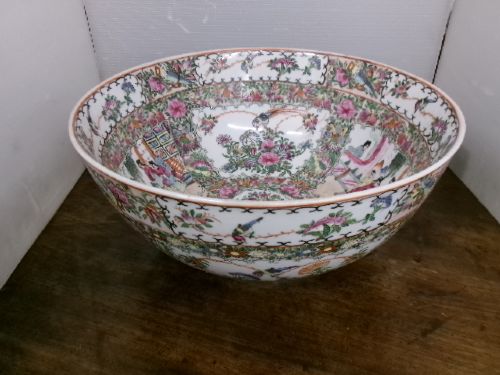
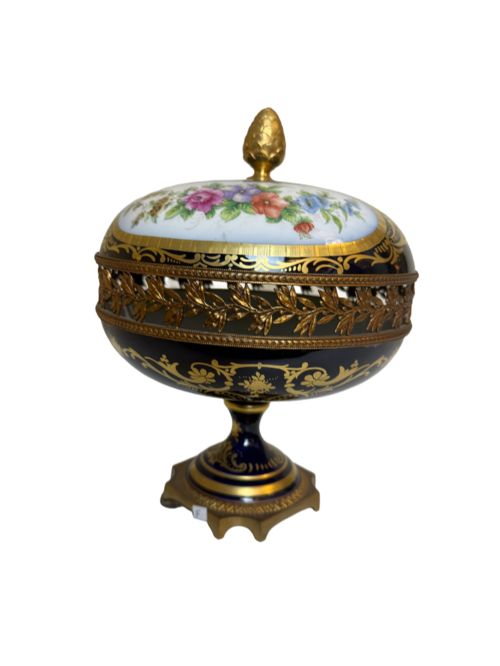
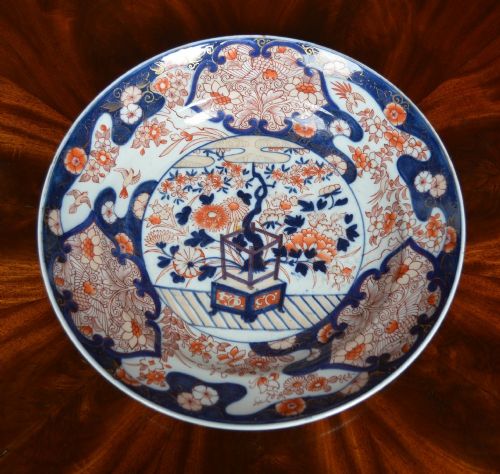
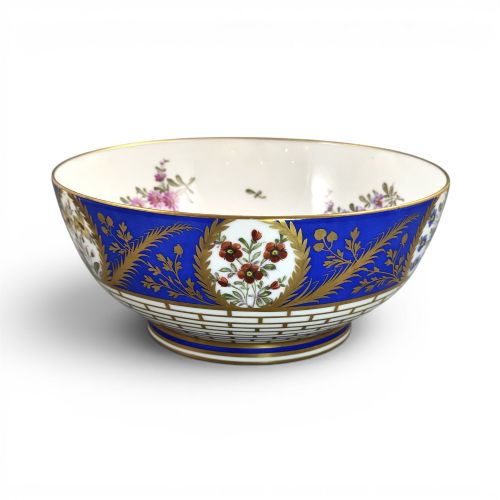
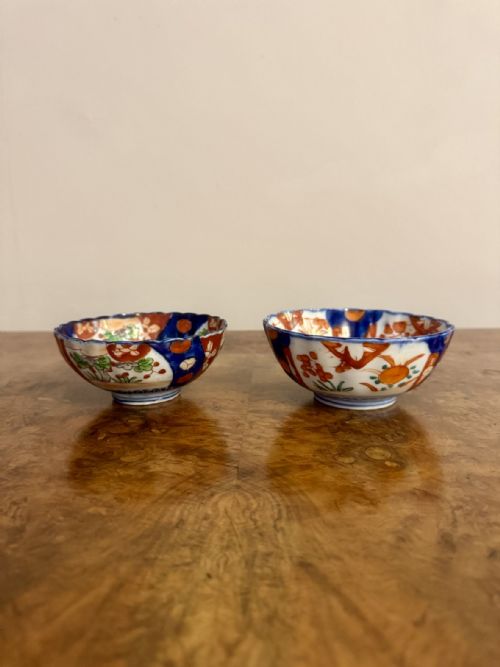
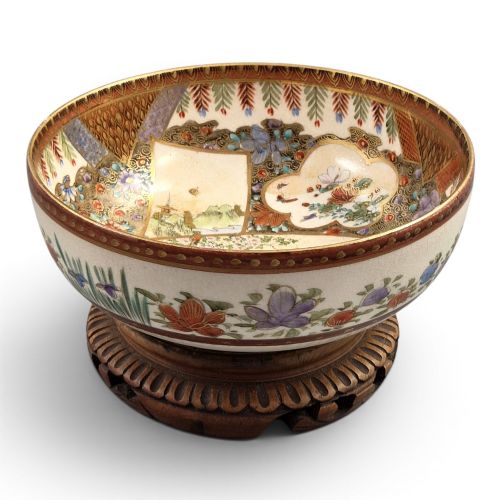
A floral porcelain decorative bowl encompasses a wide array of ceramic vessels created for display and service across centuries of ceramic history. When searching for a floral porcelain decorative bowl, buyers encounter diverse forms ranging from large Japanese Imari scalloped vessels and Satsuma floral bowls to English cabinet dishes and French lidded dishes.
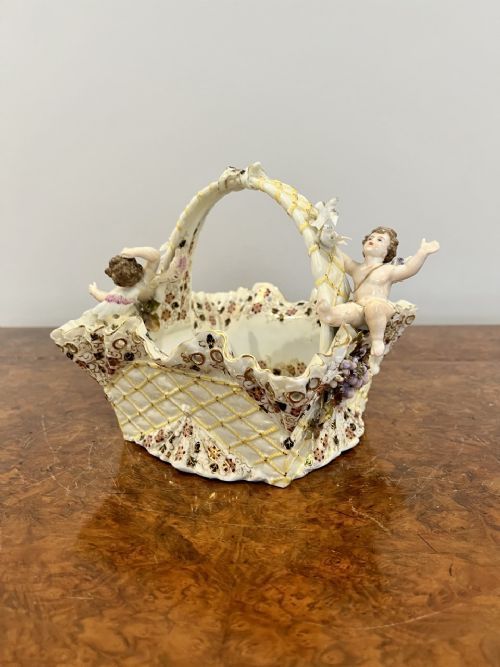
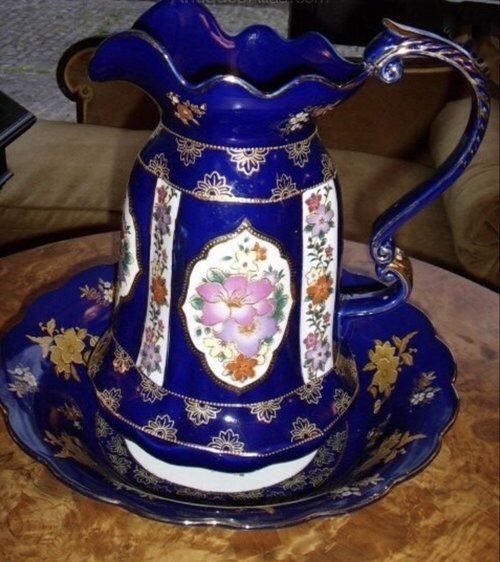
The pieces span various periods, including eighteenth-century productions, nineteenth-century Victorian examples, and early twentieth-century creations from Japan, China, and Europe. Forms vary from shallow display dishes and footed bowls to boat-shaped vessels and washstand sets featuring floral motifs.
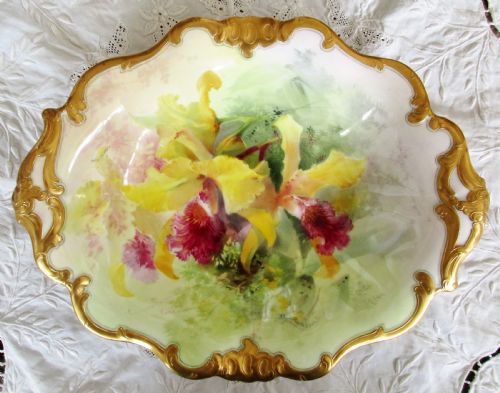
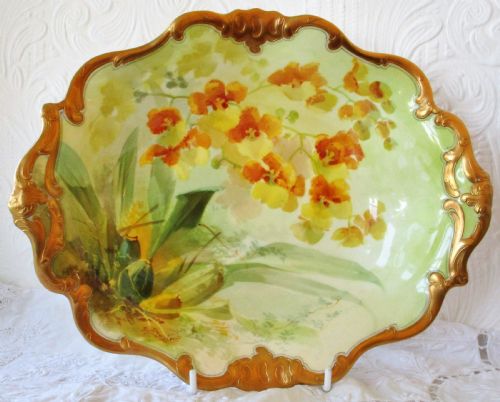
Japanese Imari and Satsuma styles feature prominently alongside English works by factories such as Royal Doulton and Royal Worcester. Buyers will find both large centrepiece bowls and smaller cabinet pieces decorated with hand-painted flowers, orchids, and intricate foliage.
Materials and construction techniques
The creation of these bowls relies upon high-fired porcelain, earthenware, and ceramic bodies shaped into bowls, dishes, and baskets. Artisans applied cobalt blue glaze, enamel colours, and detailed hand painting to depict floral scenes across the surfaces.
Many examples incorporate gold leaf, gilding, and gold accents to highlight scalloped edges, rims, and intricate patterns. Japanese Satsuma and Imari pieces utilise specialised glaze application and enamel work, while European pieces often employ detailed hand-painted botanical studies.
Listings feature porcelain, earthenware, and ceramic forms spanning the eighteenth, nineteenth, and early twentieth centuries.
Assessing quality in decorative bowls
Quality in these bowls rests upon the precision of the hand painting and the finesse of the brushwork used to render the floral details. Master painters achieved greater depth and clarity in floral motifs, distinguishing superior cabinet pieces from standard production wares.
The complexity of the form, such as scalloped edges, pierced baskets, or tripod supports, indicates the ambition of the maker. Furthermore, the application of gilding and the preservation of enamel colours over centuries play a decisive role in the standing of each piece.
Royal Doulton·Samson Paris·Royal Worcester·Kozan·Ryuzan·Nikko·James Hodgkiss·David Dewsberry·Shozo·Schierholz
The Floral Porcelain Decorative Bowl Glossary
- Imari
- A style of Japanese porcelain featuring a palette of underglaze blue, iron red, and gilt highlights. It originated in Arita and became popular for export during the Edo period.
- Satsuma
- A type of Japanese earthenware featuring a crackled ivory glaze decorated with polychrome enamels and gold. These pieces often depict dense floral and figural scenes from the Meiji period.
- Cabinet Dish
- A decorative ceramic plate or bowl intended for display in a cabinet rather than for daily dining use. These items typically showcase superior artistic execution and hand-painted subjects.
- Gilding
- The application of gold leaf or powdered gold onto the ceramic surface to accent rims, handles, and decorative borders. It adds a reflective quality to the finished vessel.
- Scallop Edge
- A decorative curved rim resembling the edge of a scallop shell, frequently employed on nineteenth-century bowls and plates. This shaping requires careful hand-forming before firing.
Floral Porcelain Decorative Bowl: Frequently Asked Questions
How were antique floral bowls used originally?
Many of these vessels served as centrepieces for dining tables, holding fruit or displaying floral arrangements during formal meals. Others functioned as cabinet dishes, meant solely for visual appreciation behind glass.
Larger sets, such as washstand jugs and basins, served practical hygiene purposes in bedchambers before modern plumbing arrived in homes.
How do I distinguish Japanese Imari from Satsuma?
Japanese Imari is traditionally hard porcelain decorated with a strong palette of cobalt blue and iron red, often enhanced with gold. The surfaces are smooth and vitrified.
Satsuma ware is an earthenware ceramic featuring a distinctive fine crackle glaze decorated with detailed polychrome enamels and heavy gilding.
Are these decorative bowls suitable for everyday use?
Antique ceramic bowls from the eighteenth and nineteenth centuries require careful handling due to their age and delicate hand-painted enamels. Washing them by hand in lukewarm water helps preserve the gold leaf and surface glazes.
Using them primarily for display or gentle service prevents unnecessary wear on historic surfaces and fragile rims.
What does the term cabinet dish mean?
A cabinet dish refers to a high-quality decorative plate or bowl collected for display in a display cabinet. These pieces typically feature intricate hand-painted artwork by named artists.
They were produced to highlight the technical and artistic capabilities of renowned factories rather than for serving food.