


Floral Pattern Ceramic Jars
Floral pattern ceramic jars bring vibrant botanical motifs into a room, offering both decorative presence and traditional storage.
Floral Pattern Ceramic Jars
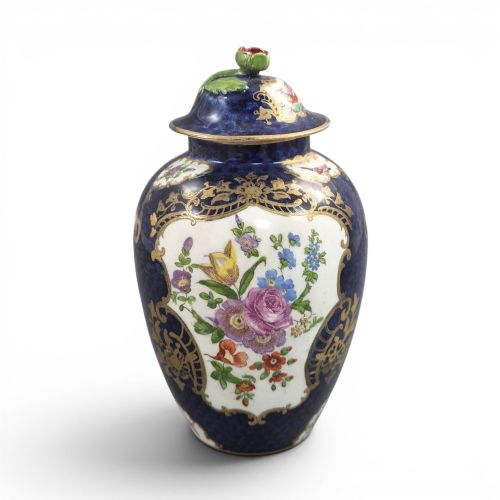
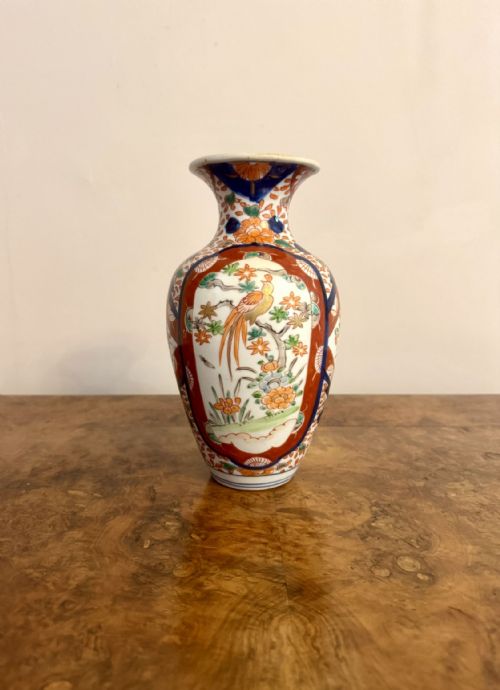
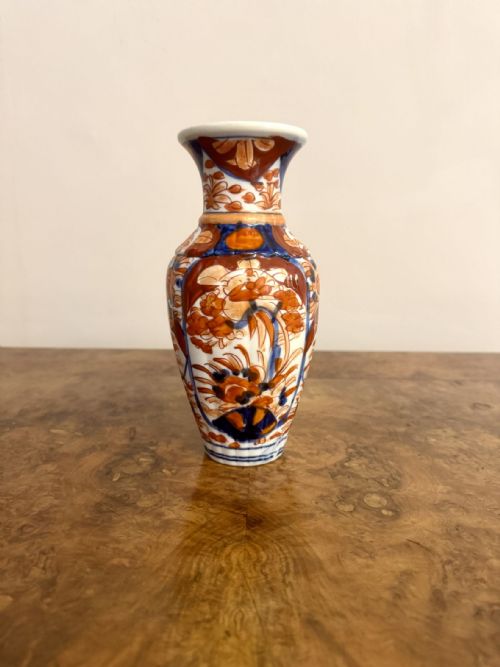
Floral pattern ceramic jars encompass a varied group of vessels decorated with botanical motifs, spanning periods from the eighteenth century through to the twentieth century. When exploring floral pattern ceramic jars, buyers encounter styles ranging from traditional Chinese designs and Japanese Imari to Italian Maiolica and Iznik revivals.
The selection frequently includes lidded pieces, tea caddies, and decorative vases shaped from porcelain, earthenware, ironstone, and tin glaze. These objects reflect international trade and artistic revivals across Victorian and later decades, showing diverse regional painting traditions.
How they were made
Potters shaped these vessels from ceramic bodies such as porcelain, earthenware, and ironstone before applying glazes and handpainted pigments. Techniques included tin glaze applications and the addition of gold leaf details over intricate floral and avian motifs.
Firing methods varied according to the workshop and period, producing both delicate translucent porcelain and heavier earthenware bodies. Decoration often involved layered handpainting, combining vibrant coloured glazes with traditional underglaze cobalt or polychrome enamels.
Several pieces depict exotic birds perched amongst scale blue ground patterns, proving that nineteenth-century artisans loved a theatrical garden scene.
What varies in quality
Quality in these vessels rests upon the precision of the handpainting and the crispness of the ceramic form. Finer examples display meticulous brushwork in the floral and decorative elements, whereas simpler pieces show broader, more repetitive strokes.
The choice of materials and the complexity of the glaze also distinguish the tiers of production. Pieces featuring detailed gold leaf accents or refined porcelain bodies generally represent more ambitious manufacturing standards than standard earthenware.
The Floral Pattern Ceramic Jars Glossary
- Porcelain
- A hard, fine-grained ceramic fired at high temperatures until vitrified. It is traditionally white and translucent.
- Tin glaze
- An opaque white glaze containing tin oxide, used as a smooth surface for painted decoration on earthenware.
- Tea caddy
- A small lidded container originally designed for storing loose tea leaves securely.
- Ironstone
- A durable type of heavy earthenware patented in the nineteenth century as a robust alternative to porcelain.
- Imari
- A traditional Japanese style of ceramics characterised by a palette of cobalt blue, iron red, and gold.
Floral Pattern Ceramic Jars: Frequently Asked Questions
What were ceramic jars used for originally?
Many of these vessels served practical roles in domestic spaces as containers for dry goods, tea, or preserves. Lidded forms helped protect perishable contents from moisture and air.
Over time, larger decorative examples transitioned into purely ornamental display pieces intended to enhance grand rooms and mantelpieces.
How do I identify Japanese Imari pieces?
Japanese Imari ceramics are typically recognised by their distinct colour palette, which combines deep underglaze cobalt blue with iron red and touches of gold leaf. The decorative schemes frequently feature floral panels alongside birds or landscapes.
These pieces reflect historic export traditions created specifically for Western markets during the nineteenth century and earlier.
How do I style a ceramic jar at home?
These jars work well as standalone focal points on sideboards, side tables, or open shelving. Their botanical patterns complement both traditional wooden furniture and more eclectic modern interiors.
Matching pairs can be used symmetrically to frame a fireplace or console, while single lidded vessels add height and visual weight to decorative arrangements.