
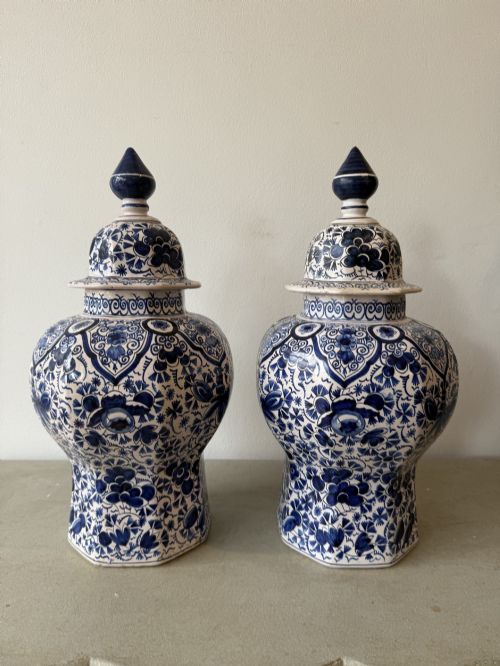


Pair Vintage Floral Vases
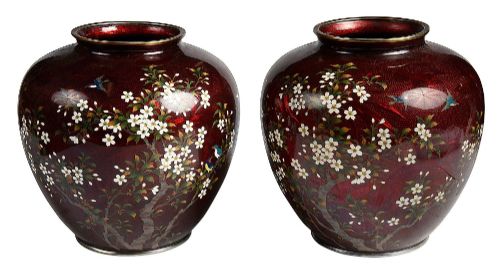
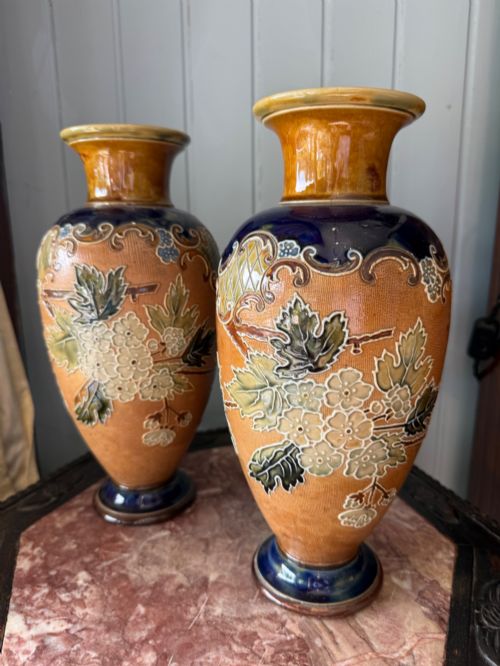
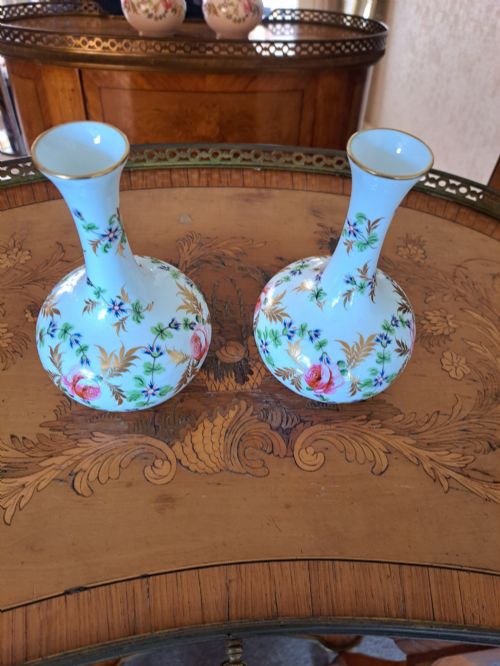
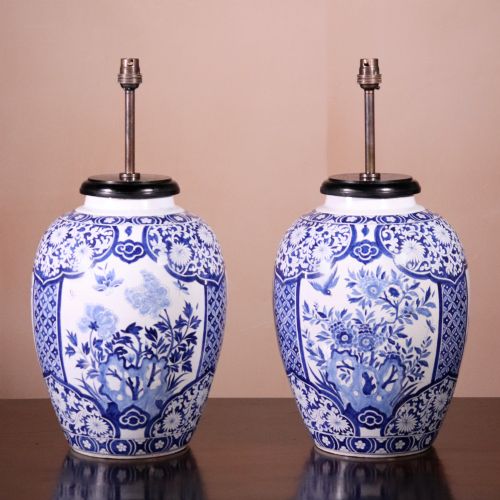
These pair vintage floral vases bring matching symmetry and botanical decoration to a room, spanning delicate porcelain, earthenware, and metalwork from the nineteenth and early twentieth centuries.
Pair Vintage Floral Vases
A set of matched pair vintage floral vases offers decorative symmetry, often displayed on mantels, sideboards, or console tables as balanced ornamental centrepieces. When searching for this phrase, buyers encounter matching pairs adorned with botanical motifs, painted blooms, or raised enamel floral patterns.
The selections span diverse forms, including traditional ceramic vessels, ginger jars, lidded urns, and occasional table lamps converted from original pots. Origins stretch across British potteries, continental European porcelain houses, and Japanese export workshops from the Victorian, Edwardian, and Meiji periods.
Makers ranged from large industrial potteries producing earthenware to specialist enamel artisans working on brass, copper, or ceramic bodies. Buyers find both diminutive bud vases and substantial trumpet-shaped vessels designed to hold floral arrangements or stand alone as pure decoration.
How they were made
Pottery vessels utilised ceramic, earthenware, porcelain, and stoneware bodies formed by throwing on a wheel or slip-casting in moulds, followed by glazing and kiln firing. Surface decoration involved hand-painted pigments, transfer printing, or applied slip relief before a final clear or coloured glaze sealed the piece.
Metal vessels utilised brass, copper, or bronze worked through beating, casting, and chasing, often combined with cloisonné wirework to create cellular compartments. Artisans filled these metal cells with coloured enamel pastes before firing and polishing the exterior to a smooth, lustrous finish.
Glass and specialised earthenware employed moulded or blown shaping techniques, sometimes incorporating raised gold leaf accents, hand-painted floral enamels, or detailed slip decoration such as lace patterns applied directly onto stoneware bodies.
Listings feature items from the 18th century, Victorian, Edwardian, and Meiji periods, utilising materials including brass, copper, enamel, porcelain, and earthenware.
What varies in quality
The precision and detail of the hand-painted floral decoration separate standard production items from superior works. Finer examples display meticulous brushwork, subtle shading on petals and leaves, and carefully applied raised enamel or gilding that enhances the depth of the design.
Material execution and finishing dictate overall calibre, particularly in metalwork and ceramics. Cloisonné pieces with tight, even wire cells and smooth enamel without pitting represent higher skill, while ceramic vessels show quality through crisp moulding, unblemished glaze surfaces, and balanced symmetry between the two matched pieces.
Royal Doulton·Crown Derby·Minton·Doulton Lambeth·Mason·Moorcroft Macintyre·Poole Pottery·Kinkozan·Hakusan·Ernst Wahliss·Samson Paris·Baccarat·Mettlach Pottery·TG Green
The Pair Vintage Floral Vases Glossary
- Cloisonné
- A metalwork technique where thin metal wires are soldered to a base to form compartments, which are then filled with enamel paste and fired. This method creates intricate patterned outlines filled with vibrant colours.
- Imari
- A traditional style of Japanese export porcelain characterised by a distinctive palette of underglaze blue, iron red, and gilt highlights. Designs frequently incorporate floral and botanical motifs.
- Posy Vases
- Small vessels specifically proportioned to hold short-stemmed bunches of flowers or single posies. They often appear in delicate ceramic forms suitable for tabletop placement.
- Satsuma
- Earthenware pottery originating from Japan featuring a crackled ivory glaze decorated with polychrome enamels and gilding. Floral gardens and figurative scenes are common subjects on these pieces.
- Stoneware
- A robust, vitrified ceramic fired at high temperatures until non-porous and vitreous. It accepts specialised glazes and surface treatments like applied slip decoration.
Pair Vintage Floral Vases: Frequently Asked Questions
What are pair vintage floral vases?
These items are matching sets of two decorative vessels decorated with plant, leaf, or flower motifs, produced across various historical periods.
They serve primarily as ornamental objects to bring symmetry and colour to interior spaces.
How were these vases used historically?
Many of these vessels held fresh floral arrangements or dried botanical displays within domestic parlours and dining rooms.
Others functioned purely as decorative mantel ornaments or were later converted into functional table lamps.
How do I care for antique ceramic and metal vases?
Dust surfaces gently with a soft dry cloth and avoid using harsh chemical cleaning agents on painted or gilded areas.
Keep them away from direct sunlight and excessive moisture to protect fragile enamel and glaze finishes.
How can I tell different manufacturing periods apart?
Stylistic indicators such as Art Nouveau curves, Victorian floral realism, or Meiji period cloisonné techniques help assign pieces to broad eras.
Maker marks, base stamps, and material composition further clarify the exact timeframe of production.