






Floral Painted Porcelain Platters
Floral painted porcelain platters bring together centuries of botanical artistry and ceramic craft, offering striking table display pieces for the home.
Floral Painted Porcelain Platters
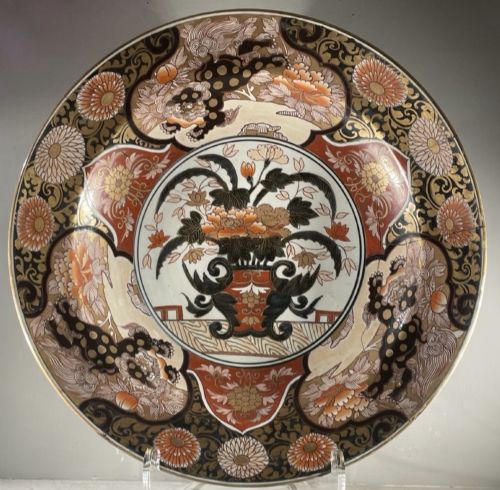
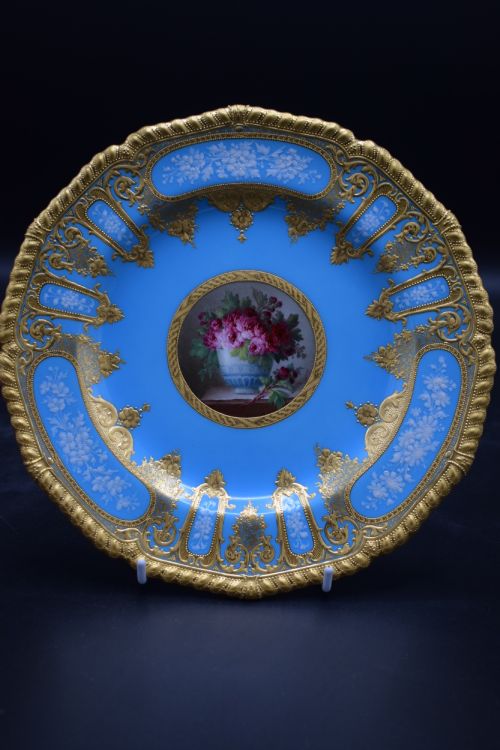
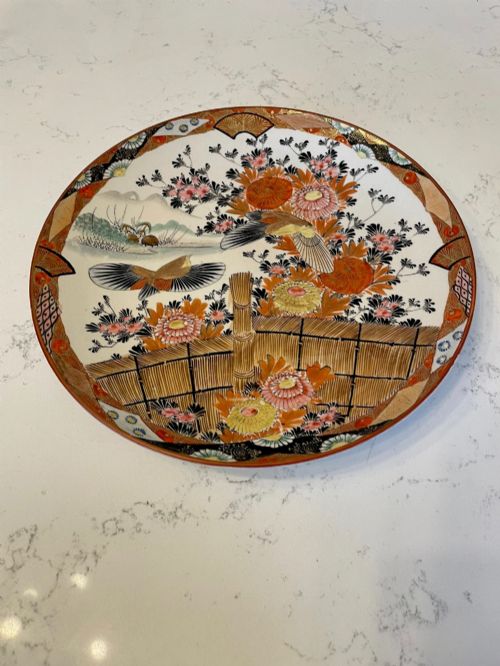
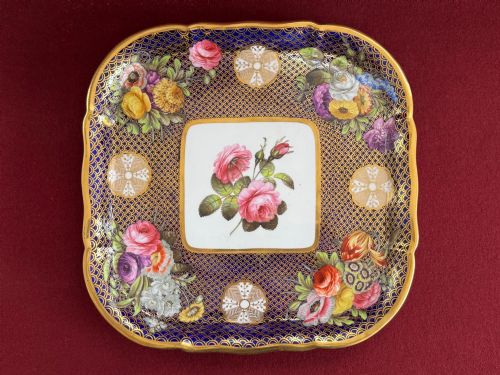
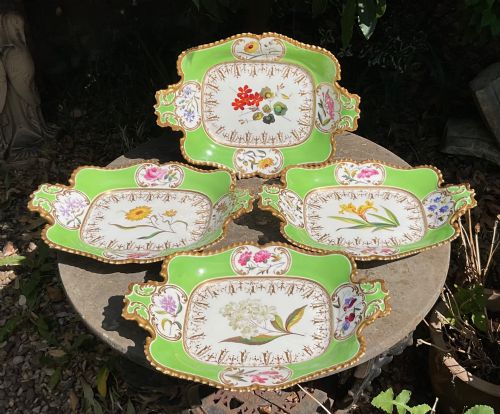
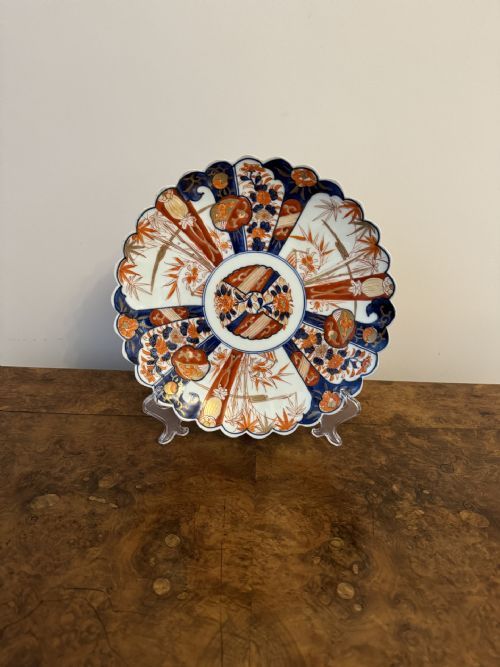
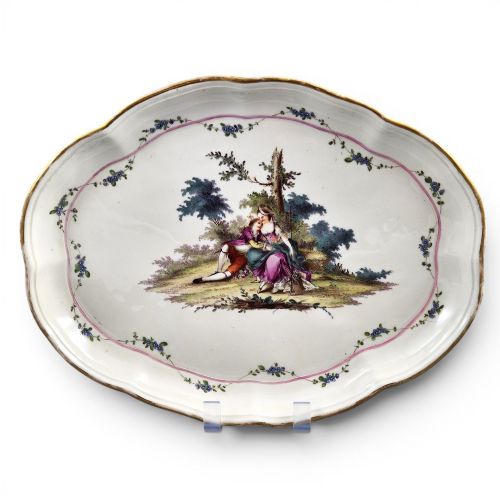
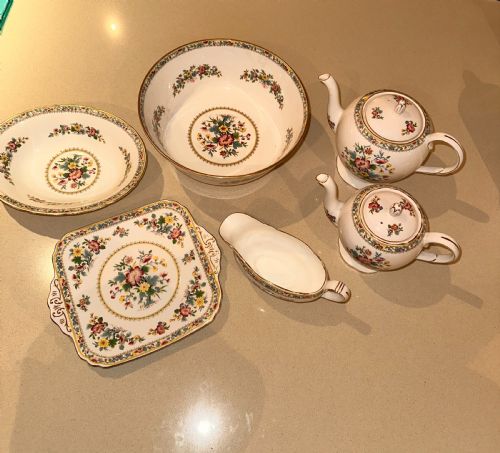
Floral painted porcelain platters encompass large serving dishes, decorative chargers, and cabinet plates adorned with hand-painted botanical motifs. These pieces range from eighteenth-century European porcelain and nineteenth-century English earthenware to Japanese Imari and Kutani wares.
Buyers frequently encounter nineteenth-century Japanese Imari chargers alongside English Georgian and Victorian botanical serving dishes. These forms reflect both Asian export traditions and the domestic output of European factories.
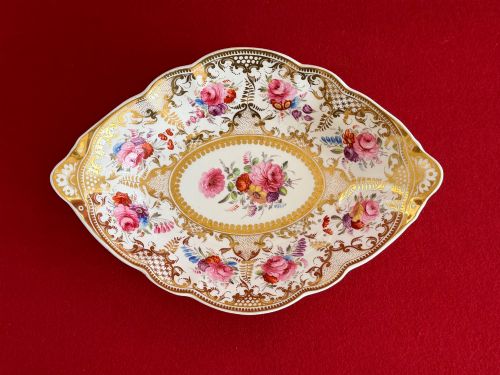
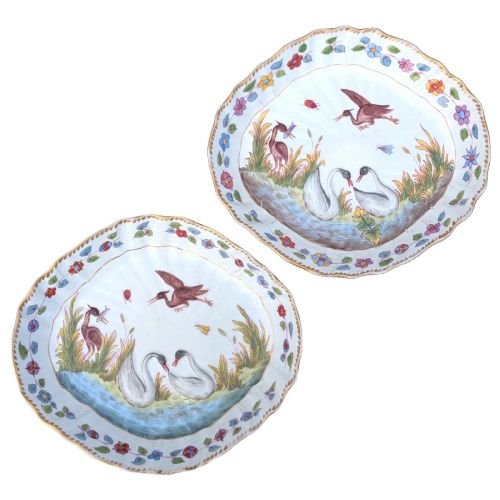
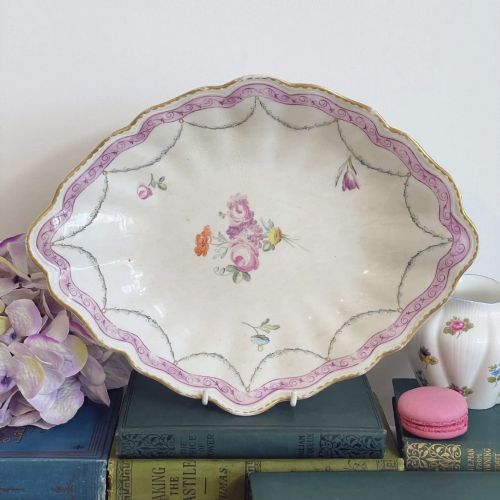
The selection includes oval serving dishes, scalloped edge plates, and wide shallow bowls designed for display or dining use.
Materials and Techniques
Makers utilised ceramic body pastes, porcelain, and ironstone, finished with transparent glazes to seal the surface. Cobalt underglaze provided deep blue tones, while polychrome enamel paints added vibrant floral details.
Gold leaf and gilding were frequently applied to rims and borders, often cured with heat to bond with the glaze. Hand-painting techniques ensured each floral arrangement, bird design, or botanical specimen possessed individual character.
Floral Painted Porcelain Platters Retail Price Guide 2026
Typical asking prices for floral painted porcelain platters among the pieces listed under this phrase on Sellingantiques today, from the lower quarter to the upper quarter. They describe what is for sale here now, not the wider market.
Listings incorporate porcelain, enamel, gold leaf, and cobalt underglaze across Georgian, Victorian, and Japanese Meiji periods.
Factors of Quality
Quality rests upon the precision of the hand-painting, the clarity of the enamel colours, and the crispness of any cobalt underglaze work. Superior examples demonstrate confident brushwork in the depiction of flowers and foliage.
The fineness of the porcelain body, stability of the glaze without excessive pitting, and integrity of the gilding separate standard production items from masterworks.
Spode Porcelain·Chamberlains Worcester·Hicks And Meigh·Royal Doulton·John Davenport Of Longport·Müller Volkstedt
The Floral Painted Porcelain Platters Glossary
- Imari
- A style of Japanese porcelain featuring a palette of underglaze blue, iron red, and gilt highlights. This decorative tradition heavily influenced European ceramic production during the eighteenth and nineteenth centuries.
- Charger
- A large decorative plate or platter used primarily for display or ceremonial serving. These pieces often measure significantly wider than standard dinner plates.
- Polychrome
- Decoration employing multiple distinct colours in the painted design. In ceramics, this usually involves hand-applied enamel pigments fired over the glaze.
- Cobalt underglaze
- A pigment applied directly to the raw ceramic body before glazing and high-temperature firing. This technique produces durable blue designs that remain protected beneath the glassy surface.
Floral Painted Porcelain Platters: Frequently Asked Questions
Can I use these platters for serving food?
Most antique porcelain platters are suitable for serving dry foods or fruit, though older enamel and gilt decorations require gentle hand washing to preserve the surface.
For daily dining, inspect the glaze for wear before use, as nineteenth-century pigments can be sensitive to modern detergents.
How do I hang a heavy charger on the wall?
Displaying large plates requires a properly sized spring-loaded wire hanger that distributes the weight evenly around the rim without putting pressure on the ceramic body.
Ensure the wall fixing is secured directly into a stud or uses a rated wall anchor to support the heavy porcelain safely.
How do I distinguish Japanese Imari from European copies?
Japanese Imari porcelain typically exhibits a slightly greyer or denser body paste with characteristic iron-red and deep cobalt tones beneath a bright glaze. European factories adapted these palettes onto softer earthenwares and different porcelain formulas.
Examining the foot ring and any painted or stamped marks on the reverse helps clarify the regional origin of the piece.
What does cabinet dish mean?
A cabinet dish refers to a decorative plate or tray intended purely for display within a cabinet or on a wall rather than active table service. These items usually feature intricate hand-painted botanical scenes or rich gilding that would suffer from regular use.
They represent the artistic output of a pottery rather than utilitarian dining ware.