

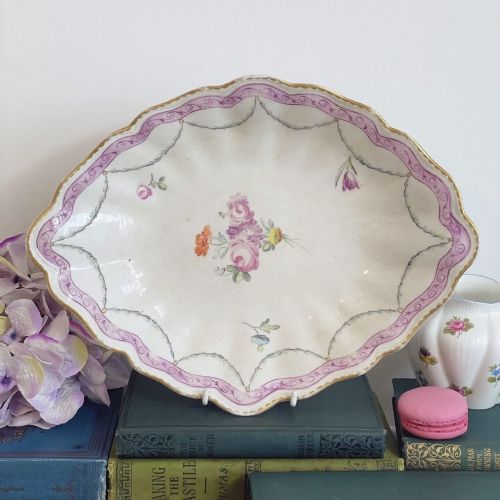
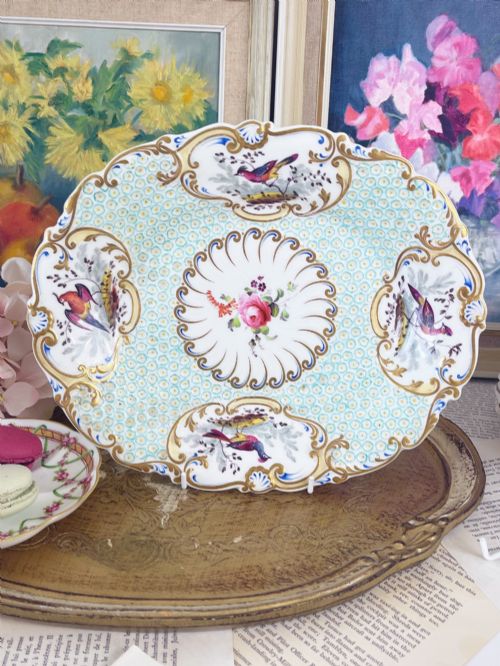
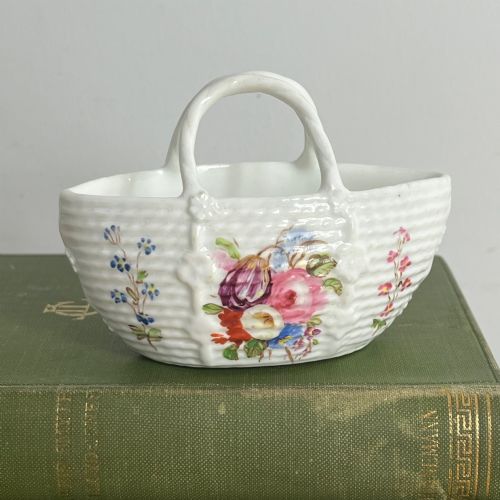
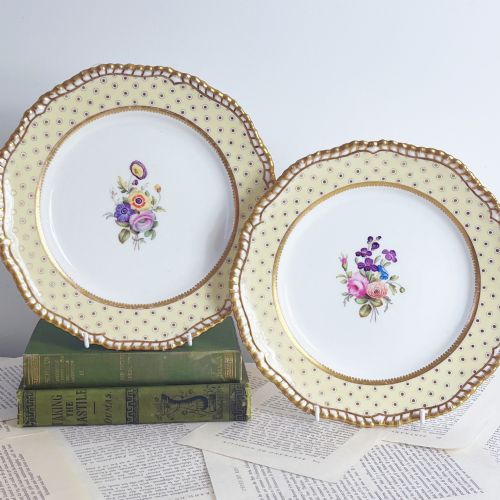
Floral Painted China Dish
These floral painted china dish items bring hand-rendered botanical detail and historic ceramic forms straight into modern rooms.
Floral Painted China Dish
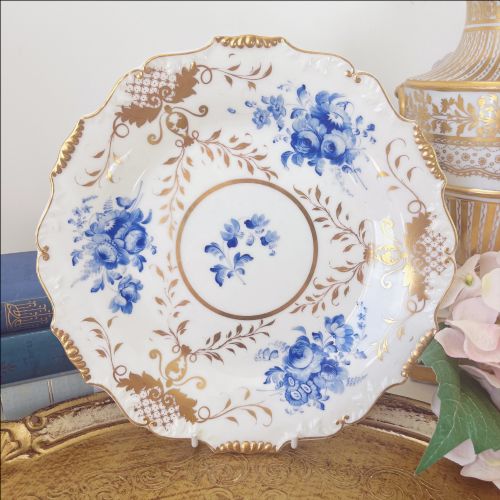
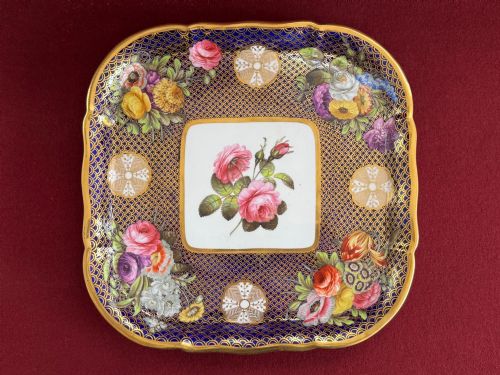
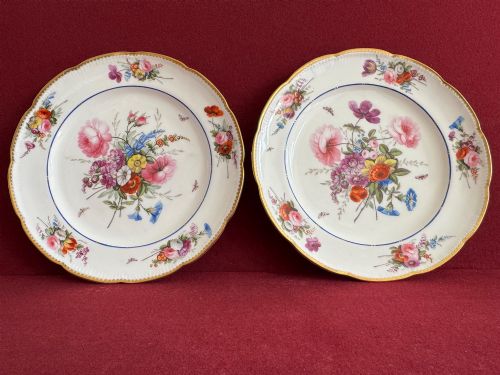
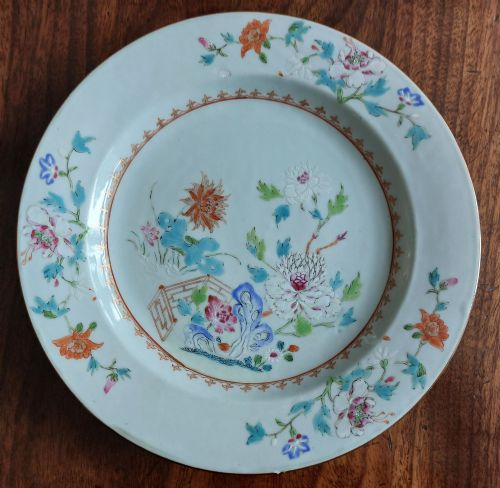
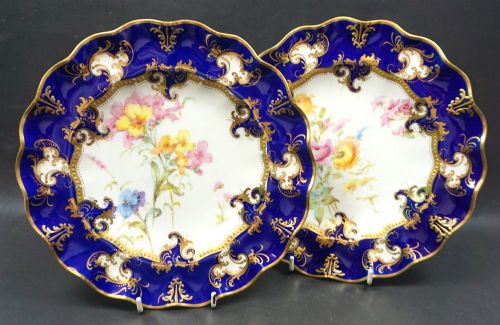
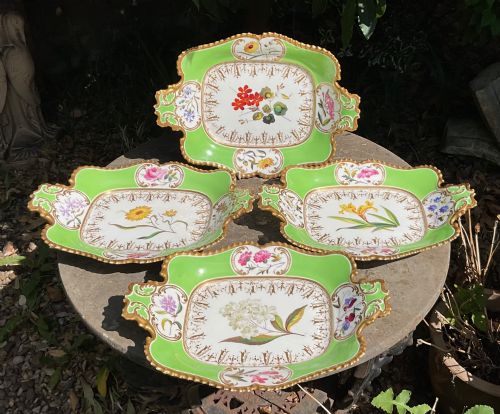
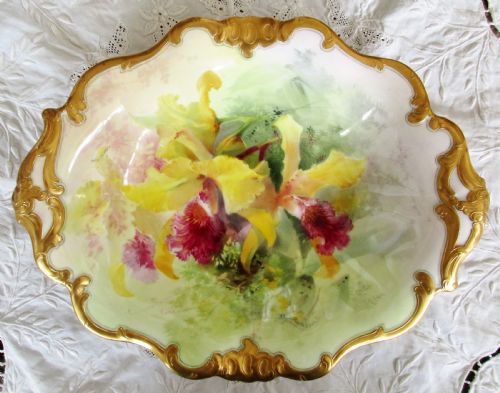
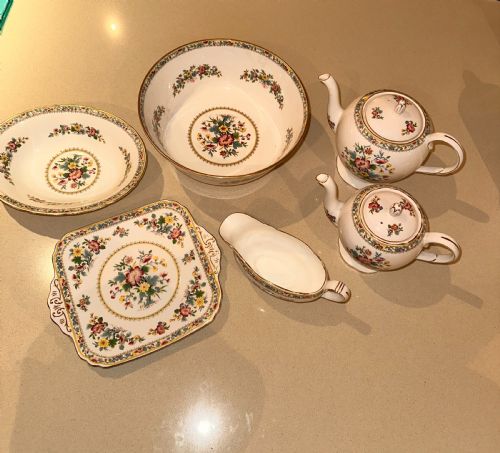
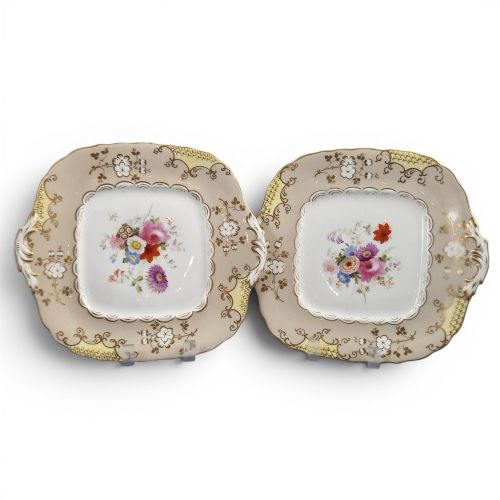
A floral painted china dish takes many forms across this selection, ranging from cabinet plates and serving dishes to decorative bowls and trays. Buyers searching this phrase meet porcelain, bone china, and ironstone pieces originating from eighteenth, nineteenth, and early twentieth-century makers.
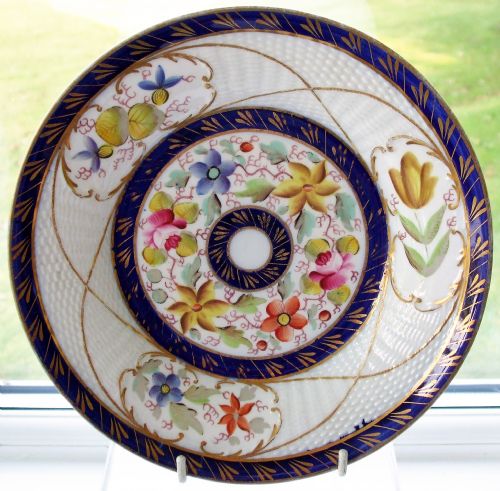
The assortment spans English factories like Worcester, Derby, and Coalport alongside continental European and Asian examples. Forms include scalloped edges, lobed plates, and basketweave shapes designed originally for dessert service or display.
How They Were Made
Potters shaped these objects from ceramic pastes, porcelain bodies, and ironstone before applying hand-painted polychrome floral motifs. Artisans integrated gold leaf, gilt, and gilding to highlight rims, borders, and central painted compositions.
Firing techniques varied by period, shifting from early soft-paste porcelain formulas to nineteenth-century bone china and felspar bodies. Decorators worked directly onto the glazed surface or overglaze, frequently employing blue marks or hand-brushing botanical studies.
Floral Painted China Dish Retail Price Guide 2026
Typical asking prices for floral painted china dish among the pieces listed under this phrase on Sellingantiques today, from the lower quarter to the upper quarter. They describe what is for sale here now, not the wider market.
Botanical artists often painted insects alongside florals to hide minor glaze specks.
What Varies in Quality
The precision and delicacy of the hand-painted brushwork separate standard production wares from superior cabinet pieces. Botanical subjects rendered with botanical accuracy and fine shading command attention.
The application and preservation of gilding and gold leaf contribute significantly to a piece's visual impact. Intricate moulding, such as basketweave textures or lobed rims, reflects the underlying ambition of the factory.
Spode·Flight Barr And Barr·H And R Daniel·Derby·Royal Crown Derby·Chamberlains Worcester·Royal Doulton·John Davenport·Coalport·New Hall·Walker And Hall·Doe And Rogers·Joseph Gaspard Robert·Meissen·Rockingham Pottery·Pucher Deroche·Paul Müller Selb·Minton·Copeland·Chantilly·Sevres·Müller Volkstedt·Royal Worcester
The Floral Painted China Dish Glossary
- Cabinet plate
- A decorative plate intended for display in a cabinet rather than for dining use. These often feature elaborate hand-painted scenes or rich gilding.
- Bone china
- A type of soft-paste porcelain incorporating bone ash, developed in England to create a durable, whiter body. It allowed for thinner walls and delicate forms.
- Felspar
- A mineral flux added to ceramic bodies during the nineteenth century to improve translucency and strength. Spode utilised this material extensively.
- Gilding
- The application of gold leaf or powdered gold to ceramic surfaces. It defines borders, handles, and decorative accents.
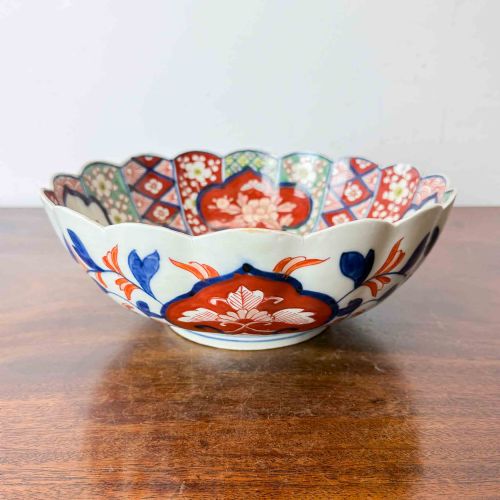
- Imari
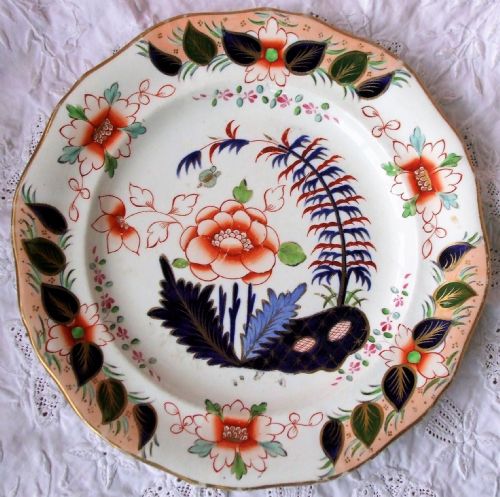
- A style of ceramic decoration originating in Japan, characterised by cobalt blue, iron red, and gold. English and continental factories frequently imitated this palette.
Floral Painted China Dish: Frequently Asked Questions
How do I identify an eighteenth-century dish?
Eighteenth-century examples often display soft-paste porcelain bodies with hand-painted polychrome enamels and underglaze blue marks. The weight and glaze texture differ noticeably from later nineteenth-century bone china.
Examining the foot rim and the style of the floral painting helps confirm the period. Earlier pieces frequently show slight kiln imperfections and hand-mixed pigments.
Can I use these dishes for serving food?
Most antique pieces function best as decorative items or display plates due to age and delicate painted surfaces. Historic glazes and gold leaf can wear down with frequent washing.
Serving dry items occasionally is possible, but hand washing in lukewarm water is essential. Avoid dishwashers and microwaves entirely.
What does Imari mean on a British plate?
Imari refers to a decorative style inspired by Japanese export porcelain featuring deep cobalt blue, iron red, and gold highlights. English factories adopted this aesthetic during the Georgian and Victorian eras.
Dishes labelled as Imari pattern showcase these distinct colour combinations on ironstone or porcelain bodies. The designs blend European ceramic shapes with traditional Eastern motifs.