



Antique German Ceramics Bowl
An antique german ceramics bowl brings cabinet porcelain and centrepieces into domestic settings through painted scenes, modelled figures, and gilt finishes.
Antique German Ceramics Bowl
When you search for an antique german ceramics bowl, you encounter a wide variety of tableware and decorative objects spanning the eighteenth century to the art deco period. These pieces encompass large centrepieces, sweetmeat dishes, decorative bowls, and lidded sugar or powder boxes produced by major European factories.
The most common examples on this page date from the nineteenth and early twentieth centuries, particularly around nineteen hundred and the edwardian era. They frequently combine functional bowl forms with sculptural elements such as putti, cherubs, and applied floral motifs.
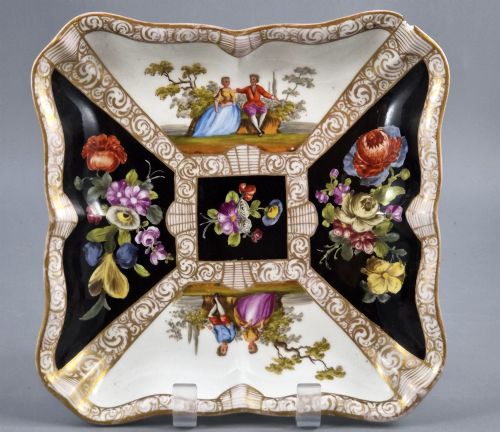
Earlier eighteenth century productions also appear, offering hand-painted scenes and specialised grounds such as puce or black. These items reflect the shifting aesthetic movements from rococo revival to art deco across german-speaking manufacturing centres.
Materials and production methods
These items rely primarily on hard-paste porcelain and ceramic bodies shaped into bowls, dishes, and figurative containers. Artisans applied liquid clay slips and formed intricate details by hand before high-temperature firing.
Decoration involved hand painting using enamel colours, supplemented by gold leaf and gilding applied to rims and moulded surfaces. Surface ornamentation often included applied porcelain roses and raised botanical relief work.
Antique German Ceramics Bowl Retail Price Guide 2026
Typical asking prices for german ceramics bowl among the pieces listed under this phrase on Sellingantiques today, from the lower quarter to the upper quarter. They describe what is for sale here now, not the wider market.
Several pieces feature cheerful musical putti caught mid-tune among handfuls of applied porcelain roses.
Distinguishing quality in german porcelain
Quality rests upon the crispness of the modelled figures, the delicacy of applied floral elements, and the precision of the hand-painted details. Elaborate centrepieces with multiple putti and intricate basket weave structures demand high technical skill.
The sophistication of the enamel palette and the retention of original gold leaf or gilding differentiate standard decorative wares from exceptional collector pieces.
Meissen·Dresden·Paul Müller Selb·R.Wehsner·Schierholz·Volkstedt
The Antique German Ceramics Bowl Glossary
- Hard-paste porcelain
- A durable ceramic material composed of kaolin and petuntse fired at high temperatures. It forms the dense, vitrified body typical of fine european table wares.
- Sweetmeat dish
- A small vessel designed for serving confectionery, nuts, or dried fruits during formal dining. These often take ornate figural or basket forms.
- Centrepiece
- A large decorative bowl or sculptural arrangement placed in the middle of a dining table. They frequently incorporate cherubs or floral garlands.
- Bonbonniere
- A small decorative box intended for holding sweets or bonbons. Examples from this tradition often feature hinged or lidded porcelain construction.
- Putto
- A figure of a small naked child, often winged, derived from classical art. They appear frequently in relief and as supporting figures on nineteenth century centrepieces.
Antique German Ceramics Bowl: Frequently Asked Questions
How are antique german bowls dated?
Dating relies on factory marks, stylistic indicators such as rococo revival or art deco forms, and the specific painting techniques used on the porcelain surface.
Examinations of the paste and glaze textures also assist in distinguishing eighteenth century output from later nineteenth and twentieth century reproductions.
What is a centerpiece bowl?
A centerpiece bowl is a large decorative vessel designed to sit centrally on a dining table or sideboard. These items often feature elaborate modelled figures, applied flowers, or openwork baskets.
During the nineteenth century, they served as both decorative art objects and functional containers for fruit or sweets.
How do I care for antique porcelain?
Antique porcelain requires gentle handling and should be washed by hand in lukewarm water using mild soap. Avoid abrasive sponges or harsh detergents that might damage painted enamel and gilding.
Keep pieces away from direct sunlight and sudden temperature changes to protect the ceramic body and surface decorations.
What are powder and trinket boxes?
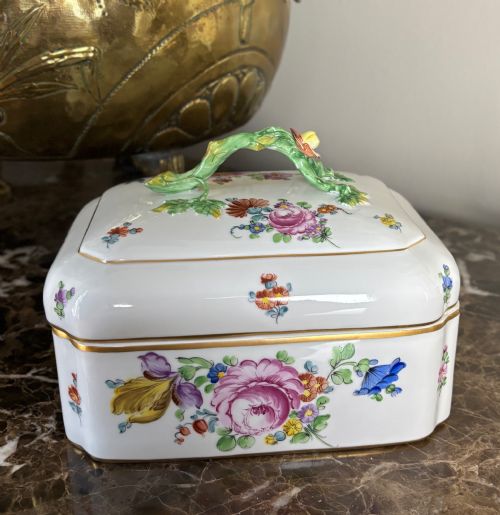
Powder and trinket boxes are small lidded containers used historically on dressing tables to hold cosmetics, face powder, or jewellery. Art deco examples from germany frequently incorporate figural lids like jesters.
These compact items reflect the intimate domestic habits of their respective periods.