
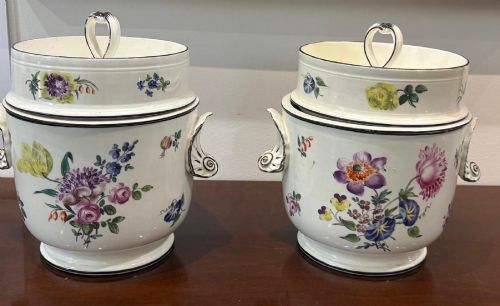
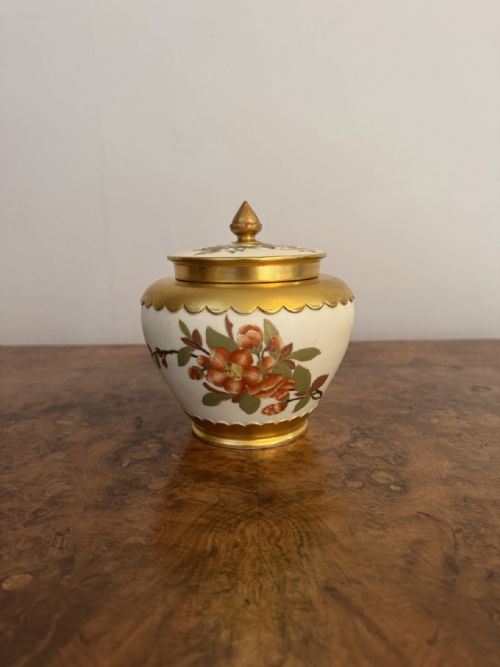
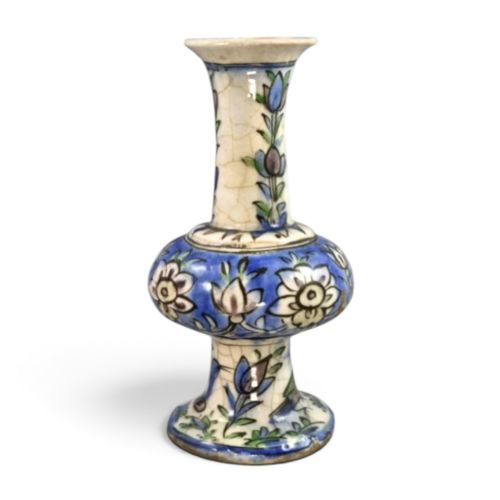
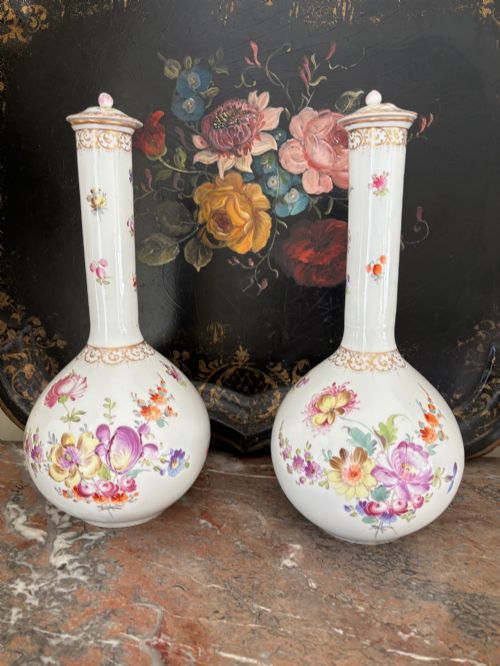
Floral Painted Ceramic Urn
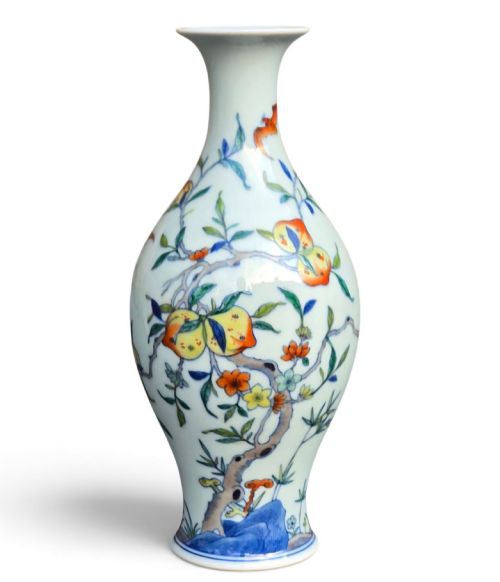
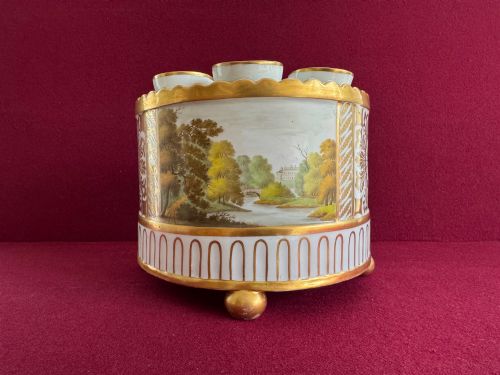
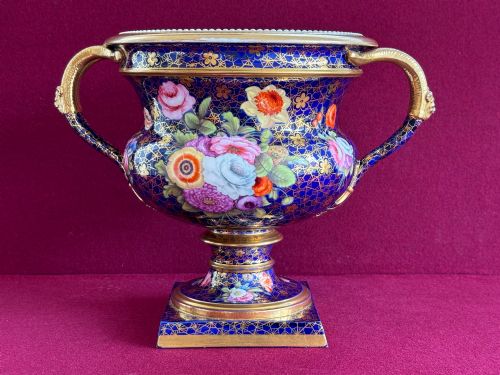
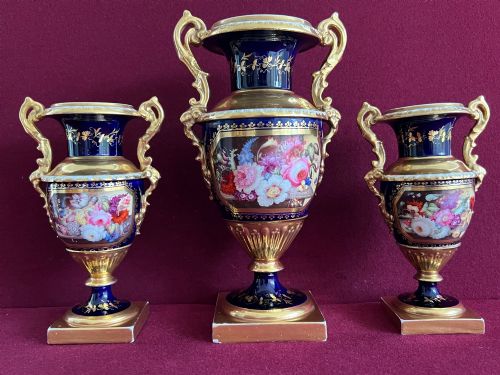
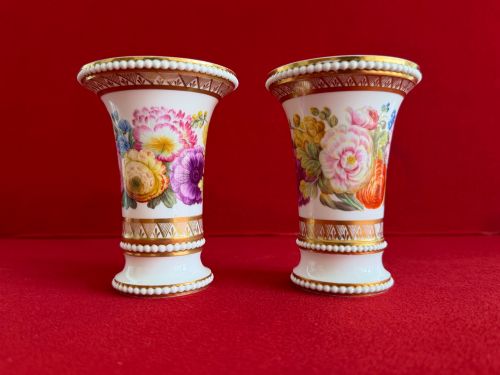
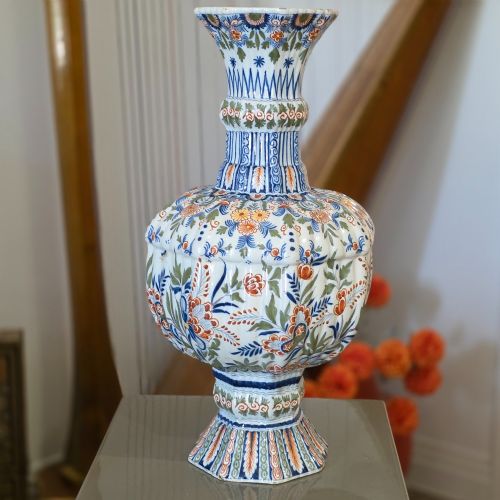
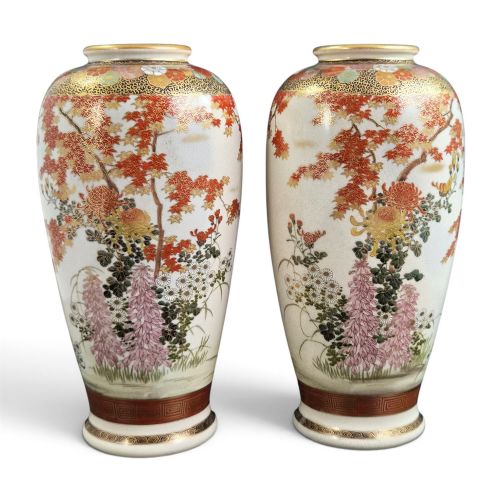
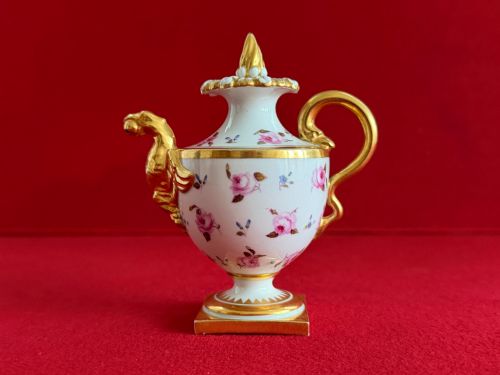
These floral painted ceramic urn pieces offer hand-decorated pottery forms from the eighteenth to twentieth centuries, bringing classical shapes and botanical motifs into a room.
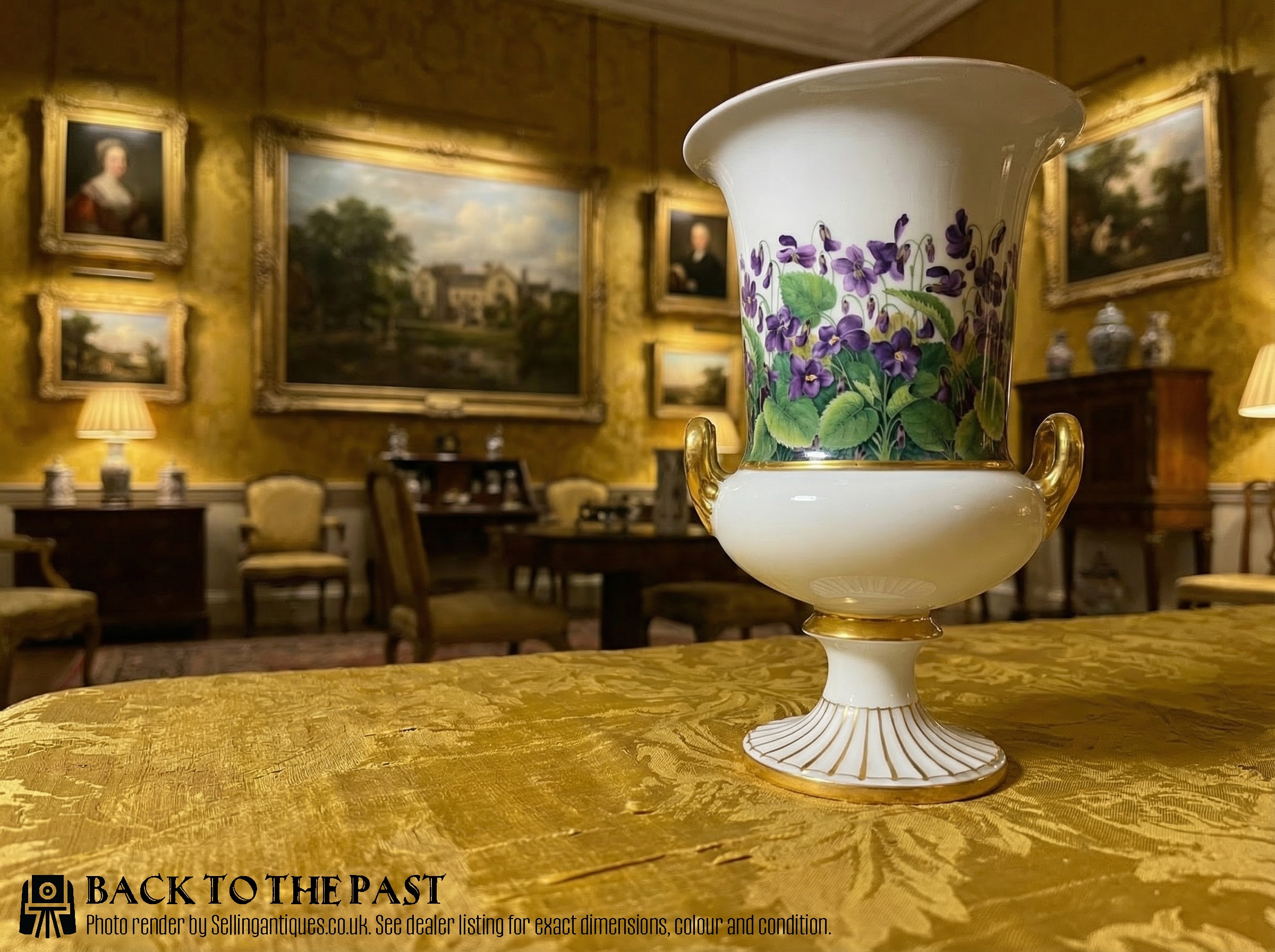
Floral Painted Ceramic Urn
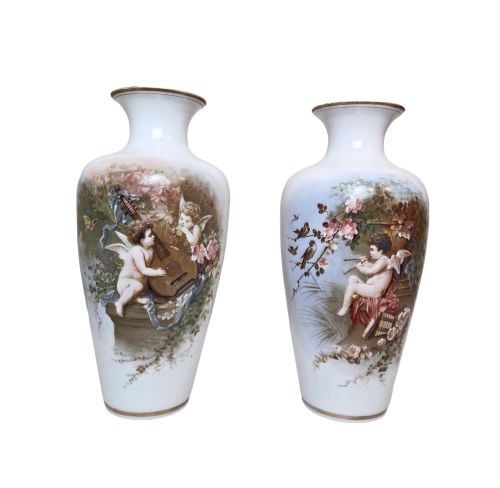
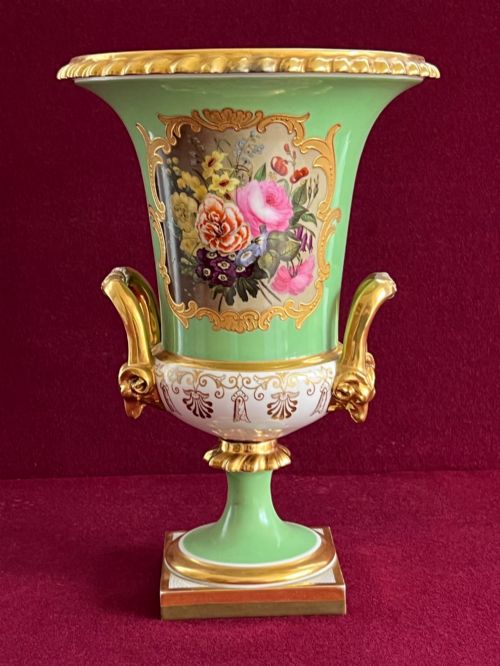
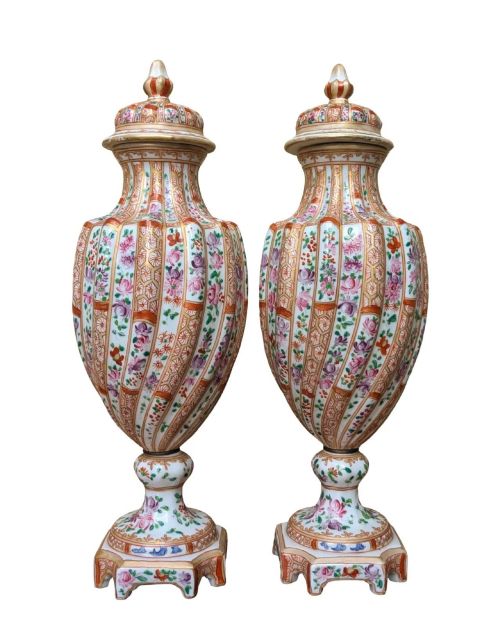
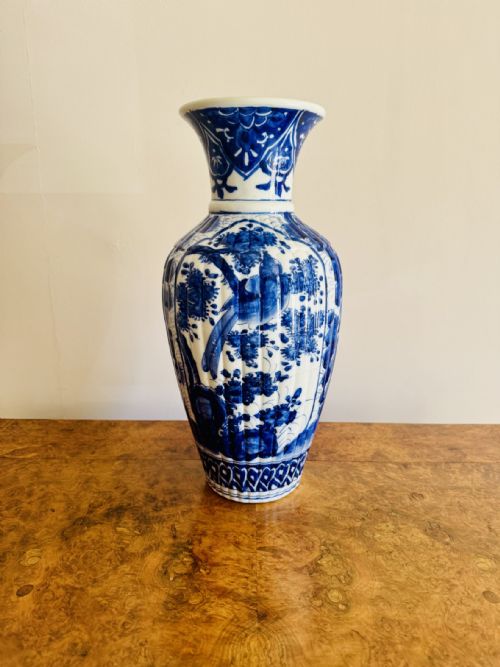
When you search for a floral painted ceramic urn, you encounter vessels produced across British, European, and Asian workshops, spanning periods from the eighteenth century to the Edwardian era. The selection centres on decorative vases, lidded jars, and campagna urns bearing botanical hand-painted designs.
English factories such as Royal Worcester and Coalport supply many of the nineteenth-century examples, frequently featuring blush ivory grounds and naturalistic floral sprays. Continental porcelain and earthenware from Meissen, Limoges, and Sitzendorf appear alongside Japanese Imari and Satsuma wares from the Meiji period.
Forms range from intimate table lamps and pot-pourri pots to large garnitures and centrepieces. The common thread is the combination of ceramic bodies with painted floral decoration, executed in styles from Rococo Revival to Art Nouveau and Aesthetic Movement.
How they were made
Potters shaped these bodies from porcelain, earthenware, creamware, and faience, throwing them on wheels or casting them in moulds to achieve bulbous, baluster, or campagna profiles. Artisans then applied glazes, enamels, and slip before firing the pieces in kilns to fix the colours.
Floral decoration was applied by hand, using mineral pigments that required multiple firings to develop rich polychrome tones. Guilders frequently added gold leaf, gilt, or gilding to rims, handles, and borders to accentuate the contours of the ceramic body.
Listings feature ceramics from eighteenth-century Qianlong China to twentieth-century English potteries, spanning earthenware, faience, and fine porcelain bodies.
What varies in quality
The standard of a floral painted ceramic urn rests on the crispness of the modelling and the skill of the brushwork. Superior examples display precise, delicate botanical painting executed by named artists or skilled factory hands, whereas lesser pieces rely on transfer-printed outlines filled with flat colour.
Material quality and finishing also distinguish the range, from heavy earthenware with simple glazes to translucent porcelain enriched with raised gilding and hand-tooled gilt bronze mounts. Complete sets, matching pairs, and intact covers elevate the desirability of a vessel.
Flight Barr and Barr·Royal Worcester·Doulton Lambeth·Royal Vienna·Samson of Paris·Coalport·Meissen
The Floral Painted Ceramic Urn Glossary
- Campagna urn
- A bell-shaped vessel with a footed base and flared rim, modelled on classical garden urns. This form was widely adopted by nineteenth-century porcelain manufacturers for decorative display.
- Blush ivory
- A soft, creamy porcelain body introduced by Royal Worcester, designed to mimic ivory and provide a subtle background for painted floral sprays. It gained popularity during the late Victorian and Edwardian periods.
- Faience
- Earthenware decorated with opaque coloured glazes, often tin-glazed, allowing for painterly floral motifs. Doulton Lambeth produced notable examples in this technique.
- Garniture
- A set of three or more matching vases or urns designed to be displayed together on a mantelpiece or sideboard. They typically comprise a central taller vessel flanked by symmetrical companions.
- Imari
- A style of Japanese export porcelain characterised by underglaze blue and overglaze iron red, complemented by gold leaf. These pieces feature dense floral and geometric patterns.
Floral Painted Ceramic Urn: Frequently Asked Questions
What periods do these pieces cover?
The selection spans from the eighteenth century through the Victorian and Edwardian eras, extending into the early twentieth century. Pieces reflect prevailing design movements including Regency, Rococo Revival, and Art Nouveau.
European factories and Japanese export workshops both contributed to this timeline, resulting in diverse decorative styles across different decades.
How were these urns originally used?
Many served as decorative garnitures on mantelpieces, sideboards, or console tables in formal reception rooms. Lidded variants like pot-pourri pots held dried scented petals to freshen the air in domestic interiors.
Others functioned as tableware centrepieces or water sprinklers, while later conversions adapted some ceramic bodies into table lamps.
How do I care for antique painted ceramics?
Display these vessels away from direct sunlight to prevent the hand-painted enamels and gold gilding from fading over time. Dust them gently with a dry, soft brush rather than using wet cloths.
Avoid placing them near heat sources or in damp environments, which can stress the ceramic body and historical glaze.