


Floral Inlay Display Cabinet
A floral inlay display cabinet brings together timber, glass, and botanical marquetry to hold treasured possessions.
Floral Inlay Display Cabinet
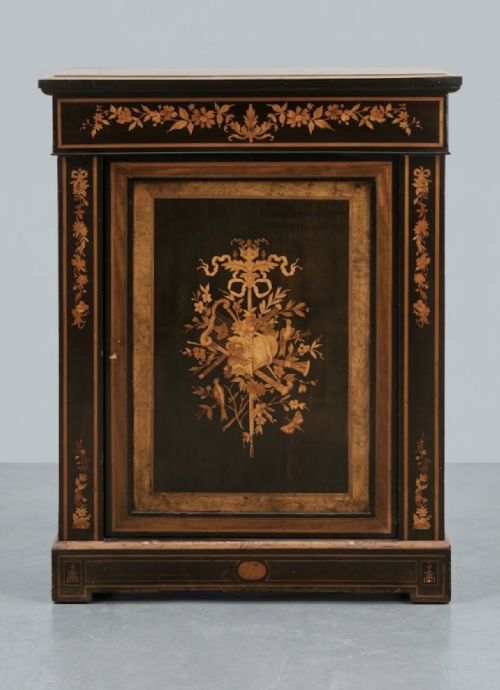
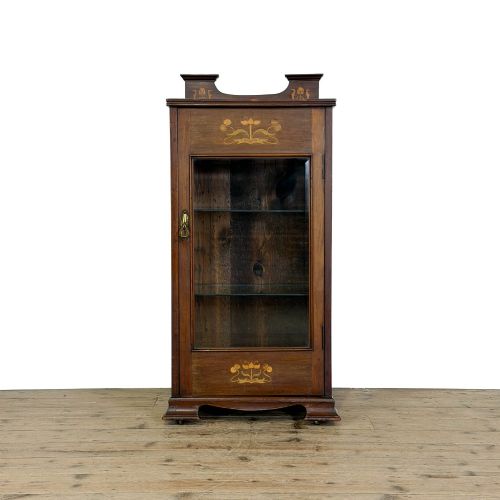
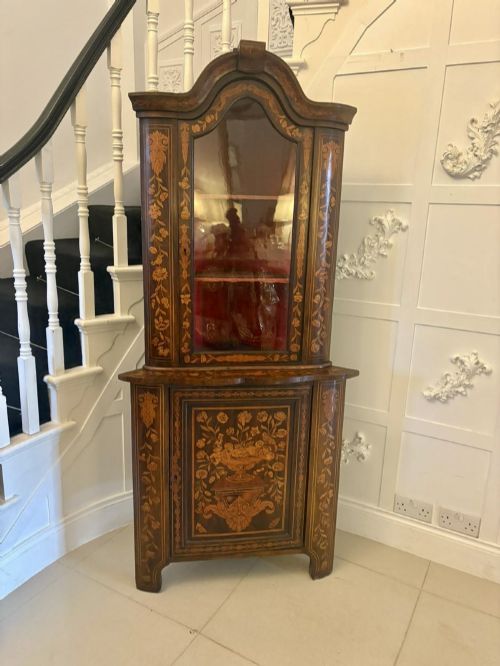
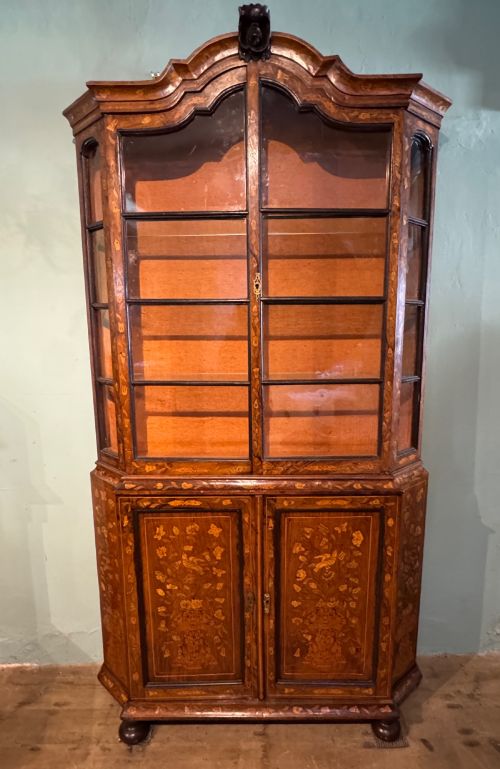
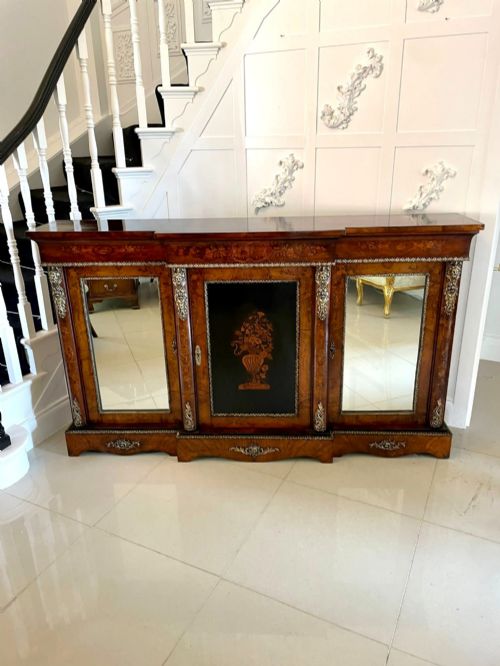
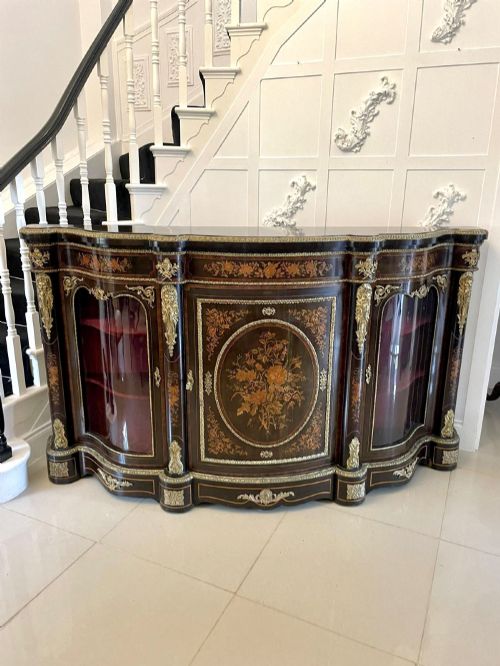
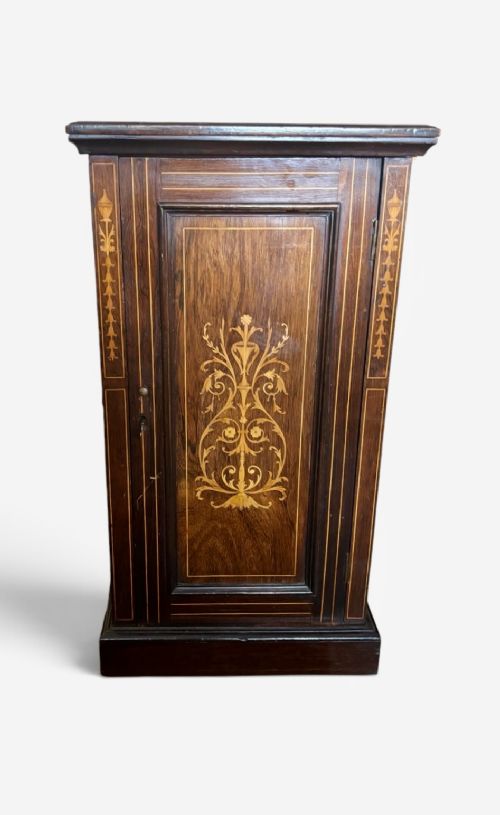
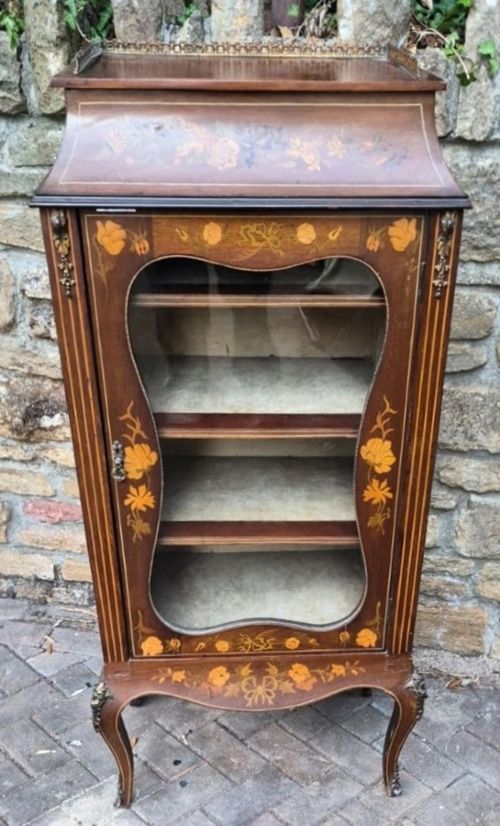
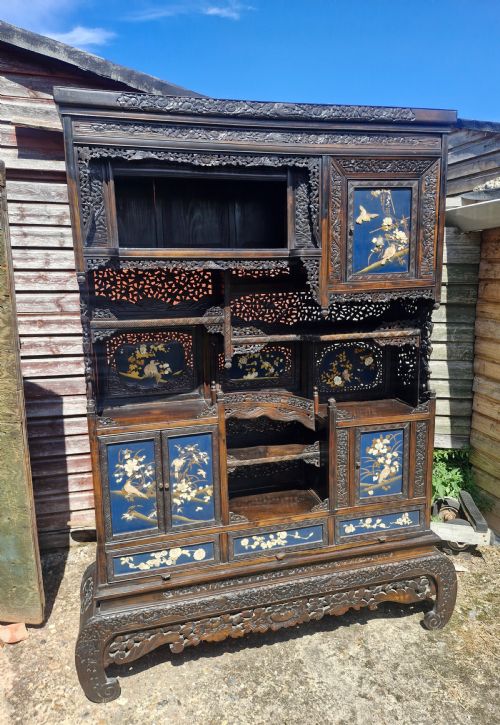
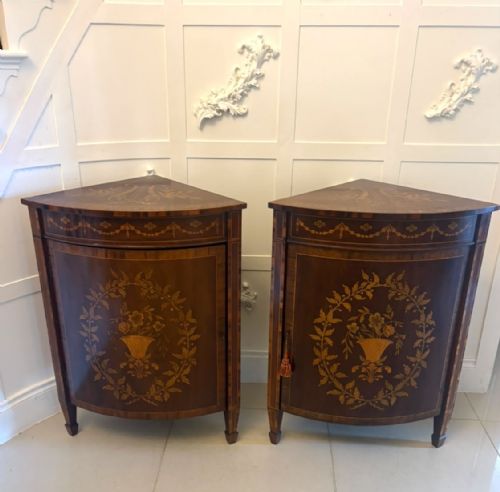
A floral inlay display cabinet is a piece of furniture designed to showcase objects behind glass while displaying botanical motifs in its wood. When you search for this phrase, you encounter forms ranging from upright pier cabinets and corner units to serpentine credenzas and bureau bookcases.
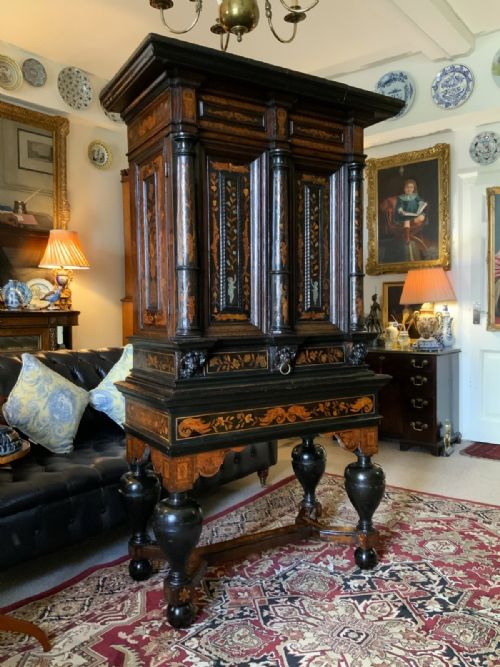
The pieces on this page span the eighteenth, nineteenth, and early twentieth centuries. Victorian and Edwardian examples sit alongside Dutch Baroque styles and Sheraton Revival designs.
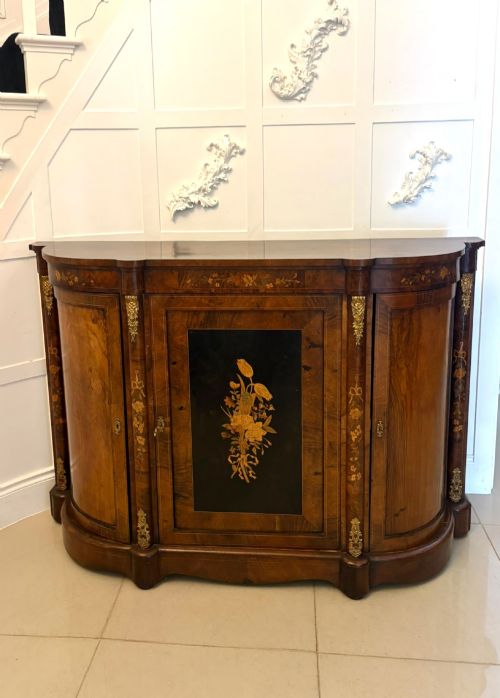
Walnut, mahogany, and satinwood provide the primary foundations for these cabinets. Walnut and burr walnut dominate the selection, often enriched by intricate marquetry panels depicting flowers.
Materials and technique
Cabinetmakers constructed the main bodies of these pieces using sturdy timbers like walnut, mahogany, and rosewood. Veneers of burr walnut, satinwood, and fruitwood formed the smooth surfaces required for detailed marquetry work.
Floral designs were created by cutting thin pieces of various woods and sometimes pewter, then fitting them into carefully routed recesses on the cabinet doors and panels. Ormolu mounts and brass hardware frequently accent the timber frames.
Glass panels were set into wooden doors to protect the contents while offering a clear view inside. Serpentine fronts and bombe shapes required specialist bending and shaping techniques from skilled makers.
Listings feature walnut, mahogany, and satinwood cabinets spanning the Victorian, Edwardian, and Dutch Baroque periods.
Assessing quality
Quality rests in the crispness of the marquetry cutting and the choice of timbers. Superior cabinets use highly figured burr walnut or rich satinwood with tight, seamless floral patterns that demonstrate immense patience from the artisan.
Construction methods distinguish finer examples from standard ones. The weight and clarity of the glass, the solidity of the internal shelving, and the integration of cast ormolu mounts dictate the overall calibre of the piece.
Edwards and Roberts
The Floral Inlay Display Cabinet Glossary
- Marquetry
- A decorative technique where thin slices of wood, shell, or metal are applied to a wooden structure to form pictorial patterns. Floral marquetry specifically builds botanical scenes like leaves and blossoms.
- Credenza
- A low cabinet, often featuring glass-fronted side doors and central shelving, originating in the Victorian period. These pieces frequently incorporate rich marquetry across their front panels.
- Pier cabinet
- An upright display cabinet designed to fit narrow wall spaces between windows. They typically stand on low feet and feature single glass doors to protect collections.
- Ormolu
- Gilded bronze used for decorative mounts and furniture hardware. It adds metallic contrast to the timber and floral marquetry.
- Bombe
- A swelling, outward-curved furniture shape characteristic of certain continental cabinets. This undulating form requires advanced woodworking skill.
Floral Inlay Display Cabinet: Frequently Asked Questions
What is a floral inlay display cabinet?
A floral inlay display cabinet is a glazed wooden furniture piece decorated with botanical marquetry scenes. These cabinets served to protect and exhibit porcelain, glassware, and small ornaments in formal rooms.
Today, they function similarly in modern homes, offering vertical display space while introducing rich timber textures and floral details to an interior.
How do I date a marquetry cabinet?
Dating relies on examining the underlying wood species, carcass construction, and overall furniture style. Victorian and Edwardian pieces show different timber preparations compared to eighteenth-century Dutch examples.
Looking at the backboards, interior fixings, and hinge types also helps determine the exact manufacturing era of the cabinet.
Where should I place a display cabinet?
These cabinets suit living rooms, dining spaces, or hallways where natural light illuminates the glass doors. Placing them away from direct sunlight protects the delicate wood veneers and marquetry from fading.
Ensure the floor is level, particularly with older serpentine or bombe shapes, so the doors align properly on their original hinges.
How do I care for inlaid wood?
Maintain inlaid furniture by dusting gently with a soft cloth and avoiding moisture or harsh chemical polishes. Keeping the room at a stable humidity prevents the fine veneer woods from shrinking or cracking.
Applying a traditional beeswax occasionally nourishes the timber and preserves the depth of the floral marquetry without harming the surface.