


Floral Inlaid Mirror
A floral inlaid mirror brings together fine cabinet timbers and intricate botanical decoration across wall and dressing forms.
Floral Inlaid Mirror
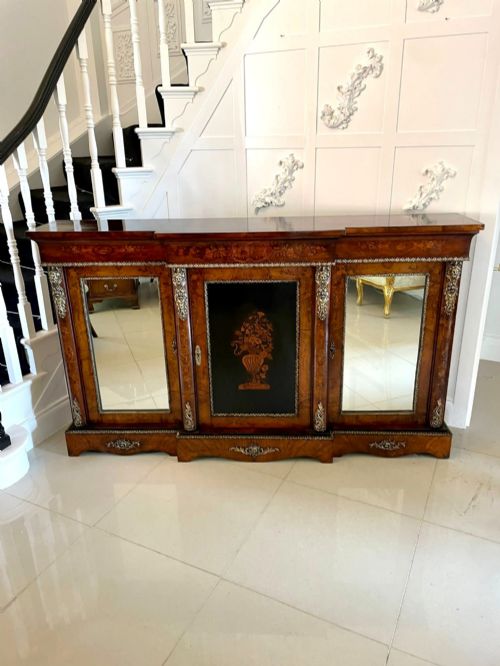
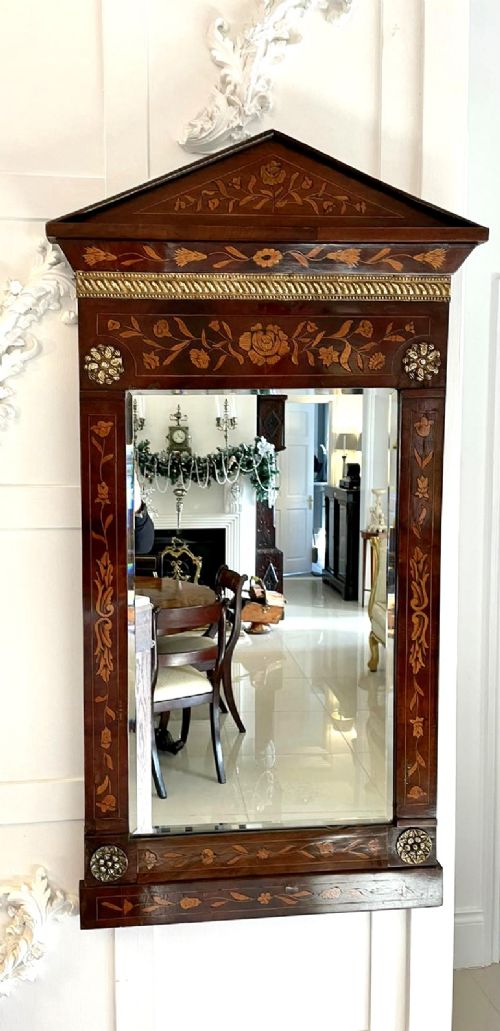
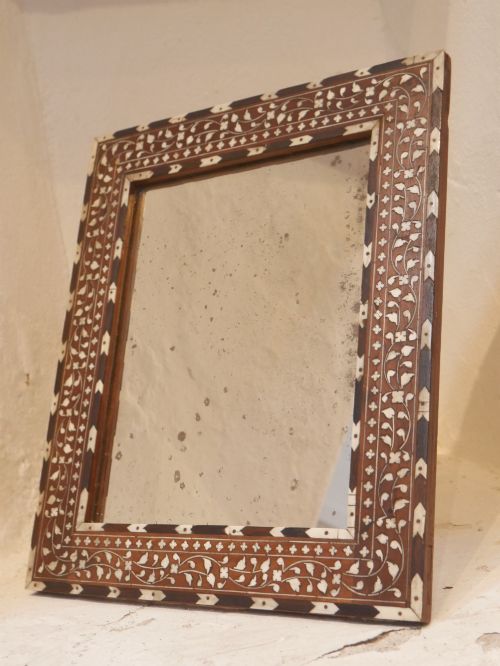
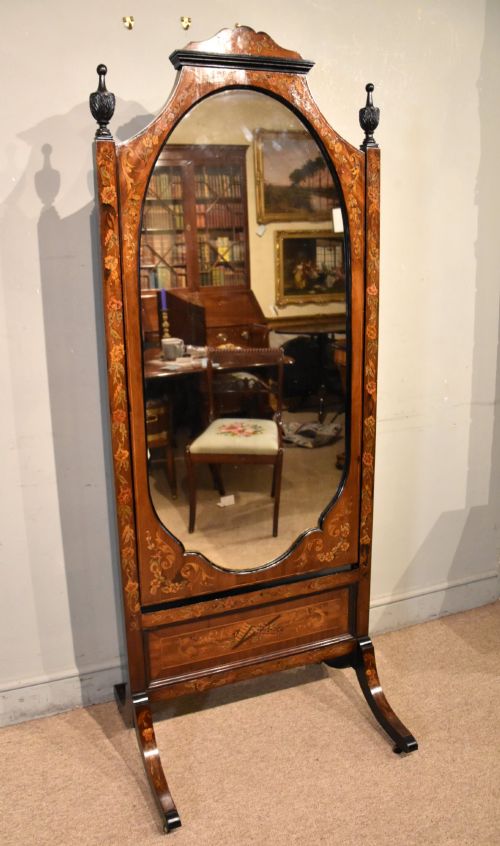
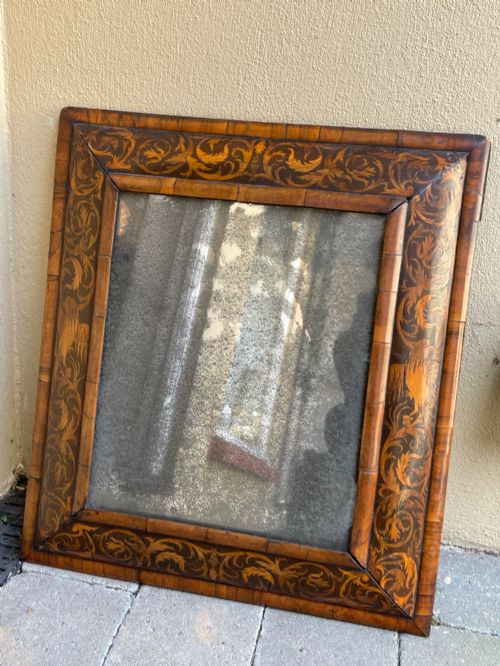
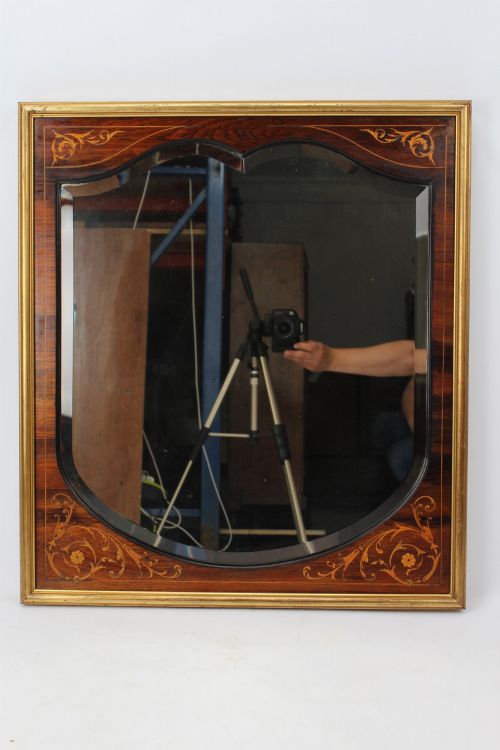
A floral inlaid mirror is a decorative looking glass featuring botanical marquetry or inlaid motifs set into timber frames. These pieces span wall-hanging formats, swing dressing mirrors, and cheval designs originating from periods such as the seventeenth, eighteenth, and nineteenth centuries.
The selections encountered here most frequently include Dutch marquetry dressing mirrors and mahogany wall frames. Buyers also find Victorian and earlier examples utilising boxwood, fruitwood, and walnut to render floral patterns around the glass plate.
What varies in quality
The standard of a floral inlaid mirror rests upon the precision of the marquetry work and the choice of primary timber. Finer examples display crisp, densely shaded floral motifs integrated seamlessly into figured mahogany or walnut veneers.
Construction methods and the preservation of the original glass plate and backingboards also distinguish superior pieces. Subtle variations in hand-cut botanical details separate standard production from master craftsmanship.
The Floral Inlaid Mirror Glossary
- Marquetry
- Decorative veneer work forming pictures and patterns by assembling small pieces of various woods. This technique allows for complex floral designs across the surface of the frame.
- Cheval mirror
- A freestanding full-length mirror suspended on a vertical frame with pivoting pivots. It permits the glass to tilt to various angles.
- Toilet mirror
- A smaller mirror designed to sit atop a dressing table or chest of drawers. These often feature drawers in the base plinth.
- Cushion mirror
- A frame profile featuring a rounded, bulging convex shape resembling a stuffed cushion. It provides a distinct three-dimensional border around the glass.
- Veneer
- A thin slice of figured timber applied to a secondary wood foundation. This method displays expensive grain patterns efficiently.
Floral Inlaid Mirror: Frequently Asked Questions
How do I clean the frame?
Dust the timber gently with a dry, soft cloth to prevent accumulation in the inlaid recesses.
Avoid liquid cleaners or polishes that might degrade old wax finishes and loosen fragile veneer work.
Are the mirror plates original?
Many older pieces retain their original silvered glass, which often exhibits characteristic foxing, light oxidation, and subtle distortions.
Replacement plates do occur in pieces from earlier centuries due to the fragile nature of antique glass over long periods of use.
Where should I hang a wall mirror?
Select an interior wall away from direct sunlight and damp conditions to protect the delicate wood veneers and historic timber carcases.
Ensure proper wall fixings are used to support the weight of hardwood frames safely.
How do I date a marquetry mirror?
Examine the secondary woods, construction joints, and the style of the floral inlay to determine the likely period of manufacture.
Comparing the border profiles and mirror plate bevels with documented examples from the same era provides further chronological guidance.