


Floral Glazed Earthenware Jug
These floral glazed earthenware jug pieces combine practical utility with vibrant hand-painted botanicals, making them sought-after centrepieces for any room.
Floral Glazed Earthenware Jug
A floral glazed earthenware jug offers a glimpse into historic domestic utility and ornamental ceramic design. When searching for a floral glazed earthenware jug, buyers encounter pieces spanning from the eighteenth century through to the early twentieth century.
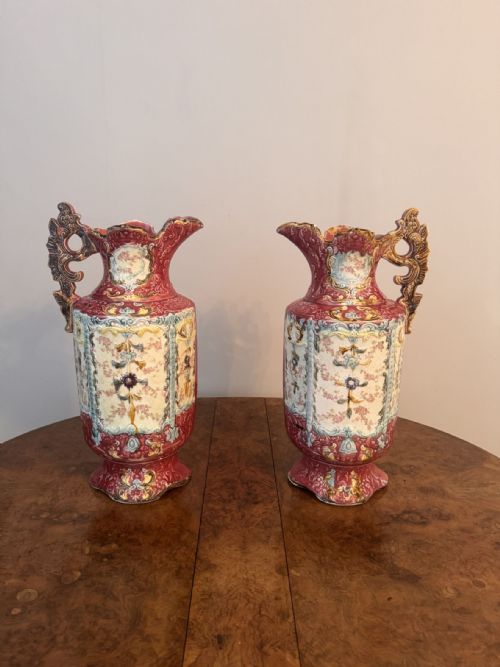
Makers and potteries utilised traditional earthenware bodies, applying tin glazes, enamel, and polychrome decoration to create lasting botanical designs. Collectors find both single display items and paired ewers that reflect regional European and English ceramic traditions.
Materials and Construction
Potters formed these pieces using porous earthenware clay, which was subsequently shaped on a wheel or pressed into moulds to create pitchers, ewers, and wash basins. The structural body provides a sturdy base for the decorative surface treatments applied by hand.
Surface decoration relies heavily on tin glazes, enamel, and specialised ceramic glazes to achieve the characteristic white or tinted backgrounds. Artisans painted botanical motifs, flowers, and patterns directly onto the unfired or tin-glazed surface before high-temperature kiln firing set the colours.
Some nineteenth-century makers applied whimsical mask spouts to their earthenware jugs, giving functional pitchers surprisingly theatrical faces.
Assessing Quality and Execution
The standard of painting on the botanical decoration dictates much of the visual appeal. Crisp brushwork, balanced polychrome or blue and white palettes, and clear enamel applications separate ordinary production pieces from finer studio and factory outputs.
The integrity of the glaze and the preservation of the earthenware body also define the upper tier of examples. Smooth, even glazing without excessive bubbling or pooling preserves the underlying floral patterns and structural crispness of the moulded forms.
Doulon Burslem·Sir Edmund Elton
The Floral Glazed Earthenware Jug Glossary
- Earthenware
- A porous ceramic body fired at relatively low temperatures, requiring a glaze to become impermeable to liquids. It forms the structural base for the majority of these pitchers and wash sets.
- Tin Glaze
- An opaque white glaze containing tin oxide, providing a smooth canvas for painted decoration in traditions like Delftware and faience. It allows for vibrant enamel colours to adhere during the firing process.
- Polychrome
- Decoration utilising multiple distinct colours, commonly seen in hand-painted floral patterns across nineteenth-century earthenware. This technique adds depth and visual variety to the ceramic surface.
- Ewer
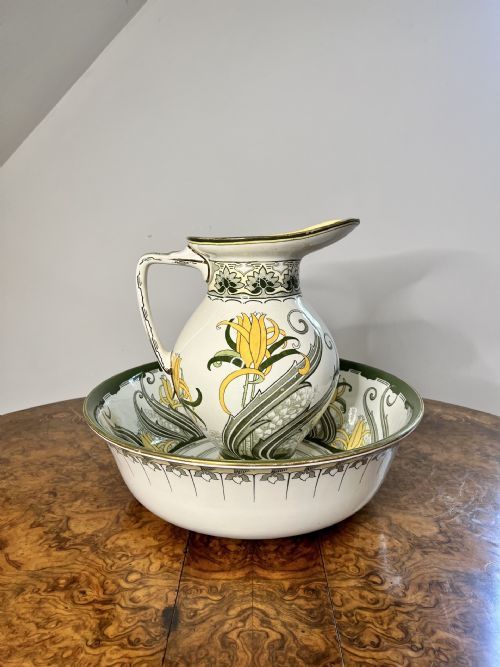
- A large pitcher with a wide spout and elaborate handle, traditionally used for holding water alongside a wash basin. Many surviving examples date from the Victorian period.
- Delftware
- Tin-glazed earthenware originating in the Netherlands and England, frequently decorated with blue and white floral motifs. It represents a significant portion of earlier ceramic production.
Floral Glazed Earthenware Jug: Frequently Asked Questions
What periods do these jugs date from?
The available selection spans several centuries, with pieces originating from the eighteenth, nineteenth, and early twentieth centuries. Victorian and eighteenth-century examples are particularly prominent.
Specific dates range from eighteenth-century English and continental tin-glazed items through to Victorian wash sets and studio pottery from the eighteen-nineties.
How were wash jugs used originally?
These vessels served a practical purpose in bedrooms before modern indoor plumbing became widespread, holding water for washing alongside a matching basin.
Today, they function primarily as decorative display pieces, floral vases, or centrepieces that showcase historic ceramic artistry.
What is Gaudy Welsh pottery?
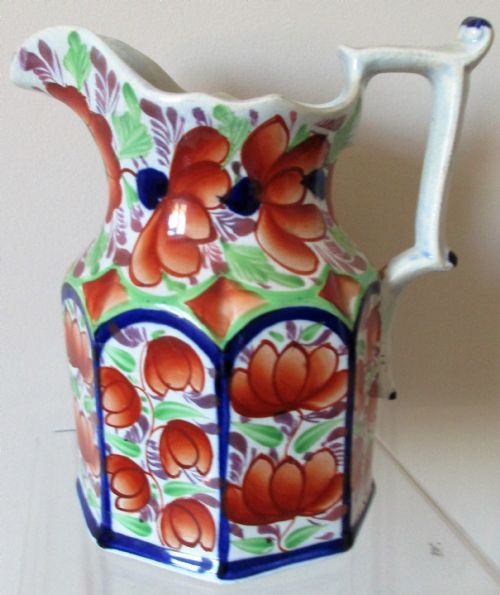
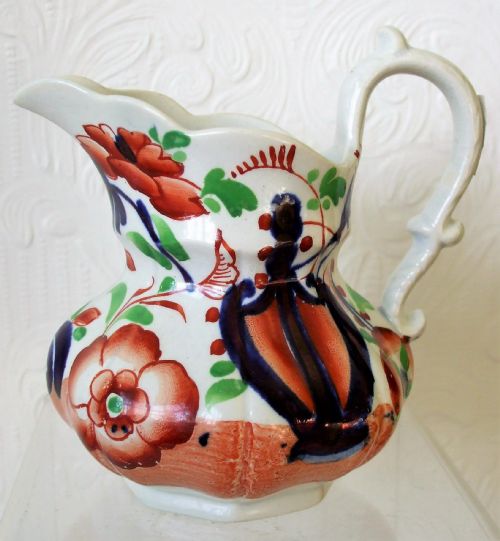
Gaudy Welsh refers to a style of colourful pottery produced in the nineteenth century, characterised by bright enamel colours including cobalt blue, iron red, and copper lustre.
Pieces bearing patterns like Gwent and Pagoda often feature bold floral designs applied to earthenware bodies.
How do I identify tin-glazed earthenware?
Tin-glazed pieces feature an opaque, milky-white glaze that covers the porous earthenware body entirely, providing a smooth background for painted motifs.
This technique is commonly found on antique Delftware and European faience jugs, often distinguished by blue and white or polychrome floral decoration.