




Floral Enamel Vase
A floral enamel vase brings vibrant botanicals and lustrous metallic or vitreous surfaces together into a striking decorative focal point.
Floral Enamel Vase
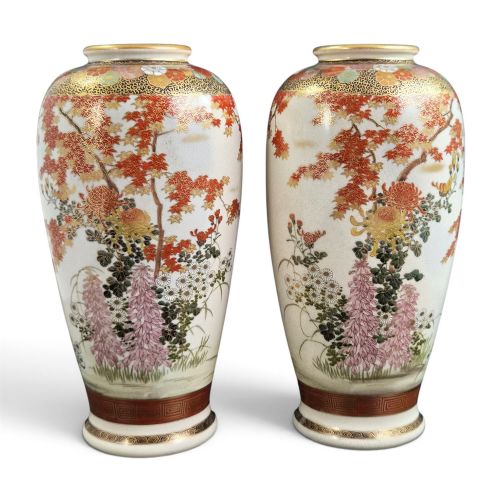
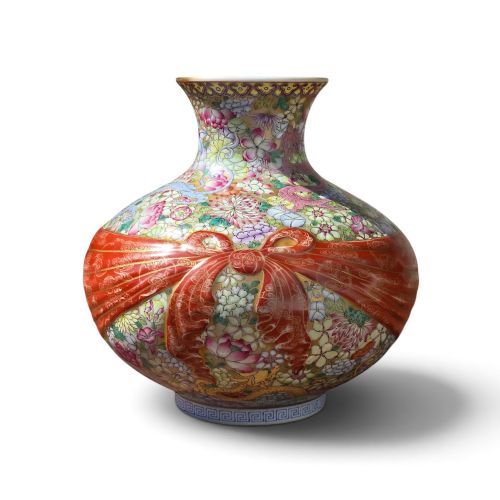
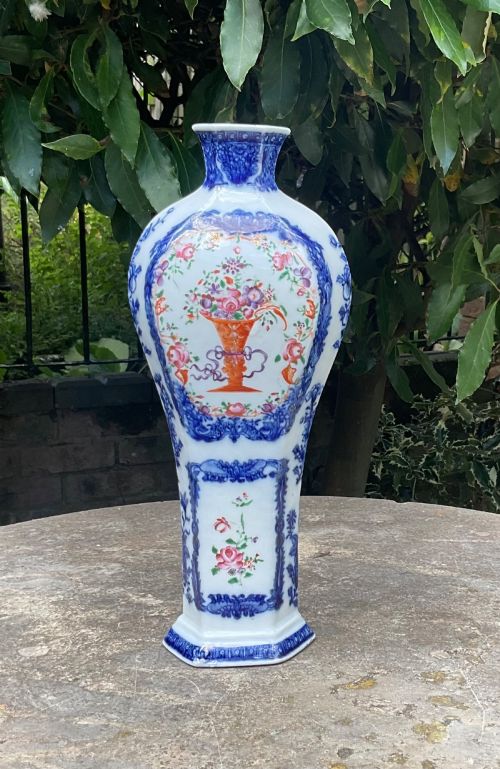
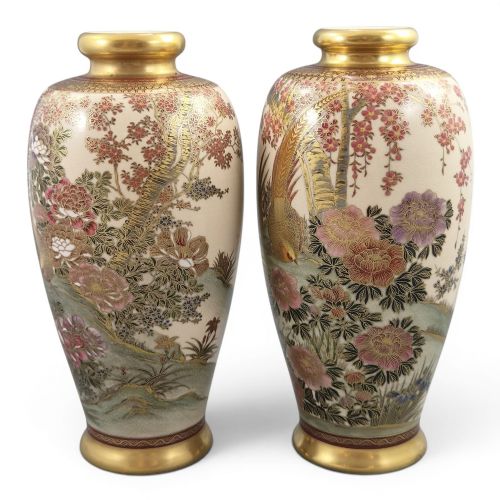
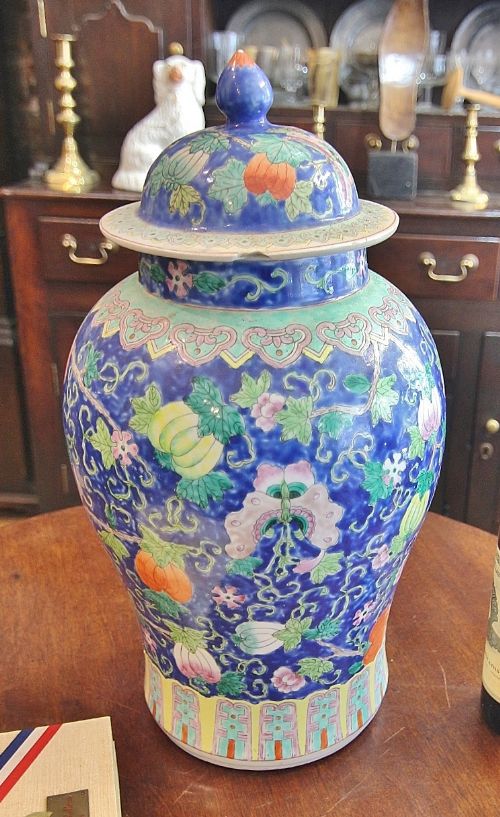
A floral enamel vase combines metalwork, pottery, or glass with vitreous enamel decoration depicting natural plant motifs. When searching for a floral enamel vase, collectors typically encounter pieces ranging from Victorian opaline glass to Japanese Meiji period cloisonné and Chinese Qing dynasty wares.
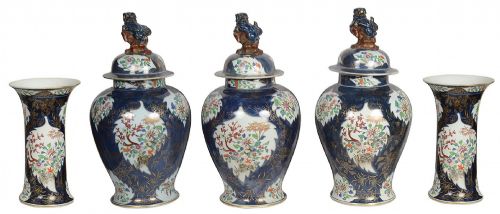
The form spans straightforward bulb vases and baluster shapes to ginger jars and garniture sets. Pieces originating from Japanese workshops and Chinese dynasties appear frequently alongside European glass and earthenware productions from the nineteenth and early twentieth centuries.
How they were made
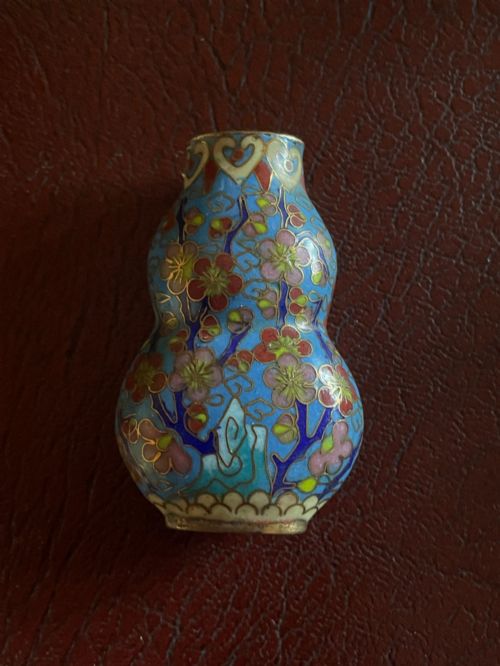
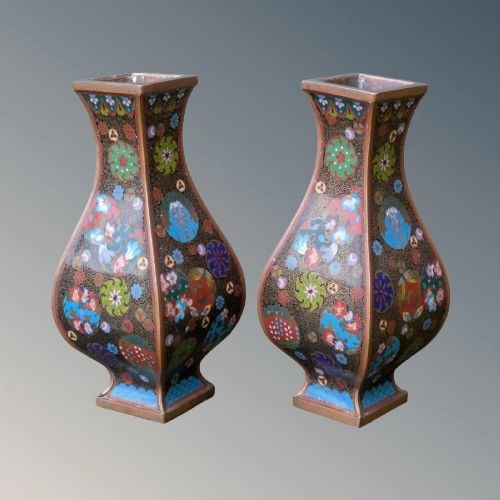
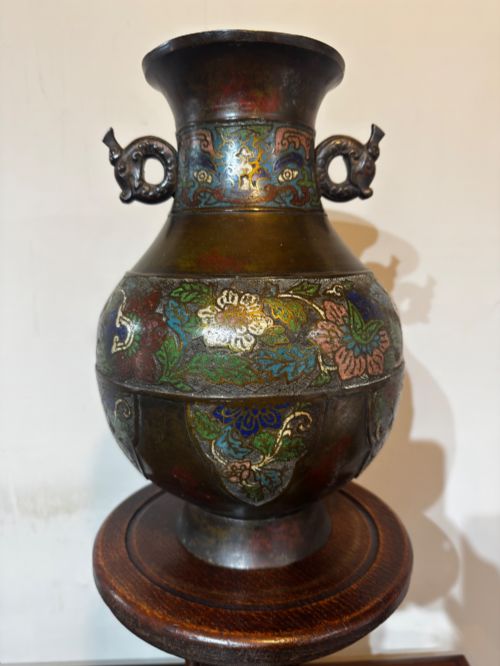
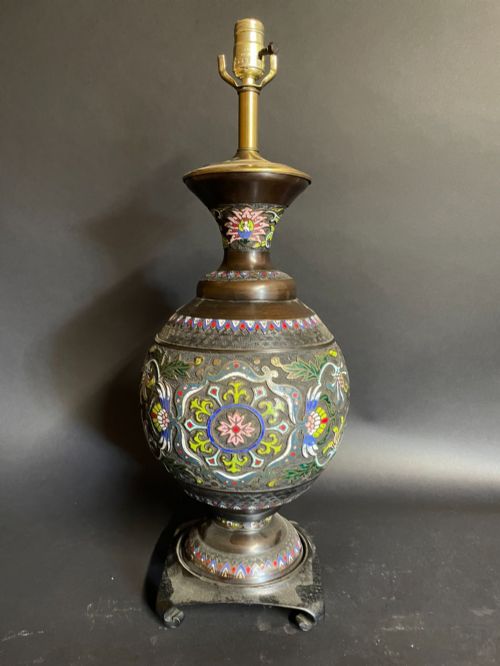
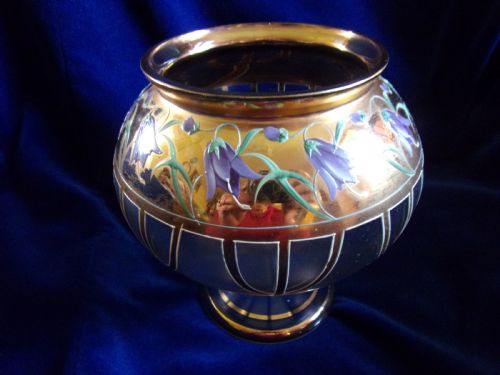
Metal vessels utilise cloisonné and champlevé techniques where thin wire cells or recessed troughs hold coloured enamel pastes before firing. Glass and ceramic bodies rely on hand-painted enamel pigments fused to the surface through kiln firing, sometimes complemented by gilding or gold leaf.
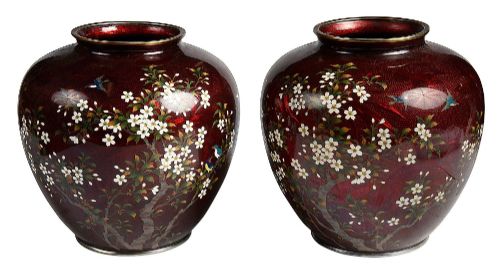
Japanese makers applied silver wire networks to create intricate botanical details on copper bases, while European glasshouses employed cameo carving and polychromatic enamel applications. Stoneware and earthenware bodies incorporated raised enamel pastes directly onto glazed surfaces.
Meiji period Japanese cloisonné and Chinese Qing dynasty wares represent a significant portion of the available metal and enamel forms.
What varies in quality
Quality rests upon the precision of the enamel work and the crispness of the underlying metal, glass, or ceramic form. Finer examples display meticulous wirework, evenly distributed enamel without pitting or shrinkage, and balanced botanical compositions.
Signatures from established makers or recognised workshops elevate a piece through proven technical mastery. The clarity of the glaze and the harmony between the metallic framework and the floral design distinguish superior specimens.
Ando Jubei·Maruni Kobe·Manpei·Tamura Yukio·Moser·Daum·George Tye·Samson·Royal Doulton·Harrach·Carlton Ware·Worcester Grainger Lee And Company
The Floral Enamel Vase Glossary
- Cloisonné
- A metalwork technique where fine wires are soldered to a metal base to create compartments filled with enamel paste. These wired cells are then fired and polished smooth.
- Basse-Taille
- A translucent enamel technique where the metal ground is engraved or hammered in low relief so that light passes through the coloured enamel. This creates rich depth and varied shading across the design.
- Champlevé
- An enamelling method where troughs or cells are carved directly into the metal surface to hold the vitreous paste. The remaining metal walls separate the different coloured areas.
- Opaline glass
- A dense, slightly translucent glass popular during the nineteenth century, often tinted in pastel shades and painted with enamel flowers. It provides a smooth backdrop for botanical decoration.
- Garniture
- A set of matching vases or jars designed to be displayed together on a mantelpiece or sideboard. These sets typically feature a central urn flanked by smaller matching vessels.
Floral Enamel Vase: Frequently Asked Questions
How do I clean an antique enamel vase?
Dust the surface gently with a soft, dry cloth to protect delicate enamels and gilding. Avoid using liquid cleaners, abrasives, or soaking the piece in water.
Items with metal bases or glass bodies react poorly to chemical solvents. If a deeper clean is necessary, consult a professional conservator to prevent damage to the vitreous surface.
Can I use these vases for fresh flowers?
Most antique enamel vases serve primarily as decorative objects rather than functional water containers. Moisture can seep into older metal seams or porous ceramic bodies, causing internal corrosion.
Displaying dried botanicals or leaving the vessels empty preserves the interior and prevents water damage to fragile enamel work.
What does ginbari enamel mean?
Ginbari refers to a foil-backed translucent enamel technique, frequently seen on Japanese Meiji period vases. A textured metallic foil is applied to the base before the coloured enamel layer goes on.
This method creates a distinctive pebbled or patterned background that shimmers beneath the transparent surface enamel when viewed in the light.