

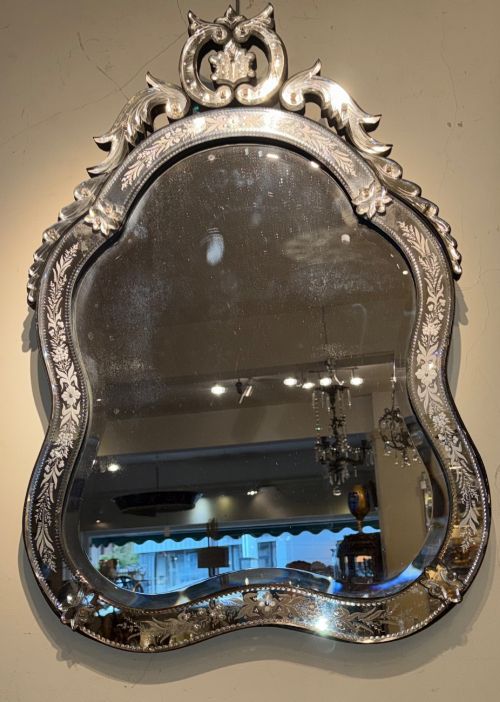
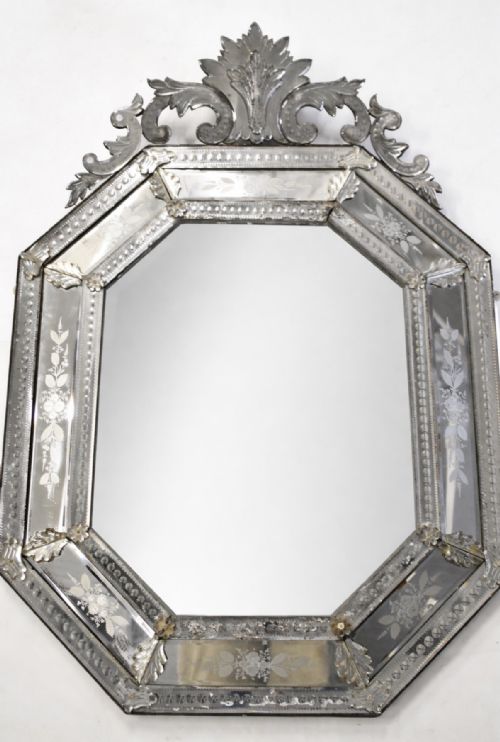


Floral Cresting Wall Mirror
A floral cresting wall mirror brings light and botanical ornament into a room, spanning periods from the eighteenth century to the mid-twentieth century.
Floral Cresting Wall Mirror
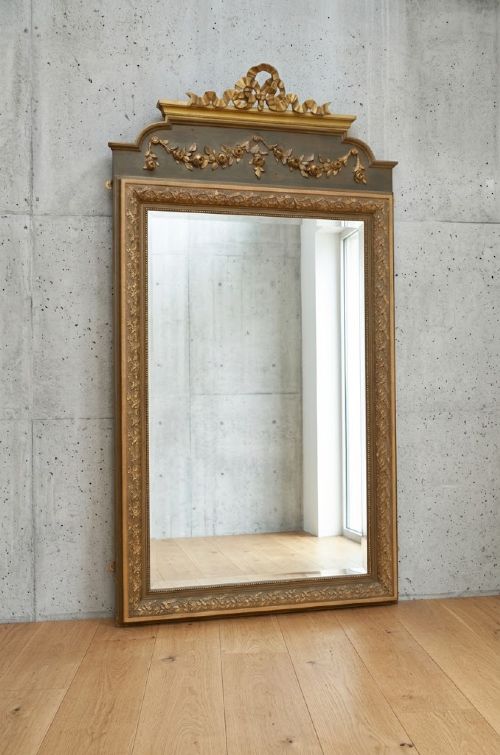
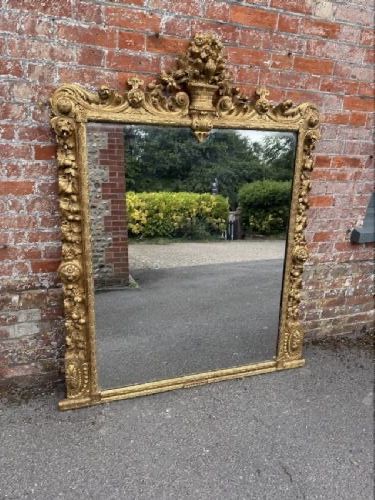
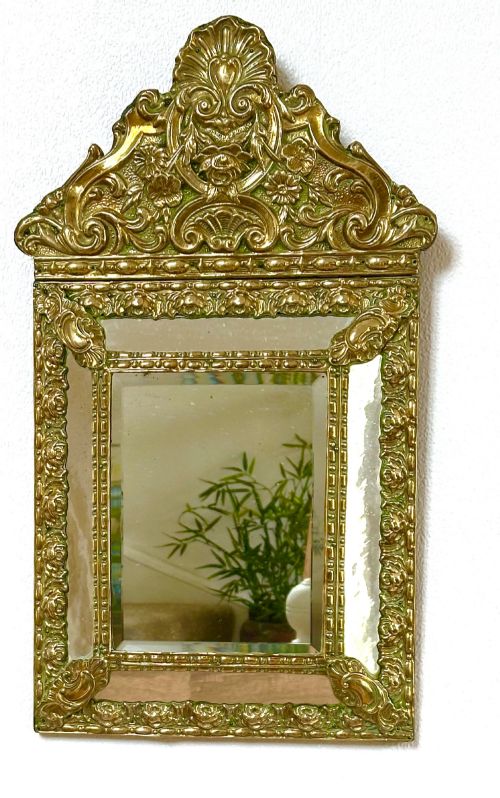
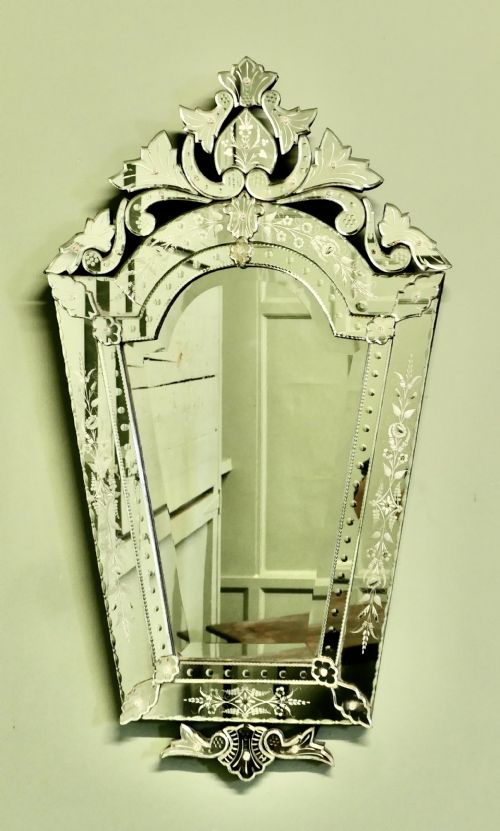
A floral cresting wall mirror combines functional glass with decorative carved wood or gesso framing, frequently topped with botanical motifs or foliate panels. These pieces emerge across varied historical periods, including the eighteenth century, the Victorian era, and the mid-twentieth century. Buyers seeking this specific form will encounter Venetian designs, French Rococo revival pieces, and English overmantels.
The Venetian and French chateau styles dominate the selection, often featuring cushion plates, ribbon crests, or marginal glass sections. Walnut and giltwood serve as common primary materials, sometimes combined with painted finishes or silvered surfaces. Overmantel mirrors and larger wall pieces provide substantial focal points for principal rooms.
Materials and construction methods
Wood serves as the foundational structure for these frames, utilising carved timber such as walnut alongside applied gesso to build up intricate botanical and foliate relief. Artisans then gilded these surfaces with gold leaf or applied paint and silvering to achieve the desired metallic or polychrome finish. Mirrored glass plates, sometimes bevelled or foxed with age, sit securely within these constructed wooden rabbets.
Carving defines the quality of the cresting, where craftsmen shaped natural motifs directly into the wood or moulded them in gesso. Marquetry appears on specific Dutch examples, incorporating different wood veneers to form detailed patterns alongside the carved elements. Frame construction methods reflect the prevailing cabinetmaking standards of their respective centuries, from Georgian joinery to twentieth-century assemblage.
Periods represented across the selection range from eighteenth-century pieces through Victorian revivals up to mid-century Venetian designs.
Factors of distinction
Depth and precision in the carved botanical details separate standard production from superior examples. Crisp execution of leaves, ribbons, and floral crests demonstrates the hand of a skilled carver rather than mass-produced moulding. The preservation of original gilding, paint, and silvered surfaces maintains the integrity of the piece.
The character of the glass plate contributes significantly to the overall presence of the mirror. Original marginal plates and hand-bevelled glass retain an authentic optical quality that machine-made replacements lack. The harmony between the decorative cresting and the main mirror plate dictates the success of the composition.
The Floral Cresting Wall Mirror Glossary
- Cresting
- The decorative ornamentation mounted at the very top of a mirror frame. This element frequently incorporates carved flowers, scrolls, or ribbons.
- Gesso
- A plaster-like mixture applied to wood frames and carved or moulded into relief details before gilding. It provides a smooth base for gold leaf and paint.
- Overmantel mirror
- A large horizontal mirror designed specifically to hang above a fireplace mantel. These pieces often feature extensive carved decoration to anchor the wall space.
- Foxed plate
- Mirrored glass showing spots of oxidation and age beneath the surface. Collectors value this characteristic for confirming the genuine age of the glass.
- Pier mirror
- A tall, narrow mirror designed to hang on the wall space between windows. They often coordinate with matching console tables.
Floral Cresting Wall Mirror: Frequently Asked Questions
Where should I hang an overmantel mirror?
Position the mirror directly above the mantelpiece to reflect light and anchor the room's main hearth. Ensure the scale matches the width of the fireplace surround for visual balance.
Secure the piece to wall studs using appropriate heavy-duty fixings, as carved giltwood and gesso frames carry substantial weight.
How do I identify Venetian mirrors?
Venetian mirrors typically feature engraved glass sections, marginal plates held by decorative glass floral pins, and intricate glass crests. Their frames rely heavily on mirrored elements rather than exposed timber.
Look for cushion-moulded glass panels that angle outward toward the edges of the frame, capturing light from multiple directions.
How should I clean antique mirror glass?
Use a soft, dry microfibre cloth to gently remove dust from the glass surface and the carved wooden frame. Avoid spraying liquids directly onto the mirror, as moisture can seep behind the plate and damage the silvering.
Apply mild, non-ammonia cleaner sparingly to the cloth rather than the glass if stubborn marks require removal, taking care near exposed gesso.