
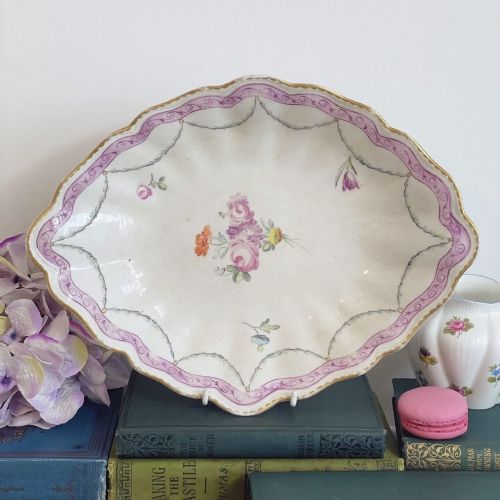
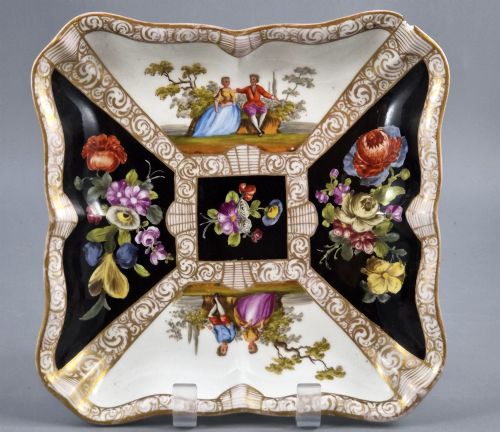
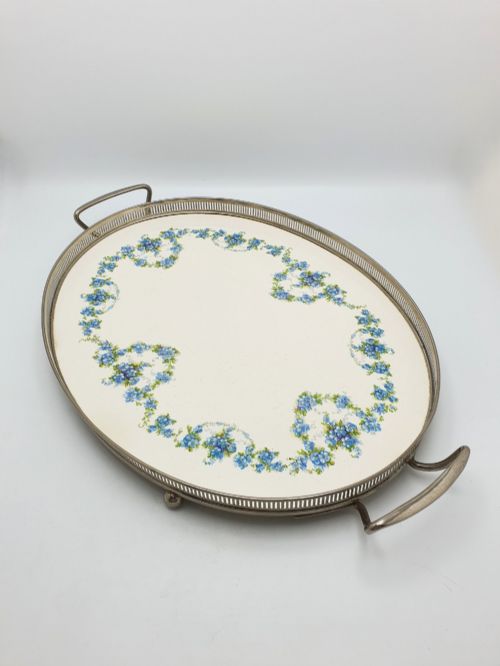
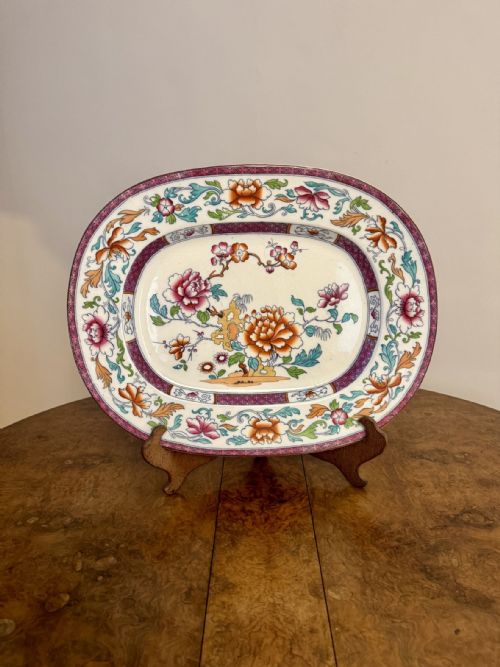


Floral Ceramic Tray
A floral ceramic tray brings painted blooms and botanical motifs directly to the table, uniting practical serving use with fine decorative artistry.
Floral Ceramic Tray
A floral ceramic tray serves as a functional vessel or decorative dish, frequently appearing across periods such as the Georgian, Victorian, and Edwardian eras. Buyers searching for a floral ceramic tray encounter various forms including serving platters, cabinet dishes, and breakfast sets.
Originating from English potteries like Royal Doulton, Minton, and Wedgwood, alongside continental and Chinese export kilns, these pieces span earthenware, porcelain, and ironstone. The category encompasses everything from blue and white transfer-printed meat plates to handpainted polychrome presentation pieces.
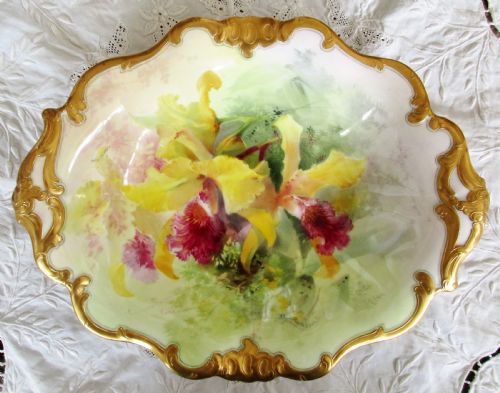
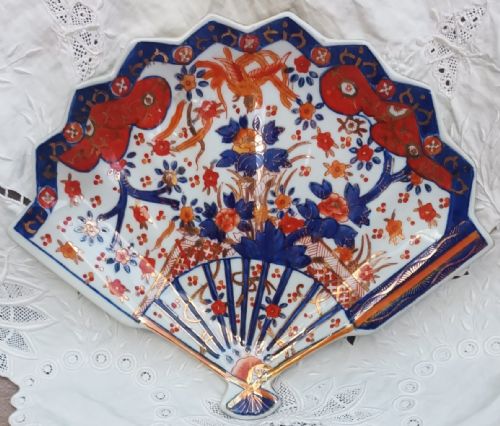
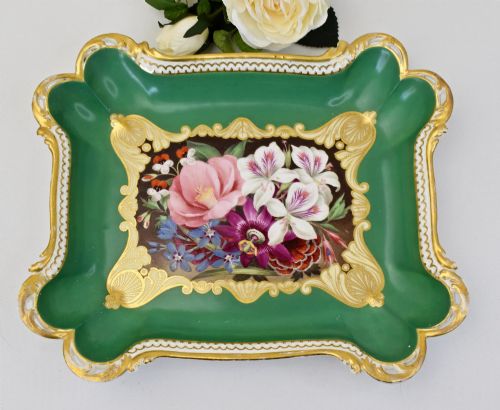
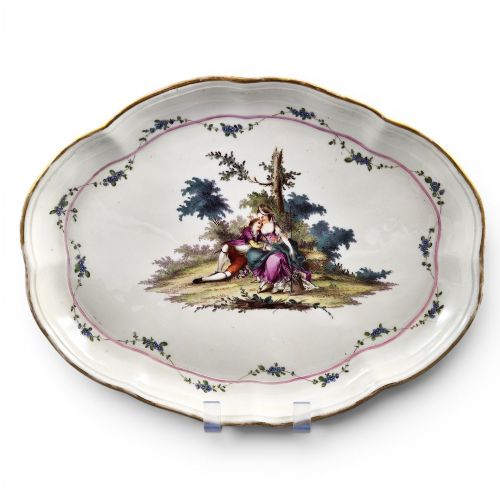
Most examples found on this page display botanical sprays, garden bouquets, or individual floral motifs accented by gilt edges and colour glazes. These items function equally well for formal display or traditional serving roles.
Materials and Craftsmanship
Potters shaped these trays using ceramic, porcelain, earthenware, or ironstone bodies, often refining the paste before firing at high temperatures. Many items received an initial glaze followed by handpainted or transfer-printed decoration depicting botanical subjects.
Listings feature porcelain, earthenware, and ironstone pieces spanning the Georgian, Victorian, and Edwardian periods.
Distinctions in Quality
Quality rests upon the precision of the handpainting, the crispness of transfer printing, and the complexity of the ceramic body moulding. Superior pieces display finely detailed botanical rendering, such as named orchid studies or intricate polychrome brushwork executed by known artists.
The refinement of the porcelain or ironstone body, combined with the preservation of surface gilding and enamel colour, separates standard production wares from high-status cabinet dishes and specialised serving trays.
Derby·Meissen·Royal Doulton·Worcester·Minton·Carlton Ware·Royal Worcester·Wedgwood·Spode·Mason
The Floral Ceramic Tray Glossary
- Cabinet Dish
- A decorative ceramic plate intended primarily for display in a cabinet rather than for serving food at the table. These pieces often feature elaborate painted scenes or botanical studies.
- Polychrome
- Decoration employing multiple distinct colours, typically applied by hand over or under the glaze. This technique allows for vibrant floral depictions on porcelain and earthenware.
- Transfer Printing
- A mechanical method of applying complex designs to pottery by transferring ink from an engraved copper plate onto tissue paper and then onto the ceramic surface. Blue and white patterns frequently utilise this process.
- Gilding
- The application of gold leaf or powdered gold to ceramic surfaces, usually along rims and handles. It provides a reflective metallic border that enhances the painted decoration.
- Ironstone
- A heavy, durable type of earthenware patented in the nineteenth century to imitate porcelain. It serves as a robust base for serving platters and large trays.
Floral Ceramic Tray: Frequently Asked Questions
How were floral ceramic trays used?
These pieces functioned variously as meat serving platters, breakfast set components, and decorative cabinet dishes for display in formal rooms. Many accommodated daily dining needs while others served strictly ornamental purposes in domestic interiors.
Larger serving dishes held food at the table, whereas smaller trays and plates remained stationary on sideboards or within glazed cabinets to showcase their painted botanical designs.
How do I identify Victorian pieces?
Victorian examples often combine robust ironstone or porcelain bodies with transfer-printed blue and white patterns or rich autumnal floral sprays. Stylistic clues include heavy moulding, Rococo Revival scrolls, and Aesthetic Movement influences.
Backstamps, registration marks, and factory ciphers frequently provide definitive chronological evidence for items produced during the nineteenth century.
Can I use these trays for serving?
Many sturdy earthenware and ironstone platters remain entirely suitable for modern serving use during meals. Careful handwashing helps protect historic glazes and delicate surface gilding from unnecessary wear.
Finely painted porcelain cabinet dishes and antique pieces with extensive gold leaf are better reserved for display rather than active dining service.
What is the difference between earthenware and porcelain?
Porcelain is fired at much higher temperatures, resulting in a vitrified, translucent white body that rings when struck. Earthenware is more porous and opaque, requiring an opaque or transparent glaze to seal the clay body.
Serving platters often utilised durable earthenware or ironstone for strength, while decorative cabinet trays frequently favored fine porcelain.