


Floral Ceramic Jardiniere
A floral ceramic jardiniere brings botanical display indoors, offering a structured vessel for potted plants shaped by the tastes of the nineteenth and twentieth centuries.
Floral Ceramic Jardiniere
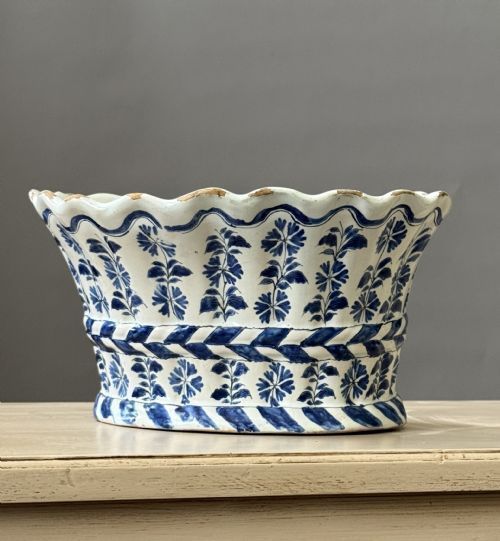
When you search for a floral ceramic jardiniere, you encounter plant holders designed to sit upon tabletops, floors, or matching pedestals. The selections span from early eighteenth-century delftware bough pots to late nineteenth-century majolica and early twentieth-century art pottery.
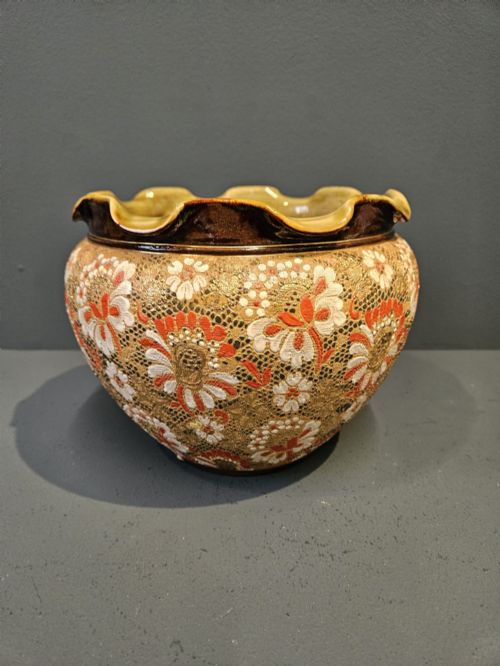
The most common examples on this page date from the Victorian, Edwardian, and art nouveau periods, produced by major British potteries like Royal Doulton, Burmantofts, and Royal Worcester alongside Chinese and Japanese imports.
These vessels take various forms, including hexagonal planters with drip trays, three-handled pots, and large floor-standing jardinieres paired with columns. Each piece was built to contain live plants while serving as an ornamental focal point within a room.
How They Were Made
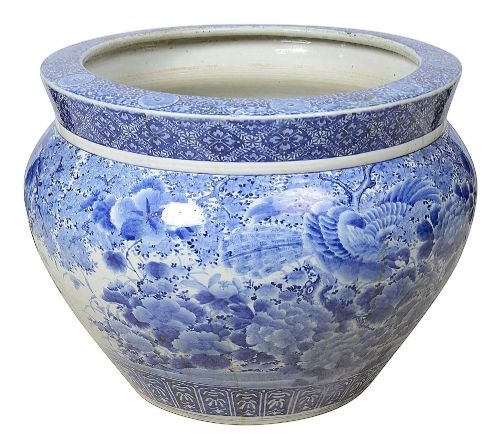
Potters shaped these pieces using earthenware, stoneware, and porcelain, applying glazes that ranged from glossy majolica and slip decoration to blush ivory finishes and blue and white pigments.
Surface ornamentation relied on hand-painted enamel, moulded botanical reliefs, and transfer-printed motifs depicting peonies, birds, and floral sprays. Certain pieces incorporate gold leaf highlights or specialised reactive glazes typical of the secessionist movement.
Makers represented include prominent British potteries alongside Japanese Imari and Chinese Qing style pieces.
What Varies in Quality
The distinction between standard production wares and exceptional studio or factory pieces lies in the crispness of the moulded relief and the depth of the glaze application. Finer examples display meticulous hand-painted details and well-balanced proportions that integrate the body with its decorative scheme.
Makers known for experimental glazes and artistic collaborations, such as Burmantofts or Minton, achieve a textural richness that elevates simple floral motifs into sophisticated decorative art.
Doulton Lambeth·Burmantofts Art Pottery·Royal Doulton·Royal Worcester·Doulton Burslem·Minton·George Jones·Royal Crown Derby·Samson
The Floral Ceramic Jardiniere Glossary
- Jardiniere
- A large ornamental pot or planter designed to hold a plant or flower arrangement, usually ceramic or porcelain. They often sit on matching pedestals or directly on the floor.
- Majolica
- A type of earthenware coated with an opaque tin glaze and painted with brightly coloured metallic oxides. It became exceptionally popular during the Victorian era for bold, modelled plant pots.
- Bough pot
- An early vessel, often in delftware, specifically shaped to hold cut branches or flower stems before dedicated plant pots became common.
- Blush ivory
- A matte cream-coloured porcelain body developed by Royal Worcester, typically decorated with soft floral tints and gilt outlining.
- Secessionist
- An early twentieth-century style influenced by continental design reform, characterised by flowing organic lines, stylised plant motifs, and vibrant fluid glazes.
Floral Ceramic Jardiniere: Frequently Asked Questions
What is a floral ceramic jardiniere used for?
These vessels were originally manufactured to house potted plants and ferns indoors, protecting furniture from water while adding decoration to a room.
Today, they function in the same manner or stand empty as decorative focal points on tables, sideboards, and floors.
How do I identify a Victorian jardiniere?
Victorian examples frequently display heavy majolica glazes, moulded floral reliefs, or rich blue and white patterns influenced by historic styles.
They often bear factory marks, registration numbers, or impressed stamps on the base that confirm their nineteenth-century origin.
What is the difference between a jardiniere and a planter?
The terms are often used interchangeably, though a jardiniere traditionally refers to an ornamental outer pot designed to hold a separate growing pot.
A planter may hold soil directly, though many antique jardinieres were also paired with matching drip trays to catch drainage.
How should I display a jardiniere at home?
Large floor-standing jardinieres look best placed in corners, hallways, or near windows where their height and pedestal bases can be fully appreciated.
Smaller tabletop versions suit side tables and mantelpieces, either filled with foliage or left empty to showcase the ceramic body.