
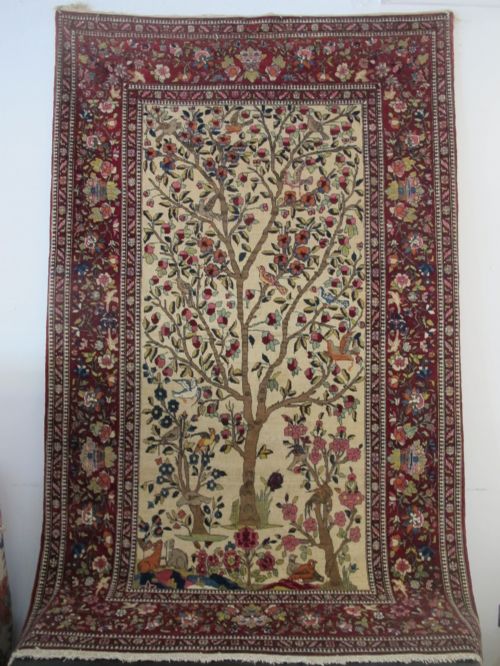


Floral Border Wool Rug
A floral border wool rug brings centuries of woven artistry into a room, offering durability and warmth through traditional designs.
Floral Border Wool Rug
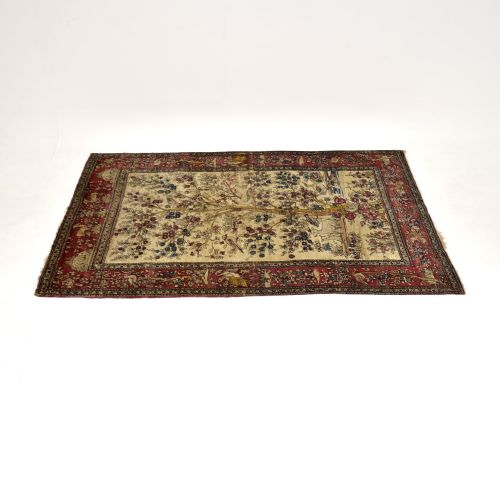
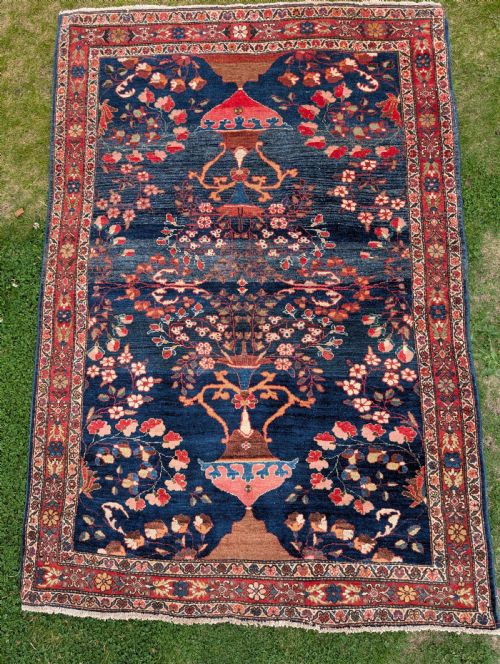
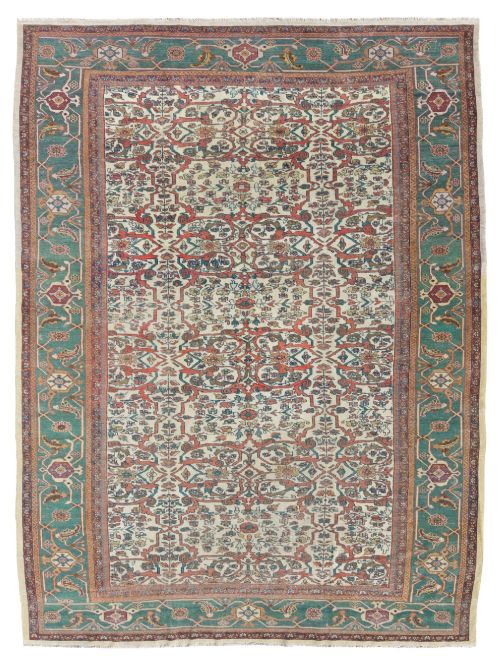
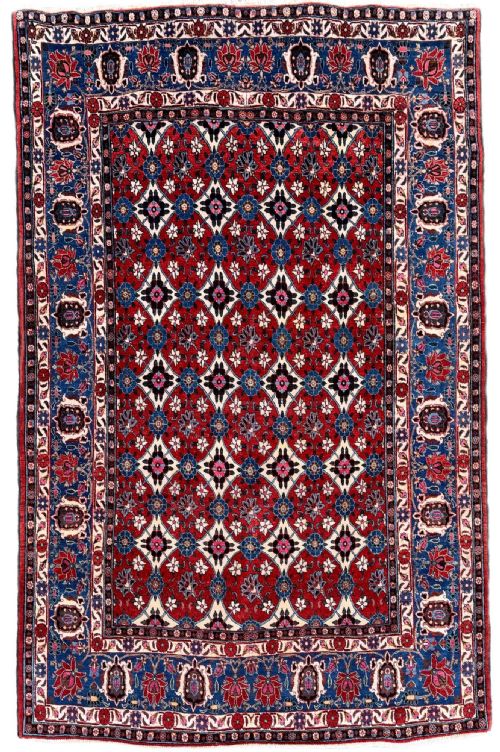
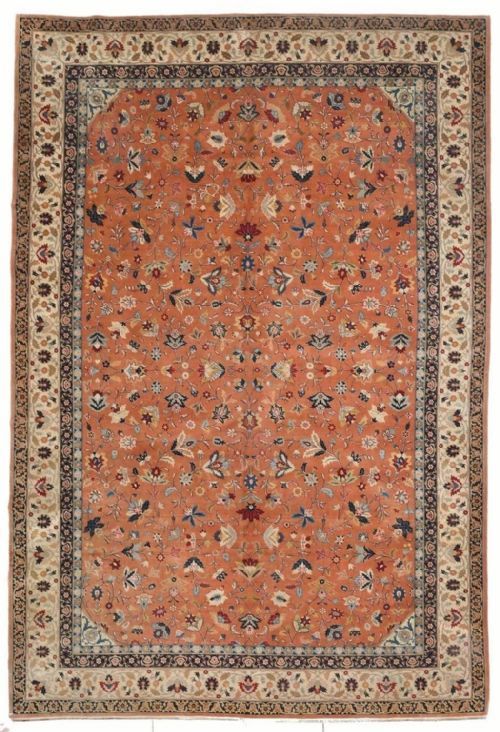
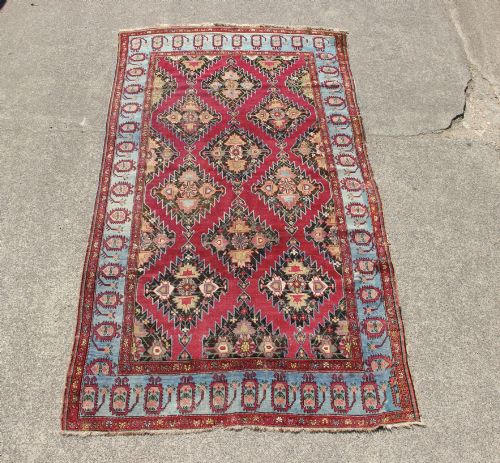
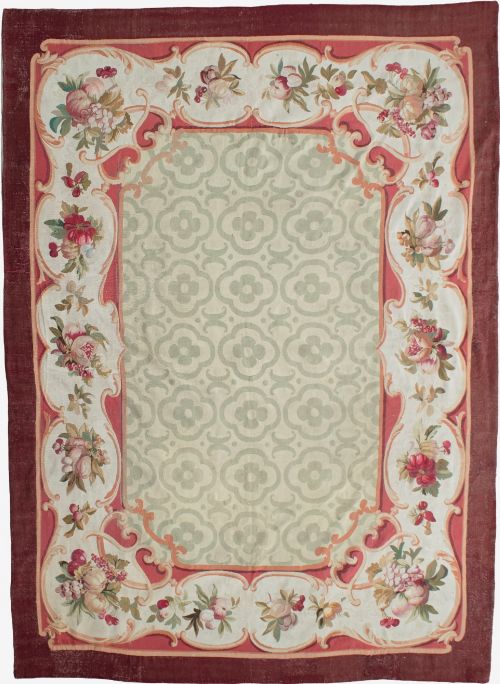
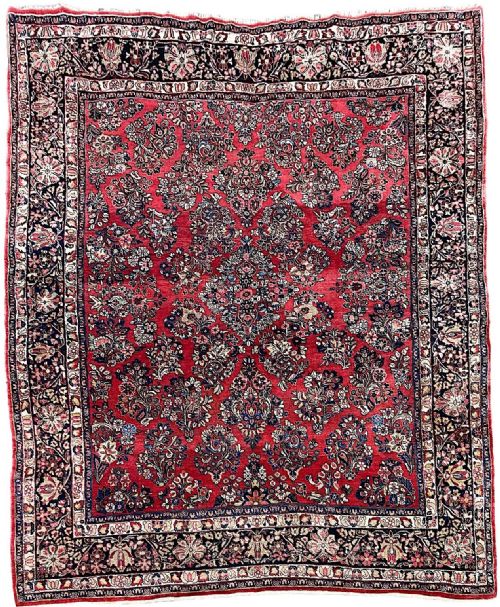
A floral border wool rug groups together hand-knotted and woven carpets originating from various historical centres of production. When searching for a floral border wool rug, buyers encounter pieces spanning from the mid-nineteenth century through the early twentieth century.
The selections include regional Persian weaving styles such as Tabriz, Sultanabad, Kashan, and Heriz alongside French Aubusson, Bessarabian kilims, and Chinese Art Deco carpets. These items serve as functional floor coverings, area rugs, and large carpets defined by botanical motifs framing the central field.
How They Were Made
The construction of these floor coverings relies primarily on wool, cotton, and silk, with wool serving as the dominant material for the pile. Weavers knotted these fibres onto supportive foundations of cotton or wool using traditional hand-weaving techniques.
Makers utilised natural materials to achieve lasting structure, occasionally incorporating leather elements in specific formats. The density of the knotting and the quality of the wool dictate the physical weight and drape of each piece.
The listings span periods from the eighteenth century up to the 1930s, featuring wool, cotton, silk, and leather.
What Varies in Quality
The refinement of a woven piece depends heavily on the precision of the knot density and the crispness of the botanical details in the border. Finer examples display meticulous control over the dyework and symmetry across the field and frame.
Materials dictate longevity, with high-grade wool yielding a resilient pile that maintains its integrity under foot traffic. The artistic execution of the design separates standard regional production from master-weaver output.
Ahmadi·Ziegler
The Floral Border Wool Rug Glossary
- Pile
- The upright yarn loops or cut ends that form the usable surface of a rug. This layer absorbs daily wear and shows the woven design.
- Kilim
- A flat-woven carpet or rug produced without a pile. These pieces are constructed using a tapestry technique.
- Saddle Cover
- A smaller animal covering utilised for equestrian transport. These items share the weaving techniques of larger carpets.
- Warp
- The stationary vertical threads stretched on a loom before weaving begins. The pile knots are tied around these foundational strands.
- Weft
- The horizontal threads passed through the warp strands to lock the knots in place. This grid provides structural stability to the textile.
Floral Border Wool Rug: Frequently Asked Questions
How do I care for a wool rug?
Vacuum the piece regularly without using a rotating brush bar to protect the wool fibres and pile. Professional cleaning maintains the integrity of the natural materials over time.
Keep the rug away from direct, prolonged sunlight to prevent fading of the dyed motifs. Rotate the floor covering periodically to ensure even wear patterns across the surface.
Where were these rugs made?
The pieces originate from diverse weaving regions including Persia, Turkey, China, and Eastern Europe. Each area developed distinct regional styles and colour palettes.
Production centres such as Tabriz, Kashan, and Sultanabad became renowned for specific knotting techniques and botanical design traditions.
What is a prayer rug?
A prayer rug is a smaller format textile featuring a mihrab design or niche motif indicating the direction of prayer. These pieces were traditionally used for individual daily worship.
The layout typically directs the eye toward a central point, distinguishing them from standard room-sized carpets.
How do I identify the age of a rug?
Age is determined by evaluating the types of dyes used, the construction materials, and the specific regional design characteristics. Structural wear and the condition of the foundation threads also offer clues to the period of manufacture.
Comparing the weave structure against known historical examples helps narrow down the production decade or century.