

Flint Glass Wine Glasses
These flint glass wine glasses span the eighteenth century into the Victorian era, offering collectors heavy lead metal and delicate air twists.
Flint Glass Wine Glasses
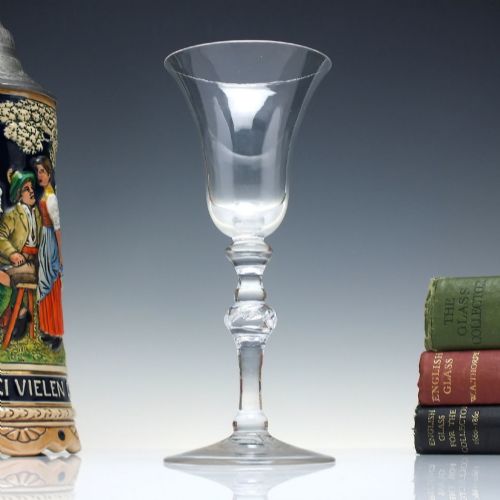
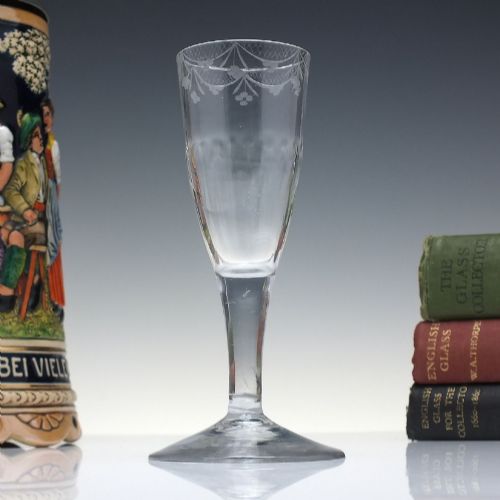
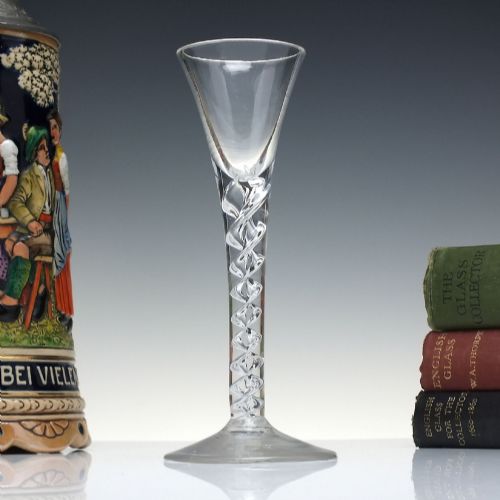
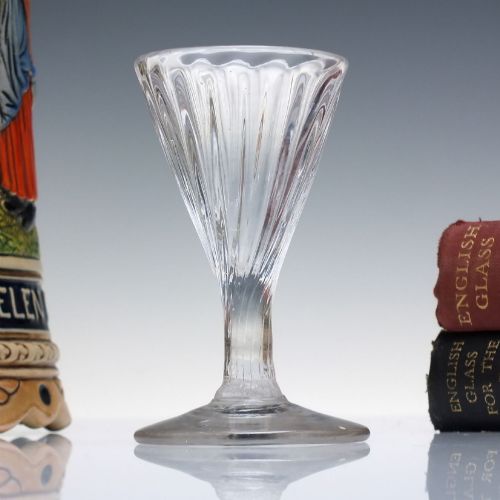
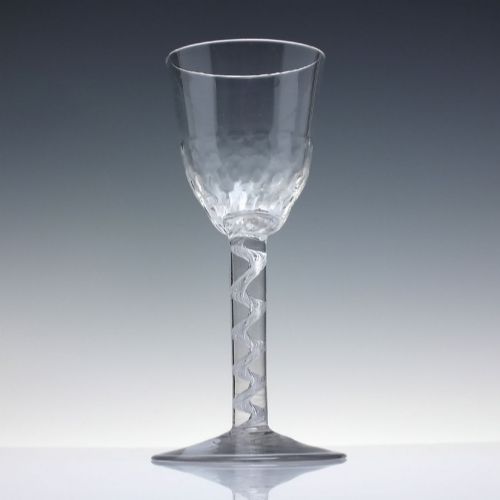
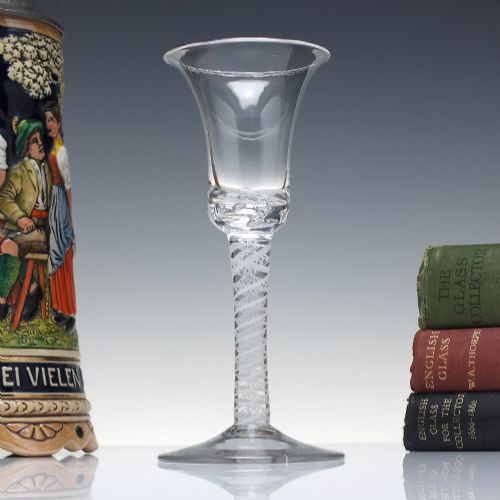
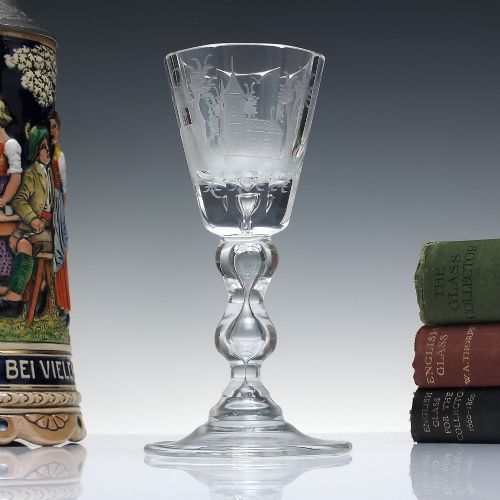
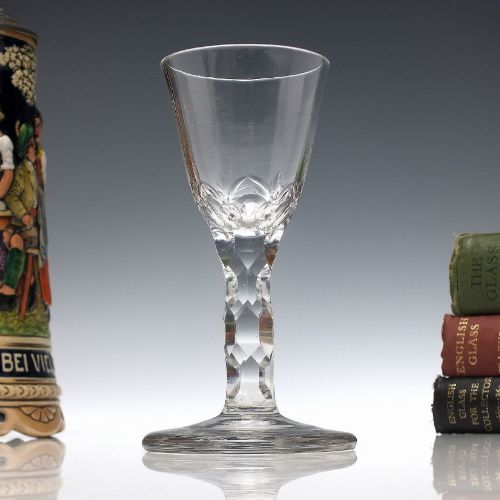
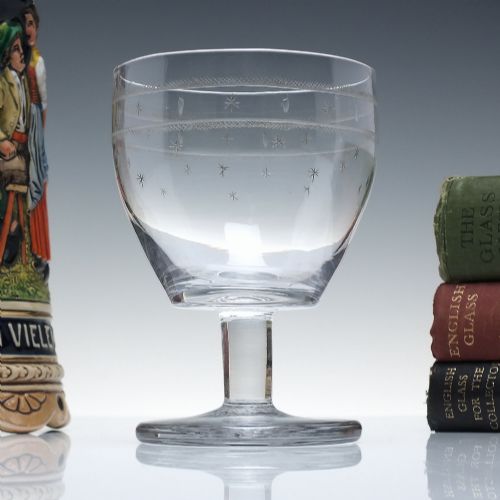
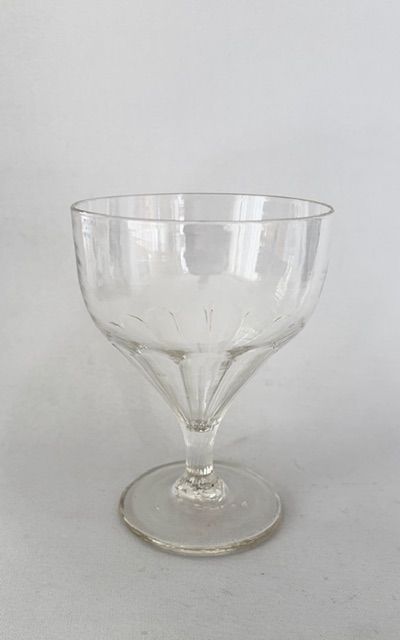
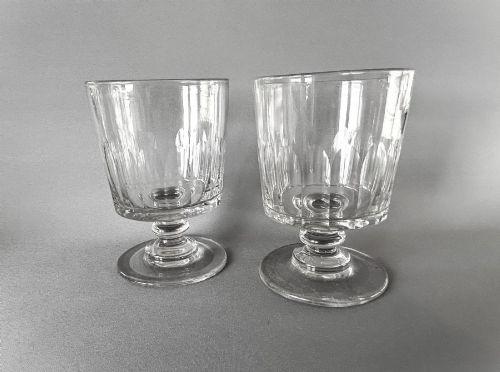
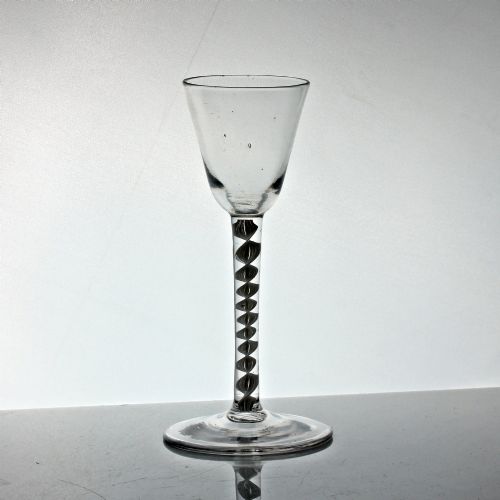
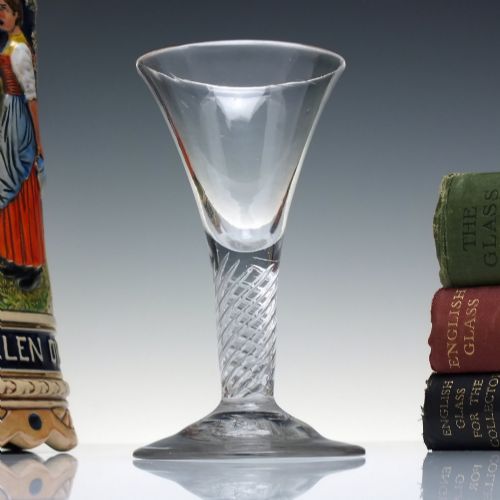
When you search for flint glass wine glasses, you encounter drinking vessels shaped across the eighteenth and nineteenth centuries, including Georgian balusters, heavy rummers, and tall Victorian goblets. The examples available on this page lean heavily toward eighteenth-century forms, particularly those featuring opaque and air twist stems.
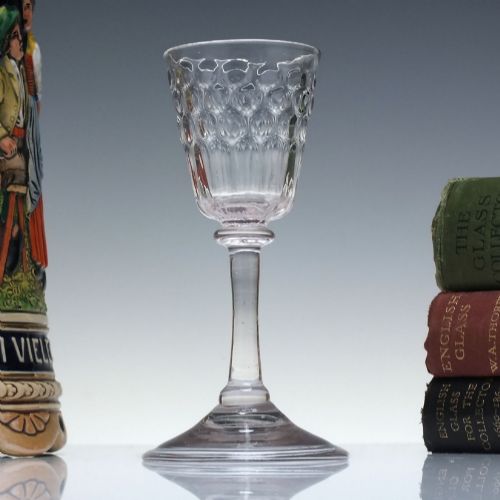
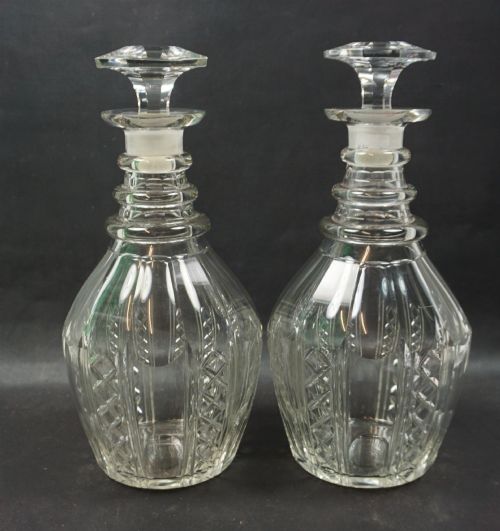
Makers produced these pieces for social dining and toasts, shaping lead glass into trumpet, bell, and ogee bowls resting upon folded or domed feet. Alongside standard wine glasses, the selection encompasses related serveware such as decanters, carafes, and claret jugs.
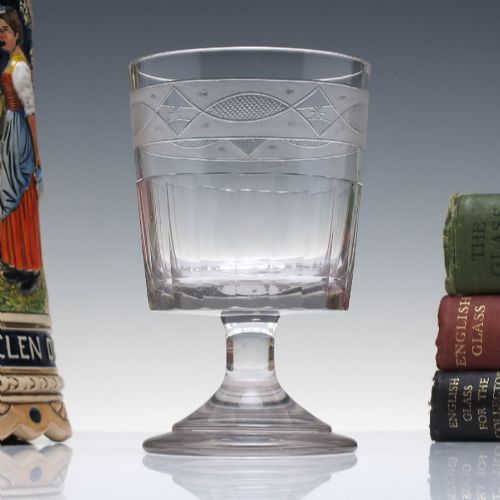
Expect to find variations spanning early balustroids, engraved dram glasses, and nineteenth-century presentation pieces. The core of the offering remains English table glass from the Georgian period, augmented by later Victorian and Edwardian examples.
How they were made
Glasshouses utilised lead glass and clear glass to achieve the brilliant refraction and heavy handle characteristic of flint glass wine glasses. Artisans employed moulding and cutting techniques to create pillar-moulded carafes, wrythen bowls, and intricate facet-cut stems.
Internal optical effects such as air twists, multi-spiral air twists, and opaque twists were pulled and spun into the stems during hot-working. Engravers subsequently applied surface decoration, cutting wheel-engraved motifs like hop and barley, Jacobite emblems, and maritime presentations onto the bowls.
Flint Glass Wine Glasses Retail Price Guide 2026
Typical asking prices for flint glass wine glasses among the pieces listed under this phrase on Sellingantiques today, from the lower quarter to the upper quarter. They describe what is for sale here now, not the wider market.
Listings feature lead glass, clear glass, and flint glass across Georgian and Victorian periods, alongside decorative enamel and cut glass techniques.
What varies in quality
The distinction between ordinary utility glass and superior flint glass wine glasses lies in the clarity of the metal and the dexterity shown in the stem formation. Heavier lead content yields a resonant ring and deep polish, whereas lesser pieces display grey metal with surface striations.
Execution of decorative elements dictates the upper tier of the range, visible in the precision of a twist or the depth of wheel engraving on a bell bowl. Structural stability, such as a well-balanced domed or folded foot, also separates masterwork stems from simpler tavern glassware.
The Flint Glass Wine Glasses Glossary
- Air twist
- A stem containing spiral channels filled with elongated air bubbles, created by drawing gas from within the molten metal during manipulation.
- Opaque twist
- A stem formed by enclosing white or coloured enamel threads within clear glass and twisting them into a permanent internal lattice.
- Baluster
- A heavy, thick stem shape derived from architectural supports, featuring prominent knops and swelling profiles typical of early eighteenth-century pieces.
- Folded foot
- A rim turned underneath the base of a glass to create a smooth, thickened edge that provides extra weight and stability.
- Rummer
- A large, capacious drinking glass introduced in the eighteenth century, frequently used for ale, wine, or punch.
Flint Glass Wine Glasses: Frequently Asked Questions
How do I clean antique wine glasses?
Wash them gently by hand in warm, soapy water without harsh abrasives or soaking them for prolonged periods. Dry them immediately with a soft linen cloth to prevent water spots.
Avoid placing these historic pieces in a modern dishwasher, as the high heat and harsh detergents will cloud the lead glass permanently.
What is the difference between air twist and opaque twist stems?
Air twist stems contain fine trapped air channels drawn into spirals within the clear glass. They produce a subtle, transparent internal pattern.
Opaque twists incorporate white or coloured enamel rods inside the clear metal, creating solid, highly visible threads that stand out clearly against the light.
Can I still drink wine from eighteenth-century glasses?
Many collectors enjoy using their antique stemware for special occasions, appreciating the tactile weight and historical connection. The lead glass is durable enough for careful use.
Exercise caution with extreme temperature changes, such as pouring hot liquids into cold glass, to prevent thermal shock and cracking.
How do I date an antique glass without a maker's mark?
Dating relies upon analysing the bowl form, stem construction, foot style, and manufacturing characteristics. Eighteenth-century pieces often feature pontil marks, thick lead metal, and specific knop configurations.
Comparing the silhouette and engraving style against documented examples helps narrow down the production era to specific decades like the seventeen-seventies or eighteen-twenties.