
Flint Glass Stemware
Flint glass stemware brings drinking vessels of earlier centuries into modern hands, offering tactile weight and clarity.
Flint Glass Stemware
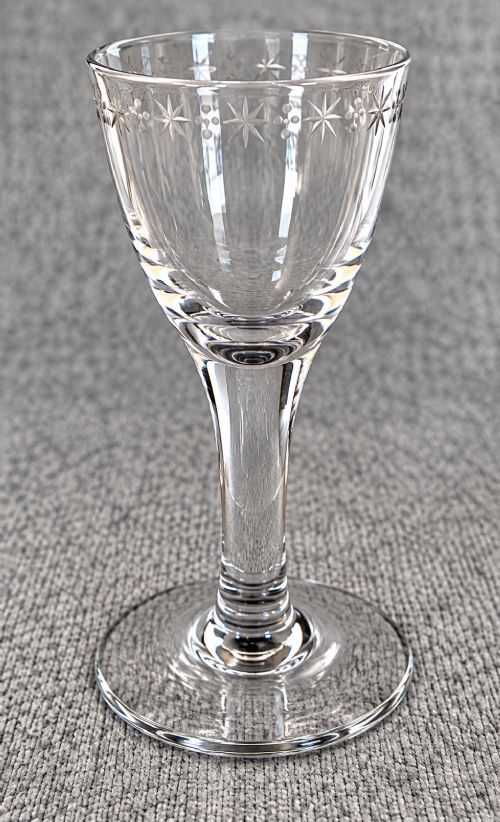
Flint glass stemware encompasses drinking glasses and stemware originating largely from the eighteenth century, with Georgian examples predominating across the selection.
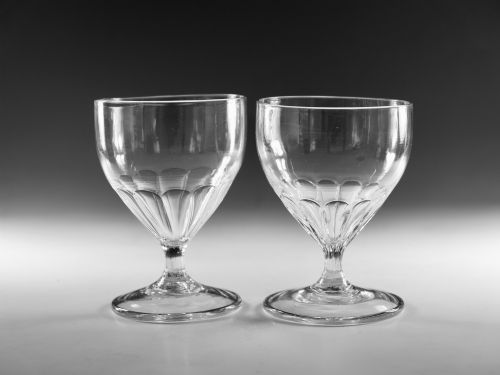
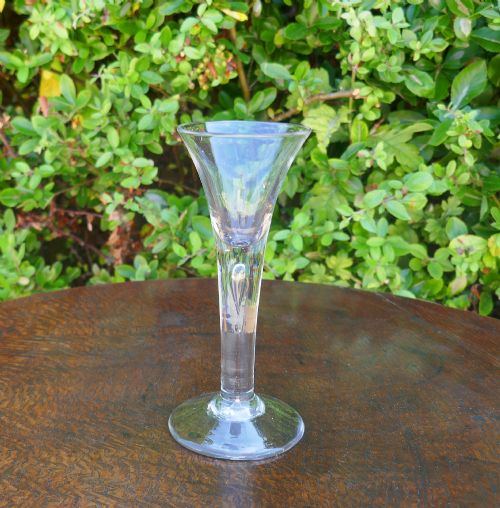
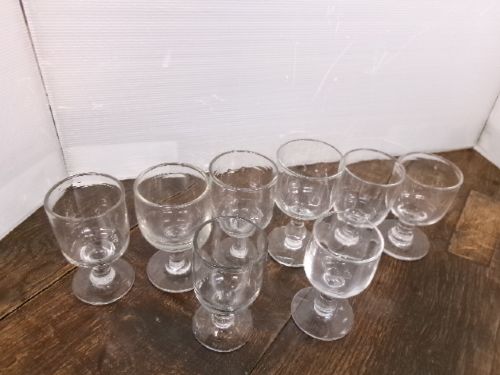
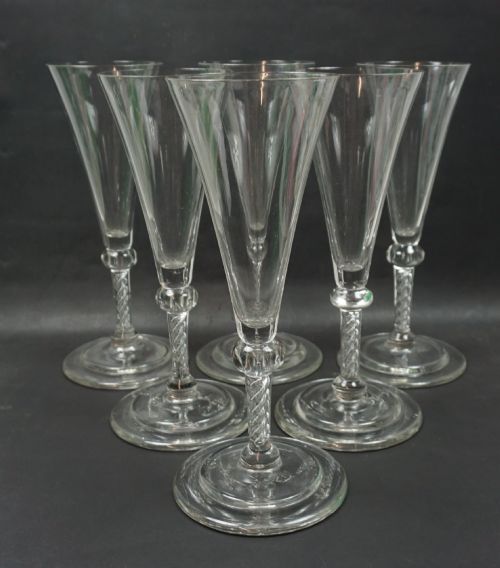
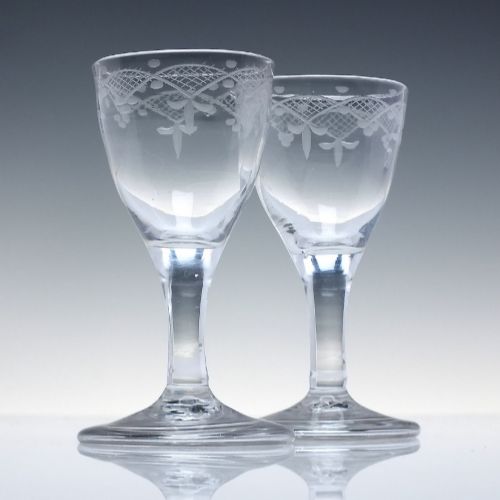
Buyers encounter distinct forms such as wine glasses, dram glasses, ale glasses, and rummers, alongside tall wine flutes and sweetmeat glasses.
The period attribution spans from the early eighteenth century through to the Victorian era and into twentieth-century revivals.
How they were made
The objects are produced from lead glass, clear glass, and lead crystal, sometimes enhanced with enamel details.
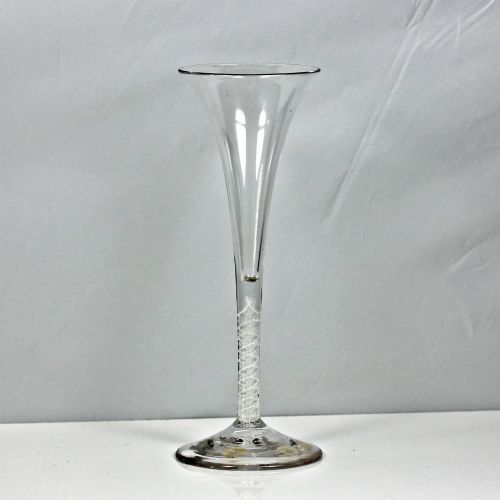
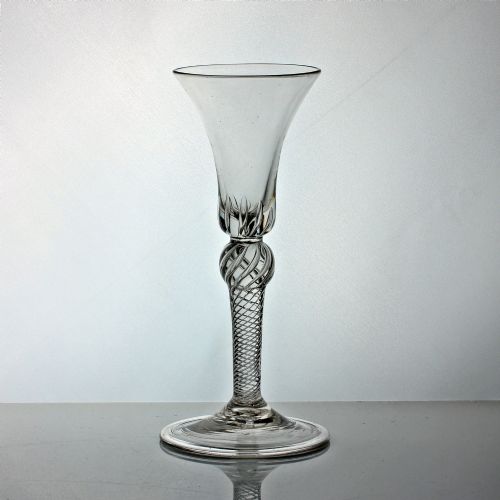
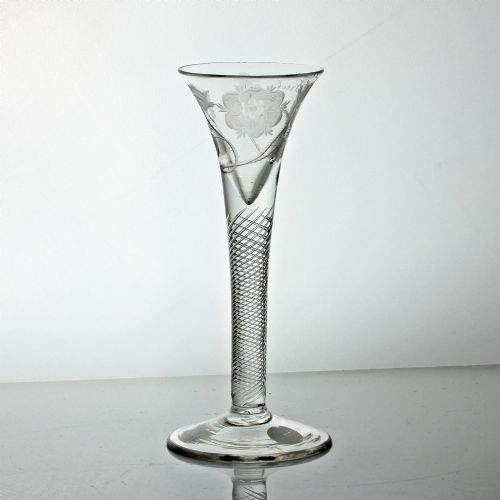
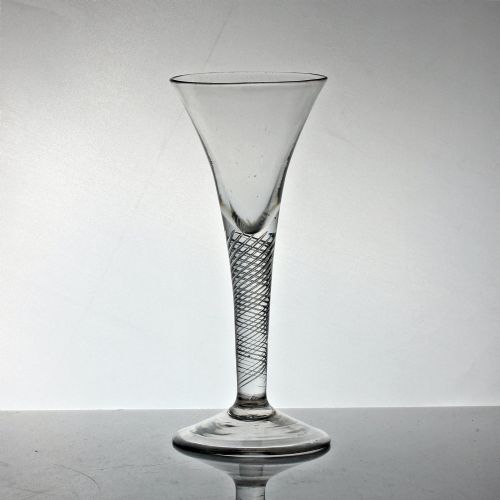
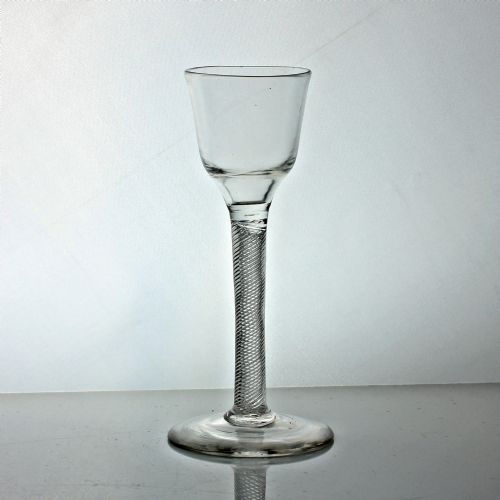
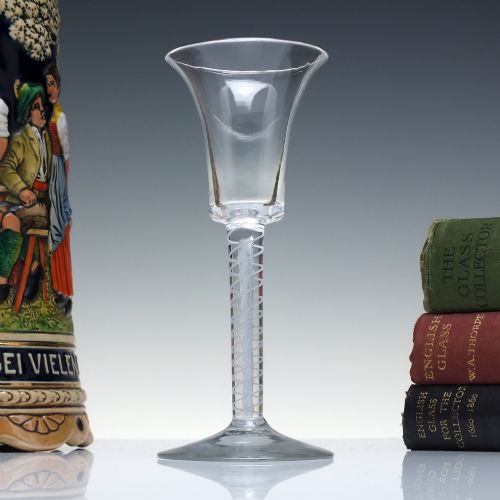
Stems display complex internal formations including air twists, opaque twists, mixed twists, baluster profiles, and balustroid shapes.
Foot construction often incorporates folded edges, domed profiles, and basal bubbles.
Flint Glass Stemware Retail Price Guide 2026
Typical asking prices for flint glass stemware among the pieces listed under this phrase on Sellingantiques today, from the lower quarter to the upper quarter. They describe what is for sale here now, not the wider market.
Listings span the eighteenth and nineteenth centuries, featuring lead glass materials fashioned into wine glasses, rummers, and baluster forms.
What varies in quality
Quality rests in the precision of the stem manufacture, from multi-spiral air twists to balanced baluster proportions.
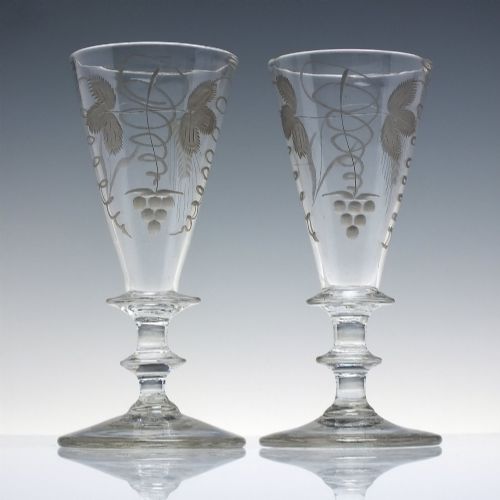
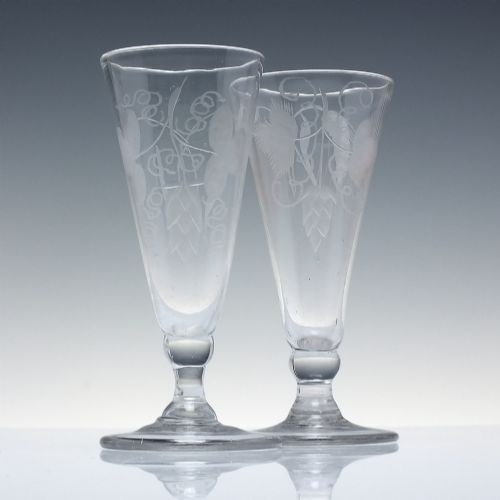
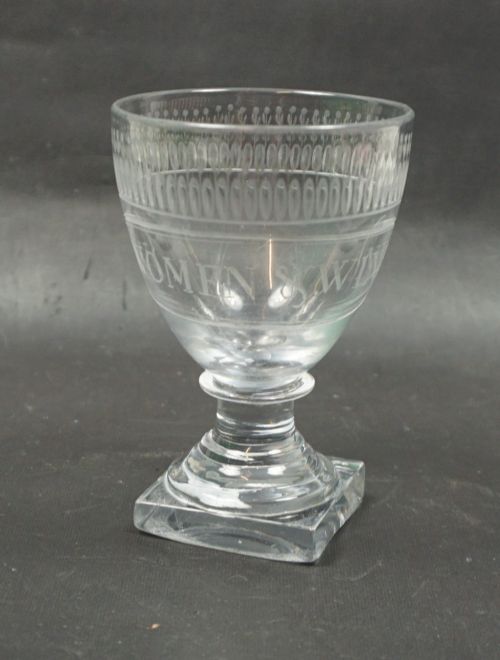
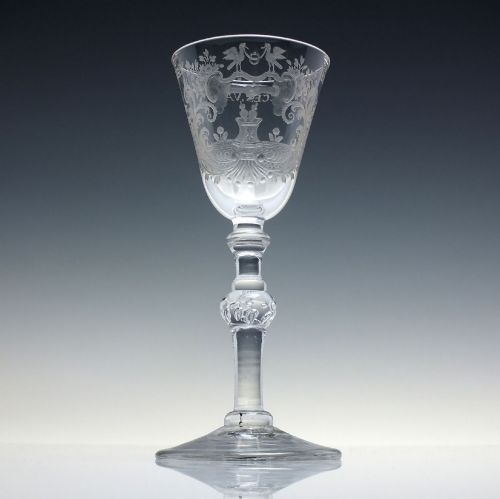
Engraving depth and clarity distinguish standard vessels from presentation pieces, particularly on Jacobite, hop and barley, or marriage goblets.
Form integrity, such as the relationship between bowl shapes like trumpet, ogee, and bell and the supporting stem, dictates desirability.
The Flint Glass Stemware Glossary
- Air twist
- A decorative stem formation enclosing elongated or spiral channels of air within the clear metal. This technique creates a delicate internal texture visible through the glass.
- Opaque twist
- A stem containing white or coloured enamel threads drawn into spirals or lace patterns. These threads sit within the clear body of the lead glass.
- Baluster
- A heavy, thick stem form featuring swollen nodes or knops derived from architectural supports. Early examples often display considerable weight and balanced proportions.
- Folded foot
- A base whose outer rim is turned underneath during manufacture to create a reinforced edge. This feature provides extra stability and reduces chipping.
- Rummer
- A large, robust drinking glass common in the Georgian period, typically featuring a capacious bowl on a short stem. They served for ale, wine, or spirits.
Flint Glass Stemware: Frequently Asked Questions
What is flint glass?
Flint glass is a heavy, clear lead glass formulation valued for its refractive index and brilliance.
Historically associated with English glassmaking, it allowed makers to draw slender stems and cut deep facets.
How do I date a glass?
Dating relies on combining bowl forms, stem construction methods, and foot types with known periods.
Air twists and baluster stems point to earlier eighteenth-century production, while rummers often suggest the nineteenth century.
What is an air twist stem?
An air twist stem traps elongated bubbles within the molten glass before it is drawn and twisted.
This creates internal spiral threads that catch the light without altering the smooth exterior surface.
Were these glasses used daily?
Many eighteenth-century glasses served regular dining and tavern functions, though finer engraved pieces held celebratory roles.
Their substantial lead content made them durable enough for regular handling at the table.