





Flight Barr Worcester Vase
These flight barr worcester vase pieces represent the finest Regency and Georgian ceramic artistry, prized by collectors for their hand-painted detail and rich gilding.
Flight Barr Worcester Vase
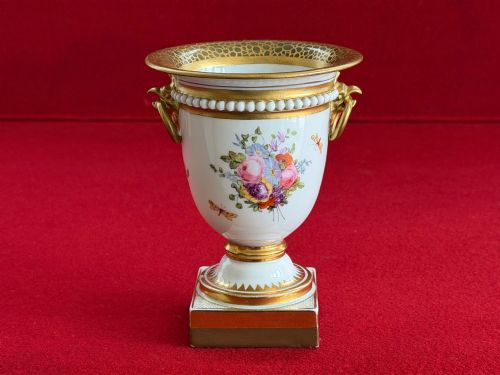
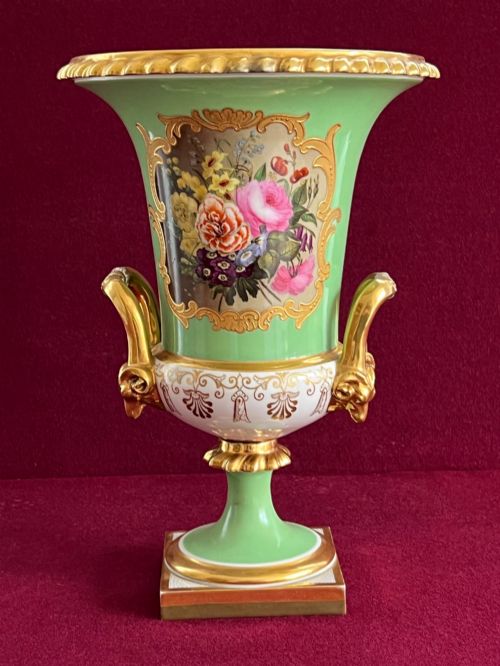
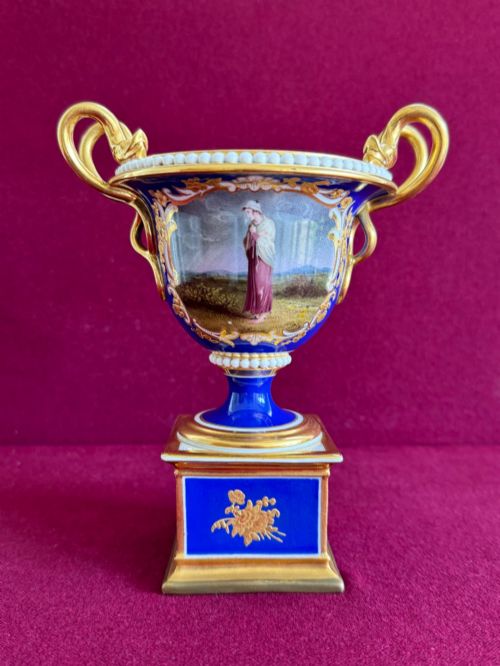
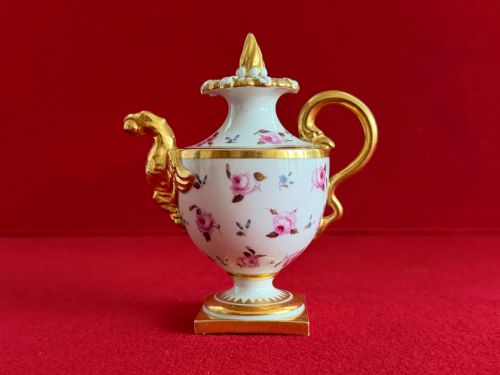
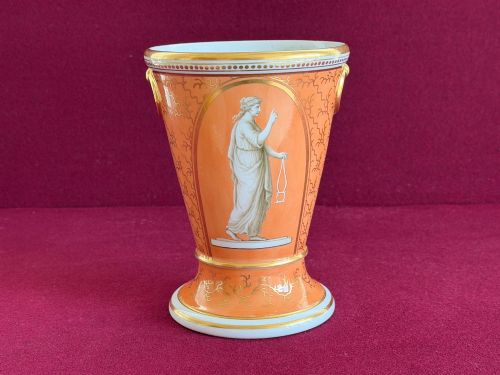
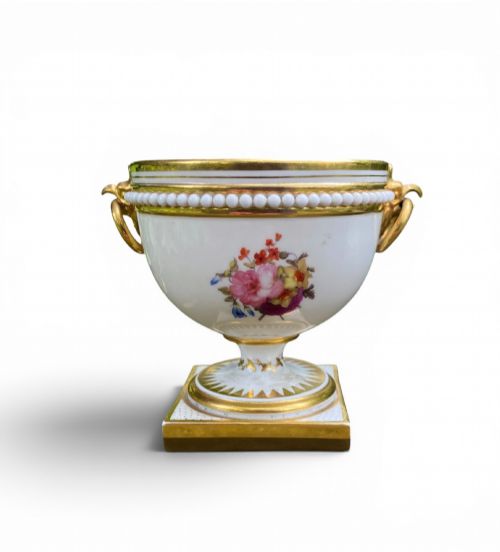
When you search for a flight barr worcester vase, you are looking at fine porcelain vessels produced by the famous Worcester factory under the leadership of the Flight and Barr families. The examples appearing on this page span the Georgian and Regency periods, originating around eighteen hundred through the first quarter of the nineteenth century. These objects take various forms including standard vases, jardinieres, bough pots, spill vases, and rose water sprinklers.
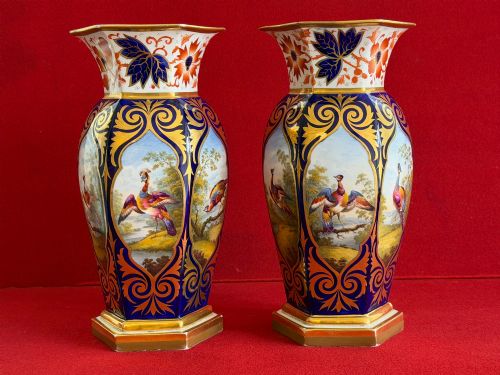
The pieces you are most likely to meet on this page date from the Regency era, specifically between eighteen hundred and eighteen twenty-five. They frequently arrive as pairs or garnitures, occasionally featuring topographical scenes or specific decorative patterns like the Japan pattern. Miniature porcelain vases and covered urns also appear amongst the selections, demonstrating the diverse output of the Worcester works during these decades.
Materials and Manufacture
The makers utilised fine porcelain as the primary body for every vessel, shaping them into urns, jardinieres, and bough pots by hand or wheel. Artisans then applied liquid gold leaf and rich gilding to highlight handles, rims, and borders, creating strong contrasts against the white ceramic surface.
Enamel colours were meticulously hand-painted onto the porcelain body, often depicting topographical views, botanical studies, or intricate oriental motifs. Firing in kilns fixed these enamels and precious metals permanently to the glazed surface, resulting in the polished finishes seen on these Regency and Georgian pieces.
Flight Barr Worcester Vase Retail Price Guide 2026
Typical asking prices for flight barr worcester vase among the pieces listed under this phrase on Sellingantiques today, from the lower quarter to the upper quarter. They describe what is for sale here now, not the wider market.
Some nineteenth-century decorators snuck tiny hidden initials into landscape foliage, leaving miniature signatures for sharp-eyed buyers to discover.
Judging Quality and Execution
The distinction between ordinary and exceptional pieces rests primarily upon the skill of the hand-painting and the complexity of the gilding. Top-tier examples display finely detailed topographical scenes or elaborate pictorial work by named decorators, executed with precise brushwork and vibrant enamel palettes.
Form and scale also dictate standing, where miniature vessels or large, perfectly matched pairs demand greater technical mastery during the throwing and firing stages. The crispness of moulded details and the preservation of the original gold leaf without excessive rubbing further separate standard production wares from the finest workshop output.
Flight and Barr·Barr Flight and Barr·Thomas Lowe
The Flight Barr Worcester Vase Glossary
- Jardiniere
- A decorative ceramic pot or vase designed to hold living plants or floral arrangements. These vessels often feature twin handles and sit on a fixed pedestal base.
- Bough Pot
- A specialised container designed for holding cut branches or floral displays during the Georgian and Regency periods. They commonly include pierced inner covers to keep stems upright.
- Gilding
- The application of gold leaf or powdered gold to the surface of porcelain. This technique was heavily utilised by the Worcester factory to accentuate rims and handles.
- Spill Vase
- A tall, narrow tubular vase intended to hold paper spills used for lighting candles and fires. They represent some of the simpler domestic forms produced in porcelain.
- Garniture
- A matched set of three or more vases or urns designed to be displayed together on a mantelpiece or sideboard. These sets frequently pair a central vessel with flanking side pieces.
Flight Barr Worcester Vase: Frequently Asked Questions
What is a Flight Barr Worcester vase?
It is a piece of fine porcelain manufactured by the Worcester works under the partnership of the Flight and Barr families during the late Georgian and Regency eras. These vessels were thrown and painted by hand, often featuring rich gilding and detailed topographical scenes.
Collectors prize them for their historical significance and the high level of craftsmanship achieved by the factory artisans. They serve as quintessential examples of early nineteenth-century British ceramic art.
How do I date these Worcester vases?
Dating relies heavily on the specific factory marks found on the underside of the porcelain, alongside the style of decoration and the shape of the vessel. The partnerships changed names over time, moving from Flight to Flight and Barr, and later to Barr, Flight and Barr.
Stylistic shifts also provide clues, with Georgian pieces tending toward more classical restraint while Regency examples often embrace bolder colours and lavish gilding. Comparing the recorded periods of active partnerships helps narrow down the decade of manufacture.
Were these vases used for flowers?
Many of these vessels served specific horticultural or domestic functions rather than acting as mere ornaments. Jardinieres and bough pots were specifically constructed to hold living plants or cut floral arrangements within the home.
Specialised forms like rose water sprinklers and spill vases performed distinct household duties during the nineteenth century. Over time, however, many transitioned into purely decorative objects displayed in prominent rooms.
How should I display porcelain vases?
Displaying these pieces requires stable placement away from direct sunlight and areas of heavy foot traffic to protect the delicate enamel and gilding. Garnitures and pairs look best when kept together on sturdy surfaces such as sideboards or mantelpieces where their matched forms can be appreciated.
Environmental stability helps preserve the porcelain body and the applied gold leaf over the years. Gentle dusting with a soft, dry cloth is usually sufficient for routine maintenance.