



Flat Weave Wool Rug
These flat weave wool rug pieces are woven textiles born from nomadic and regional traditions, offering graphic punch and historic depth for the floor.
Flat Weave Wool Rug
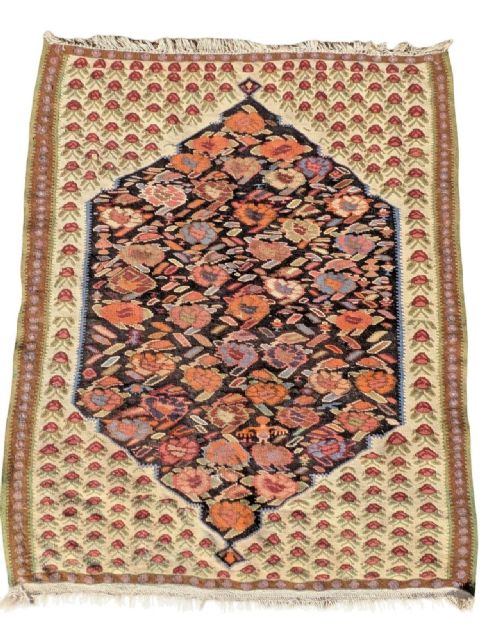
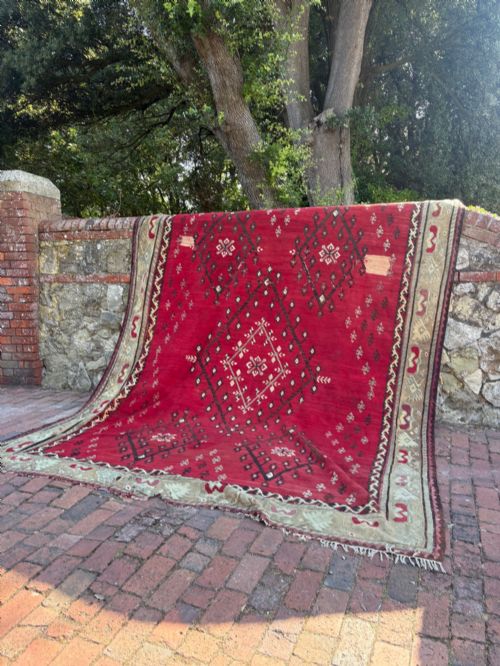
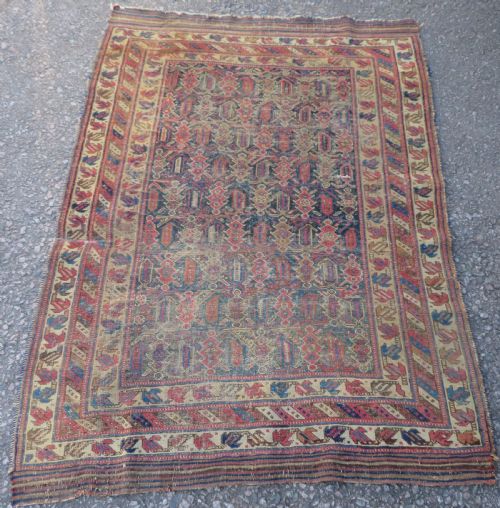
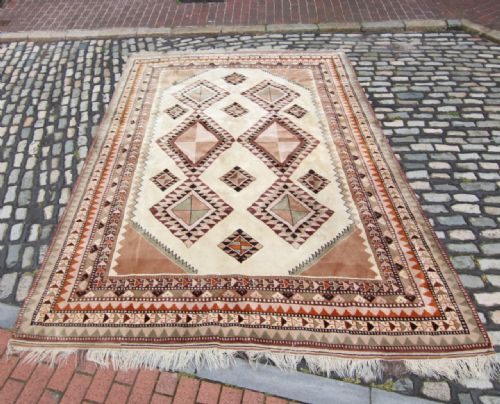
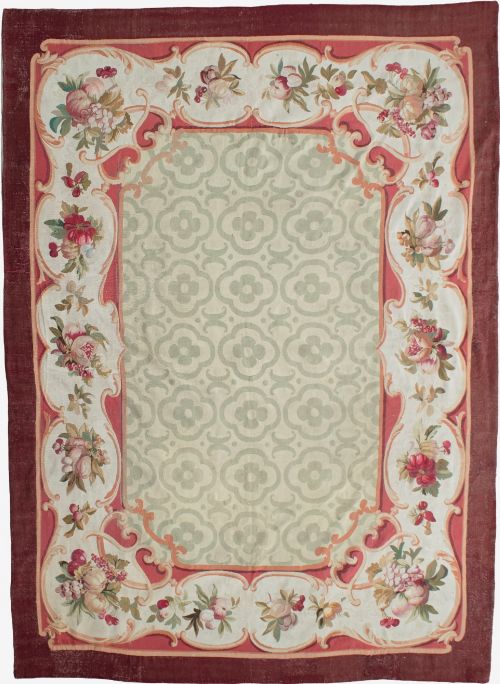
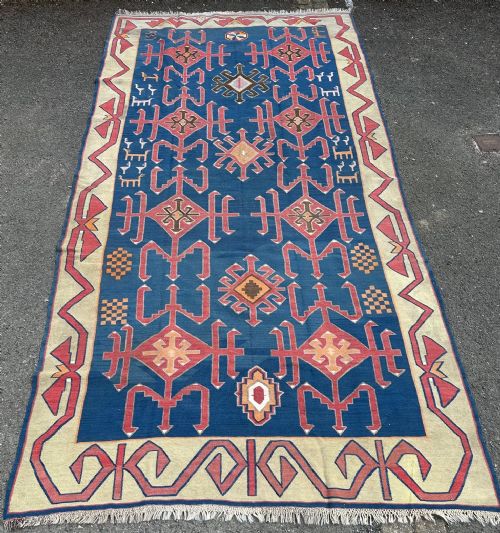
A flat weave wool rug is a textile constructed without a pile, relying instead on the interlacement of warp and weft threads to create flat geometric or floral patterns. When searching for a flat weave wool rug, collectors typically encounter tribal kilims, storage bags, and runners originating from Anatolia, Persia, the Caucasus, and Central Asia.
The selection ranges from large room-size carpets down to small cushions and horse covers created by specific nomadic groups such as the Afshar, Shahsevan, and Turkmen. These textiles served practical domestic functions within nomadic tents and village homes before entering the decorative market.
Pieces span from the mid-nineteenth century through the early twentieth century, capturing regional weaving dialects in wool and cotton. Forms include prayer rugs, salt bags, saddlebags, and banded kilims woven in distinct regional palettes.
How They Were Made
Makers utilised hand-spun wool and cotton yarns, dyed using natural substances to achieve deep, varied tones across the textile field. The structural integrity depends on tight warp and weft interlacing, sometimes incorporating supplementary techniques like soumak wrapping or needlepoint.
Weavers worked on portable horizontal or vertical looms, often producing large carpets in separate panels that were subsequently joined together along the centre. This method permitted nomadic communities to pack up their looms during seasonal migrations without abandoning ongoing textile projects.
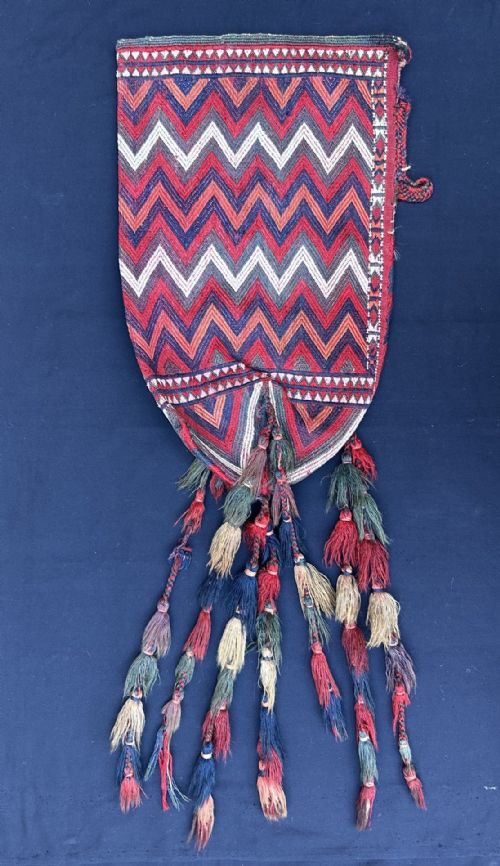
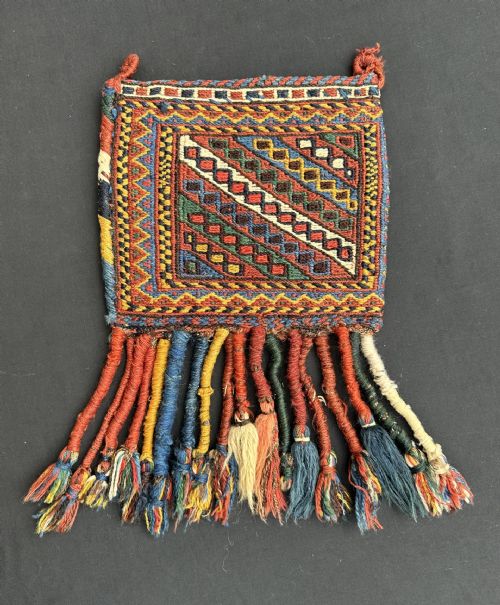
Several bags retain their original tassels, inviting fingers to trace the wool where a nomad packed salt or bread.
What Varies in Quality
The grade of a piece rests upon the crispness of the graphic design and the integrity of the natural dye palette. Tighter weave counts and well-preserved structural edges or original backs indicate superior construction.
Original proportions and complete borders distinguish masterworks from truncated runners or altered fragments. The handling of the wool, from initial hand-spinning to the final finish, dictates how the textile handles foot traffic and light.
The Flat Weave Wool Rug Glossary
- Kilim
- A flat-woven carpet or rug produced in countries of the former Ottoman Empire, Persia, and Central Asia. They are known for slit-weave techniques that produce sharp geometric motifs.
- Soumak
- A flat-weave technique where coloured weft threads are wrapped over and under the warp threads in a herringbone pattern. This adds durability and texture to tribal bags and rugs.
- Sofreh
- A flat-woven spread or cloth used for eating meals or kneading bread within nomadic households. These textiles often display minimalist central fields surrounded by geometric borders.
- Torba
- A small wall-hanging storage bag traditionally used in Turkmen households for domestic items. They frequently feature banded primary guls and retaining tassels.
- Gul
- A medallion-like design element used repeatedly as a primary motif in Central Asian tribal weaving. Each design often identifies a specific tribe or clan.
Flat Weave Wool Rug: Frequently Asked Questions
How do I clean a flat weave wool rug?
Gentle surface brushing and professional specialist washing suited to natural dyes preserve the fibres. Regular light vacuuming without a rotating brush bar prevents grit accumulation.
Avoid immersion in water or chemical spot cleaning, which can cause bleeding in natural dyes. Allowing professional cleaners experienced in tribal textiles to handle the rug ensures longevity.
Can I use these rugs on the floor?
Most of these historic textiles were made for domestic floor use, bedding, or storage and withstand normal walking traffic with appropriate underlays. Placing a breathable rug pad underneath prevents slipping and cushions the flat weave against hard flooring.
Fragile or heavily restored pieces, such as small bag faces, benefit from low-traffic placement or wall mounting. Assessing the wool density and foundation strength guides where to position each textile.
How do I identify tribal origins?
Design vocabulary, colour combinations, and specific structural weaving methods point toward particular tribal groups and geographic regions. Comparing motifs like guls or border arrangements against documented regional examples clarifies attribution.
Materials such as hand-spun wool and specific cotton content also offer clues regarding the maker's location. Regional palettes, from Caucasian soft tones to Afshar rich hues, further narrow down the origin.
What is the difference between a kilim and a soumak?
A kilim is constructed using a flat slit-weave technique where weft threads turn back at the edge of each colour block, creating small vertical slits. This produces a completely flat fabric with identical patterns visible on both sides.
Soumak involves wrapping weft threads over and around the warp in a continuous brocading motion, leaving floats of yarn on the reverse side. This technique creates a ribbed texture and a heavier, more durable textile.