







Soft Colour Tribal Rug
A soft colour tribal rug brings woven history into a room through muted dyes and nomadic patterns.
Soft Colour Tribal Rug
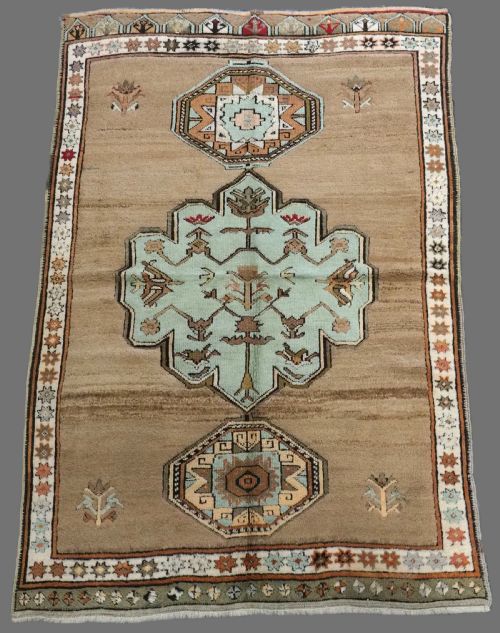
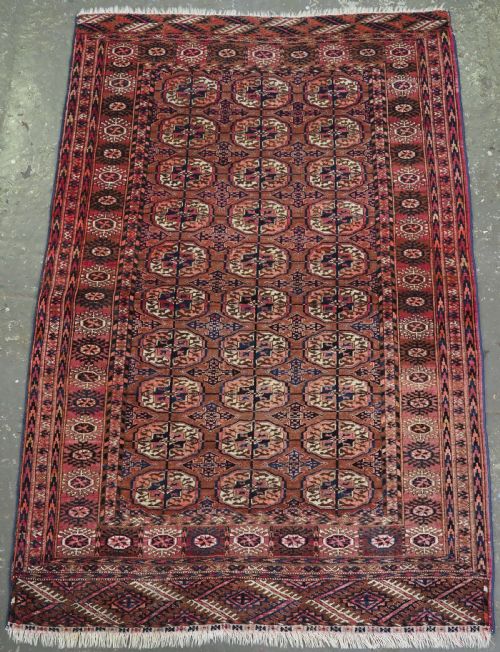
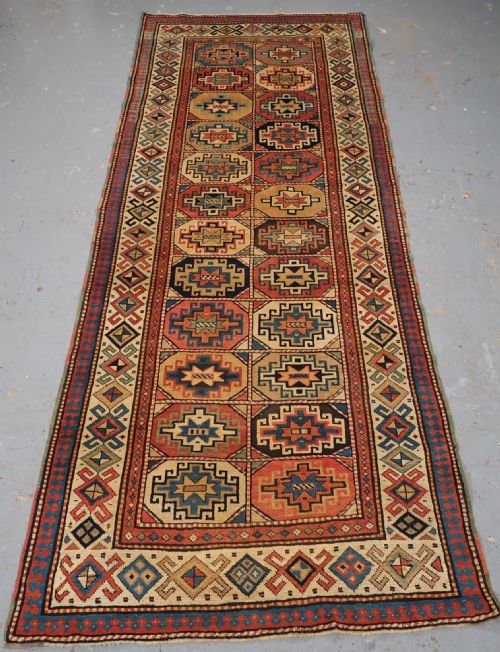
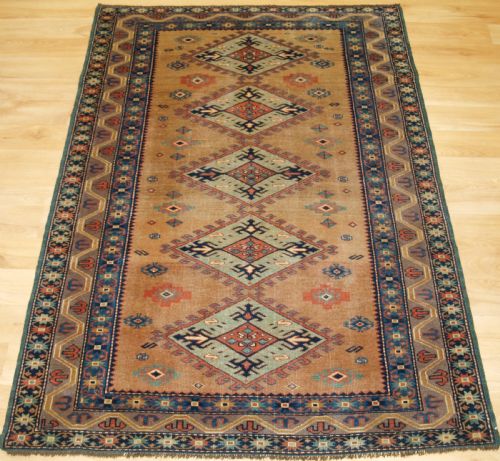
When you search for a soft colour tribal rug, you are looking at woven floor coverings created by nomadic and village weavers across regions such as the Caucasus, Anatolia, Persia, and the Balkans. These pieces display traditional geometric motifs, banded designs, and medallion layouts shaped by generations of regional weaving heritage.
The versions you are most likely to meet on this page date from the late nineteenth century through to the early decades of the twentieth century. They encompass flatwoven kilims and pile rugs that have transitioned through time into gentle, muted palettes.
Materials and construction
These textiles rely principally on wool, including camel wool, combined with cotton foundations in specific regional types. The fleece used provides a glossy texture and deep resilience, particularly evident in village carpets and nomadic weaving traditions.
Weavers employed traditional techniques ranging from pile knots to flatwoven kilim structures. Natural dye sources create the characteristic cochineal highlights and subdued reds that mellow gracefully over decades.
Listings span four decades from the eighteen-eighties to the nineteen-thirties, featuring wool, cotton, and camel wool materials.
Differences in quality
Quality rests upon the fineness of the weave and the precision of the tribal design, whether expressed in a triple medallion or a banded kilim. Tighter construction and careful handling of the wool yield greater durability and sharper geometric definition.
The harmony and depth of the faded palette separate standard examples from superior ones. When soft colours emerge naturally from age and quality dye work, the visual impact remains balanced and compelling across the field.
The Soft Colour Tribal Rug Glossary
- Kilim
- An untwisted flatwoven rug or carpet produced without a pile. These pieces rely on interlocking the warp and weft threads to create sharp geometric patterns.
- Medallion
- A central decorative motif placed in the field of a rug. It forms the focal point around which secondary patterns and borders are arranged.
- Warp
- The vertical foundation threads stretched tightly on the loom before weaving begins. The pile knots or flatweave rows are tied across these structural lines.
- Cochineal
- A natural red dye derived from scale insects. It produces vibrant pink and crimson highlights that add depth to older wool carpets.
Soft Colour Tribal Rug: Frequently Asked Questions
How do I clean an antique rug?
Professional gentle washing is essential for maintaining antique wool and natural dyes without causing fibre breakdown or colour bleed.
Regular light vacuuming without a beater bar removes surface grit that wears down the pile over decades.
Can I place these rugs in hallways?
Long rugs and runners handle moderate foot traffic well when supported by a quality underlay to prevent slipping.
Keeping them away from direct continuous sunlight preserves the muted tones characteristic of these older textiles.
What defines a tribal design?
Tribal patterns use geometric symbols, stylized animals, and repeated geometric motifs passed down through specific village weaving traditions.
Unlike formal court carpets, these designs reflect nomadic life and local cultural symbolism.
How are production dates estimated?
Dealers date pieces by examining structural wear, dye chemistry, wool quality, and stylistic markers consistent with known manufacturing periods.
Comparing knot density and regional characteristics helps narrow down the decade of origin.