



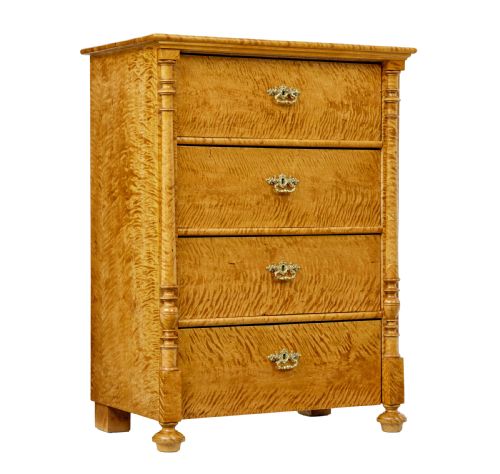


Flame Birch Dresser
A flame birch dresser brings striking, figured timber and robust proportions into a room.
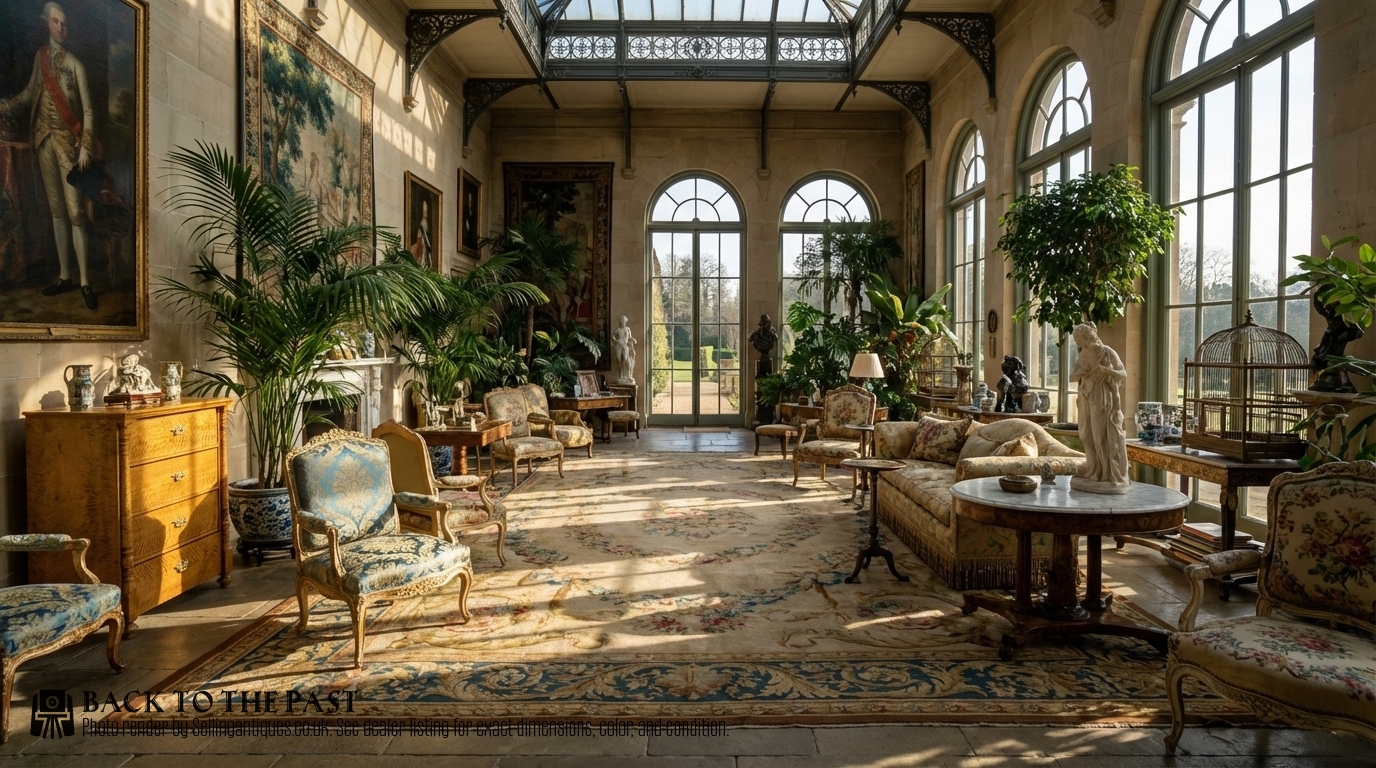
Flame Birch Dresser
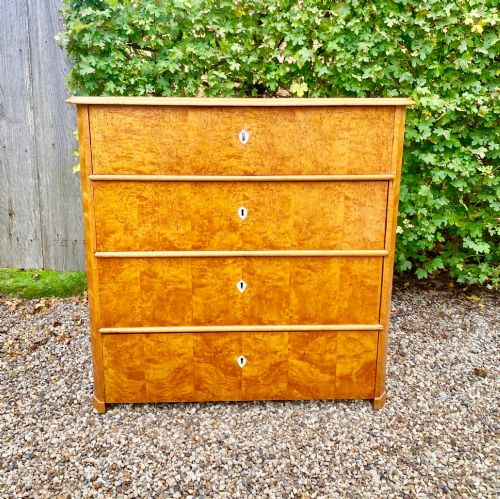
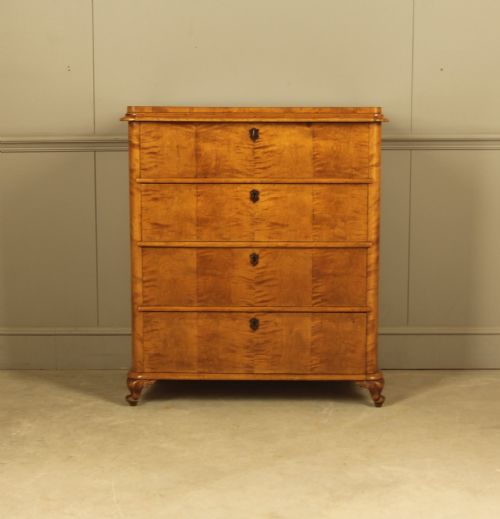
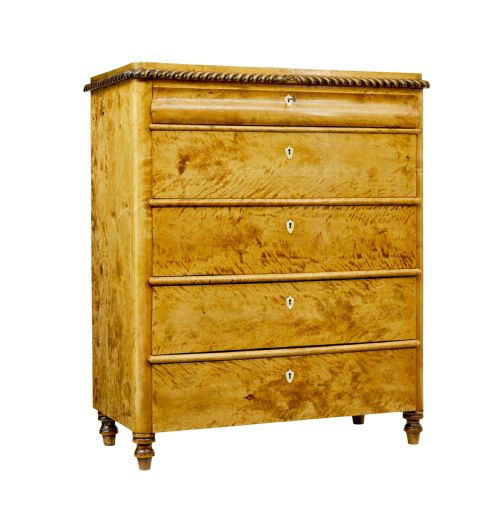
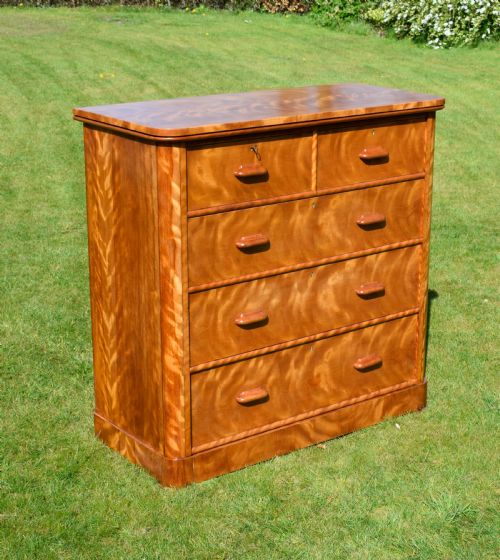
A flame birch dresser typically appears as a nineteenth-century chest of drawers originating from Sweden or wider Scandinavia, often aligned with the Biedermeier style. These pieces serve as practical storage chests featuring multiple straight drawers designed to anchor a room with calm symmetry.
The aesthetic centres on rich, figured grain patterns that catch the light, making each chest a focal point rather than mere background furniture. Most examples date from the nineteenth century, uniting clean architectural lines with the natural drama of timber veneers.
Materials and construction
Cabinet makers applied thin veneers of flame birch or tiger birch over solid pine carcasses, matching the grain across the drawer fronts to create symmetrical patterns. Iron and brass hardware appeared on doors and drawers, while bone sometimes contributed subtle decorative inlay details.
Joinery relied on traditional methods to stabilise the softwood structure beneath the decorative hardwood surface. Timber selection governed the entire process, as workshops sought logs with intense figuring to slice into matching leaves.
Cabinet makers loved tiger birch so much they spent hours aligning the stripes across four drawers just to mesmerise guests.
Distinguishing quality
The visual strength and symmetry of the veneer layout dictate the distinction between ordinary chests and exceptional ones. Exceptional makers matched the swirling figures across all drawer fronts so the grain flows naturally across the entire elevation.
Proportion and surface crispness further separate the tiers of craftsmanship. Finer examples retain sharp architectural mouldings and harmonious proportions that balance the bold timber patterns without visual clutter.
The Flame Birch Dresser Glossary
- Flame birch
- A figured hardwood veneer displaying undulating, flame-like grain patterns. This timber provides the primary visual appeal for nineteenth-century Scandinavian case furniture.
- Biedermeier
- A Central and Northern European design style spanning the nineteenth century. It prioritises clean lines, minimal ornamentation, and the natural beauty of wood veneers.
- Commode
- A European term for a chest of drawers or low cabinet. These pieces typically feature multiple horizontal drawers for domestic storage.
- Veneer
- A thin slice of decorative hardwood applied over a secondary timber base. This technique allowed cabinet makers to display dramatic grain figures efficiently.
Flame Birch Dresser: Frequently Asked Questions
Where do these dressers originate?
The available evidence shows these chests originate primarily from nineteenth-century Sweden and Scandinavia, carrying distinct regional cabinet-making traditions.
They reflect the clean architectural ideals of the period combined with locally sourced northern hardwoods.
What timber is used?
Construction relies predominantly on birch, including specific decorative variants like flame birch, tiger birch, masur birch, and satin birch veneers. Pine serves as the secondary structural timber for the internal carcasses.
Bone, brass, and iron also appear as contrasting materials for hardware and inlay.
How do I style one at home?
Place the chest against a neutral wall to let the dynamic wood grain stand out as the main visual feature. Keep surrounding decor simple to respect the clean proportions characteristic of nineteenth-century Scandinavian design.
Use the surface for low-profile objects that do not obscure the grain patterns on the top panel.
What periods are represented?
The listings span the nineteenth century, including specific dates around eighteen eighty and mid-century periods. These items sit firmly within the Victorian era and the broader nineteenth-century Biedermeier movement.
Stylistic markers point directly to Scandinavian country and Biedermeier aesthetics from this era.