



Fitted Wooden Compactum
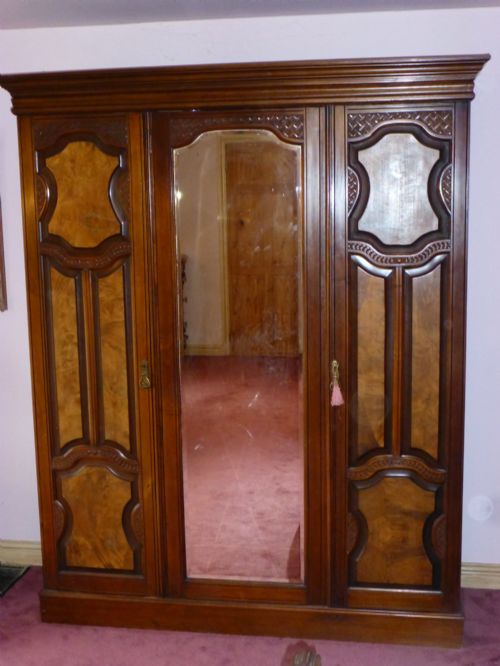
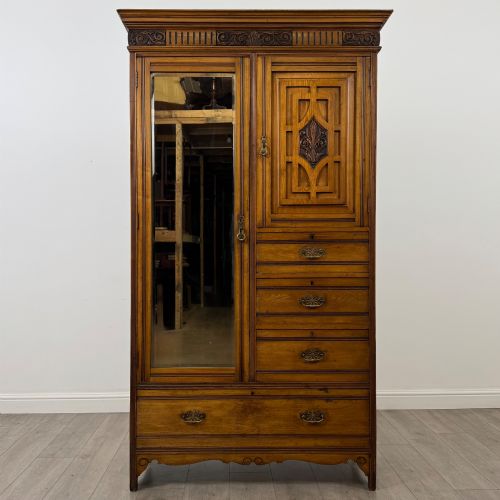
A fitted wooden compactum combines hanging space and drawer storage into a single substantial piece of bedroom furniture.
Fitted Wooden Compactum
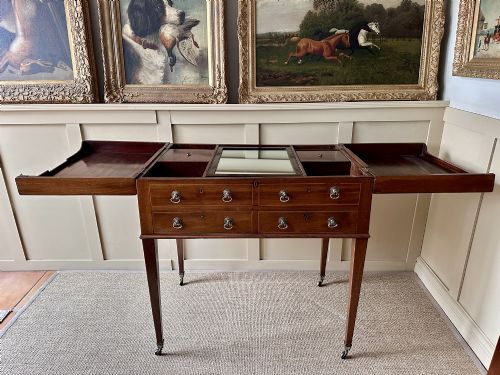
When you search for a fitted wooden compactum, you encounter pieces designed to organise formal attire with multiple internal compartments alongside standard wardrobe sections. These items span from the Georgian period through to the 1930s, encompassing large breakfront forms and smaller combinations.
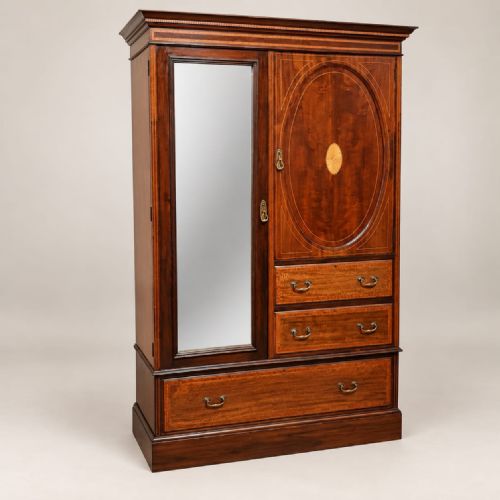
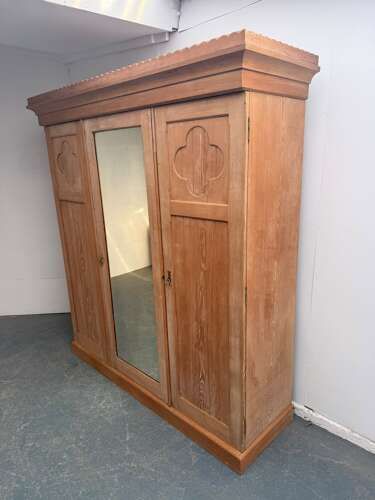
The Edwardian and Victorian examples on this page dominate the selection, frequently arriving in mahogany, satinwood, or walnut with integrated drawers and hanging space. You also meet Arts and Crafts interpretations in ash or oak alongside earlier nineteenth century breakfront designs.
Makers such as Maple and Co, Holland and Sons, and Edwards and Roberts appear among these wardrobes, reflecting the high standards of nineteenth and early twentieth century cabinet making. Buyers select these pieces for their combination of internal sliding trays, drawers, and hanging space behind panelled doors.
How they were made
Cabinet makers utilised solid timbers alongside flame mahogany, burr walnut, and satinwood veneers applied over secondary woods to create decorative grain patterns on the principal surfaces. Brass hardware, mirror glass panels, and inlaid stringing finish the exteriors of these large wardrobes.
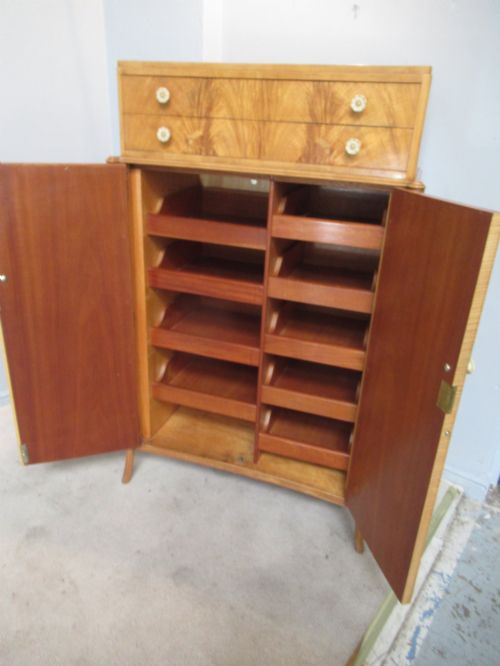
Internal construction incorporates modular sections, sliding linen trays, and dovetailed drawer boxes designed to partition the interior space efficiently. Frames are built to support breakfront cornices and multiple heavy doors, often utilising pegged joints and substantial backboards.
Fitted Wooden Compactum Retail Price Guide 2026
Typical asking prices for fitted wooden compactum among the pieces listed under this phrase on Sellingantiques today, from the lower quarter to the upper quarter. They describe what is for sale here now, not the wider market.
Several pieces are described as gentlemen's wardrobes, providing dedicated spaces for waistcoats, ties, and collars alongside standard hanging rails.
What varies in quality
The distinction between standard production and fine workshop execution rests in the choice of face veneers and the precision of the internal carpentry. Superior examples feature matched burr walnut or flame mahogany panels that mirror across the doors, paired with finely dovetailed cedar or mahogany drawer linings.
Hardware choice and secondary timber selection separate workshop pieces from mass production, with heavier brass fittings and thoughtful internal layouts indicating superior commission work. The integrity of the original fitted interior compartments dictates the overall desirability of each wardrobe.
Holland and Sons·Maple and Co·Edwards and Roberts
The Fitted Wooden Compactum Glossary
- Compactum
- A multi-functional wardrobe combining hanging space, shelves, and drawers within a single carcass. This configuration offered complete bedroom storage for gentlemen and families.
- Breakfront
- A cabinet design where the central section projects forward from the flanking wings. This architectural form creates depth and visual balance on large wardrobes.
- Flame mahogany
- Timber veneer cut from the fork of the mahogany tree to produce a distinctive flickering flame pattern. Cabinet makers reserved this material for prominent door panels.
- Burr walnut
- Highly figured wood grain taken from the wart or burl growths of the walnut tree. It provides a dense and decorative surface texture on Victorian and nineteenth century furniture.
- Satinwood
- A durable hardwood with a lustrous yellow sheen, utilised primarily during the Edwardian period for fine inlay work and full surface veneers.
Fitted Wooden Compactum: Frequently Asked Questions
What is a compactum wardrobe?
A compactum is a large piece of bedroom furniture designed to provide comprehensive storage by combining hanging wardrobes with banks of internal drawers and sliding trays.
This layout allowed owners to store suits, linen, and folded garments within a single unified carcass rather than spreading items across separate chests and wardrobes.
How do I fit a large wardrobe in my bedroom?
These wardrobes are substantial items that frequently arrive in modular sections or dismantle into cornices, bases, and separate door carcasses to ease transport.
Measure your ceiling height and access routes carefully before purchase, as breakfront cornices and heavy mirrored doors require adequate clearance during installation.
How do I care for antique wood?
Maintain these surfaces by applying traditional beeswax periodically to nourish the timber and preserve the historic polish against drying out.
Keep the furniture away from direct heat sources and sudden temperature shifts to prevent the solid timbers and decorative veneers from splitting.
How do I tell Victorian from Edwardian wardrobes?
Victorian pieces tend to utilise dark, heavily figured timbers such as flame mahogany and burr walnut with imposing breakfront proportions and deep cornices.
Edwardian examples often display lighter satinwood finishes, delicate marquetry inlays, and brighter aesthetic influences inspired by neoclassical design.