

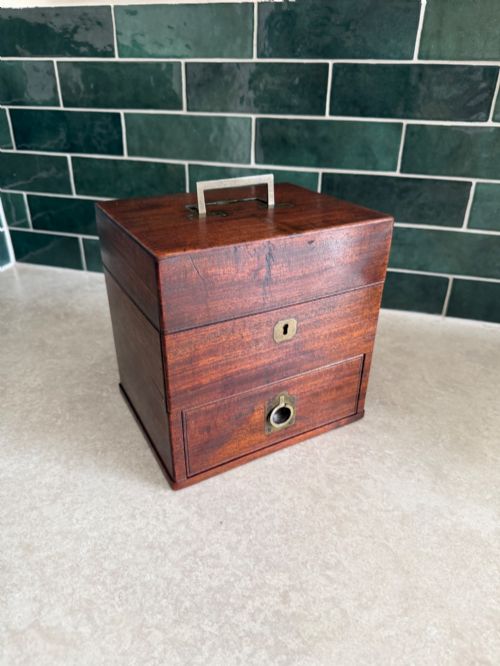
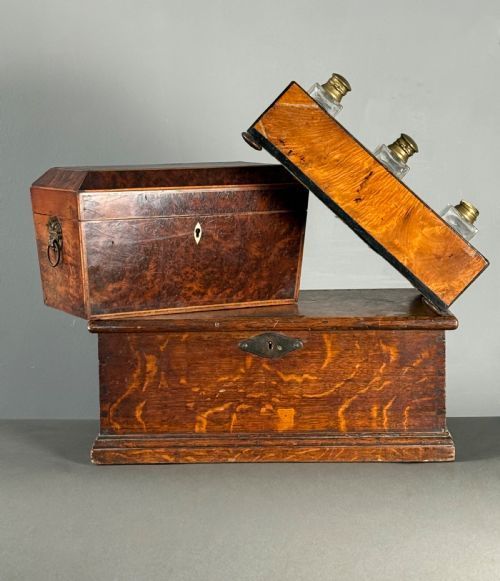
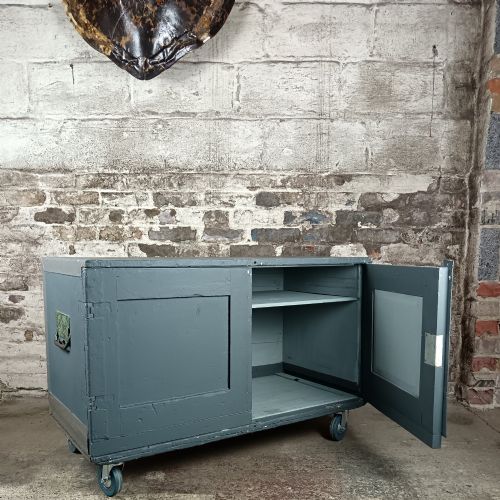
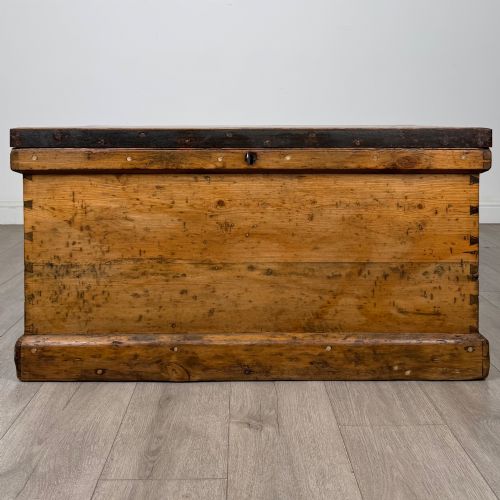
Fitted Wooden Box
A fitted wooden box organises valuables and travel gear, spanning Georgian writing slopes and Victorian vanity cases made for daily utility.
Fitted Wooden Box
When you search for a fitted wooden box, you encounter a wide selection of storage pieces designed to hold specific items like jewellery, writing materials, or medical supplies. These objects date from the Georgian and Victorian periods, extending through to Edwardian and vintage twentieth-century examples.
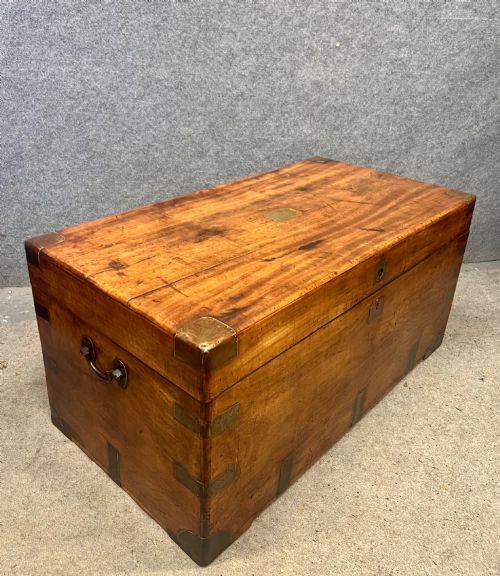
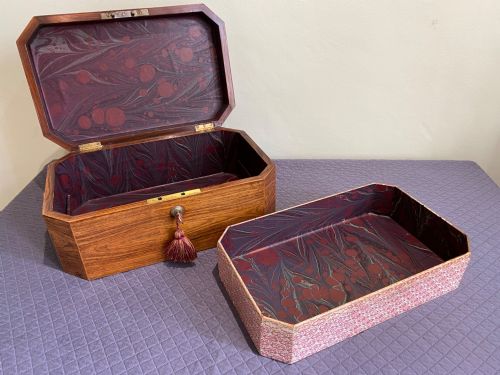
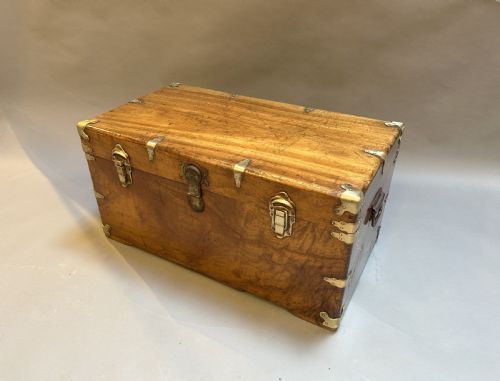
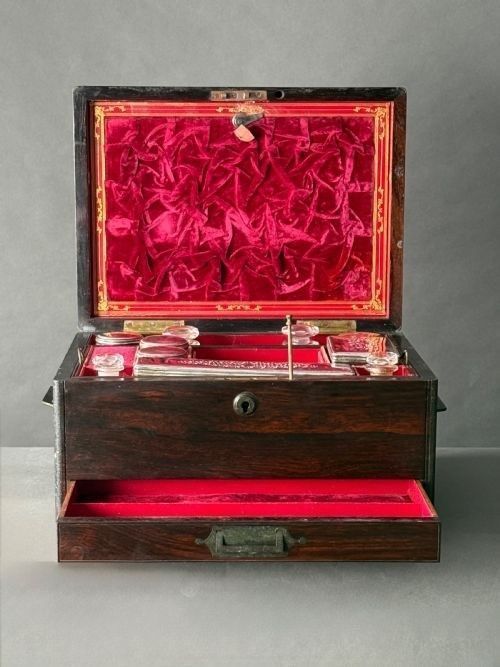
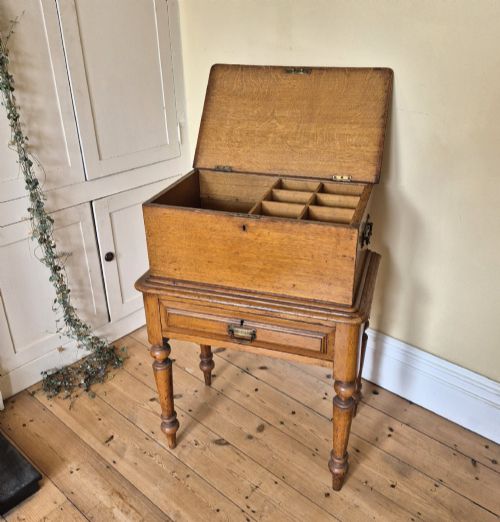
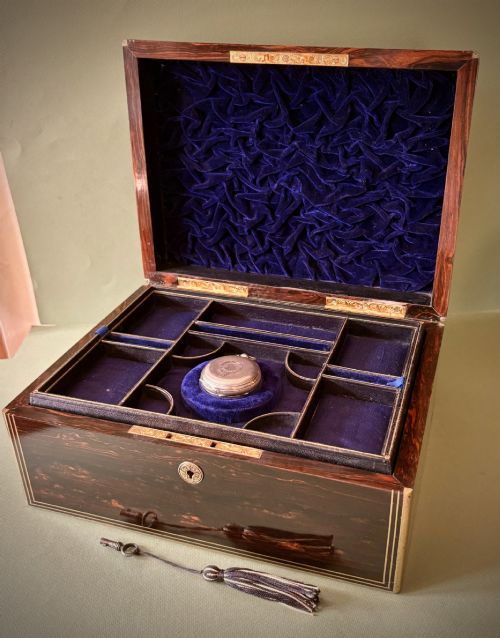
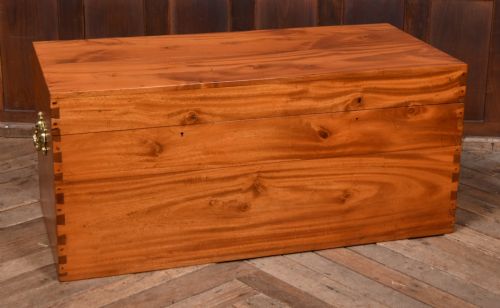
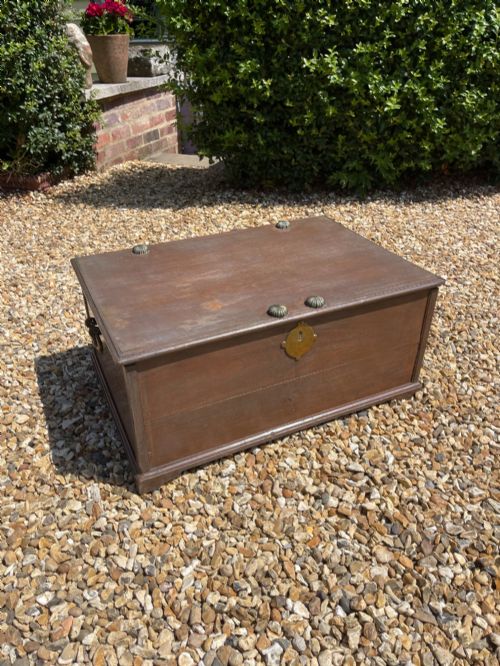
The most common forms on this page include writing slopes, jewellery boxes, vanity cases, and larger campaign trunks or blanket chests. Interiors often contain compartments, mirrors, and fitted trays lined with velvet or fabric to secure delicate contents.
Materials span dense hardwoods such as mahogany, rosewood, walnut, and camphor, frequently enhanced with brass bindings, inlays, or mother of pearl details. Originating from domestic, military, and colonial contexts, these pieces reflect a period when personal possessions required secure, portable housing.
How they were made
Cabinet makers utilised solid timbers like mahogany, rosewood, and oak, alongside decorative veneers such as burr walnut and coromandel applied to secondary woods. Construction relied on precise dovetail joints for durability, ensuring the boxes could withstand frequent travel and use.
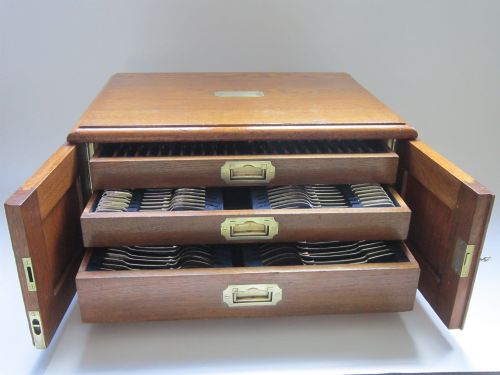
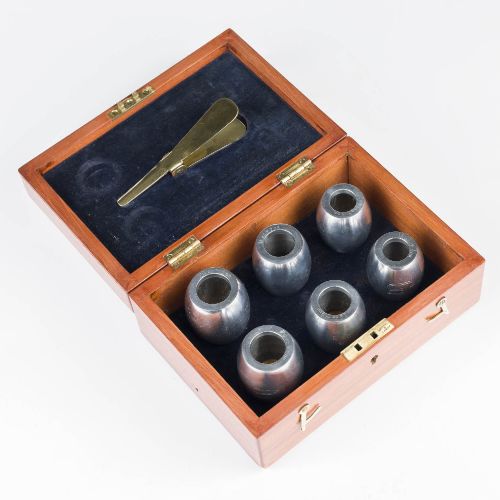
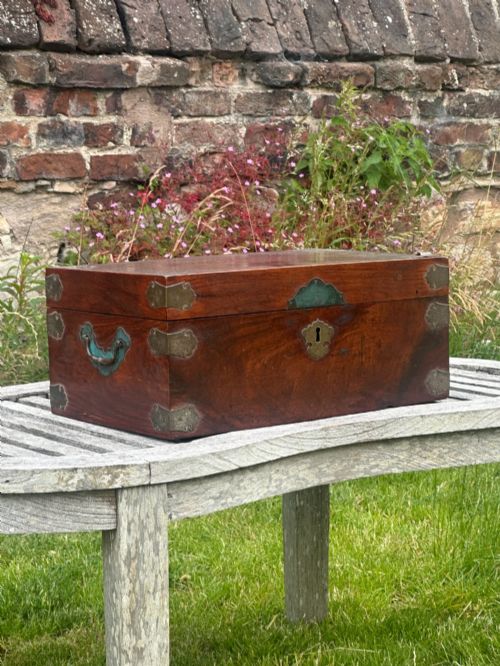
Metalwork played a structural and decorative role, with brass corners, bound edges, flush handles, and escutcheons fitted to protect the wood and reinforce the corners. Interiors were lined with velvet, leather, or paper, while specialised fittings like glass bottles, steel tools, and bone details were secured in dedicated slots.
An eighteenth-century paintbox still carries the quiet traces of crushed pigments left by an artist long ago.
What varies in quality
The grade of timber and the precision of the cabinet work separate standard utility items from top-tier pieces. Finely figured burr walnut, coromandel, and solid rosewood indicate a higher workshop standard than plain pine or secondary woods.
Complexity of internal fittings and the integration of working locks, brass inlay, and original velvet or leather linings distinguish finer examples. The presence of documented maker signatures or specialised compartments for artists, physicians, or officers adds distinction.
De Grave Short And Co·H Mitchell·George Blackman·Holtzapffel And Co
The Fitted Wooden Box Glossary
- Writing slope
- A portable desk with a hinged, slanted lid that opens to reveal compartments for ink, pens, and paper, often lined with leather.
- Campaign chest
- A modular chest of drawers or trunk constructed in sections with brass corners and recessed handles for military transport.
- Tunbridge ware
- Small wooden decorative boxes and objects ornamented with mosaic patterns made from tiny wood blocks of various natural colours.
- Escutcheon
- A flat plate of brass or other metal surrounding a keyhole to protect the surrounding wood from wear.
Fitted Wooden Box: Frequently Asked Questions
What is a fitted wooden box used for?
These boxes served specialised storage purposes, keeping items like writing materials, jewellery, medical supplies, and cutlery organised during travel or at home.
Interiors typically feature custom compartments, secret drawers, and lift-out trays designed to hold specific tools or valuables securely.
How do I date a wooden box?
Dating relies on timber choices, construction techniques, and hardware styles, with Georgian pieces often showing simpler mahogany forms and Victorian examples favouring burr walnut or coromandel.
Internal paper linings, lock stamps, and maker signatures also help narrow down the decade of production.
Are these boxes meant for travel?
Many examples originated as campaign gear or travelling vanity cases built with sturdy hardwoods, brass bindings, and flush handles to endure movement.
Over time, these durable transport boxes transitioned into stationary dressing table accessories or drawing room display pieces.
What woods are commonly found?
Cabinet makers utilised dense hardwoods such as mahogany, rosewood, oak, walnut, and camphor, alongside exotic imports like coromandel and padouk.
Decorative veneers and contrasting inlays of brass or mother of pearl frequently highlight the exterior surfaces.