


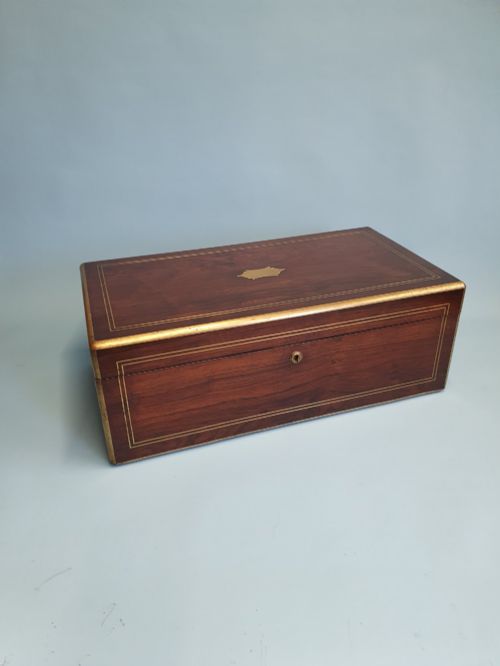


Fitted Desk Box
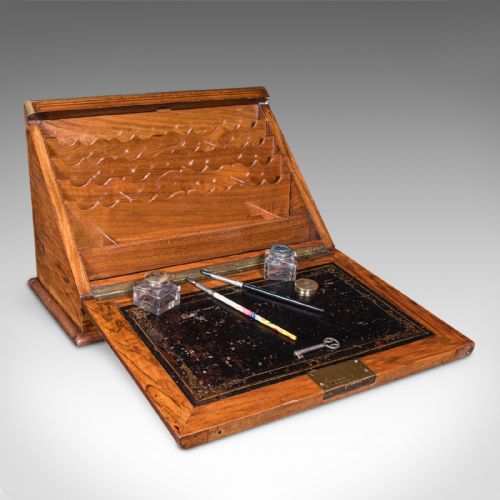
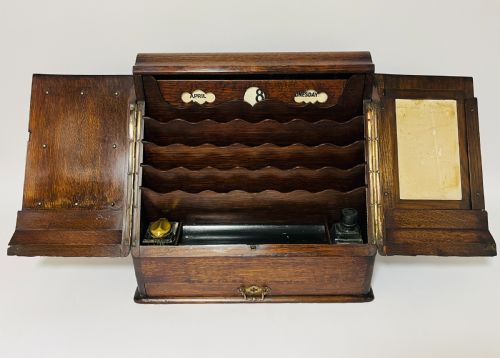
A fitted desk box brings order to correspondence, housing compartments for paper, ink and pens within a portable wooden chest.
Fitted Desk Box
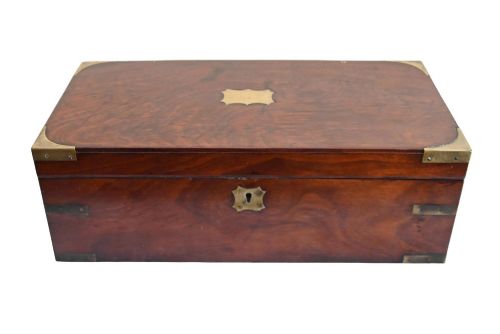
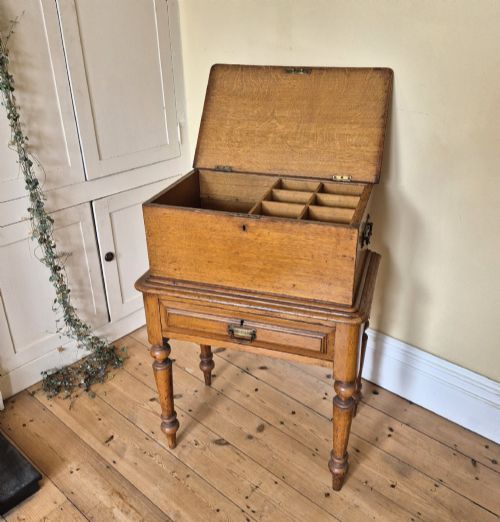
A fitted desk box encompasses writing slopes, lap desks, stationery cabinets and correspondence boxes designed for portable or desktop use. Most examples seen here date from the Georgian and Victorian periods, alongside Regency and early twentieth-century pieces.
The typical fitted desk box unfolds to reveal a sloping writing surface, pen trays and small lidded compartments for stamps and nibs. Many versions include concealed secret drawers or compartments accessed beneath the stationery slots.
Materials and construction
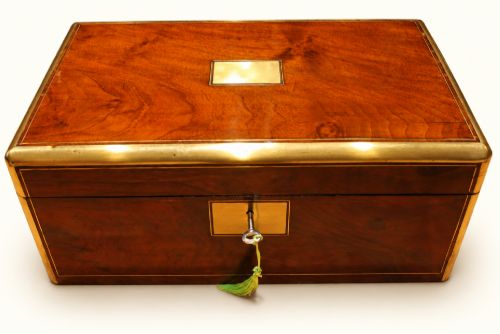
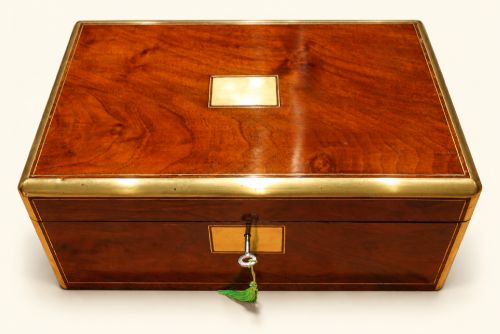
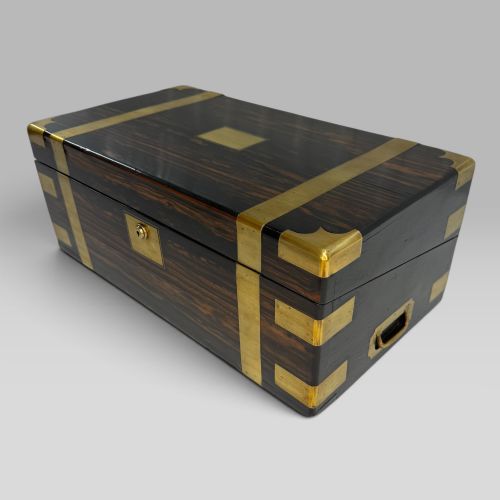
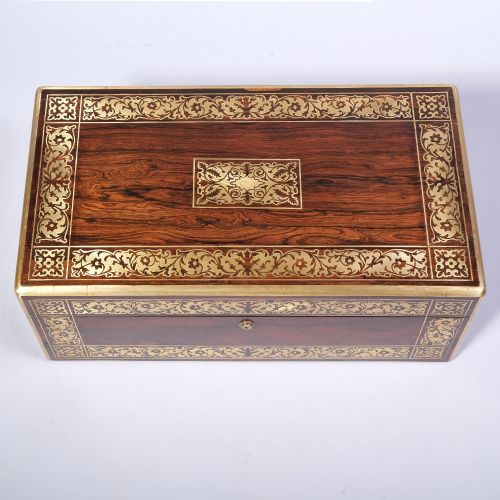
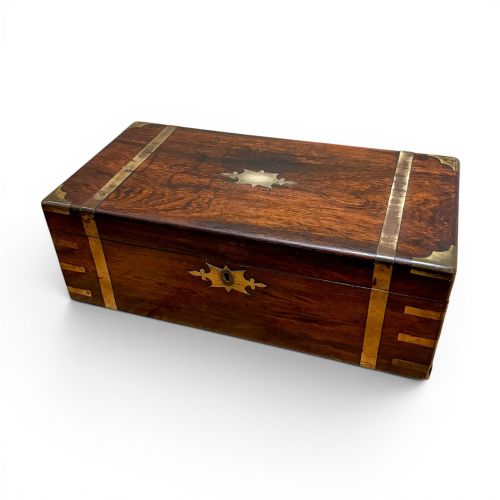
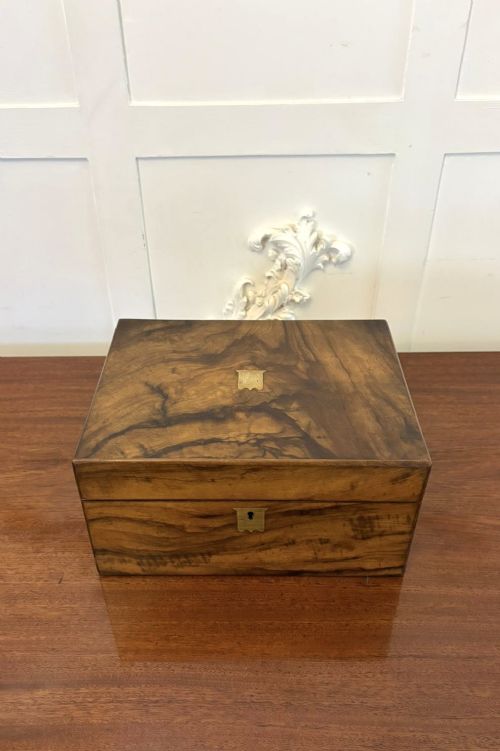
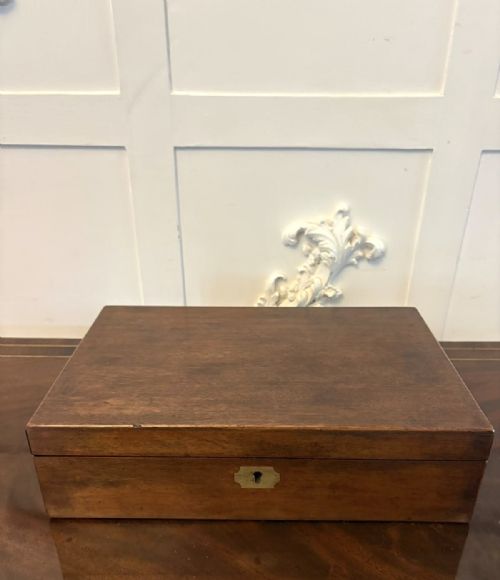
Cabinetmakers constructed the primary carcase of a fitted desk box from dense hardwoods such as mahogany, walnut, burr walnut, rosewood and oak, occasionally employing exotic veneers like coromandel or ebony. Structural durability demanded tight joinery to withstand travel and daily desktop handling.
Metalwork played a functional role in strengthening the corners and edges, using brass binding, flush handles and locking escutcheons. Internal fittings combined turned wooden pen rests, glass inkwells and leather-lined writing surfaces.
Fitted Desk Box Retail Price Guide 2026
Typical asking prices for fitted desk box among the pieces listed under this phrase on Sellingantiques today, from the lower quarter to the upper quarter. They describe what is for sale here now, not the wider market.
Periods represented span from the 18th century through the Georgian, Regency, Victorian and Edwardian eras up to the 1920s.
Quality differences
Superior quality in a fitted desk box shows in the selection of timber figures, such as matched burr walnut or figured mahogany veneers, and precise brass inlay. The complexity of the internal arrangement also distinguishes finer pieces, particularly those featuring secret compartments and Bramah locks.
Hand-cut dovetail joints, well-fitted secondary timbers and original hardware elevate an example above standard production models. The integration of specialised components, such as campaign candle sconces or specialised stationery divisions, indicates higher craftsmanship.
Hermes, Paris
The Fitted Desk Box Glossary
- Writing slope
- A portable box with a hinged, slanted lid that folds down to provide a writing surface. It typically houses inkwells and storage space underneath.
- Bramah lock
- A high-security tubular lock patented by Joseph Bramah in the eighteenth century, commonly found on superior quality boxes. These mechanisms require a cylindrical key.
- Campaign style
- Furniture designed for military officers on the move, featuring recessed brass handles, reinforced corners and collapsible elements. These pieces prioritized durability and portability.
- Escutcheon
- A flat plate surrounding a keyhole, usually made of brass, designed to protect the surrounding wood from wear.
Fitted Desk Box: Frequently Asked Questions
What is a fitted desk box?
A fitted desk box is a portable wooden container designed to hold writing materials, correspondence and small desk accessories. These pieces range from simple stationery cabinets to folding writing slopes with internal compartments.
Interior fittings typically include slots for letters, wells for glass inkpots and hidden compartments for valuables.
How were writing slopes used?
A writing slope provided a portable desktop surface for letter writing before the widespread use of fitted study furniture. Users could carry their stationery, ink and paper between rooms or during travel.
The angled lid offered a comfortable plane for handwriting, while locking mechanisms kept private documents secure.
What woods were used for boxes?
Cabinetmakers utilised dense hardwoods capable of enduring travel and daily handling. Common choices include mahogany, walnut, rosewood and oak, often selected for strong grain patterns.
More decorative examples featured burr walnut, coromandel or parquetry inlay, sometimes enhanced with brass banding and mother-of-pearl details.
How do I spot secret compartments?
Secret compartments in a fitted desk box usually conceal themselves behind removable panels, false drawer bottoms or sliding partitions. Users often access them by lifting specific interior dividers or removing the pen tray.
These hidden spaces were designed to safeguard private letters, currency or small valuables.