

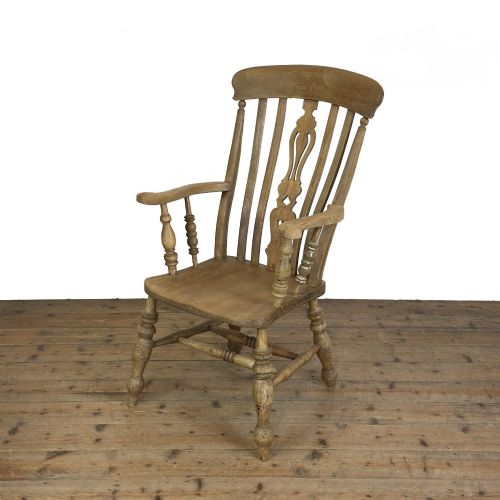
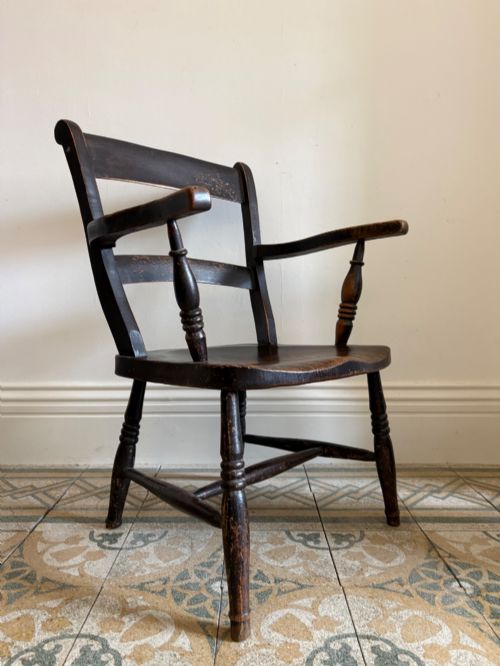
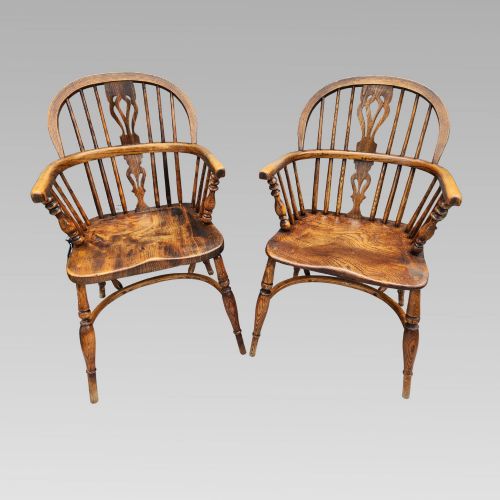
Fireside Windsor Armchair
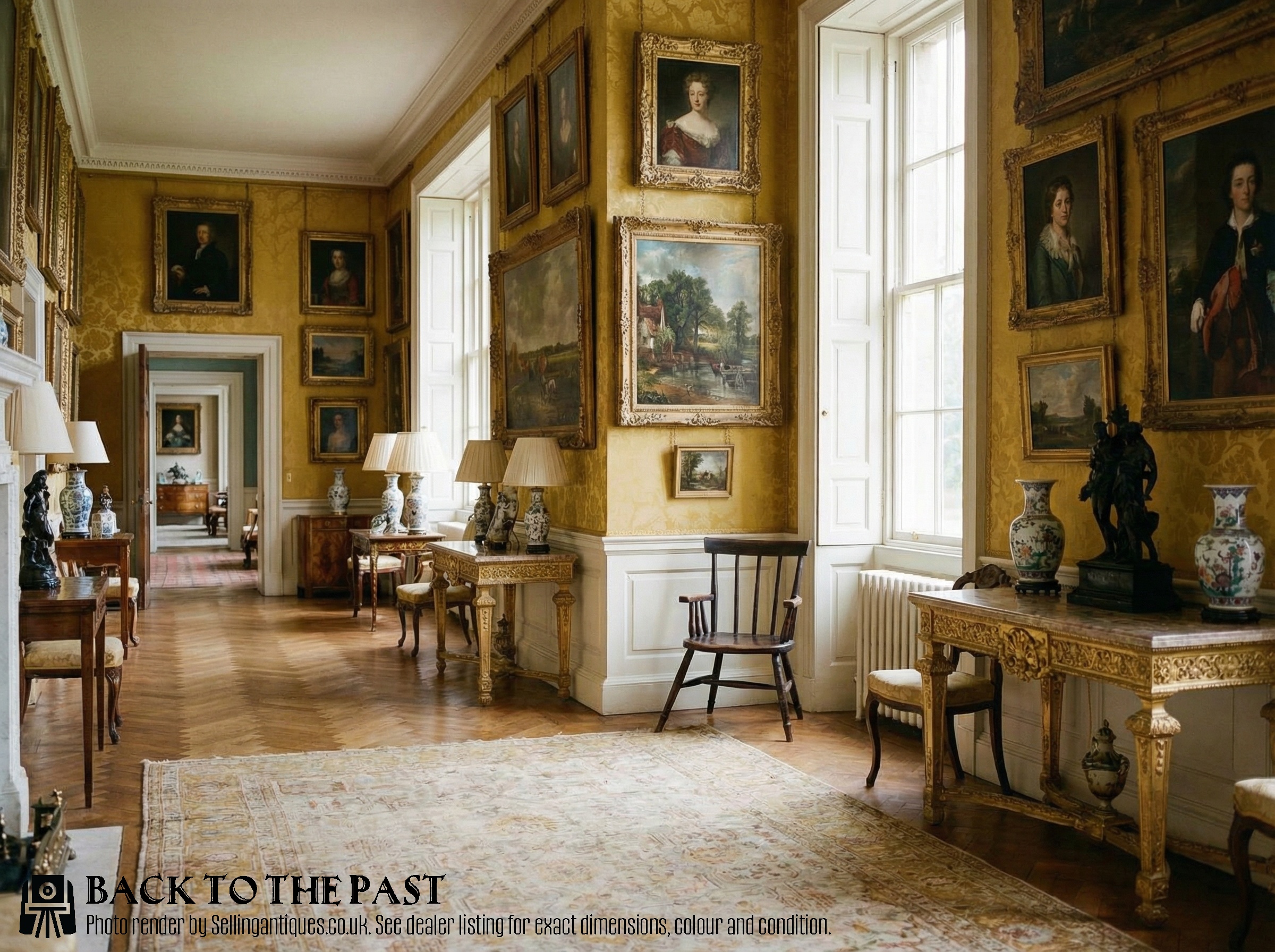
A fireside windsor armchair brings tactile warmth to a room through traditional English country craftsmanship and timeworn timber.
Fireside Windsor Armchair
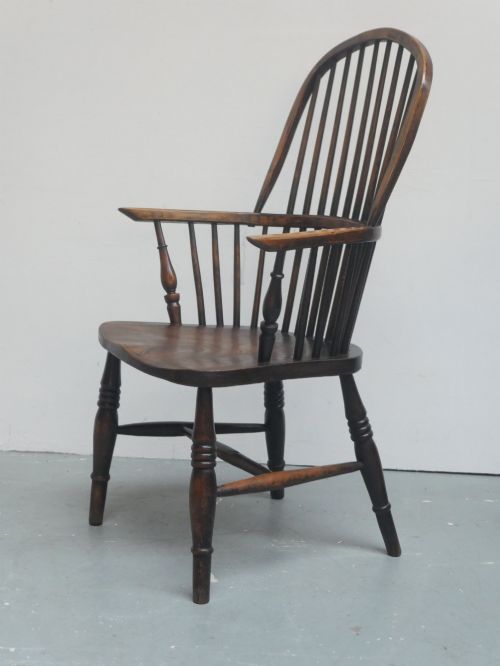
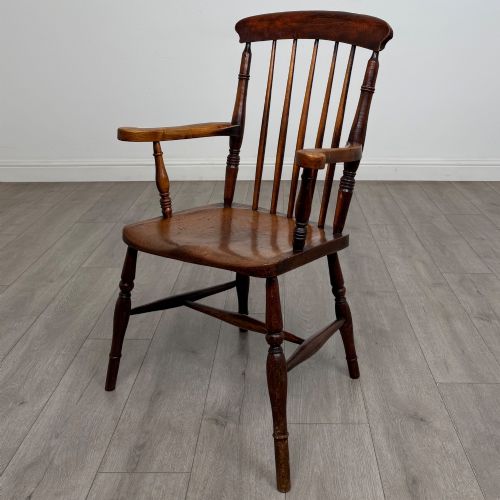
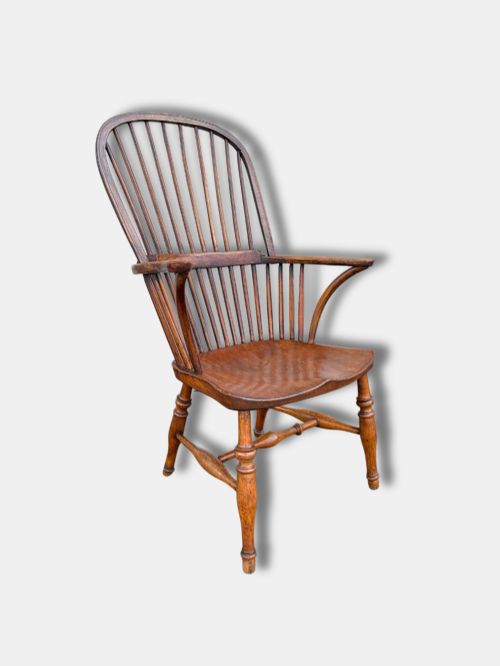
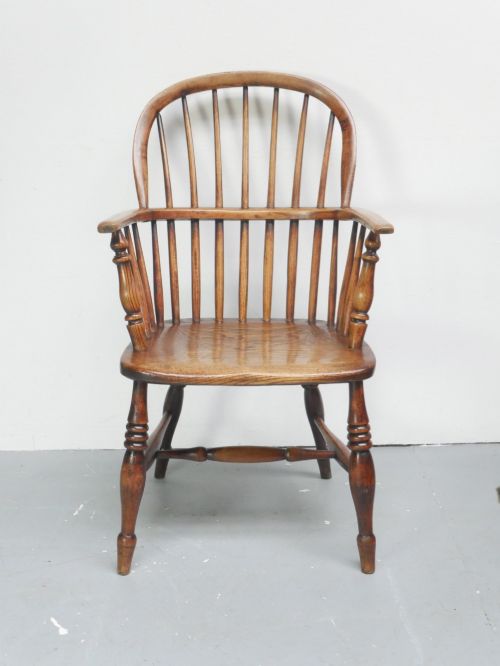
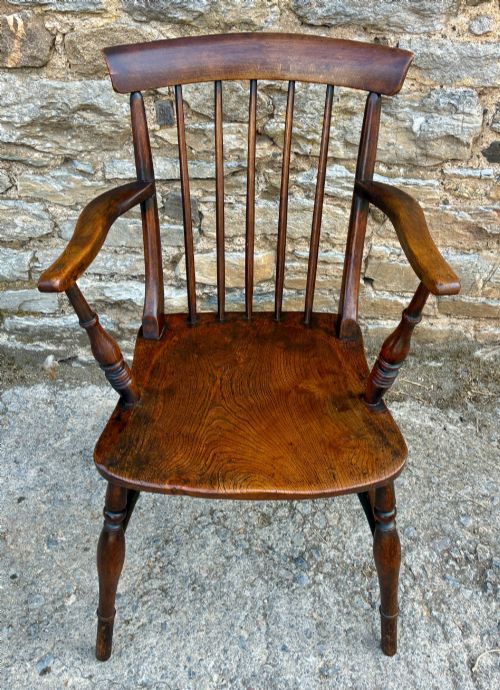
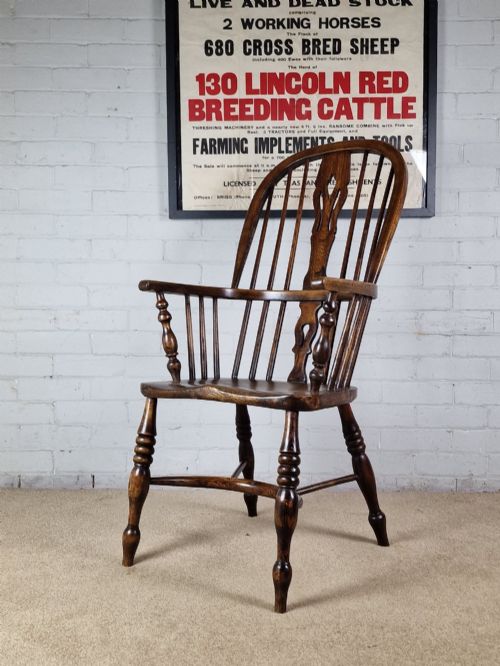
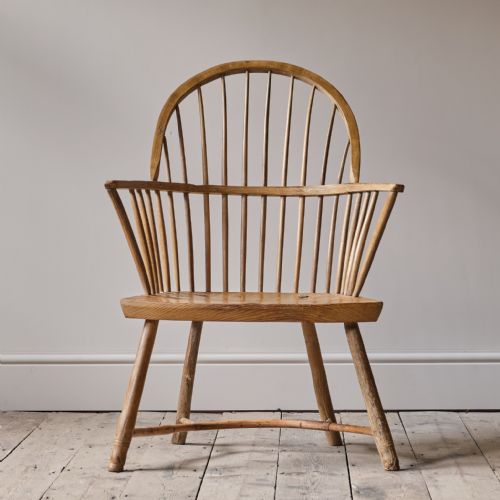
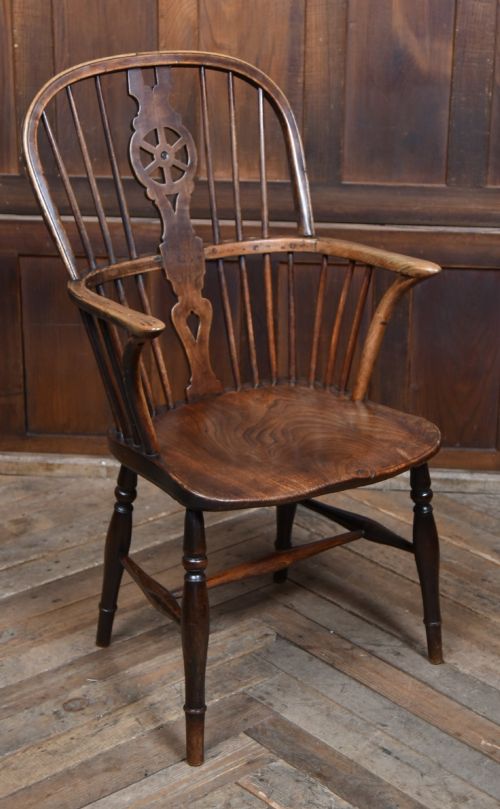
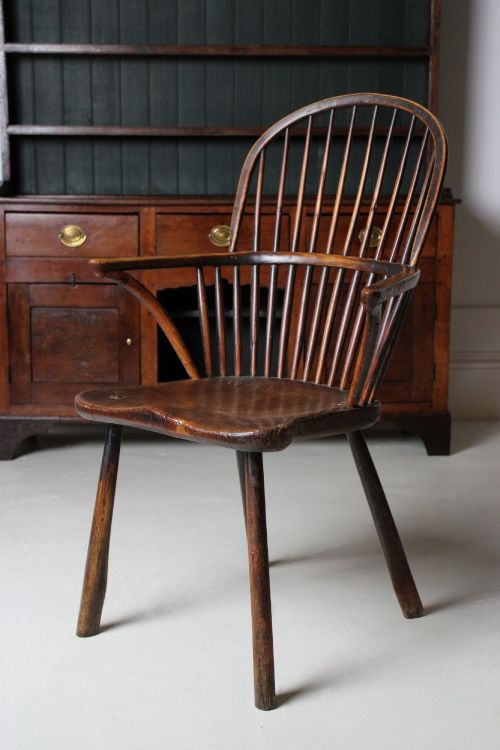
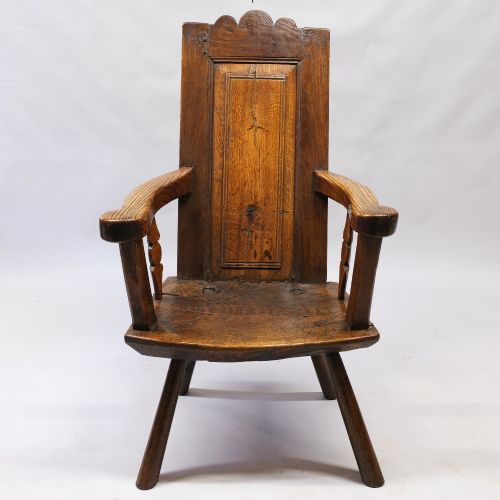
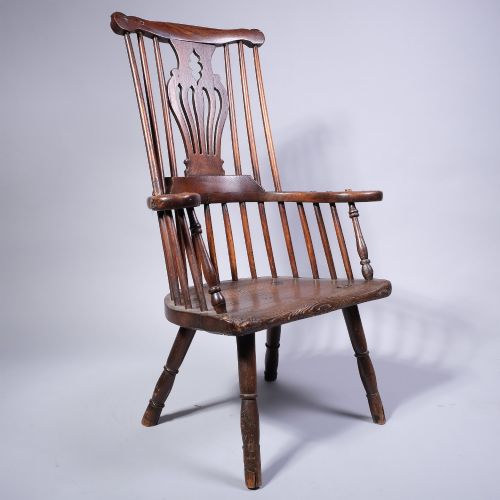
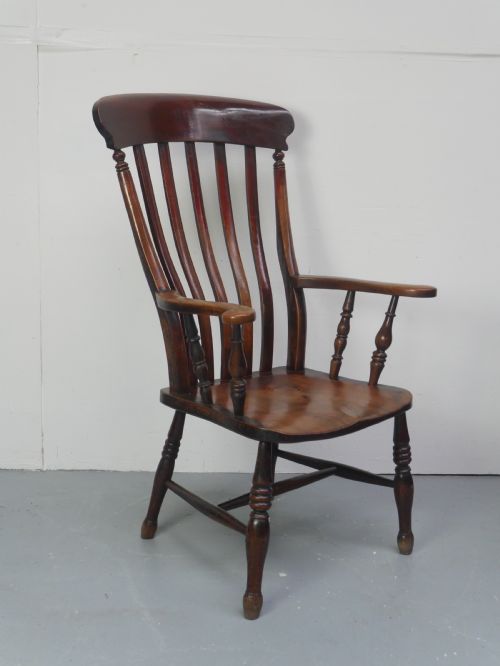
A fireside windsor armchair is a robust wooden seat designed for domestic comfort, featuring a distinct framework where the legs and back are wedged directly into a solid sculpted seat. The evidence shows these pieces spanning the eighteenth and nineteenth centuries, taking forms such as stick back, hoop back, comb back, panel backed, and wheel-back variants.
Buyers will most frequently meet nineteenth-century Victorian examples alongside earlier eighteenth-century vernacular pieces. These chairs serve as both functional seating and historical domestic objects, often originating from regional traditions including the Thames Valley or Lincolnshire.
The category encompasses standard armchairs as well as rocking chairs and broad arm variants. They bridge the gap between utilitarian farmhouse seating and refined country house furniture.
How They Were Made
Construction relies heavily on timber combinations, typically pairing a solid shaped elm seat with turned ash, beech, fruitwood, or yew for the spindles, legs, and bow. Elm provides a tough, splitting-resistant surface for the saddle seat, while flexible ash and straight-grained beech suit the steam-bent hoops and delicate turned spindles.
Makers utilised traditional joinery methods, boring holes through the thick seat plank and securing the legs and back uprights with wedges. Surfaces were often left natural, though some examples feature ebonised finishes or historical paint layers.
Listings feature elm seats paired with ash, beech, and yew, spanning the eighteenth and nineteenth centuries.
What Varies in Quality
Quality rests primarily on the grace of the timber selection and the purity of the lines. Yew wood and figured elm command higher regard due to their rich grain patterns and relative scarcity in country furniture production.
The comfort and proportion of the comb or hoop back, combined with the depth of the saddle-shaped seat, dictate the refinement of the piece. Crisp turning on the legs and arm supports, alongside minimal structural alteration, separates standard utilitarian examples from finer vernacular work.
Fred Walker
The Fireside Windsor Armchair Glossary
- Windsor Chair
- A wooden armchair constructed with a thick saddle seat into which the undercarriage legs and back spindles are independently tenoned. This method creates a sturdy, skeletal frame characteristic of traditional English country furniture.
- Comb Back
- A Windsor chair design where the top rail resembles the spine of a traditional hair comb, often featuring an extension of the central vertical spindles. This style provides additional head and neck support.
- Hoop Back
- A single continuous piece of steam-bent wood forming the arm rail and back bow of the chair. It offers a smooth, flowing contour typical of many nineteenth-century examples.
- Saddle Seat
- A thick plank of timber, most commonly elm, sculpted into a concave depression for ergonomic seating. The shaping provides comfort while accommodating the natural movement of the wood.
- Vernacular
- An architectural and craft term describing items built by local tradespeople following regional traditions rather than strict academic pattern books. These pieces reflect the immediate materials and practical needs of their locality.
Fireside Windsor Armchair: Frequently Asked Questions
How do I date an old windsor chair?
Dating relies on observing construction traits, timber choices, and tool marks on the underside of the seat. Earlier eighteenth-century pieces often display broader proportions and simpler regional turnings compared to later Victorian iterations.
Changes in back styles, such as the evolution from low stick backs to high comb or wheel-backs, also help establish the likely period of manufacture.
What woods were used to build them?
Maker traditions dictated a mixed-timber approach to utilise the specific properties of each tree. Elm was the primary choice for the solid saddle seat because its interlocking grain prevented splitting.
Ash, beech, fruitwood, and yew were selected for the legs, spindles, and bentwood bows due to their strength and flexibility when steamed.
Where were these chairs originally made?
Production took place across various rural English counties and regional workshops rather than centralized factories. Specific areas like the Thames Valley developed distinct regional characteristics in their spindle arrangements and arm designs.
Local bodgers and country cabinetmakers supplied these pieces directly to farmhouses, cottages, and country houses.
Can I use a windsor armchair daily?
These chairs were built for enduring domestic utility and handle everyday sitting well. Their solid construction and pegged joints ensure long-term structural stability in modern living spaces.
Placing them away from direct heat sources helps preserve the historic timber and prevents excessive drying of the elm seats.