


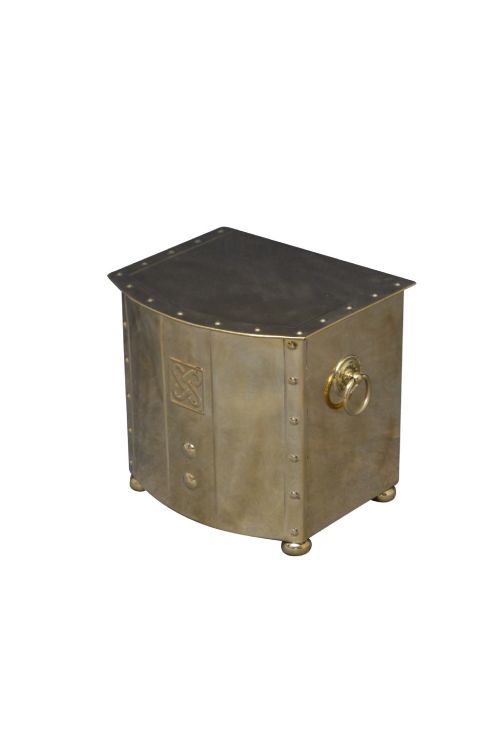

Fireside Log Storage
Fireside log storage brings together practical fuel containers and period metalwork, offering robust timber boxes and polished metal bins designed to keep hearths tidy.
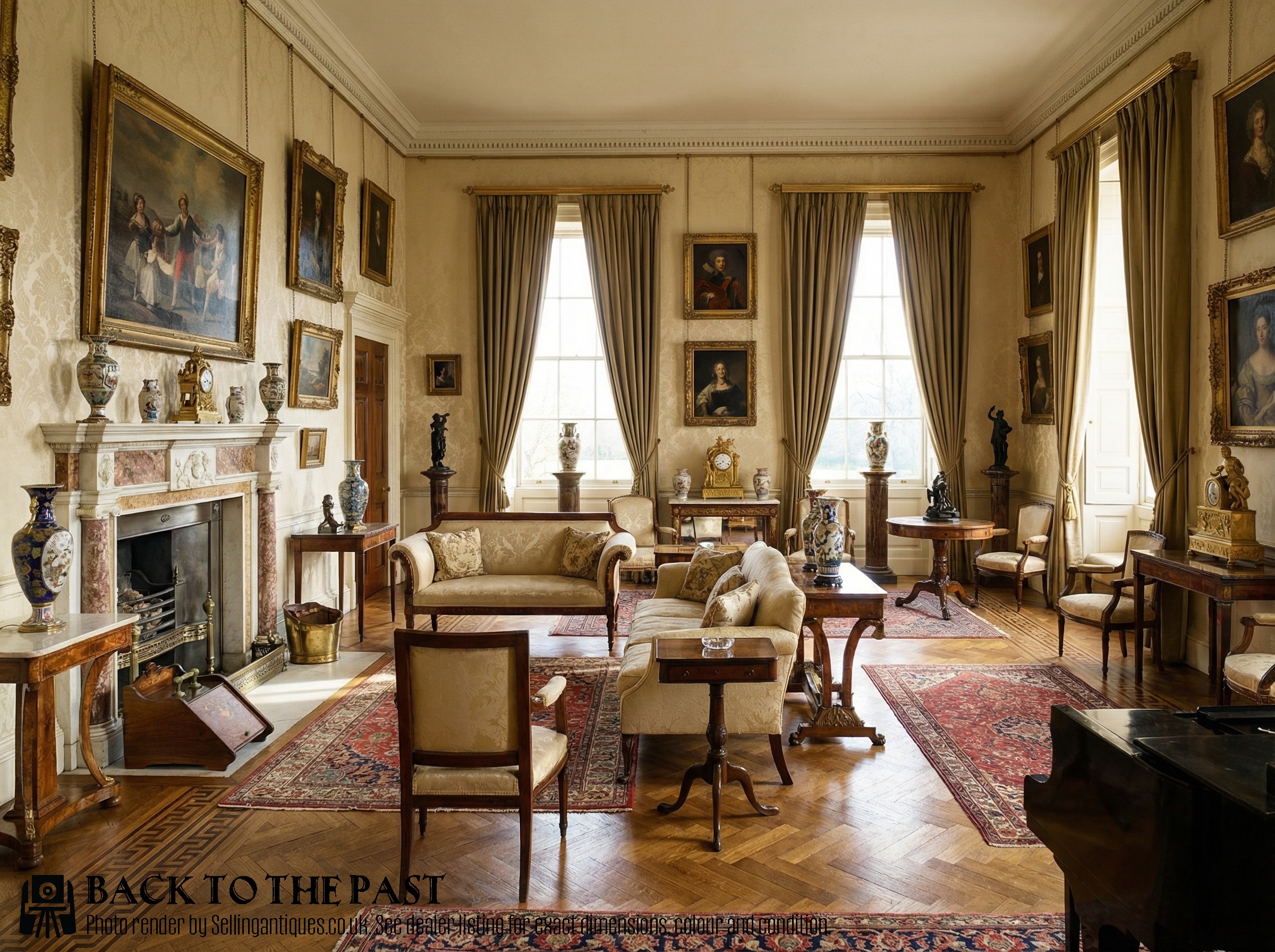
Fireside Log Storage
When you search for fireside log storage, you encounter a variety of practical vessels built to house fuel beside the hearth. These range from heavy timber boxes to polished metal bins designed for logs and kindling.
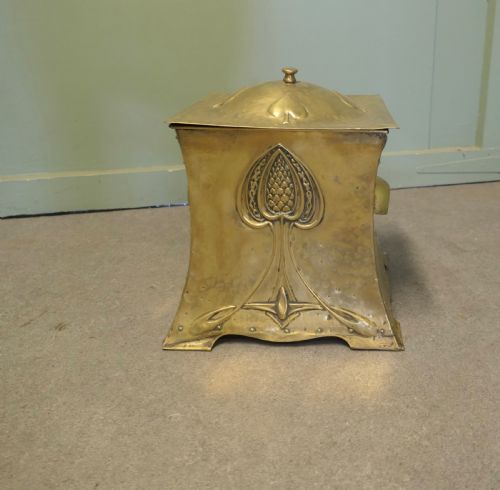
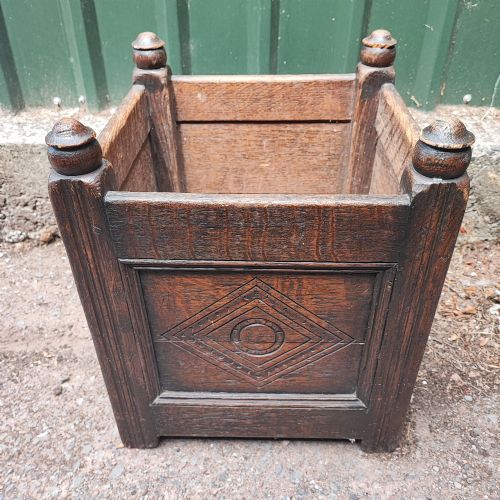
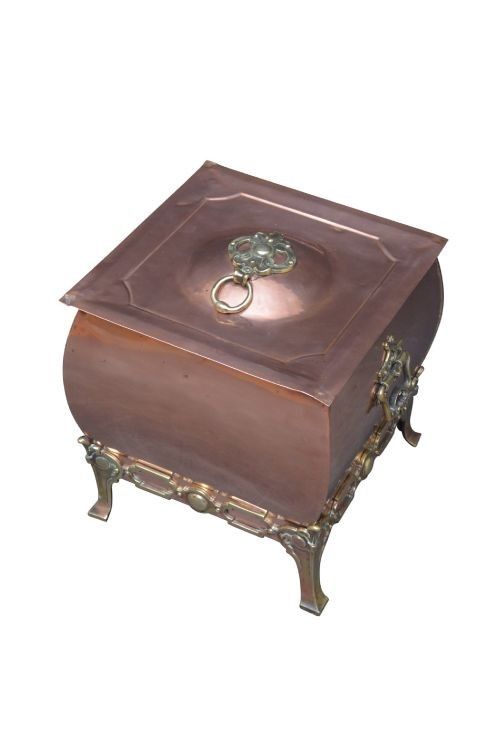
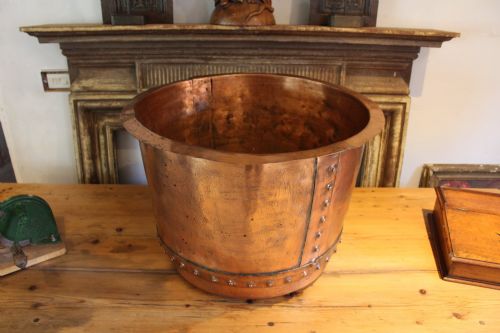
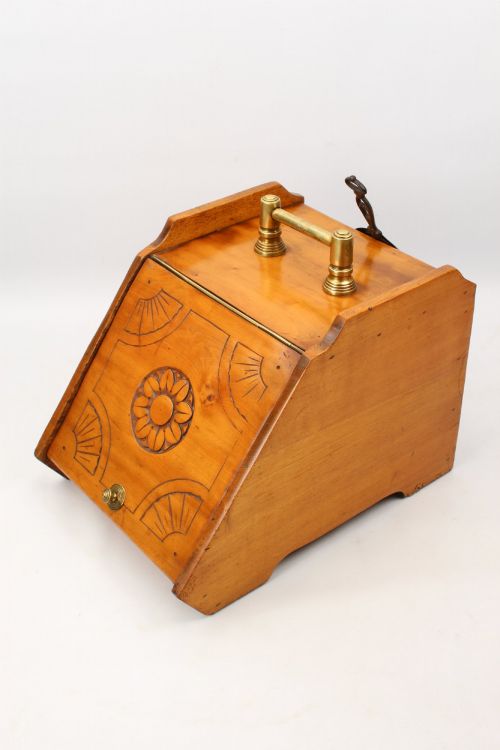
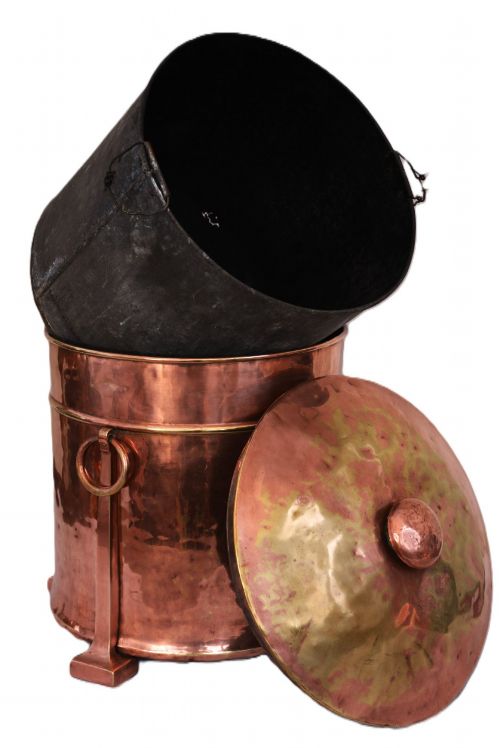
The pieces on this page are predominantly Victorian and Edwardian items, alongside occasional Georgian and early twentieth-century examples. Common forms include coal scuttles, purdoniums, copper bins, and oak log boxes shaped for domestic hearths.
Originating largely from English workshops, these items also encompass Scandinavian pine baskets and French boxes. Buyers find functional containers that doubled as decorative focal points in period drawing rooms and parlours.
How they were made
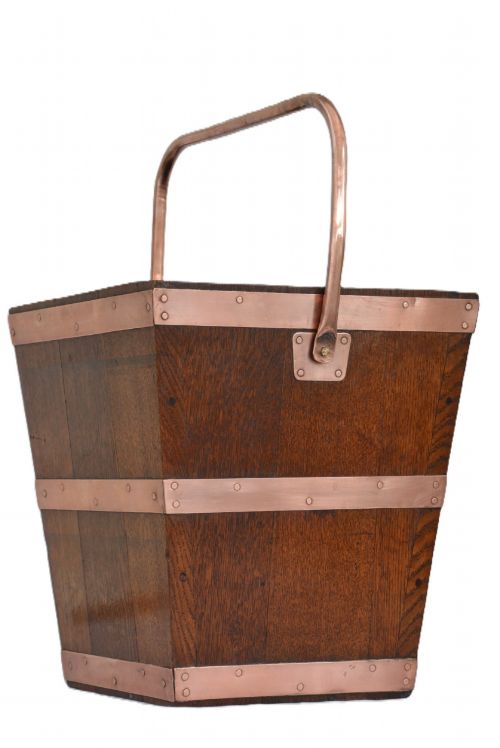
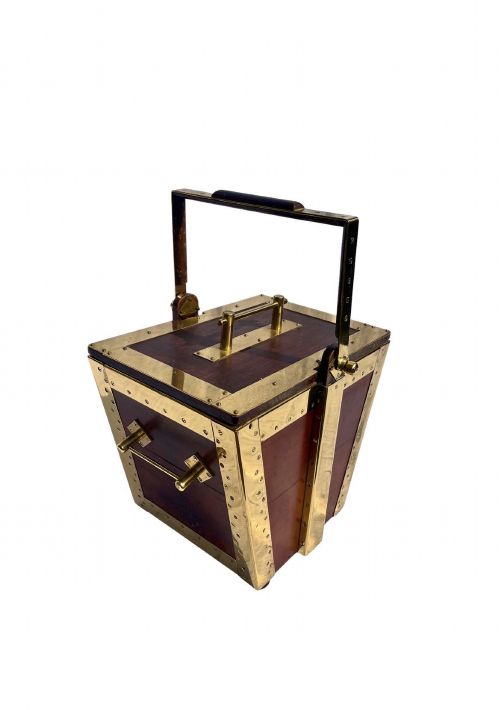
Craftsmen built these containers using a mix of durable hardwoods like oak, walnut, and mahogany alongside resilient metals such as brass, copper, and iron. Timber boxes often utilised traditional joinery and coopered staves held together by metal bands.
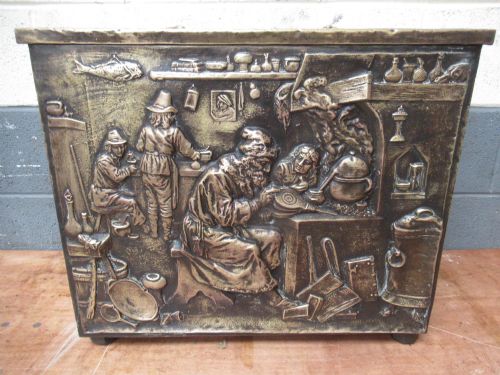
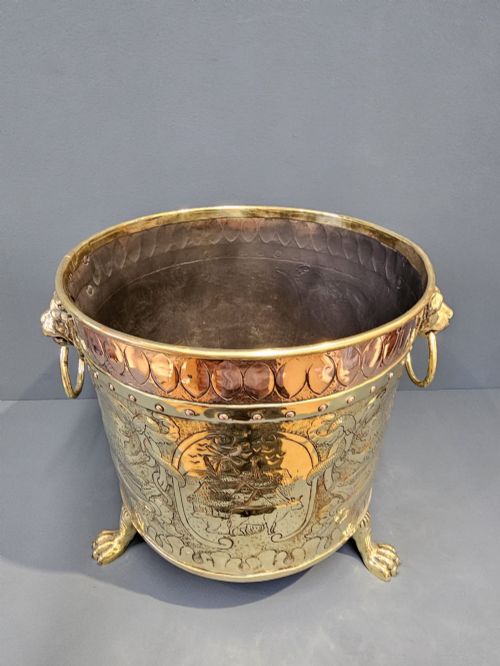
Metal vessels display techniques like hand-hammering, embossing, and riveting. Blacksmiths shaped wrought iron frames and handles, while cabinetmakers fitted brass hinges, mounts, and ceramic liners into wooden purdoniums.
Listings feature items spanning the Victorian era through the early twentieth century, constructed from oak, walnut, copper, and brass.
What varies in quality
Quality rests in the weight and gauge of the metals used, alongside the selection of timber. Thick, heavy copper and solid oak or walnut indicate sturdier construction than thin sheet brass and lighter pine.
Attention to detail separates standard items from superior pieces. Hand-embossed decoration, robust iron framing, and original brass fittings demonstrate superior craftsmanship during manufacture.
The Fireside Log Storage Glossary
- Purdonium
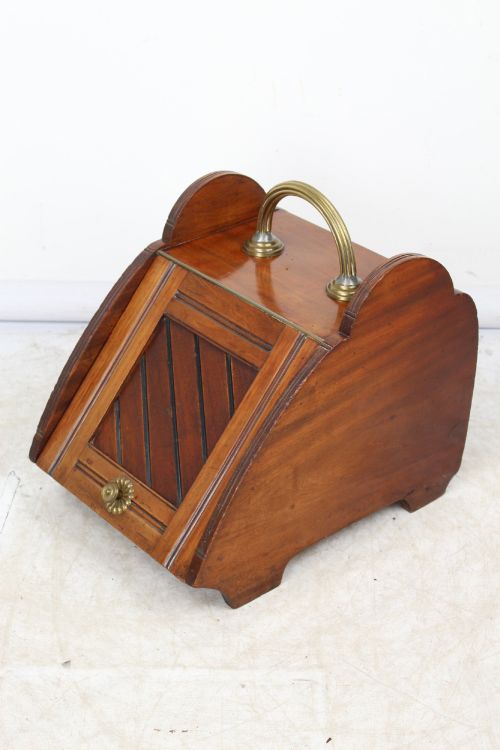
- A specialised cabinet or box designed to hold coal or logs, often featuring a sloping front and a hinged lid.
- Coal Scuttle
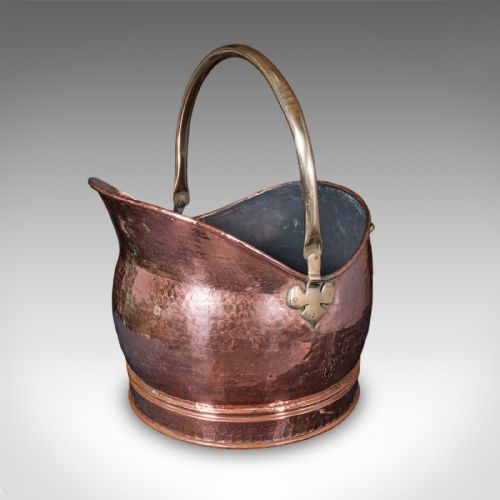
- A metal or wooden bucket fitted with a handle and sometimes a shovel, used for carrying fuel to the fire.
- Coopered
- A method of construction where vertical wooden staves are joined tightly together with metal bands, much like a barrel.
- Embossed
- A technique where designs are hammered or pressed into the surface of sheet metal to create raised patterns.
- Arts and Crafts
- A design movement emphasising handcraftsmanship, simple forms, and visible honest construction, often seen in hammered copper.
Fireside Log Storage: Frequently Asked Questions
What is a coal purdonium?
A purdonium is a dedicated fireside cabinet or box designed to store fuel neatly near the hearth. They often include an internal metal liner to contain dust and debris.
Victorian homes used these pieces to keep coal or logs close at hand while maintaining a tidy parlour appearance. Their hinged lids and drop fronts distinguish them from open buckets.
How do I care for antique brass and copper?
Metal bins benefit from gentle dusting and occasional cleaning with appropriate metal polishes, depending on the desired finish. Many collectors prefer to retain a natural, aged patina rather than achieving a bright shine.
Avoid harsh abrasive cleaners that can remove historical surface texture. Regular soft cloth wiping protects the metal from moisture damage near active fireplaces.
Are these pieces suitable for modern logs?
Most antique log bins and boxes comfortably accommodate standard modern firewood lengths and kindling. Their original purpose for solid fuel ensures they easily handle the weight of wood.
Checking internal dimensions helps match the container to your hearth capacity. Lined metal bins also protect surrounding floors from bark and dirt.
How can I tell the period of a log box?
Dating relies on observing construction methods, timber choices, and decorative styles. Victorian and Edwardian pieces frequently feature brass mounts, walnut or oak timber, and specific decorative motifs.
Stylistic cues such as Arts and Crafts hammered copper or Aesthetic movement decoration provide clear chronological markers. Fasteners like hand-cut screws or machine-made fixings also offer clues to the decade of manufacture.