
Fireside Log Bucket
A fireside log bucket brings purposeful metal and timber to the hearth, offering sturdy storage for winter fuel.
Identifying a fireside log bucket
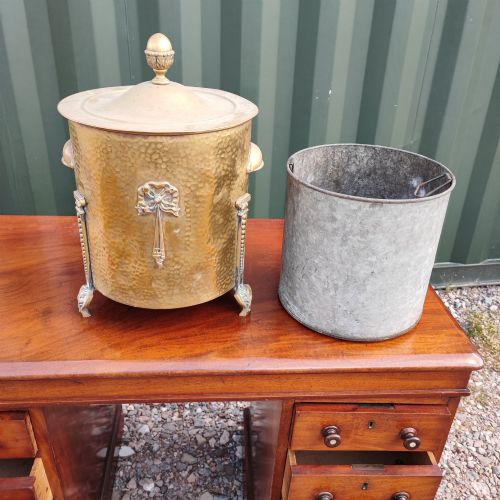
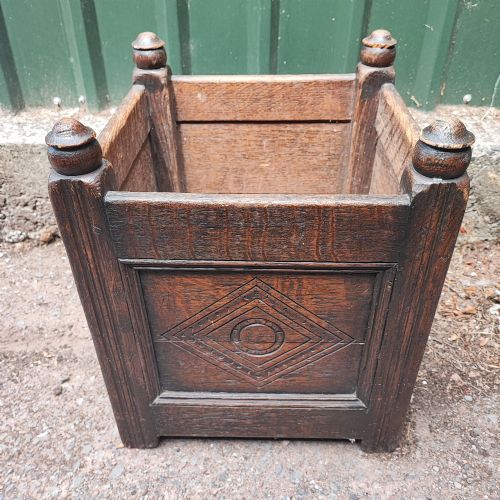
A fireside log bucket serves as a robust container for hearth fuel, keeping kindling and timber contained beside the fire. These functional vessels appear in copper, brass, oak, and steel across Georgian, Victorian, and Edwardian periods.
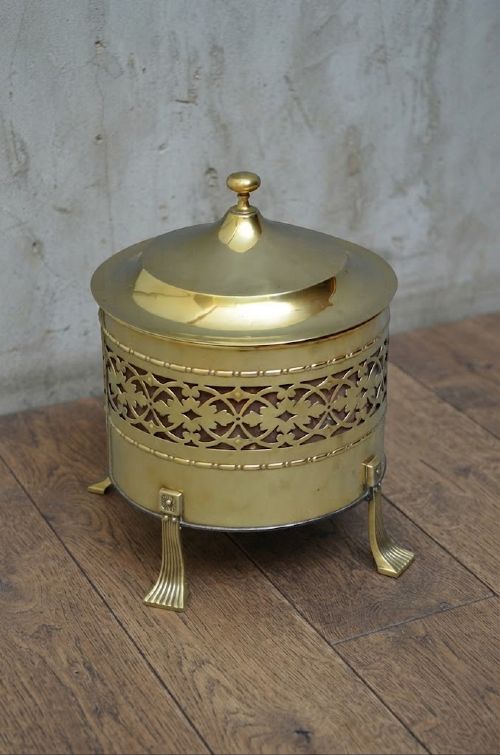
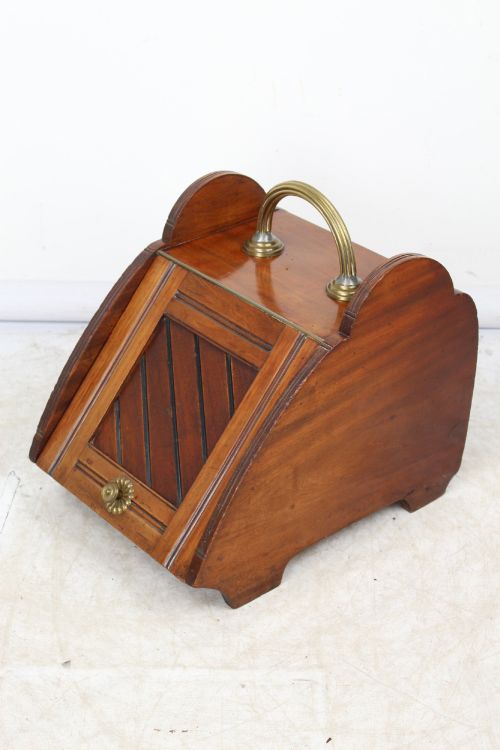
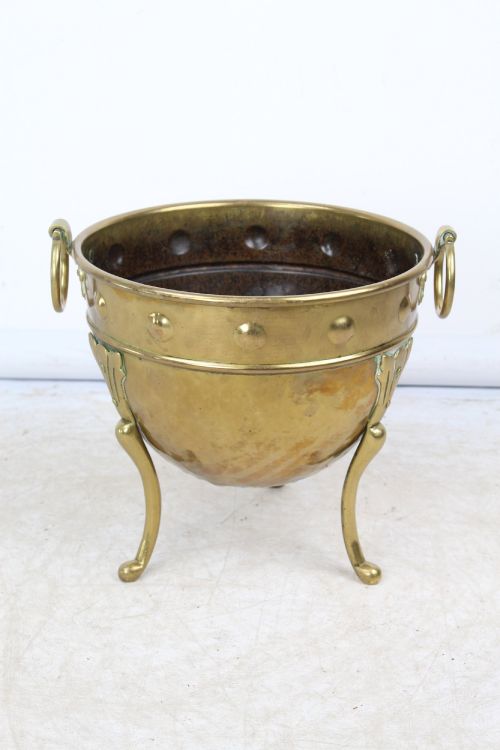
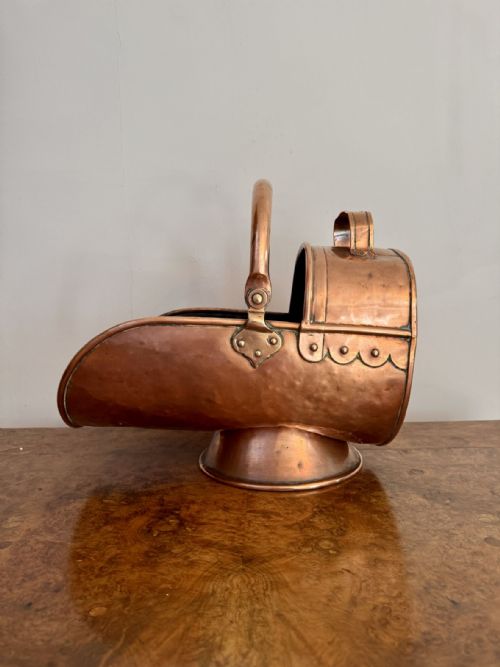
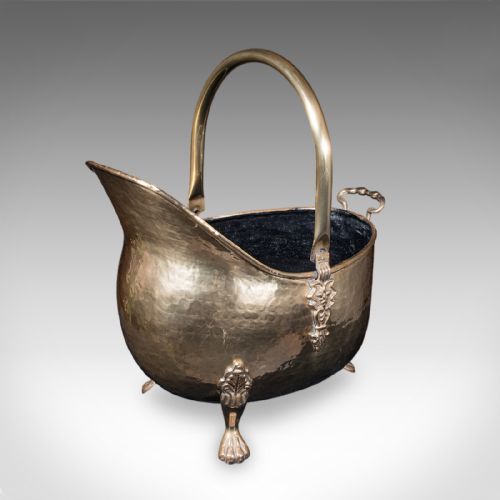
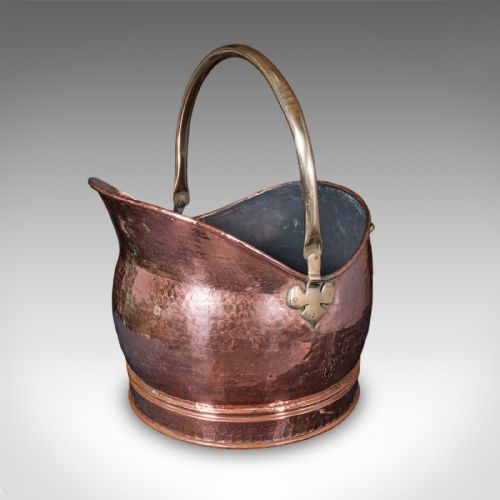
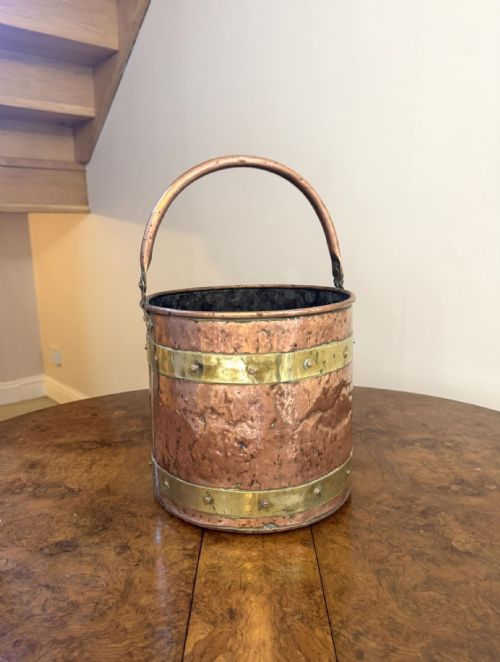
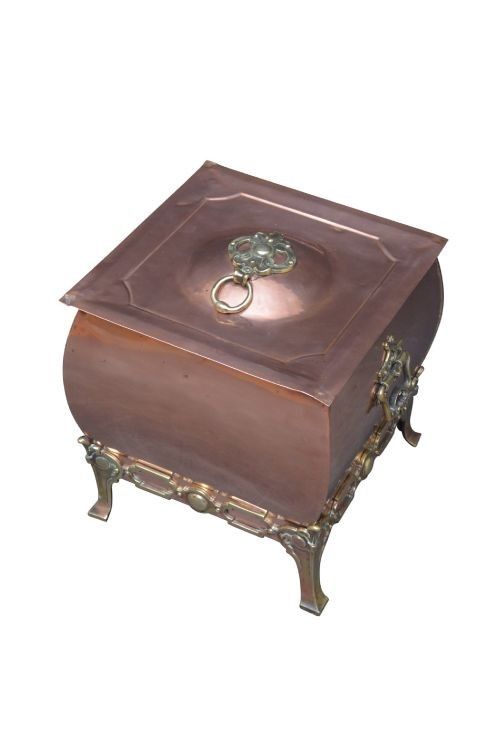
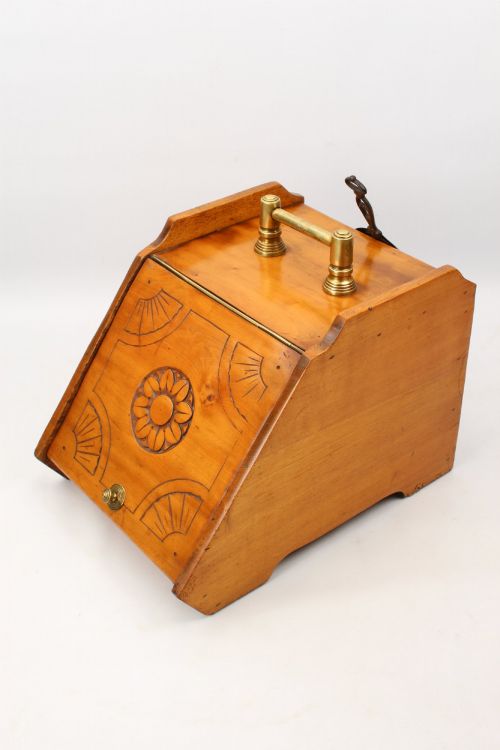
The buyer meets deep cylindrical bins, bucket forms with swing handles, and helmet-shaped scuttles designed for pouring. Early examples often utilise timber staves bound with brass, whilst later Victorian and Edwardian iterations rely entirely on heavy-gauge sheet metal.
Rustic farmhouse variants and decorative Arts and Crafts pieces sit alongside industrial bins and classical Georgian peat buckets. The form shifts from simple wooden storage to polished display pieces intended to catch the firelight.
Materials and construction methods
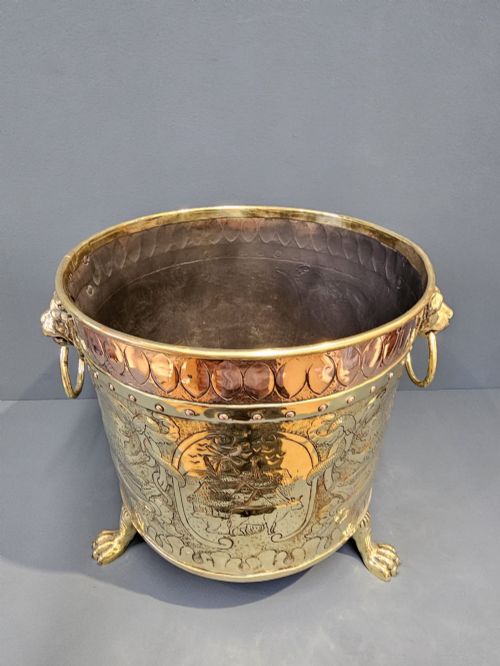
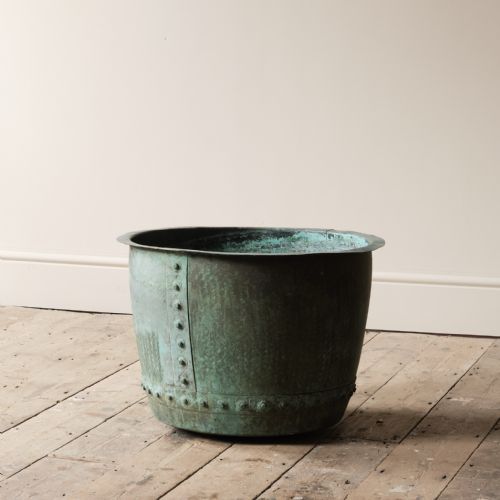
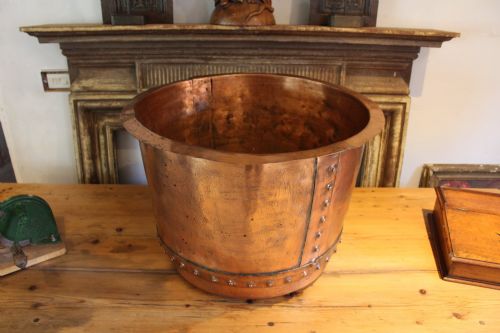
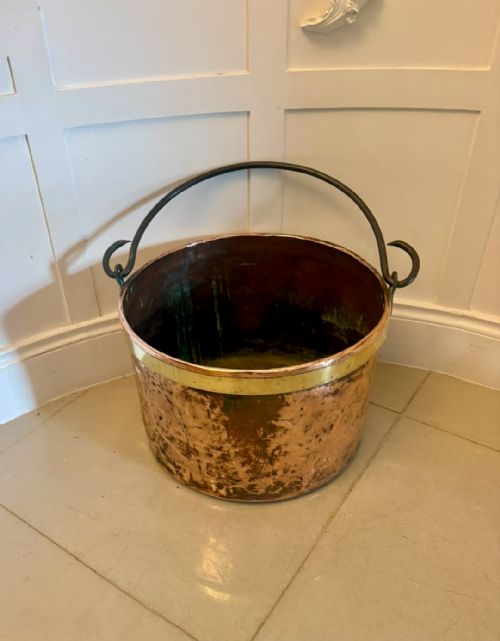
Metal vessels combine hammered or spun copper and brass body panels joined with visible seams, frequently secured by heavy rivets along the side and base. Makers attached sturdy swing handles or lion-mask ring handles using robust mounting brackets riveted directly to the shell.
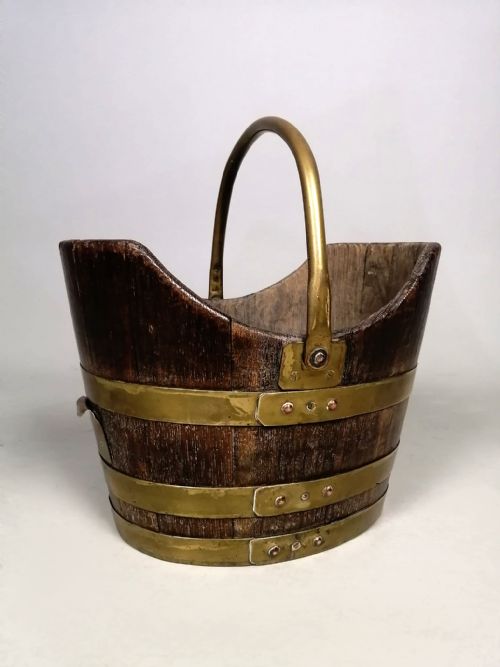
Wooden bins utilise coopered oak staves tightened with brass bands or hoops, echoing traditional dairy and water vessel construction. Steel appears in later twentieth-century forms, offering a harder industrial edge compared to the warmer tones of red copper and yellow brass.
Retail Price Guide 2026
Typical UK retail prices for fireside log bucket, calculated from the Sellingantiques database of over a million retail prices indexed since 2003. This retail price guide relies exclusively on Sellingantiques data; no external sources or auction records are used, so the figures do not describe the wider market.
Recorded pieces span the Georgian, Victorian, and Edwardian eras, utilising oak, copper, brass, and steel.
Judging the standard of manufacture
Superior vessels display substantial metal thickness that resists denting under heavy timber loads, whereas lesser pieces utilise thin sheet metal that flexes easily. The integrity of the riveted joints and the seating of the base dictate structural longevity.
Refinement shows in the hand-beating of the metal surface, clean dovetailing or stave-work in wooden bins, and the crisp casting of brass handles and paw feet. Original surface patination without aggressive chemical stripping separates honest examples from over-polished items.
The Fireside Log Bucket Glossary
- Coopering
- The traditional method of joining shaped wooden staves with metal bands to form a watertight or sturdy cylindrical vessel.
- Coal helmet
- A metal fireside scuttle featuring a flared, sloping mouth designed for pouring fuel cleanly into a grate.
- Peat bucket
- A deep cylindrical container historically used for storing turf fuel, often featuring timber construction with brass bindings.
- Patina
- The surface sheen and colour acquired through age, handling, and regular polishing of metal and wood over generations.
- Repousse
- A metalworking technique where the design is hammered into relief from the reverse side to create decorative surface patterns.
Frequently Asked Questions
What is a fireside log bucket used for?
These vessels provide practical storage for firewood, logs, and kindling directly beside an open hearth or wood-burning stove.
They keep hearth debris contained whilst ensuring a ready supply of dry fuel remains close at hand for stoking the fire.
How do copper and brass buckets differ?
Copper offers a deep reddish-brown metallic tone that darkens richly with age, whilst brass provides a bright golden-yellow appearance.
Many period pieces combine both metals, utilising a copper body contrasted with polished brass rims, handles, and paw feet.
Are wooden log bins authentic antiques?
Coopered oak bins bound with brass hoops date back to the Georgian period and continued through the nineteenth century.
These timber pieces combine the structural techniques of traditional dairy vessels with robust hardware designed for daily hearth use.
How do I care for antique metal buckets?
Regular dusting and gentle cleaning preserve the historic surface patination without stripping the character accumulated over decades.
Abrasive metal polishes should be avoided on pieces with valued aged surfaces, whilst interiors benefit from being kept dry to prevent corrosion.