






Fireplace Log Holder Bucket
A fireplace log holder bucket keeps fuel orderly beside the hearth while adding substantial metal or wooden texture to the room.
Fireplace Log Holder Bucket
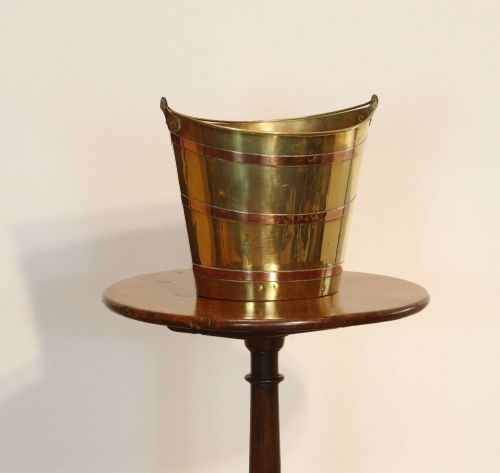
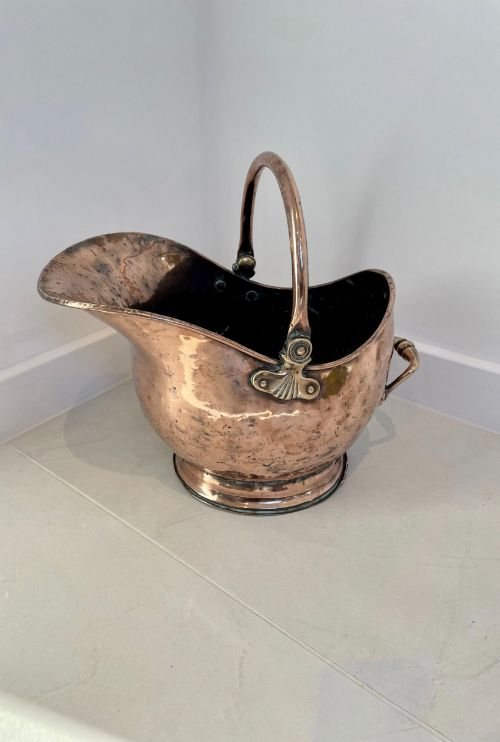
A fireplace log holder bucket serves the practical purpose of storing logs, peat, or coal close to the fire. The pieces seen on this page span several centuries, reaching back to the Georgian and Victorian eras.
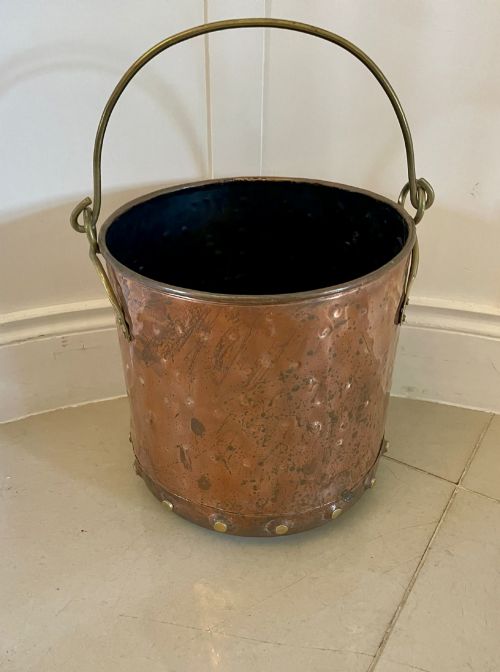
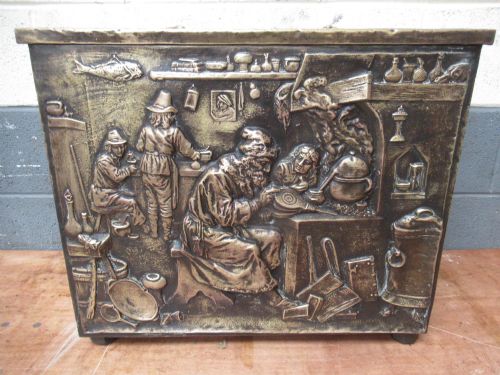
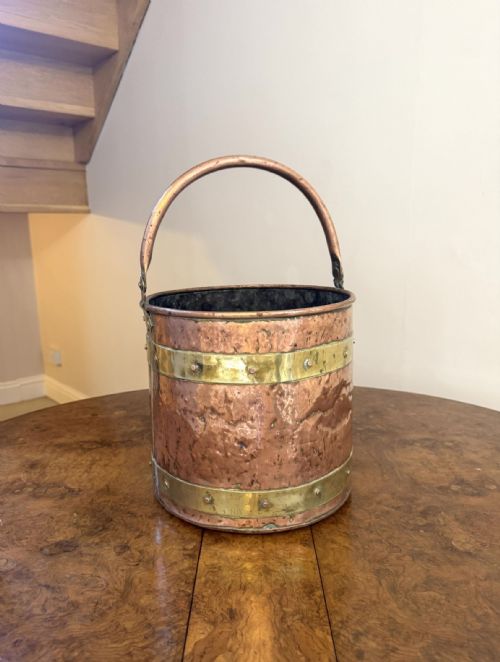
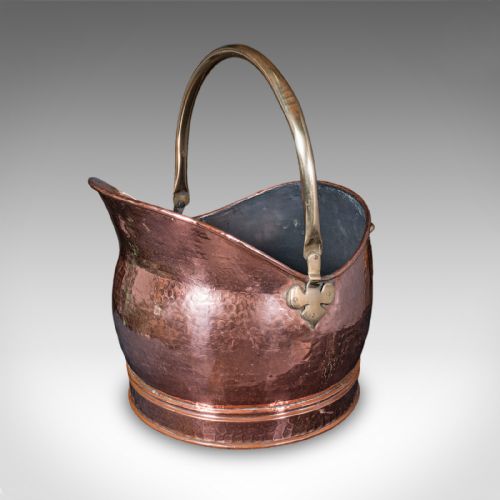
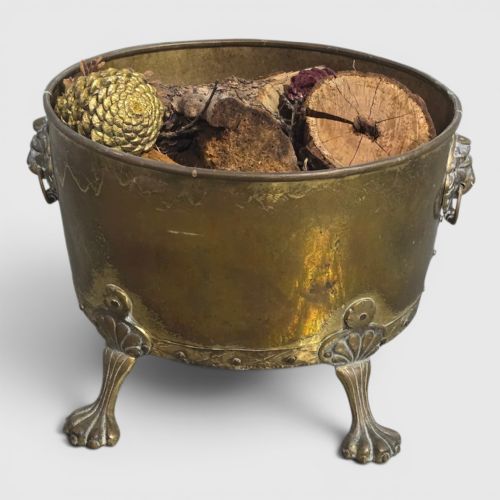
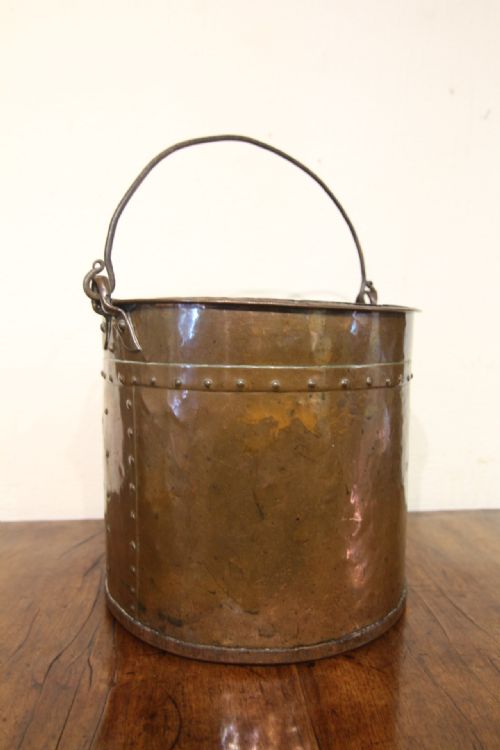
Buyers frequently encounter helmet-shaped coal scuttles, cylindrical log bins, and coopered wooden buckets. Many examples combine copper bodies with brass fittings, while others utilise wrought iron or oak.
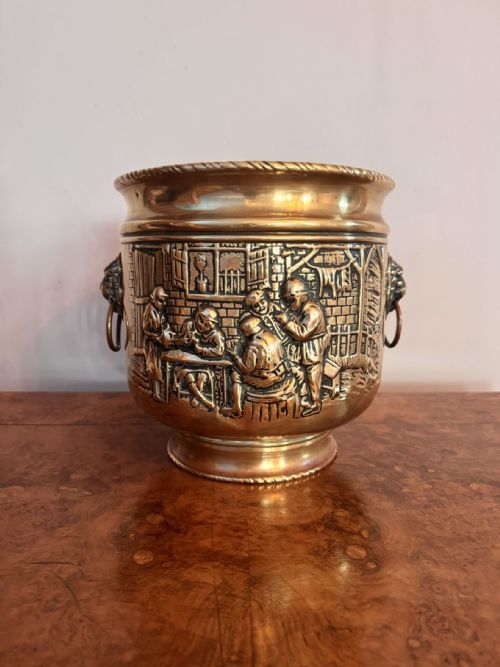
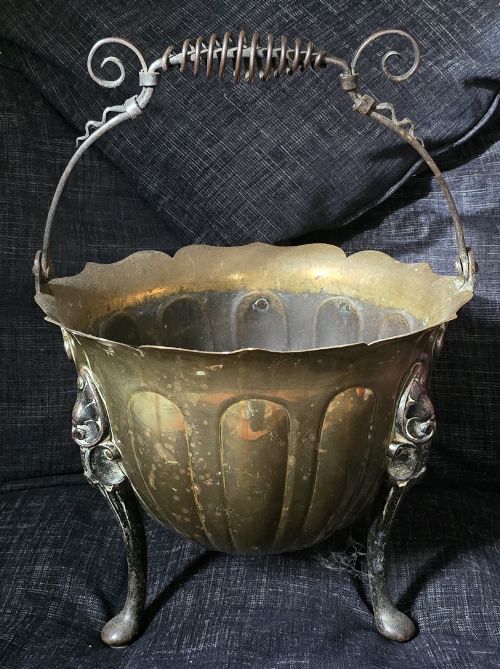
Design influences range from plain utilitarian vessels to ornate Arts and Crafts and Art Nouveau creations featuring embossed or hammered surfaces.
Materials and Construction
Metal vessels rely heavily on sheet copper and brass, often joined by visible rivets along the seams. Handles frequently incorporate wrought iron or cast elements attached securely to the main body.
Wooden examples utilise traditional cooperage techniques, binding oak staves together with metal bands to create watertight or sturdy dry storage containers. Surface finishes include hand-finished patination and embossed detailing on sheet metal.
Fireplace Log Holder Bucket Retail Price Guide 2026
Typical asking prices for fireplace log holder bucket among the pieces listed under this phrase on Sellingantiques today, from the lower quarter to the upper quarter. They describe what is for sale here now, not the wider market.
Listings feature items from the Georgian, Victorian, and Edwardian periods, constructed predominantly in copper, brass, and oak.
Grading Quality
Quality rests in the weight of the metal and the integrity of the construction, such as tightly fitted rivets and substantial handles that bear weight without flexing. Thicker gauge copper and brass resist denting and hold their structural form better over decades of daily fireside use.
Decorative execution separates standard vessels from finer ones, visible in crisp embossing, hand-hammered textures, and well-executed joinery on coopered wooden bins. The richness of the natural metal patina also indicates how carefully a piece has been maintained.
Henry Loveridge·Petrus Ramus
The Fireplace Log Holder Bucket Glossary
- Coal Scuttle
- A metal container designed for carrying and storing coal, often featuring a sloped mouth or helmet shape for easy pouring. These vessels usually include a swinging handle and a smaller grab handle underneath.
- Coopered
- Built using wooden staves bound together with metal bands, much like a traditional barrel. This technique ensures strength and stability for heavy wooden log buckets.
- Dinanderie
- An umbrella term for objects made of beaten brass or copper, originating from the Belgian town of Dinant. Pieces in this style often display intricate surface decoration.
- Helmet Scuttle
- A specific coal bucket profile featuring a flared rim that resembles a traditional helmet. This shape directs the fuel neatly toward the grate.
Fireplace Log Holder Bucket: Frequently Asked Questions
What is a fireplace log holder bucket used for?
These vessels store fuel such as wood logs, coal, or peat directly beside the fireplace for easy access during burning. They keep hearth debris contained while adding traditional metal or wooden character to the room.
Beyond simple storage, many historical pieces function as decorative planters or jardinières when not holding winter fuel.
How do I clean antique brass and copper?
Maintenance depends entirely on whether you prefer a bright polished finish or a deep, aged patina developed over generations. Most collectors prefer to leave the natural oxidation untouched, removing only loose dust with a dry cloth.
If polishing is necessary, use a mild non-abrasive metal cleaner specifically formulated for copper and brass, applying it sparingly to avoid stripping historical character.
How can I tell a Victorian bucket from a Georgian one?
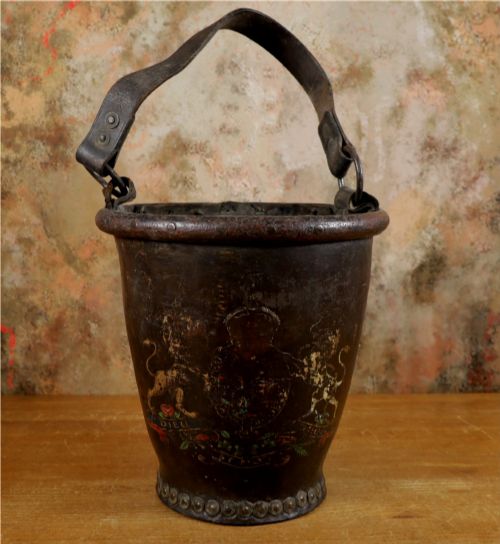
Georgian pieces often display simpler, heavier hand-forged construction with clean lines and early copper rivets. Leather fire buckets from this period also feature distinct hand-painted coats of arms or studded detailing.
Victorian and Edwardian examples frequently incorporate machine-rolled sheet metal, embossed floral motifs, or stylised Art Nouveau and Arts and Crafts design elements.