




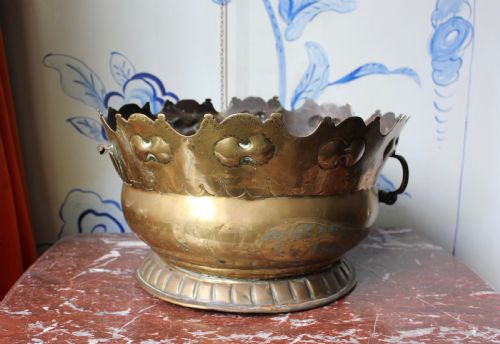


18th Century Brass Bucket
An 18th century brass bucket brings utilitarian warmth to a room, valued for its rich metalwork and tactile timber construction.
18th Century Brass Bucket
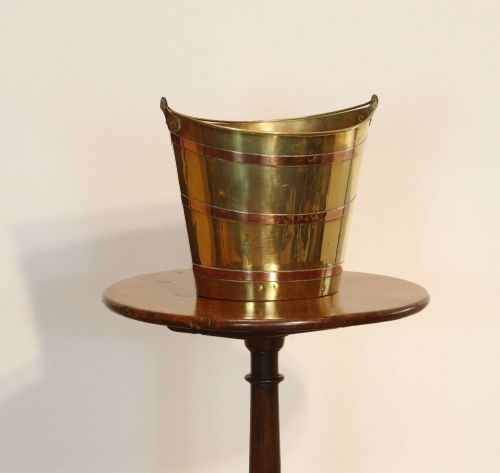
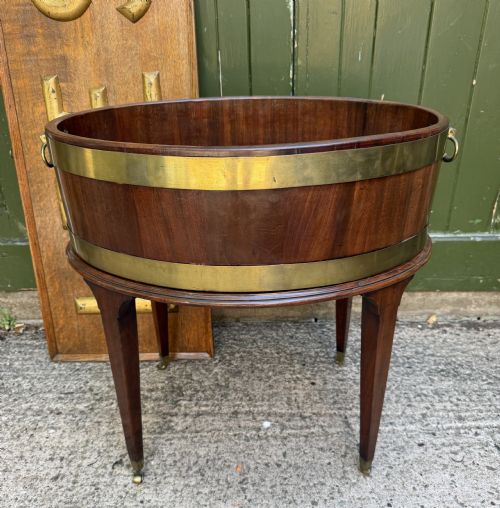
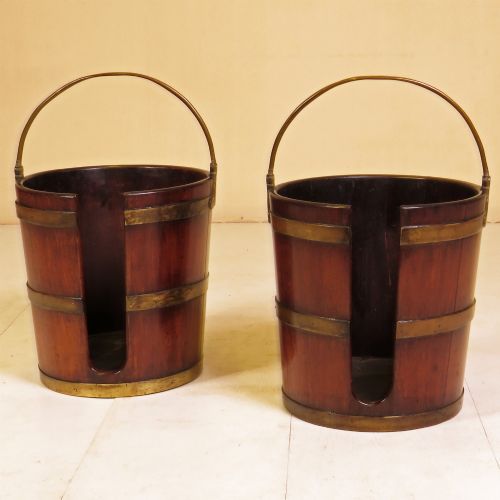
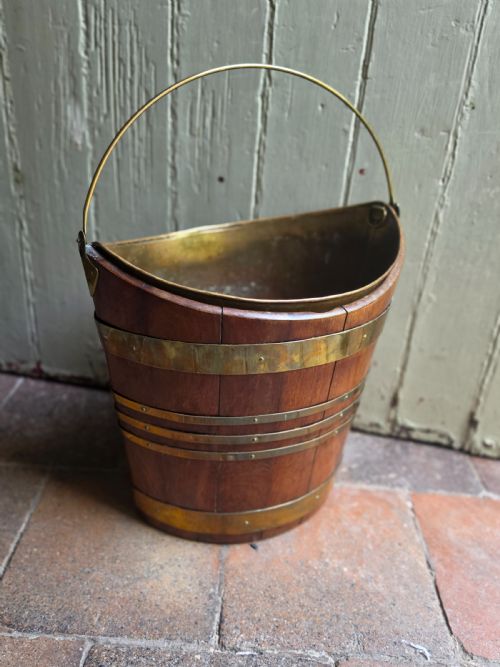
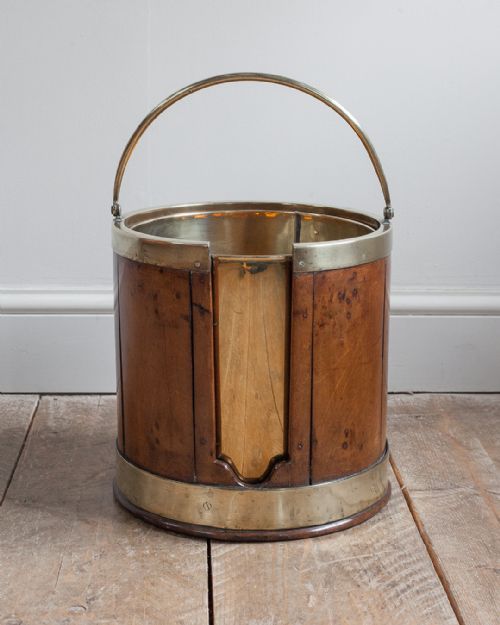
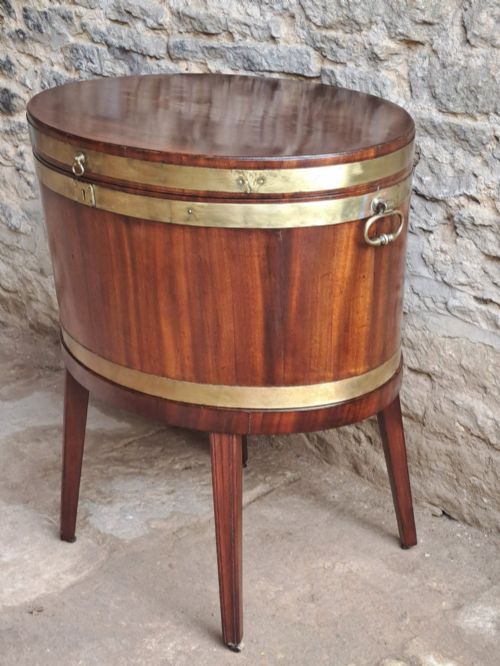
An 18th century brass bucket encompasses utilitarian vessels intended for service around the hearth, dining room or cellarette. The most common form on this page is the George III mahogany wine cooler or plate bucket, secured with heavy metal bands.
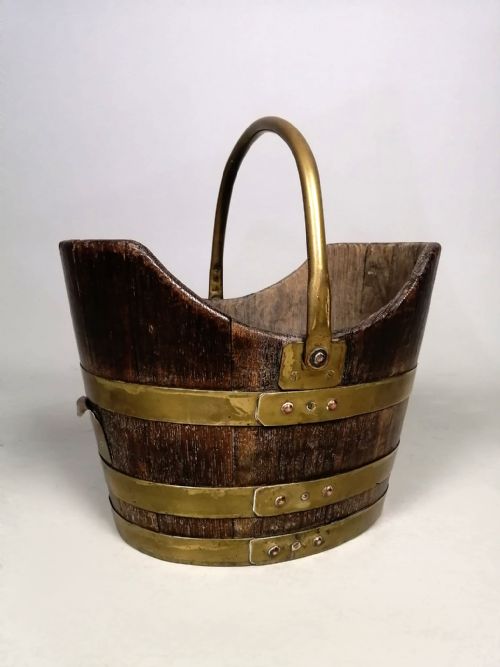
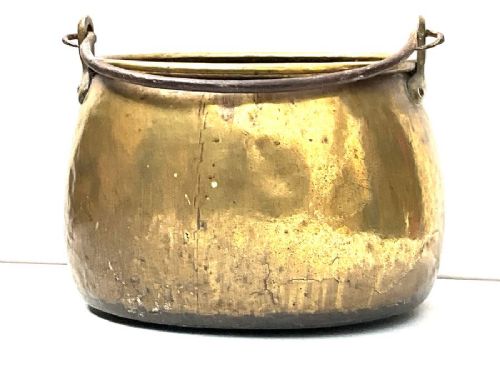
Makers of the period also produced peat buckets, coal buckets, and planters, reflecting diverse domestic requirements in wealthy households. These items frequently take an oval shape, constructed with staves much like a coopered cask.
Pieces from the Dutch Baroque tradition and Georgian era demonstrate a fusion of functional metal and dense cabinet timbers. Collectors encounter examples resting on original stands as well as portable open vessels designed for daily hospitality.
Materials and construction methods
Craftsmen built these vessels primarily from solid mahogany, walnut, or oak, employing traditional cooperage techniques with curved wooden staves bound tightly together. Wrought iron and zinc often reinforced internal structures, ensuring stability for heavy contents like ice, water, or turf.
The characteristic brass bands and mounts were hand-beaten or cast, then fixed securely around the timber body with pins or rivets. Surface finishes relied on the natural grain of the wood, enhanced over time through handling and waxing rather than heavy pigments.
18th Century Brass Bucket Retail Price Guide 2026
Typical asking prices for 18th century brass bucket among the pieces listed under this phrase on Sellingantiques today, from the lower quarter to the upper quarter. They describe what is for sale here now, not the wider market.
Object forms catalogued here include wine coolers, cellarettes, plate buckets, peat buckets, jardinières, and monteiths.
Evaluating craftsmanship and survival
Quality rests in the crispness of the cooperage, the weight and thickness of the brass banding, and the integrity of the timber. Finer examples retain their original stands, matching brass handles, and undisturbed patination on the wood.
Weaker specimens suffer from replaced staves, modern brass replacements, or excessive timber shrinkage that compromises the vessel's structural cohesion. The presence of zinc linings or interior divisions often distinguishes wine coolers and cellarettes from simpler domestic coal or plate buckets.
The 18th Century Brass Bucket Glossary
- Wine Cooler
- A container designed to hold bottles and ice during dining, frequently coopered in timber and bound in brass. They often include lead or zinc liners to protect the wood from moisture.
- Cellarette
- A lockable or stationary container for storing wine bottles near the dining table. Many take an oval or octagonal form with robust metal hoops.
- Plate Bucket
- A cylindrical or tapering vessel specifically made for carrying and storing dining plates safely. They share the stave-and-hoop construction typical of larger coolers.
- Cooperage
- The traditional craft of making wooden vessels such as casks, buckets, and tubs using staves and metal bands. Artisans shaped each piece of timber so the edges met tightly without glue.
- Patina
- The deep lustre and surface texture acquired by wood and metal through age, use, and cleaning. It serves as a key indicator of authenticity and continuous history.
18th Century Brass Bucket: Frequently Asked Questions
How were these buckets used originally?
These vessels served practical domestic functions in prosperous households, ranging from cooling wine at the dining table to carrying peat for the hearth or storing ceramic plates.
Dining rooms required portable ice buckets and cellarettes to keep beverages chilled, whilst fireside accessories managed fuel supplies in the main living spaces.
Can I use an antique brass bucket for plants?
Many of these items, particularly those described as jardinières or planters, were designed to hold greenery and floral displays inside the home.
When utilising an older metal-bound vessel for living plants, collectors usually insert a modern plastic liner to prevent moisture from damaging the historic timber and interior metal.
How do I tell a wine cooler from a coal bucket?
Wine coolers and plate buckets generally feature finer cabinet timbers like figured mahogany or walnut, often complete with brass carrying handles and tailored interiors.
Coal and peat buckets tended to utilise simpler construction, sometimes incorporating iron or zinc components built to withstand rougher daily handling by domestic staff.
How do I care for the wood and brass?
Maintenance requires keeping the pieces away from direct heat sources and sudden humidity changes that cause timber staves to shrink or crack.
A gentle application of microcrystalline wax preserves the polished finish on both the mahogany and the brass without stripping the historical patina.