



Antique Brass Peat Bucket
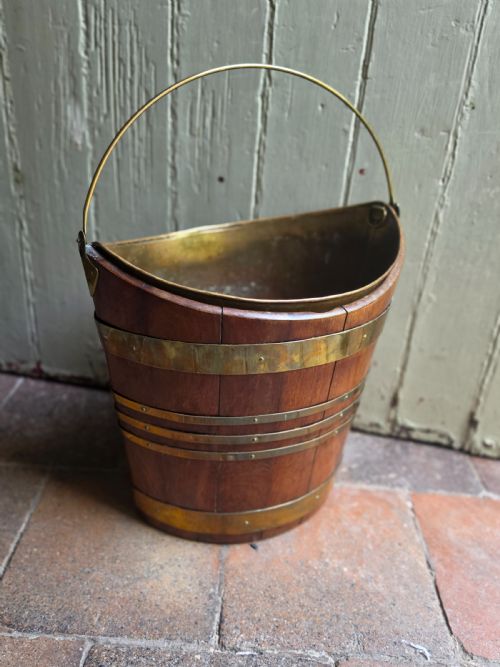
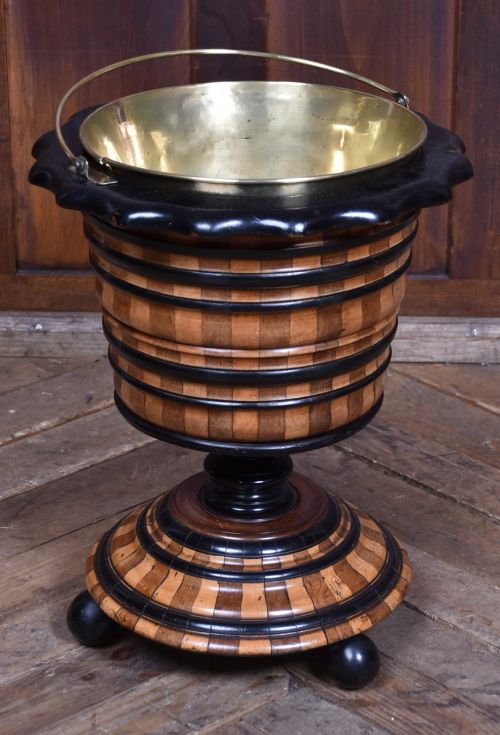
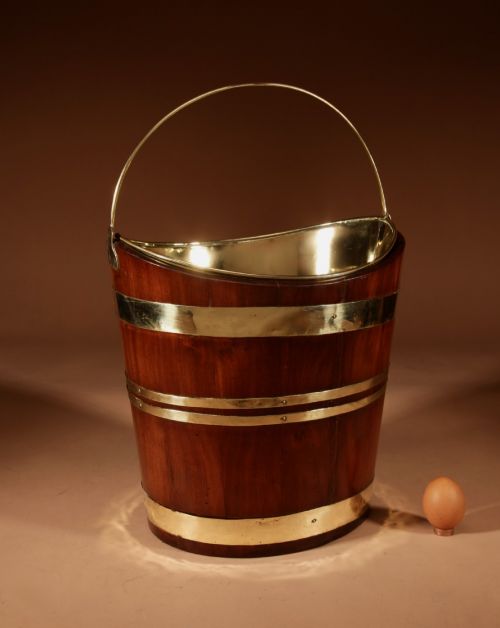
These antique brass peat bucket pieces range from Georgian mahogany vessels to Dutch coopered hearthside bins designed to hold fuel or warm tea.
Antique Brass Peat Bucket
An antique brass peat bucket serves as a sturdy fireside container, originally constructed to hold peat, coal, or firewood for hearth heating. Buyers examining this page encounter vessels spanning the eighteenth, nineteenth, and early twentieth centuries, reflecting diverse regional styles.
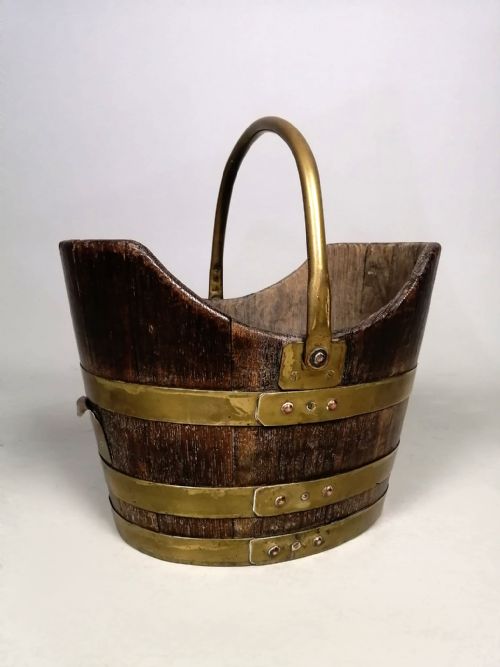
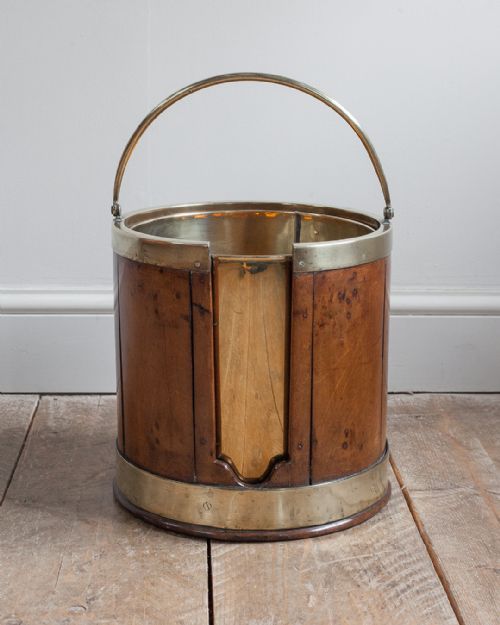
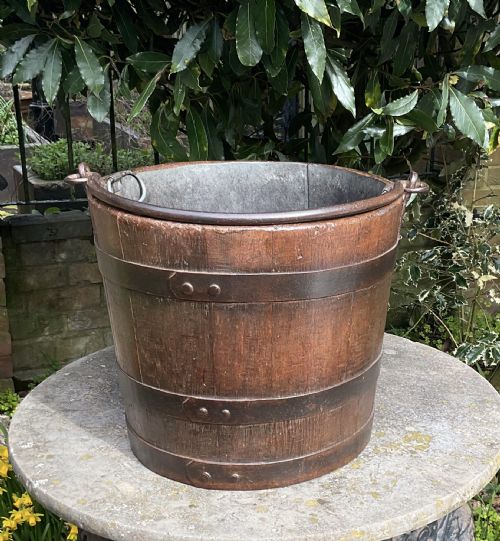
The selection frequently includes coopered wooden barrels and bins fitted with gleaming brass bands, drop handles, and occasionally original metal liners. Alongside traditional peat buckets, related forms like plate buckets, wine coolers, and tea stoves appear regularly across Dutch and British designs.
How they were made
Craftsmen built these containers using traditional cooperage techniques, shaping individual staves of mahogany, oak, walnut, or mixed hardwoods to form tight cylindrical or boat-shaped bodies. Metal bands of thick brass were heated, fitted securely around the timber staves, and fixed in place as they cooled.
Many examples incorporate riveted brass sheet work, cast drop handles, and internal liners made of brass or copper to protect the wooden base from moisture and ash. Selected pieces display inlaid wood details, ebonised accents, or turned spindles that elevate simple utility items into decorative furniture.
Antique Brass Peat Bucket Retail Price Guide 2026
Typical asking prices for brass peat bucket among the pieces listed under this phrase on Sellingantiques today, from the lower quarter to the upper quarter. They describe what is for sale here now, not the wider market.
Listings feature materials spanning solid mahogany, oak, walnut, and ebonised wood, alongside heavy riveted brass and coopered construction.
What varies in quality
The grade of timber and the precision of the cooperage distinguish superior examples from ordinary production, with dense figured mahogany or richly patinated oak commanding attention. Finely turned mouldings, substantial gauge brass bands, and intact period liners indicate higher workshop standards.
Structural integrity depends on the tightness of the stave joints and the original retention of hardware without modern replacement parts. Pieces retaining untouched surfaces and balanced proportions demonstrate greater integrity than heavily restored alternatives.
The Antique Brass Peat Bucket Glossary
- Coopered
- Built from vertical wooden staves fitted tightly together and bound with metal bands, similar to barrel construction. This method provided the essential strength needed for holding heavy loads of fuel.
- Teestoof
- A Dutch warming stove or container often associated with peat storage and domestic heat management. These vessels frequently feature brass liners designed for domestic utility.
- Schuitje
- A boat-shaped vessel or container form seen in Dutch decorative arts. The curved profile allows for distinctive storage proportions beside the hearth.
- Dinanderie
- The traditional medieval and later art of working brass, copper, and bronze into useful household objects. It describes the heavy metal components found on many bins and buckets.
- Jardiniere
- An ornamental pot or stand designed to hold growing plants or flowers. Many surviving peat buckets were later adapted for this domestic display purpose.
Antique Brass Peat Bucket: Frequently Asked Questions
What were antique peat buckets used for?
These vessels functioned primarily beside the hearth to store dry peat, coal, or logs for domestic fires. They kept fuel close at hand while maintaining a tidy appearance in the room.
Over time, many of these containers transitioned into decorative service as plant holders, magazine bins, or umbrella stands within period interiors.
How do I date a brass bound bucket?
Dating relies on examining the timber species, the hand-cut joinery, and the thickness of the brass bands. Georgian pieces often display dense Cuban mahogany and hand-forged iron fixings beneath the brass.
Later Victorian and Edwardian examples tend to show machine-rolled brass, lighter hardwoods, and different interior liner configurations that correspond to industrial manufacturing shifts.
Are these buckets waterproof?
Most antique buckets feature fitted metal liners designed to contain loose ash, damp peat, or water for cooling purposes. However, original timber staves can shrink over centuries, meaning unlined bins may leak if filled directly with water.
Using a modern hidden plastic insert protects the historic wood if you intend to utilise the vessel as a plant holder.
What is the difference between a peat bucket and a coal bucket?
Peat buckets generally feature taller, straighter staves or boat-shaped bodies designed to hold light, bulky blocks of turf. Coal buckets and scuttles often incorporate narrower proportions and hinged lids or spouts for controlled pouring.
In practice, makers and historical inventories often used the terms interchangeably for large fireside bins.
How should I clean the brass bands?
The brass benefits from gentle dusting and occasional cleaning with a mild, non-abrasive metal polish to maintain its lustre without stripping the historical surface. Care must be taken to prevent polish from contacting the surrounding antique wood.
Leaving a mellow, untouched patination on both the metal and the timber is often preferred by collectors over a bright, mirror finish.