



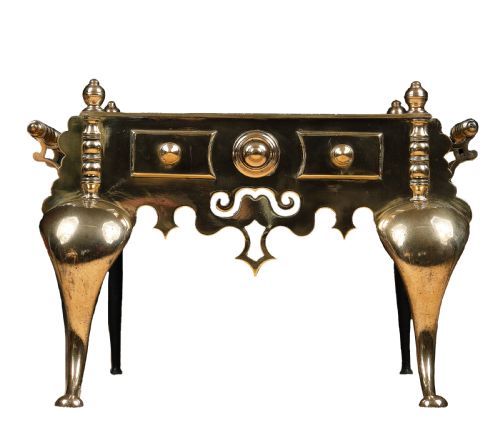
Fireplace Kettle Trivet
A fireplace kettle trivet brings solid hearth utility and period metalwork into domestic spaces.
Fireplace Kettle Trivet
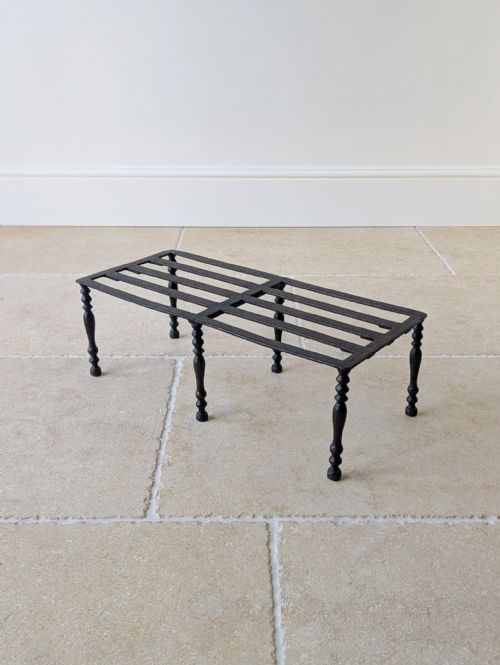
A fireplace kettle trivet is a low-slung metal stand designed to sit on the hearth near the fire for warming water and food. The versions met on this page range from compact brass stands to substantial steel and wrought iron footmen dating from the eighteenth to the nineteenth centuries.
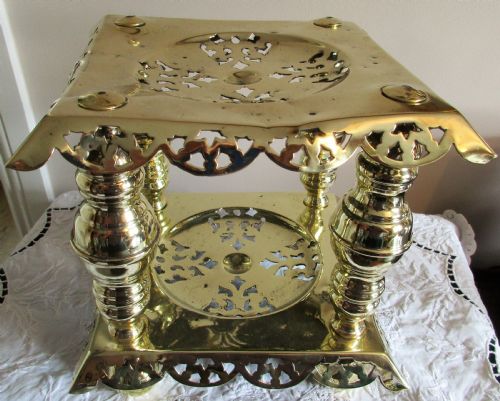
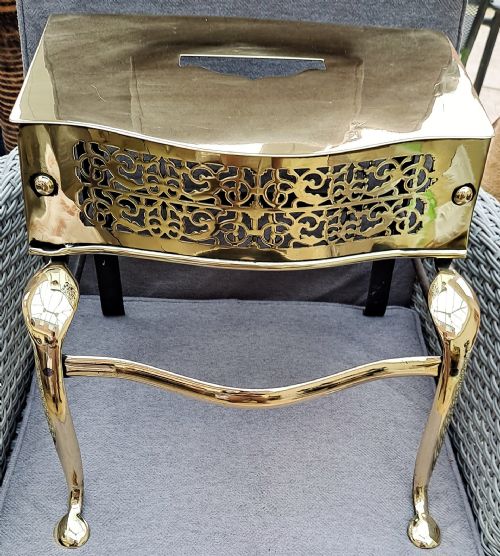
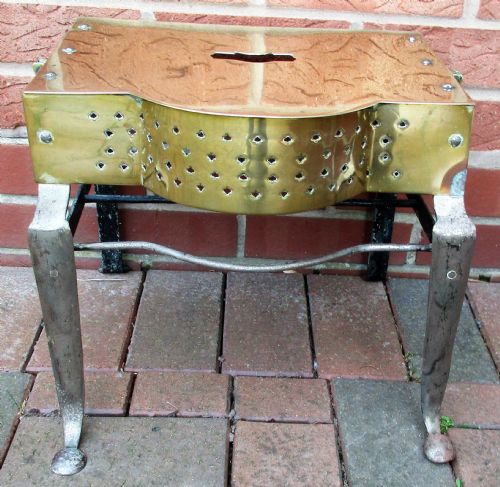
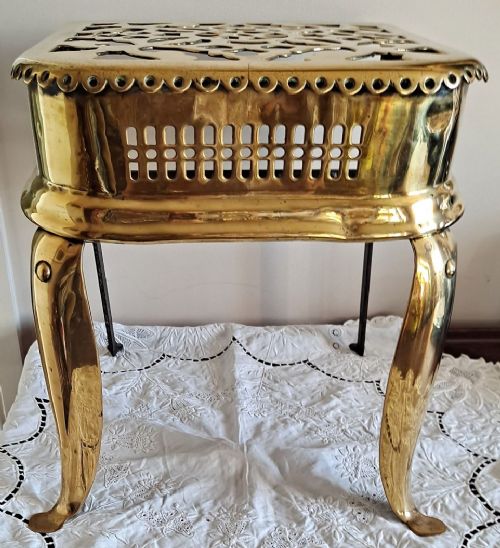
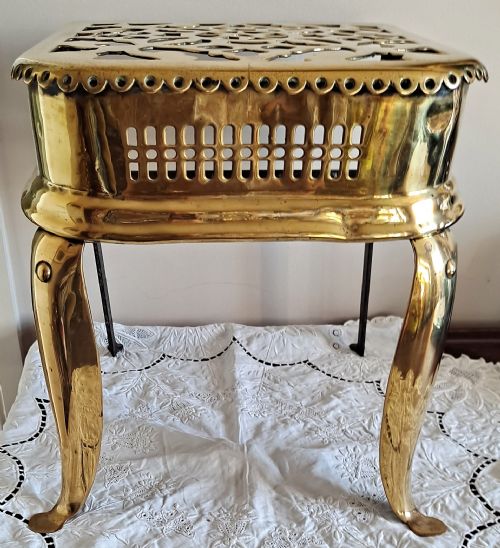
These items served practical roles beside open fires in Georgian and Victorian homes, functioning as portable heating platforms. The selection here covers various forms, including two-tier kettle stands and footman stools with cabriole legs.
How they were made
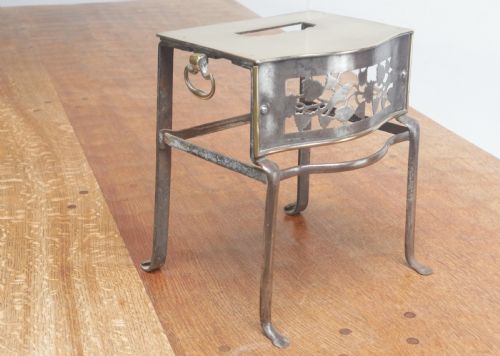
Makers shaped these pieces predominantly from brass, iron, and steel, often combining metals to contrast a polished plate with a sturdy frame. Wrought iron provided structural strength for heavy footmen, while brass offered a bright surface facing the hearth.
Wood and mahogany occasionally appear in associated components or related stands, though metal remains the primary medium. Workshops formed these items using traditional forging and casting methods suited to daily fireside use.
Listings feature items spanning the Georgian, Victorian, and Edwardian periods, constructed in brass, steel, iron, and wrought iron.
What varies in quality
Quality rests in the weight of the metal, the crispness of cast details, and the integrity of the joints between the top plate and legs. Heavier examples display more substantial casting and forging, whereas lighter pieces use thinner sheet metal.
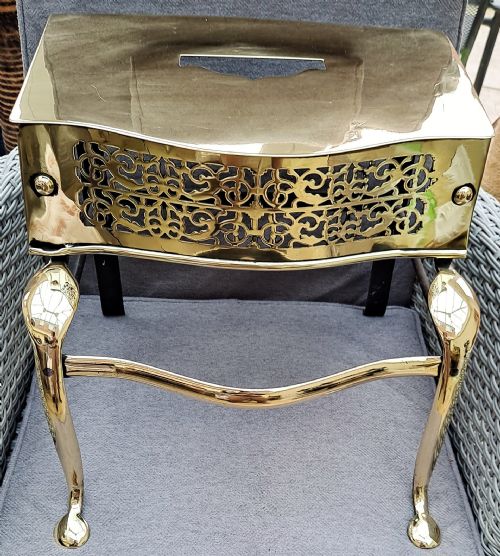
The sophistication of the design, such as shaped cabriole legs or pierced brass tops, distinguishes standard utilitarian items from finer examples intended for formal parlours. Original construction without later replacement parts determines the integrity of surviving pieces.
The Fireplace Kettle Trivet Glossary
- Footman
- A metal stand with four legs placed in front of a fireplace to keep plates or kettles warm. These items often feature pierced tops and lifting handles.
- Trivet
- A small three- or four-legged support raised above the hearth floor. They held vessels near the coals.
- Cabriole leg
- A curved furniture leg inspired by animal legs, seen on specific hearth footman stools in this selection. This form arches outward and tapers inward to a pad or foot.
- Hearth accessories
- Items used around the fireplace for cooking, tending fires, and warming items. They include stands, trivets, and footmen.
- Inglenook
- A large recessed space around a fireplace where hearth furniture sat. Pieces designed for these areas often possessed heavier proportions.
Fireplace Kettle Trivet: Frequently Asked Questions
What is a fireplace kettle trivet used for?
These metal stands supported kettles, pots, and plates close to the open fire to keep contents warm.
They served as portable cooking and warming platforms before modern kitchen ranges became common.
How do I tell a Georgian trivet from a Victorian one?
Georgian pieces often display simpler wrought iron work or early cast brass forms with distinct hand-finished details.
Victorian examples frequently incorporate heavier machine casting, two-tier designs, or more elaborate pierced brass tops.
Where were these trivets placed?
They stood directly on the hearth stones right in front of the fire or inside deep inglenook fireplaces.
Their low height kept vessels stable near the glowing coals without blocking the main heat of the room.
What metals were used to make them?
Blacksmiths and founders used brass, steel, and wrought iron for durability against intense heat.
Many examples combine a bright brass top plate with sturdy iron or steel legs for both appearance and strength.
What is a footman stool?
A footman stool is a larger rectangular metal stand with four legs, often equipped with side handles for moving.
These heavier pieces accommodated multiple plates or larger kettles on the hearth.