
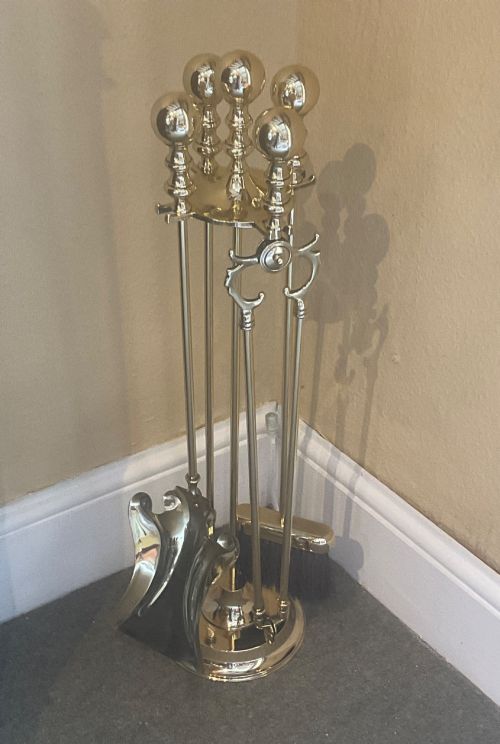
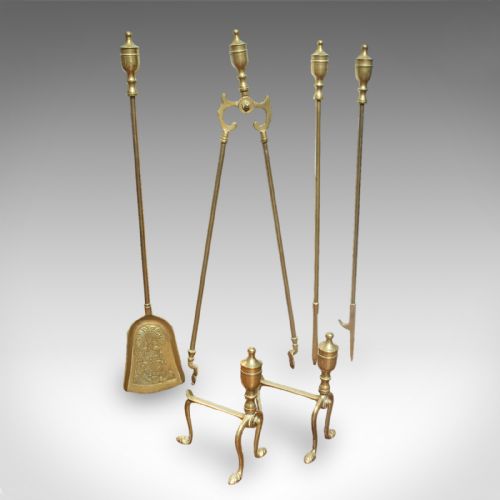


Fireplace Iron Poker
A fireplace iron poker stands ready to tend the hearth, offering both daily utility and the solid weight of traditional metalwork.
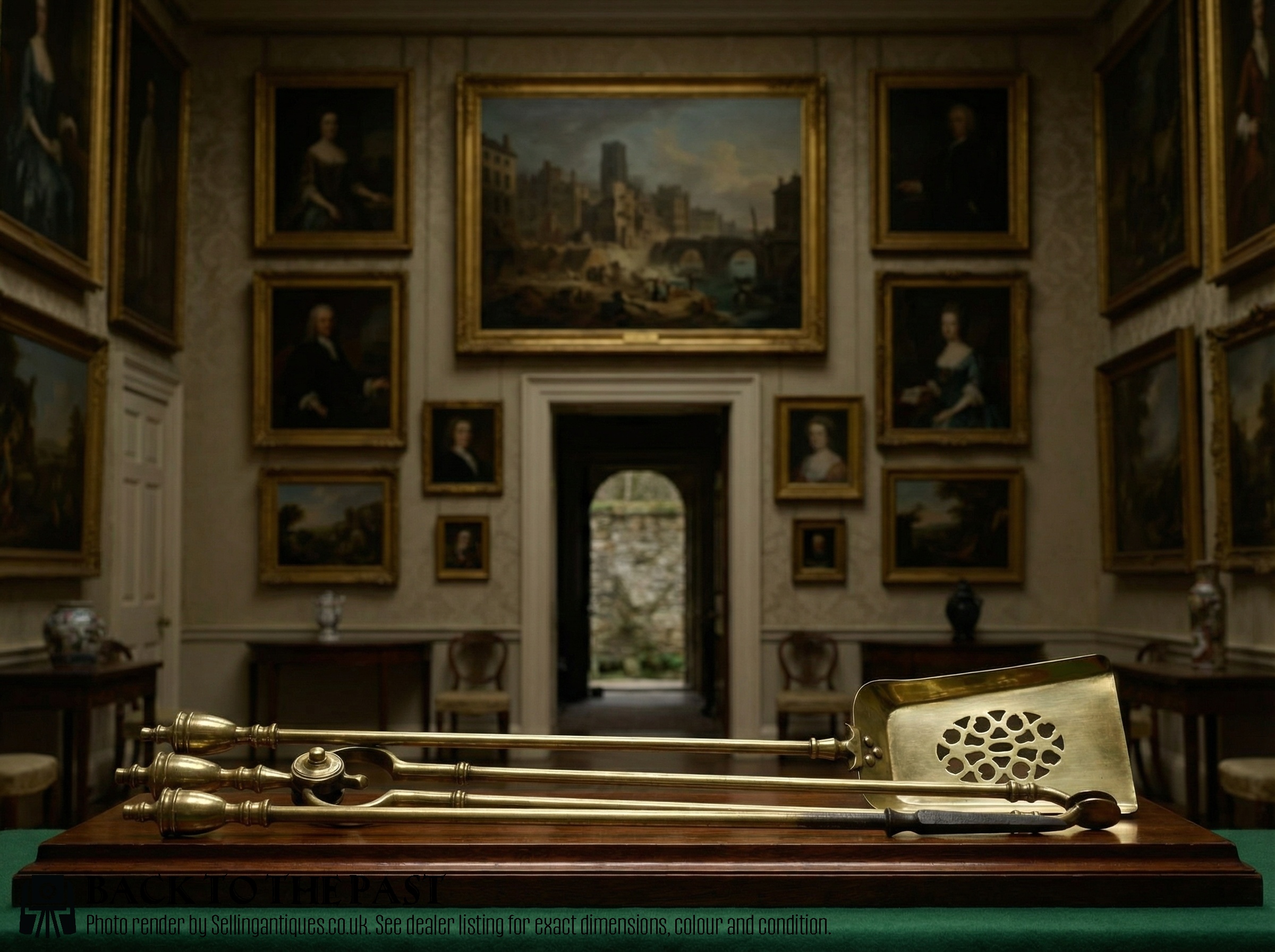
Fireplace Iron Poker
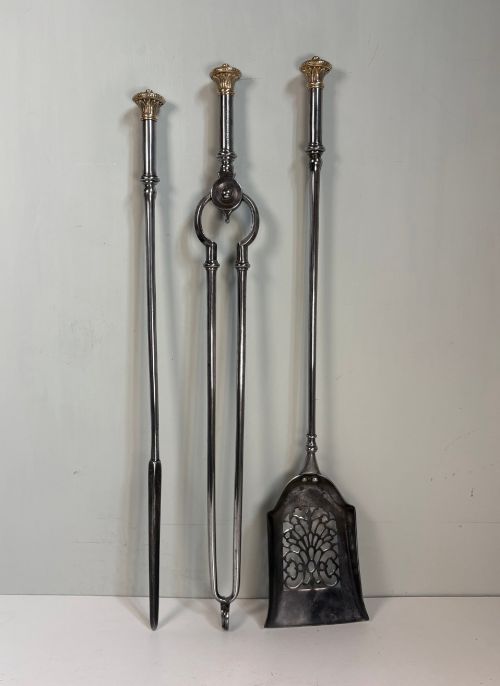
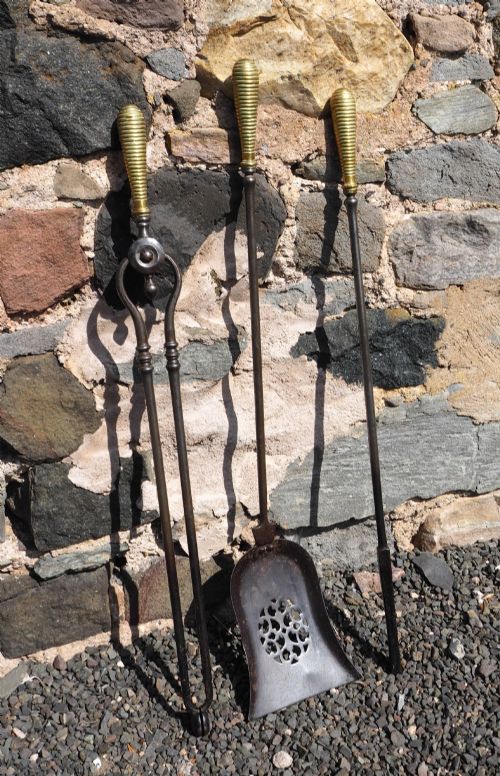
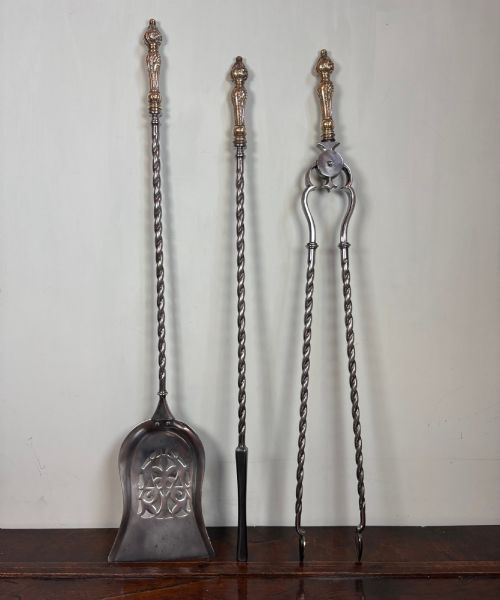
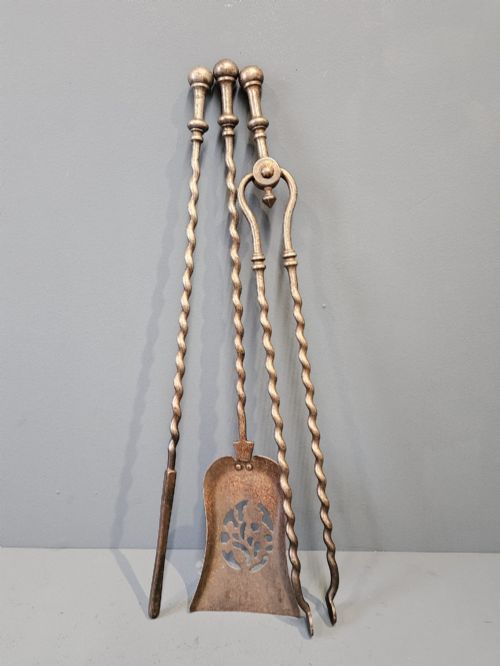
When you search for a fireplace iron poker, you encounter single implements or components of companion sets designed to manage an open coal or wood fire. The pieces available here span Georgian, Victorian, and Edwardian periods, appearing alongside shovels and tongs as part of matching fire irons or larger companion suites.
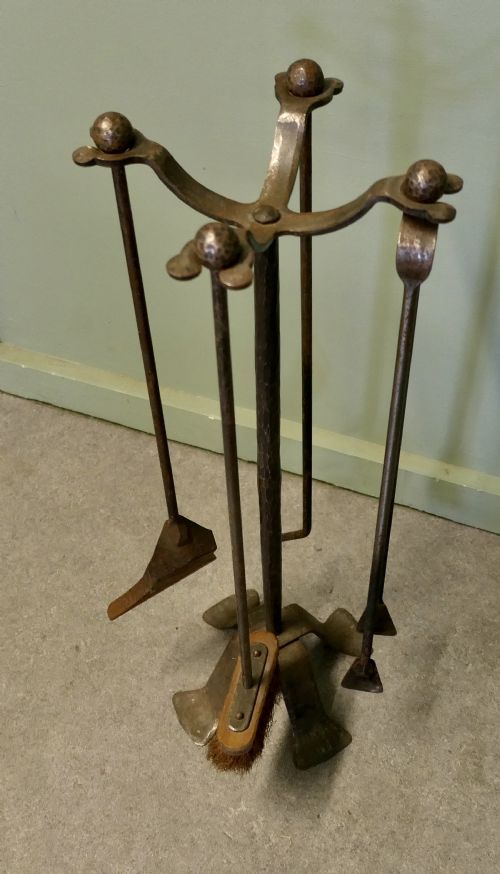
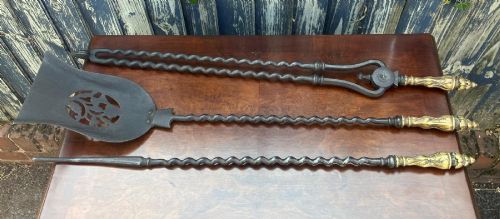
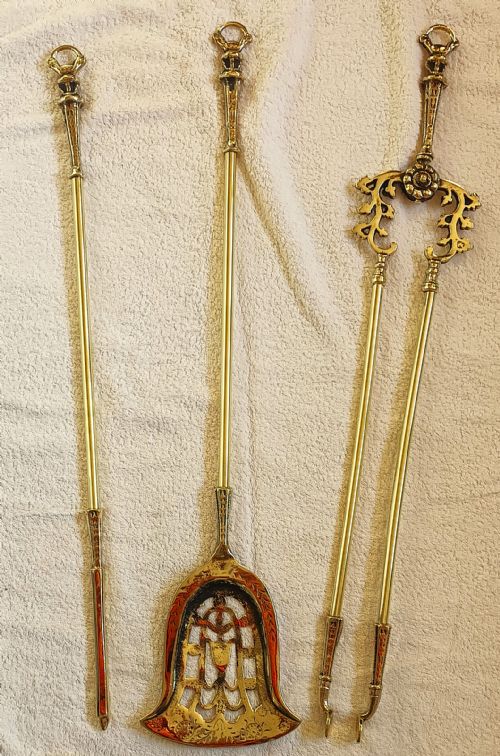
You are most likely to meet examples forged from iron, steel, or brass, ranging from plain country house utility items to ornate Rococo or Arts and Crafts designs. Many survive as complete sets of three, incorporating the poker, shovel, and tongs.
The selection includes substantial French manor house examples alongside English traditional types, reflecting the varied domestic hearth requirements of the eighteenth and nineteenth centuries.
Materials and construction methods
Makers utilised forged iron and wrought steel for strength and heat resistance, hammering the metal into shape while hot to create durable shafts and points. Polished steel surfaces offered a brighter finish for formal reception rooms.
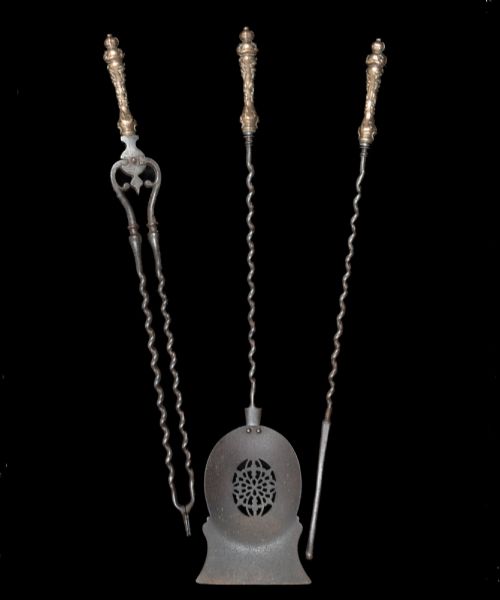
Brass was frequently employed for handles and decorative mountings, sometimes combined with iron or steel shafts. Rope twist details and cast elements added texture to the grips and finials.
Gun metal and gilt brass also appear in specific pieces, showing the variety of alloy treatments applied during the Victorian and Edwardian eras.
The listings combine polished steel, wrought iron, and brass across Georgian, Victorian, and Edwardian periods.
Factors of distinction
The distinction between standard utility tools and finer examples lies in the weight of the metal and the crispness of any cast or turned details. Substantial gauge iron and well-balanced steel shafts demonstrate superior original manufacture.
Handle construction marks a clear division in quality, with heavy brass rope twists or cleanly cast finials indicating higher craftsmanship. Matched sets displaying consistent design across the poker, tongs, and shovel hold greater cohesion than assembled groups.
The Fireplace Iron Poker Glossary
- Companion set
- A group of fireplace tools, typically including a poker, shovel, and tongs, presented together for hearth maintenance.
- Fire irons
- The collective term for metal implements used to tend a fire, usually comprising a poker, tongs, and shovel.
- Arts and Crafts
- A design movement prioritising visible handcrafting, simple lines, and honest materials over machine-made ornamentation.
- Rococo
- A decorative style characterised by asymmetrical scrollwork, flowing curves, and ornate natural motifs.
- Fire dogs
- Metal supports placed on the hearth to hold logs, frequently found accompanying sets of fire tools.
Fireplace Iron Poker: Frequently Asked Questions
How do I use an antique poker safely?
Antique pokers are built from solid iron or steel to withstand high temperatures and daily hearth use.
Simply employ the tool to adjust logs or break up coal cinders, ensuring the metal cools before any cleaning.
Were these pokers made to match shovels?
Many period pokers were produced as part of a matched suite alongside shovels and tongs.
Sets often share identical handle styles, such as brass rope twists or turned finials, to present a unified appearance by the hearth.
How do I identify a Victorian poker?
Victorian examples often display heavier brass fittings, cast details, or distinct stylistic revivals like Rococo scrollwork.
They frequently appear as part of larger companion sets intended for coal-burning hearths in nineteenth-century homes.
Can I polish brass and steel tools?
Brass components respond well to gentle cleaning to maintain their metallic lustre without removing historic patination.
Steel shafts require dry storage and occasional light oiling to prevent rust from forming on the exposed iron.