
Fireplace Hearth Curb
A fireplace hearth curb sets the boundary of the hearth, combining safety with metalwork craftsmanship from the Georgian, Victorian, and Edwardian eras.
Fireplace Hearth Curb
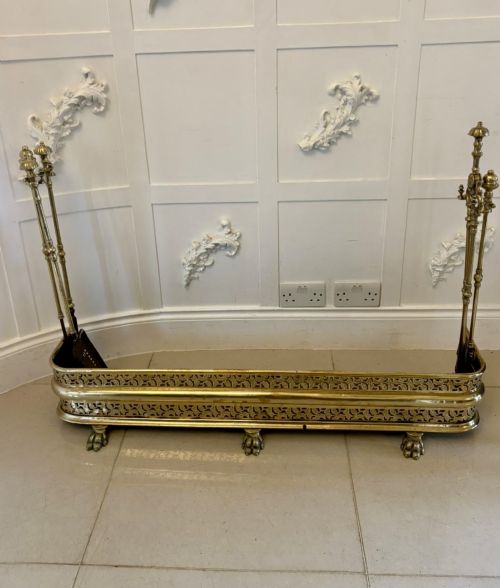
A fireplace hearth curb frames the fireplace opening, keeping embers safely contained while defining the hearth visually. The pieces seen here span the Georgian, Victorian, and Edwardian periods, alongside specific years such as 1850, 1860, 1870, 1880, 1890, and 1900.
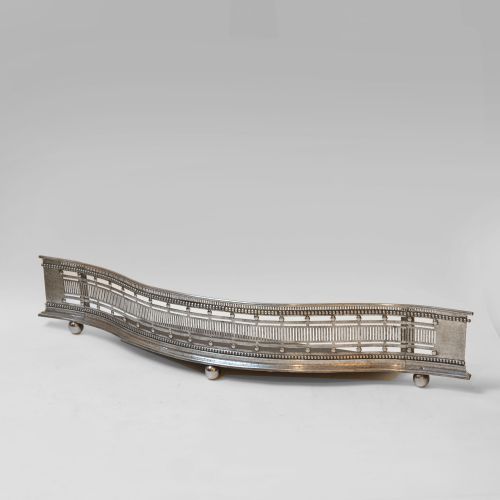
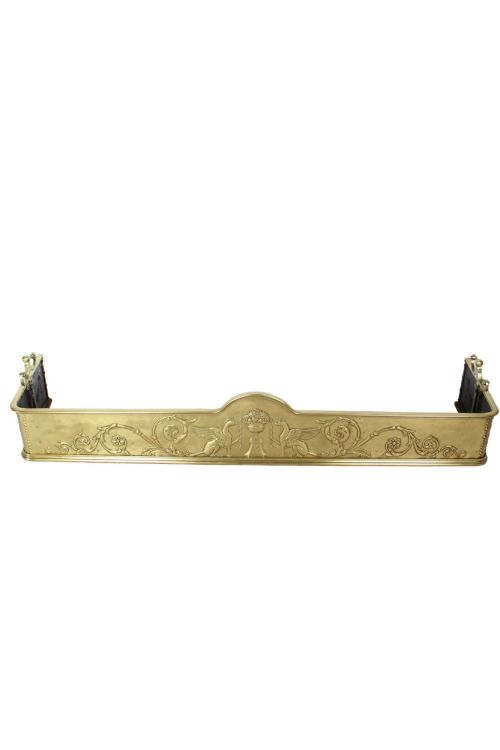
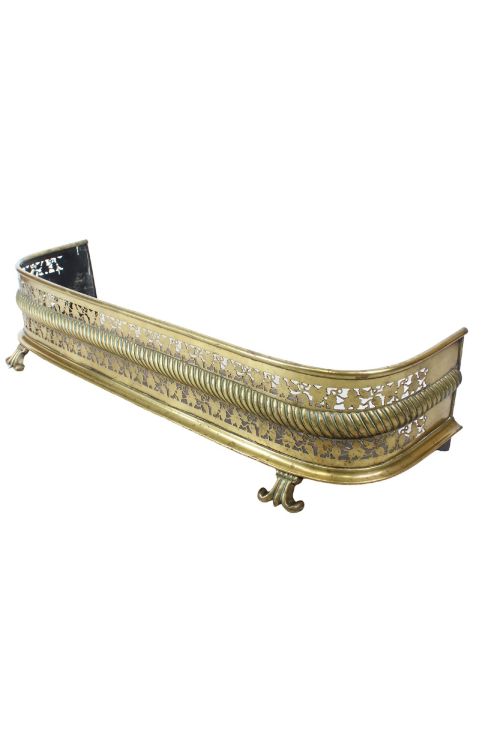
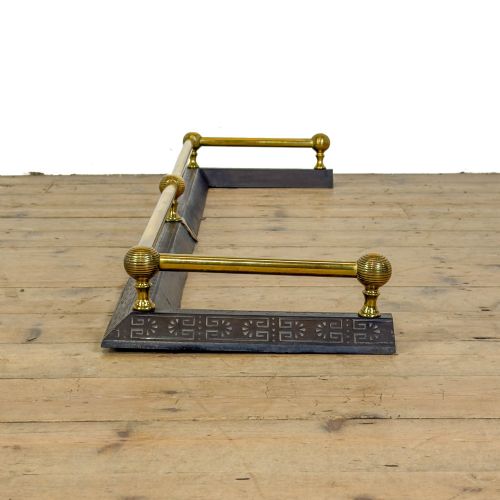
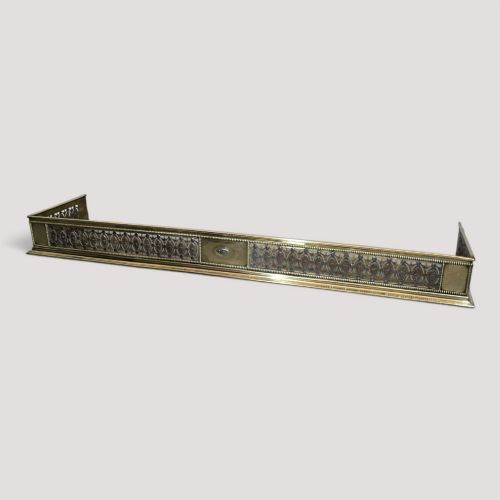
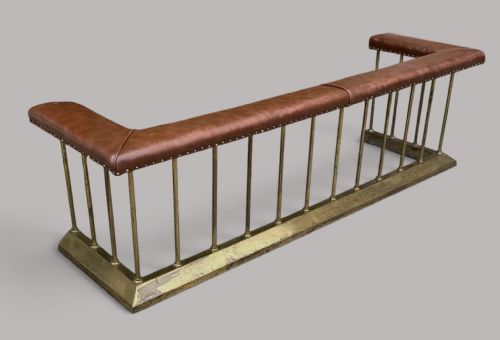
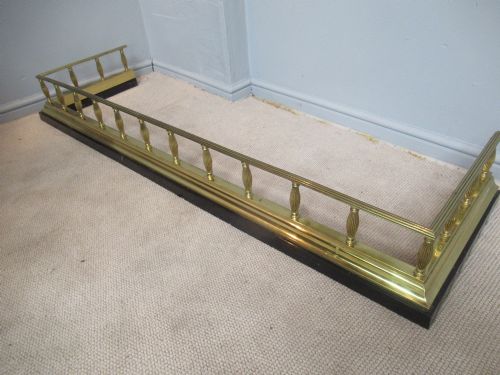
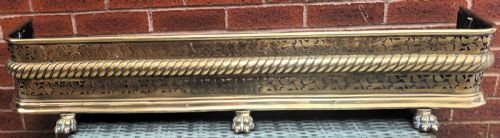
The selection ranges from simple low guards to extending designs, club fenders with leather seats, and bowfront or serpentine shapes. Brass and steel versions dominate the listings, frequently appearing with pierced decoration or cast iron components.
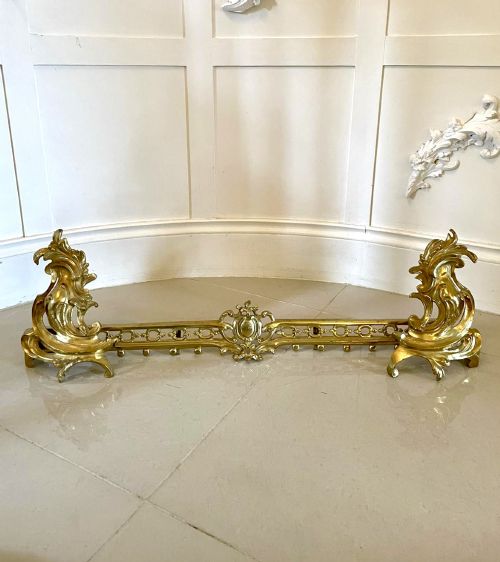
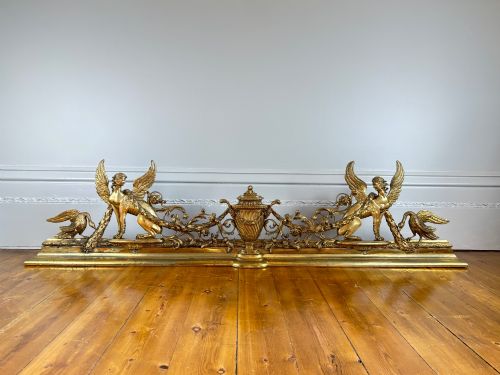
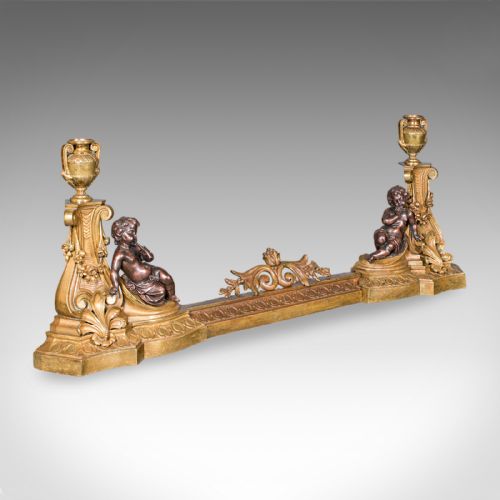
Makers and designers worked within distinct idioms including Arts and Crafts, Art Nouveau, Regency, French Rococo, and Victorian Neoclassical styles. Buyers encounter both standard hearth borders and substantial club fenders designed for seating.
Materials and Construction
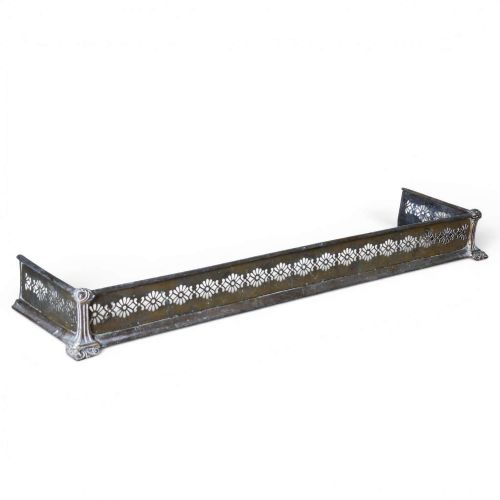
Makers utilised brass, steel, iron, cast iron, copper, gilt bronze, bronze, and ormolu to construct these borders. Metalworking techniques include piercing, engraving, riveting, and casting, resulting in decorative patterns featuring flower patera and beaded decoration.
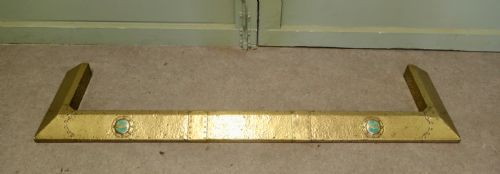
Some examples combine contrasting metals, such as brass and cut steel, or incorporate enamel cabochons and mature tan leather seats on club fenders. French pieces often utilise parcel gilt bronze or ormolu with ornate detailing.
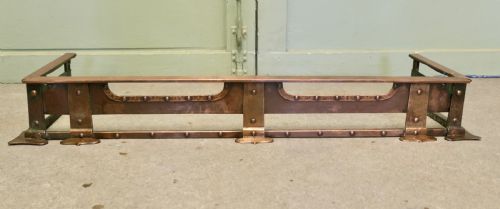
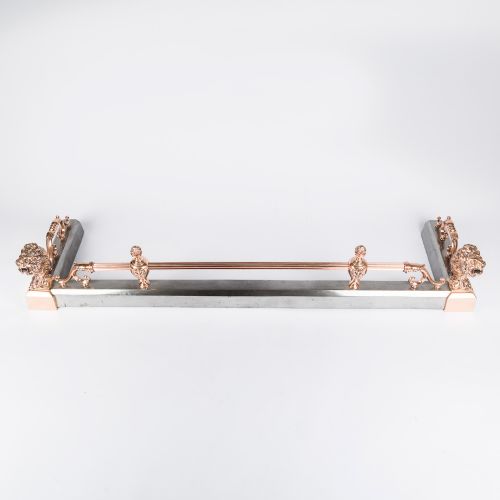
Extending mechanisms and adjustable frames appear across nineteenth-century examples, allowing the metalwork to fit varying hearth dimensions. Riveted copper and beaten finishes highlight the handcrafted nature of Arts and Crafts pieces.
Some nineteenth-century metalworkers ensured that even ash-blockers received floral patera and beaded decoration.
Evaluating Metalwork and Design
Quality rests upon the weight of the metal, the crispness of pierced or engraved ornament, and the integrity of the construction. Heavy gauge brass and substantial cast iron or steel provide structural stability.
Refined decorative details, such as hand-engraved serpentine steel fronts or neatly riveted copper plates, separate standard utility guards from exceptional artistic metalwork. The integration of specialised materials like green enamel cabochons or mature leather upholstery elevates certain examples.
Original components, including matching fire irons or unaltered extending mechanisms, contribute to the historical integrity of a piece. The depth of patination on copper, bronze, and brass surfaces reflects age and careful upkeep.
E F Caldwell New York
The Fireplace Hearth Curb Glossary
- Club fender
- A low, upholstered seat built over a metal hearth frame, allowing people to sit close to the fire. These typically feature leather upholstery supported by brass or oak structures.
- Serpentine front
- A curved shape that undulates outward in the centre and inward at the sides, frequently seen on Georgian steel and brass fenders. This profile required skilled forging and engraving.
- Pierced brass
- Metal sheet perforated with geometric, floral, or lattice patterns to let light through and lighten the visual weight of the guard. It is a hallmark of Victorian metalwork.
- Ormolu
- Gilded bronze applied to decorative metalwork, common in French-influenced pieces of the nineteenth century. The technique gives a rich, gold-coloured finish to cast ornaments.
- Fire patera
- A circular ornamental disk carved or stamped with floral motifs, often set into the corners or frieze of a copper or brass fender. They punctuate the linear design of the metalwork.
Fireplace Hearth Curb: Frequently Asked Questions
What is a club fender?
A club fender is a hearth curb fitted with padded seats on either side, originally designed to let household members sit close to the fire while containing stray coals.
These pieces combine functional metal bases in brass or iron with upholstered leather tops, creating a social fireside seat.
How do I measure for a hearth curb?
Measure the width and depth of your stone or brick hearth area, ensuring the interior dimensions of the curb leave adequate clearance around the fireplace opening.
Many nineteenth-century examples feature extending mechanisms that allow minor adjustments to fit specific hearth sizes.
Are these metals difficult to maintain?
Brass, copper, and steel require occasional cleaning to manage oxidation and preserve their surface character, depending on whether you prefer a bright shine or aged patination.
Regular dusting and gentle polishing with appropriate metal care products keep the decorative details distinct without removing historical wear.
What styles were popular in the Victorian period?
Victorian makers produced everything from plain pierced brass strips to elaborate neoclassical designs, Arts and Crafts beaten copper, and Art Nouveau floral metalwork.
Eclectic historical revivals dominated the era, meaning you will find French Rococo influences alongside robust industrial iron and steel constructions.