




Traditional Fire Guard
Traditional fire guard designs combine solid metal frames with protective mesh, keeping hearths safe while adding period character to a room.
Traditional Fire Guard
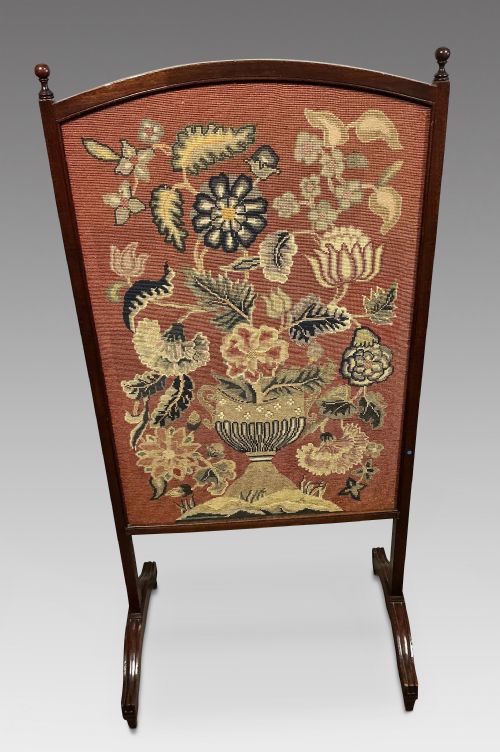
A traditional fire guard encompasses a variety of hearth furniture designed to protect rooms from stray embers and sparks. When searching for this phrase, buyers encounter several distinct forms, including folding spark guards, nursery fenders, and protective fireplace screens dating from the nineteenth and early twentieth centuries.
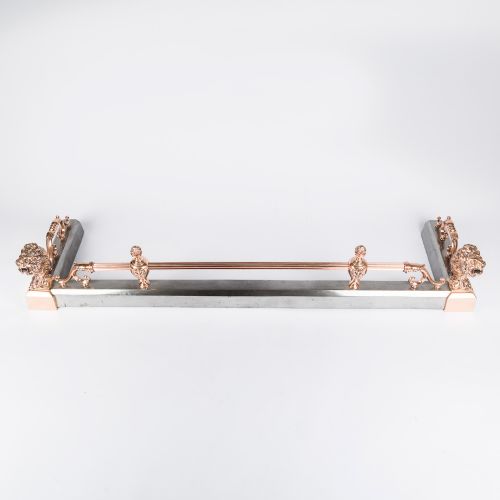
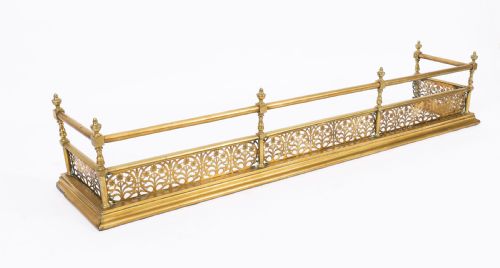
The pieces appearing on this page span the Victorian, Edwardian, and Regency periods, alongside later Art Deco examples. Fenders and guards fashioned from brass, iron, and wire mesh dominate the selection, often featuring adjustable or multi-folding sections for practical hearth use.
Materials and construction methods
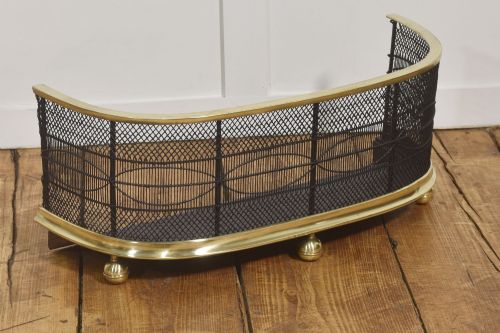
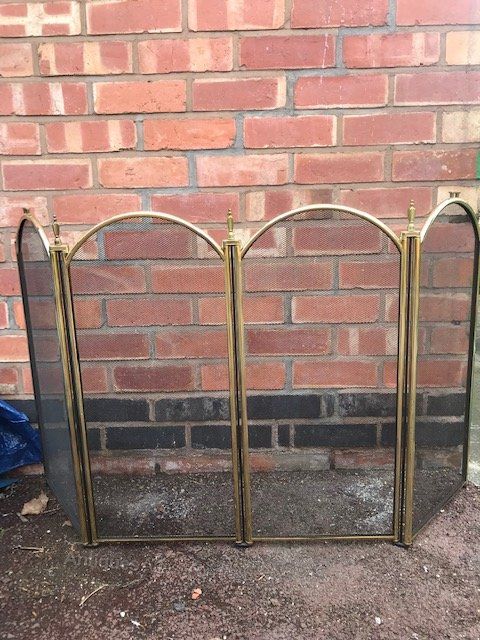
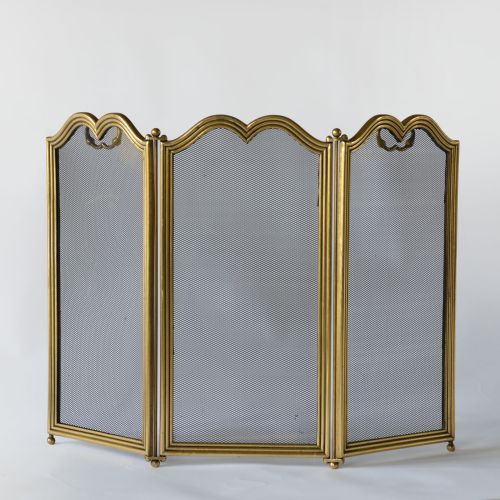
Metalworking techniques define the construction of these hearth accessories, utilising cast iron, wrought iron, steel, and polished or pierced brass. Frames are frequently combined with fine wire mesh or copper panels to contain sparks while maintaining visibility of the fire.
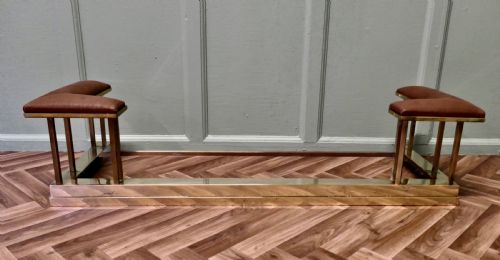
Many club fenders incorporate upholstered leather seats in tones such as green, supported by robust brass or steel frames. Piercing, riveting, and curving metal rods formed the primary methods for creating ornate fenders and folding spark guards during the nineteenth and early twentieth centuries.
Quality and craftsmanship factors
The substance of the metalwork largely determines the caliber of a piece, separating substantial cast or wrought iron and heavy brass from lighter, thinner alternatives. Superior items display crisp piercing, robust joints, and well-fitted folding mechanisms that operate smoothly.
Detailing such as integrated clothes rails, decorative brass lions, or finely stitched leather upholstery on club fenders elevates the distinction of a hearth accessory. The weight of the metal and the integrity of the wire mesh construction indicate the standard of manufacture.
The Traditional Fire Guard Glossary
- Club Fender
- A low upholstered seat built over a metal hearth frame, allowing people to sit close to the fire. These typically feature leather tops supported by brass or steel structures.
- Nursery Fender
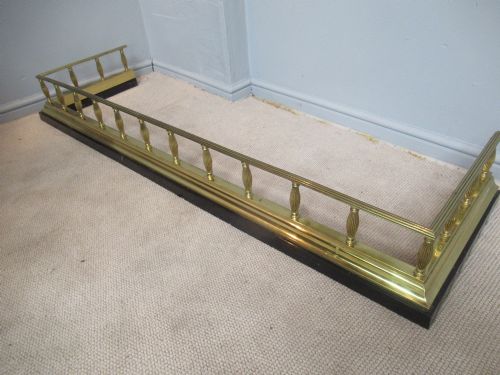
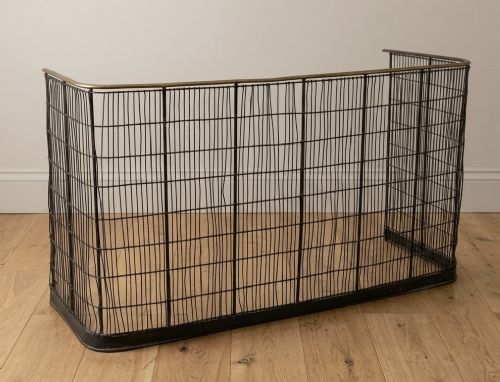
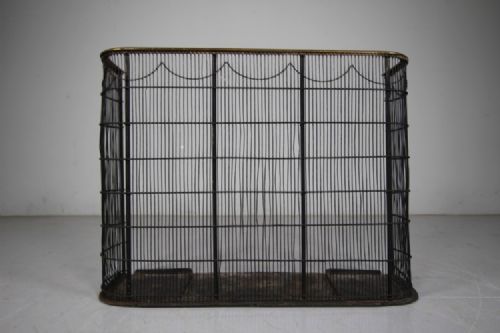
- A tall protective barrier designed to encircle the hearth and keep children and pets at a safe distance from open flames. They often include integrated top rails.
- Spark Guard
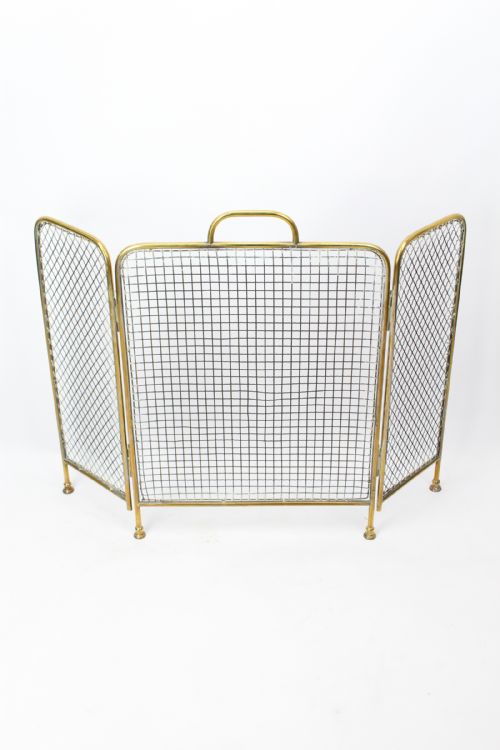
- A folding screen constructed from fine wire mesh and metal framing intended to catch flying embers. Tripartite and multi-section folding designs are common.
- Kerb
- An alternative spelling of curb, referring to the metal barrier placed on the floor around the perimeter of a fireplace opening. These mark the boundary of the hearth.
- Pierced Brass
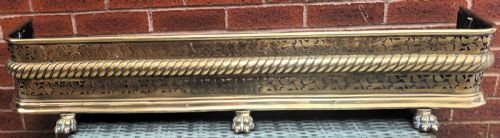
- Sheet metal decorated by cutting decorative patterns through the material, frequently seen on Victorian fender fronts. This technique combined ventilation with ornamental detail.
Traditional Fire Guard: Frequently Asked Questions
How do I choose the right size?
Measure the width and depth of your hearth opening carefully before selecting a fender or guard. Ensure that folding screens allow enough clearance for your specific fireplace surround.
Account for the protruding hearth stone so that freestanding nursery guards or club fenders sit squarely on the floor without obstructing surrounding furniture.
Are these guards safe for daily use?
Most traditional pieces incorporate sturdy iron, steel, or brass frames paired with wire mesh designed to contain sparks effectively. Heavy construction prevents accidental tipping during everyday fireside use.
Verify that folding mechanisms lock securely in place and that mesh panels remain intact before placing a guard in front of an active fire.
How do I clean polished brass?
Use a soft cloth and a proprietary metal polish formulated specifically for brass to remove tarnish and restore the surface lustre. Avoid abrasive pads that can scratch the polished finish.
Take care around pierced sections and wire mesh where polish residue might accumulate, wiping clean with a dry cloth afterwards.
What is a nursery fender?
A nursery fender is an extra-tall protective barrier designed during the nineteenth century to safeguard children and pets from open hearths. They frequently feature extended frames and clothes rails.
These pieces surround a larger portion of the fireplace floor compared to standard low fenders, offering comprehensive physical separation from flames.